  |
|
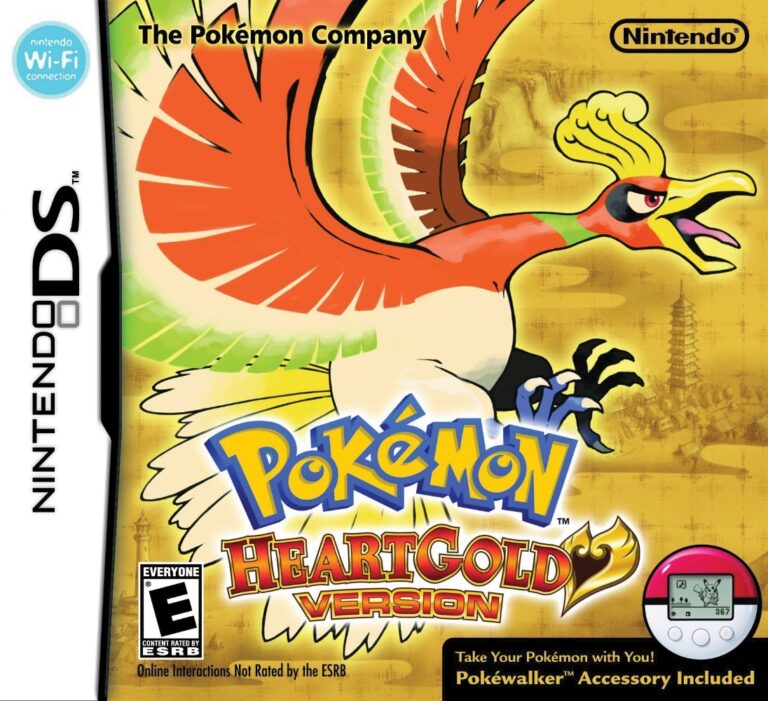
| Titles | Pokémon HeartGold Version & Pokémon SoulSilver Version ポケットモンスター ハートゴールド · ソウルシルバー |
| Platform | Nintendo DS |
| Developer | Game Freak |
| Publisher | Nintendo (The Pokémon Company in Japan) |
| Director | Shigeki Morimoto |
| Producers | Junichi Masuda, Shusaku Egami, Hitoshi Yamagami, Hiroaki Tsuru |
| Composers | Go Ichinose, Shota Kageyama, Hitomi Sato, Junichi Masuda, Takuto Kitsuta |
| Art director | Takao Unno |
| Players | 1–4 (DS Wireless and Nintendo Wi-Fi Connection) · infrared link to the Pokéwalker |
| Generation | Generation IV – remakes of the Generation II games |
| Johto Pokédex | 256 (493 in the National Pokédex) · no new Pokémon |
| Remakes of | Pokémon Gold & Silver (1999), with features from Crystal |
| Predecessor | Pokémon Platinum |
| Successor | Pokémon Black & White |
| Released (Japan) | 12 September 2009 |
| Released (South Korea) | 4 February 2010 |
| Released (North America) | 14 March 2010 |
| Released (Australia) | 25 March 2010 |
| Released (Europe) | 26 March 2010 |
| Rating | CERO A · ESRB E (Everyone) · PEGI 3 · G (Australia) |
| In the box | Nintendo DS Game Card and a Pokéwalker pedometer; the Game Boy Advance slot of a DS or DS Lite is used for Pal Park |
| Sales | 12.72 million combined – 1.48 million in Japan’s first two days |
Overview
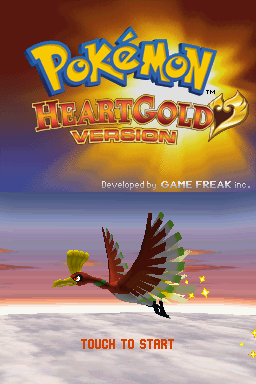 Pokémon HeartGold and SoulSilver Versions are paired titles that count as Generation IV; they are remakes of the popular Generation II titles Pokémon Gold & Silver. Following the success of Generation III’s remakes of Red and Blue, it was never going to be long until we saw more classic titles enhanced and given a new lease of life by the power of evolved hardware, in this case on the Nintendo DS.
HeartGold and SoulSilver take us back to our adventures in Johto, following the original story, characters, flow and battle mechanics quite closely. In terms of improvements over the original titles, HGSS offers much improved graphics and remastered audio over their original counterparts, but aside from this it also expands on the originals somewhat, for example adding features which were exclusive to Pokémon Crystal.
There is built-in functionality to allow Pokémon HeartGold and SoulSilver to trade directly with Diamond, Pearl and Platinum versions, enabling players to trade Pokémon to HGSS which wouldn’t otherwise be obtainable (and vice versa with trading Johto Pokémon to those Sinnoh-based titles).
Prepare for thrilling new adventures as Legendary Pokémon awaken! Explore the Johto region as you catch, train, and battle with your favorite Pokémon by your side. Reach for the sky or turn the tides—call forth the Legendary Pokémon!
— Official description, North American packaging
Quick Answers
The questions people ask about HeartGold and SoulSilver, answered first and explained further down the page.
What is the difference between HeartGold and SoulSilver, and which should I buy?
The story is identical. HeartGold meets Ho-Oh early and has Mankey, Growlithe, Gligar, Phanpy, Omanyte, Anorith, Latias and Kyogre; SoulSilver meets Lugia early and has Vulpix, Meowth, Skarmory, Teddiursa, Kabuto, Lileep, Latios and Groudon. Both mascots are catchable in either. Pick the legendary you like most. More →

How do you catch Ho-Oh and Lugia in HeartGold and SoulSilver?
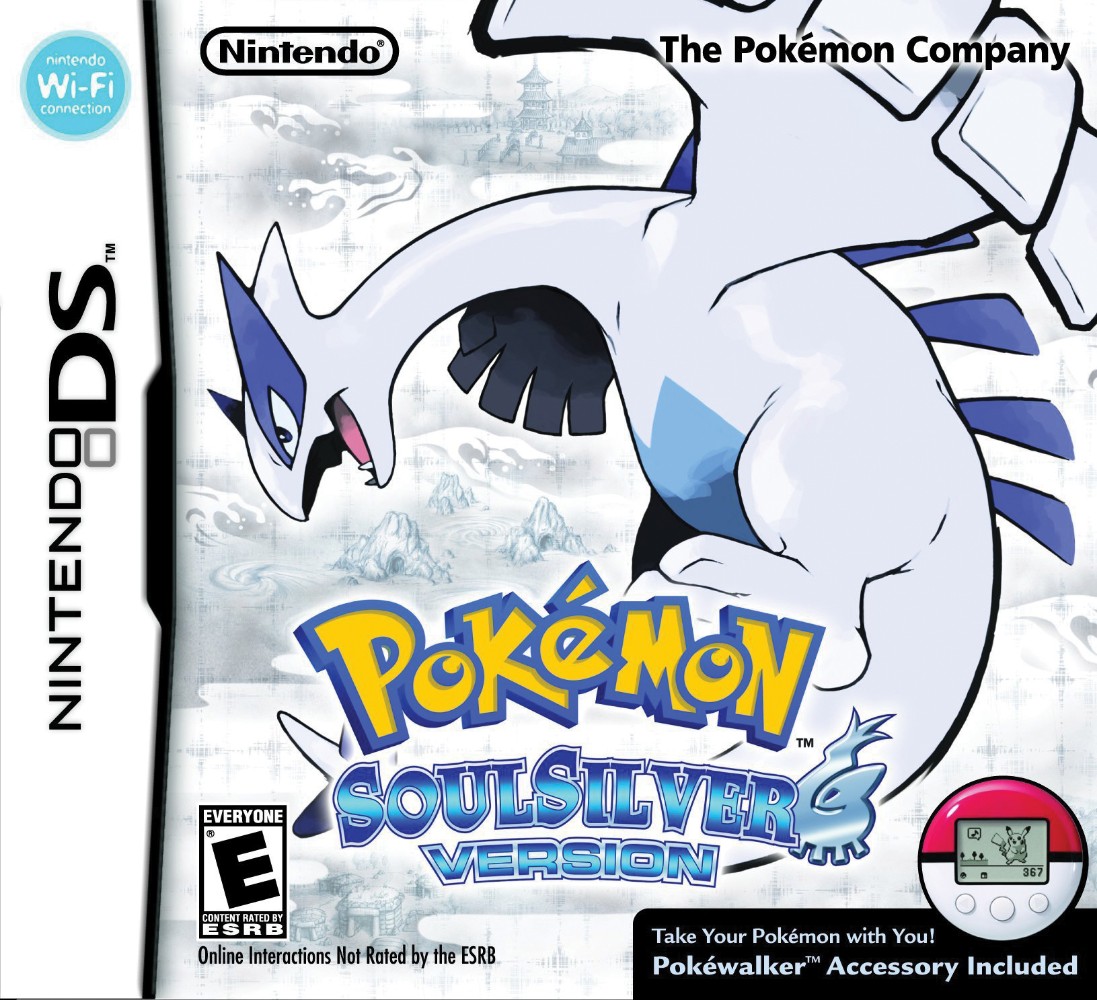
Both appear in both games. Your version’s mascot is part of the story: after the eighth Badge, beat the five Kimono Girls in Ecruteak and they summon it at Lv. 45. The other waits at Lv. 70 once an old man in Pewter City hands over its wing, the Rainbow Wing in SoulSilver or the Silver Wing in HeartGold. More →


How do you catch Raikou, Entei and Suicune?
All three wake in Ecruteak’s Burned Tower. Raikou and Entei then roam Johto’s routes at Lv. 40, so wear them down over several meetings or use a Master Ball. Suicune is different: after a chain of set sightings with Eusine across Johto and Kanto, it waits at Lv. 40 on the Cerulean Cape, Route 25. More →

How do you get to Kanto and earn all 16 Badges?
After the Elite Four, Professor Elm hands over an S.S. Ticket and the S.S. Aqua sails from Olivine to Vermilion. Seven Kanto Leaders can be taken in any order, though a few need a detour first, such as Brock behind the sleeping Snorlax. Blue in Viridian City only opens his Gym once the other seven Kanto Badges are won. More →

How do you battle Red in HeartGold and SoulSilver?
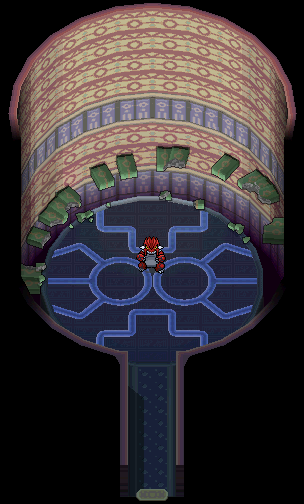
Win all 16 Badges and Professor Oak lets you into Mt. Silver, reached by Route 28 from Kanto. Climb to the summit, where Red stands silent. His team is Pikachu Lv. 88, Lapras Lv. 80, Snorlax Lv. 82, and Venusaur, Charizard and Blastoise at Lv. 84. He returns each time you beat the Elite Four again. More →

How do you get Kyogre, Groudon and Rayquaza?
Beat Red, collect a Kanto starter from Professor Oak, then visit Mr. Pokémon: he gives HeartGold players the Blue Orb for Kyogre and SoulSilver players the Red Orb for Groudon. Both wait at Lv. 50 in the Embedded Tower on Route 47. Show Oak a Kyogre and a Groudon caught there for the Jade Orb, which brings Rayquaza. More →

How do you get Celebi, Arceus and Mew, and can you still do the events?
None appears in normal play. An event Celebi unlocks a trip into the past at Ilex Forest, and an event Arceus opens the Sinjoh Ruins, where it creates Dialga, Palkia or Giratina. Mew was never catchable here. The official Wi-Fi distributions ended long ago, so today you need a Pokémon already received or a trade. More →

What does the Pokéwalker do, and does it still work?
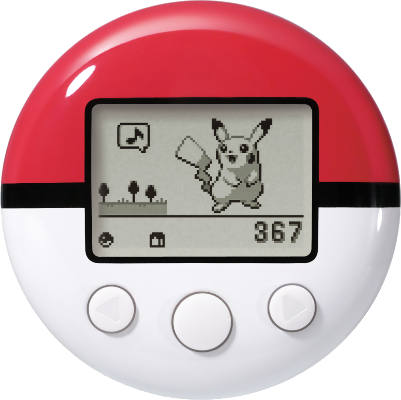
It is a Poké Ball-shaped pedometer packed with every copy. Send one Pokémon over infrared, and every 20 steps earns a Watt, which buys turns on the Poké Radar and Dowsing games and unlocks new courses with rarer Pokémon. It needs no internet, so it still works with a fresh CR2032 battery, but its event-only courses are out of reach. More →
Is Pokémon HeartGold or SoulSilver on Nintendo Switch?
No. As of October 2026 the games have never been re-released: there was no Virtual Console version, and Nintendo Classics has no DS games. FireRed and LeafGreen came to Switch in February 2026, which raised hopes, but Nintendo has announced nothing for HeartGold and SoulSilver. Original cartridges still play on DS, DSi and 3DS consoles. More →
How long does it take to beat HeartGold and SoulSilver?
There is no official figure, but it is one of the longest Pokémon adventures. Johto’s eight Gyms and Lance’s Lv. 50 Dragonite end the first part, then come eight Kanto Gyms with teams mostly in the 50s and Red’s Lv. 88 Pikachu. Completists can add the Battle Frontier, Pokéathlon, Safari Zone and Gym Leader rematches in the 60s and 70s. More →
Plot / Story
Starting from New Bark Town, the player, either Ethan or Lyra, begins their journey running an errand for Professor Elm. There the Professor gives them a choice of three starting Pokémon, either Chikorita, Cyndaquil or Totodile, before they go to Mr. Pokémon’s house to find out he has made a development about Pokémon Eggs. Mr. Pokémon sends them back in a rush, as the lab has been assaulted by a red-haired boy who stole one of Elm’s Pokémon.
On their way there they find this red-haired person, and after defeating them the player gets to give this red-haired character’s name to a police officer who is investigating the incident.
After returning to Professor Elm, who, excited about the Egg, urges the player to study it further, allowing the player to keep the starter Pokémon and asking them to go through Johto to defeat the eight Gym Leaders and beat the Pokémon League, their first objective is Violet City.
As they arrive in Violet City, the player has to defeat Elder Li at the Sprout Tower. As they get to the tower, Elder Li has just been defeated by Silver; he gives the player TM70, Flash. After defeating Falkner at the Violet Gym, Elm’s assistant appears and provides the player with a Togepi Egg. As they go to Azalea Town they meet Team Rocket, re-formed after being disbanded three years ago. They are cutting the tails off Slowpoke, which are considered sacred in Azalea, in order to sell them for a large profit.
Kurt, a local Poké Ball maker, is enraged by this, and asks the player for help chasing Team Rocket away to save the Slowpoke. As he tries to get to the Slowpoke Well he falls and hurts his back, asking the player to deal with the Rocket Grunts and save the Slowpoke. After doing this Kurt gives the player a Lure Ball, and offers them his services whenever they bring him Apricorns.

Bugsy is at the Azalea Gym; after defeating him and defeating Silver once again, the player can get into Ilex Forest to catch the Charcoal maker’s Farfetch’d and get the Hidden Machine for Cut. Passing through the bushes thanks to this Hidden Machine, the Trainer gets to Route 34, where there is a Pokémon Day Care, right behind Goldenrod City.
The player confronts Whitney at the Goldenrod Gym, and at a nearby business they get a SquirtBottle, which will allow them to move the strange tree, which is actually a Sudowoodo. Passing through will lead to the National Park, where every Tuesday, Thursday and Saturday a Bug-Catching Contest is held. Soon, in Ecruteak City, the player meets Bill, who is finishing some work at the Pokémon Center; he asks the player to come and visit him at his parents’ house in Goldenrod, where he will give the player an Eevee.
Morty is at the Ecruteak Gym; he has Ghost-type Pokémon, and after beating him he gives the player the Fog Badge. There is a Burned Tower in Ecruteak where the player will meet the Legendary beasts, and they will run around Johto, where they can be found and caught. Here the player meets Eusine, who is interested in Suicune.
Afterwards, the player goes on through Routes 38 and 39 to get to Olivine City. Once there, Silver tells them that Jasmine is not available, as she is taking care of Amphy, the Ampharos in the Lighthouse, and is unable to fight until Amphy is healed with the SecretPotion. Knowing this, the player just Surfs to Cianwood City, where they meet Chuck, who is at the Cianwood Gym and provides the player with the Storm Badge after being defeated. The Pharmacy gives them the SecretPotion, and after getting to the top of the Lighthouse, Jasmine, the Steel-type Pokémon Trainer, gives them the Mineral Badge. The next step is going to Mahogany Town, but the Mahogany Gym entrance is blocked by a man trying to sell RageCandyBars.
Upon this sight the player goes to the Lake of Rage, where there are two Rocket Grunts charging 1,000 Pokédollars to get through. Once at the lake, they find a Red Gyarados; catching or defeating it awards the player the Red Scale. Lance appears on the shore, revealing Team Rocket’s secret hideout to the player. They then head to Mahogany, storming the hideout with Lance.
Team Rocket was emitting radio waves from the hideout to force the Magikarp in the Lake of Rage to evolve into Gyarados, causing one of them to evolve into a Red Gyarados. After defeating the Grunts and blowing up the machine, they can challenge Pryce, the Ice-type Gym Leader, who gives them the Glacier Badge.
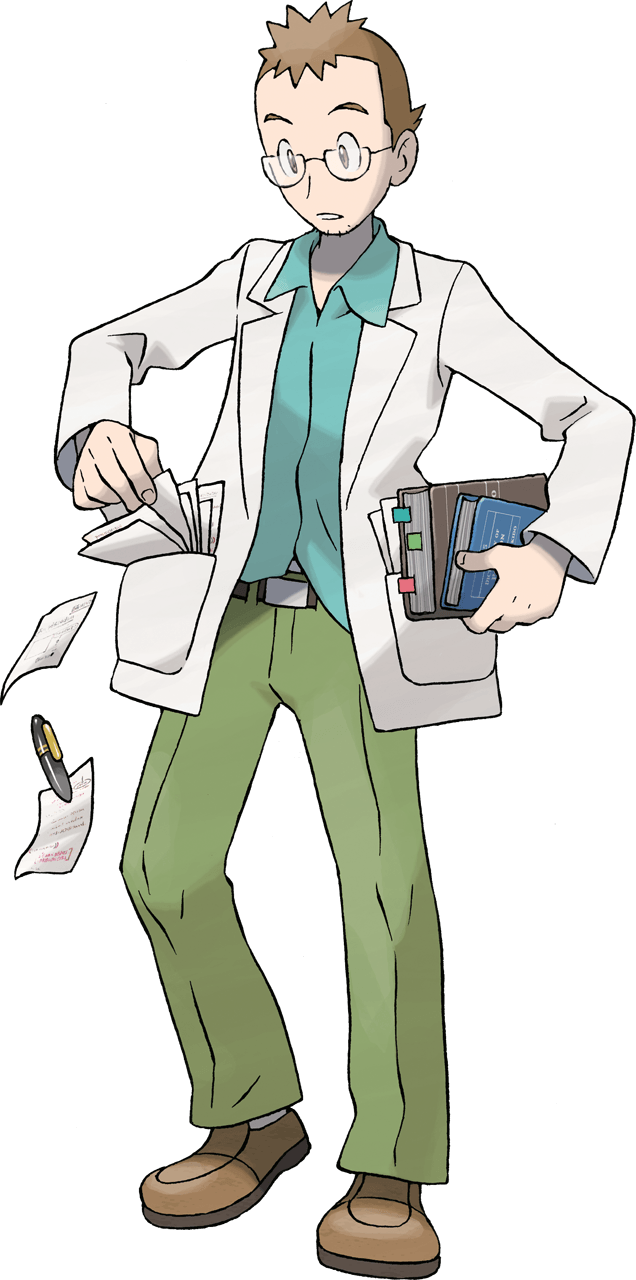
The player gets a phone call from Professor Elm, who sends them to the Goldenrod Radio Tower to investigate why Grunts are trying to contact Giovanni. The player dresses up as a Team Rocket Grunt and is able to enter the tower, storming through it and defeating the Grunts, ascending to the top floor only to discover that the Director had been impersonated by a Rocket and that the real Director is in the basement. After getting to the basement, Silver appears again, telling them he wants to defeat Team Rocket all by himself; the Director is in the basement and provides the player with a Card Key to access the higher floors of the tower.
Defeating and ploughing through the Grunts and Executives, the player disbands this Team Rocket attempt, and is given a Rainbow Wing to find Ho-Oh or a Silver Wing to find Lugia, depending on the game version. The player is then able to go through the Ice Path and arrives in Blackthorn City, where Clair resides, the Dragon-type Leader of the Blackthorn Gym. After being defeated, Clair makes the player go through a test to prove their worthiness. The player has to enter the Dragon’s Den and take the test; after passing it they get their last Badge, the Rising Badge. The player is then given a Master Ball by Professor Elm, and is asked to visit the Kimono Girls to prove their worthiness.

After defeating them, the player will go to the Bell Tower in HeartGold or the Whirl Islands in SoulSilver to find either Ho-Oh or Lugia. After this, the player may Surf east from New Bark Town into Kanto, onto Routes 27 and 26, and then through Victory Road to the Indigo Plateau; the player reaches the end of Victory Road and is challenged by Silver.
Afterwards, the player may go through the Elite Four in sequence: Will, the Psychic-type Pokémon Trainer; Koga, the Poison Pokémon master; Bruno, the Fighting-type Pokémon master; and lastly Karen, who uses Dark-type Pokémon.
Lance, the Pokémon Champion, challenges the player after they beat the Elite Four. After defeating him, Oak and DJ Mary arrive and congratulate the player. Lance takes the player to the back room and records all the player’s Pokémon in the Hall of Fame. This is the end of the first part of the game.
After returning as Champion to New Bark Town, they head downstairs to receive a message from Professor Elm, who has an S.S. Ticket for the S.S. Aqua for them, departing to Kanto, where many rare Pokémon live. The player may get on the ship in Olivine City, and is asked by a sailor to help him find his daughter; after finding her, they arrive at Vermilion City in Kanto.
Kanto offers the player several challenges; they can get all the Badges from the Gym Leaders in Kanto. First they defeat Lt. Surge, getting the Thunder Badge, then go to Saffron City to defeat Sabrina to get the Marsh Badge. The player may go to the Pokémon Fan Club in Vermilion to get a Lost Item to take back to the Copycat in Saffron City; she provides them with a Pass to board the Magnet Train, which gives quick access to Goldenrod.
The player then may go to Celadon City to defeat Erika and get the Rainbow Badge. They can go to the Power Plant, where they find that an important part of a machine in the plant was stolen and they are unable to get the machine running. They can go to Cerulean City, where they find a Rocket Grunt who is trying to revive Team Rocket, not knowing that the team was disbanded in Johto thanks to the player. After defeating the Grunt, he admits that he dropped the Machine Part in the Cerulean Gym; the player goes there and retrieves the Machine Part, placing it in the Power Plant to make it run again.

Now the player can go through the Rock Tunnel, getting to Lavender Town; the Pokémon Tower is now the Radio Tower for Kanto, and the director inside the tower gives them an Expansion Card to listen to the stations in Kanto. Going across the Silence Bridge, the player arrives at Fuchsia City, where they can defeat Janine, who uses Poison Pokémon and gives away the Soul Badge.
Then they head to the Cerulean Cape, where Misty and her boyfriend are hanging out. Her boyfriend gets angry and runs away, until they realise the player is a challenger. Defeating Misty provides the player with the Cascade Badge.
Moving on, the player goes back to Vermilion City, and recalls a large Pokémon sleeping outside the entrance to Diglett’s Cave; they use the Poké Flute station to wake the Snorlax, and after fighting it the player goes through Diglett’s Cave and is able to get to the Pewter Gym to face Brock and get the Boulder Badge. Following down through Viridian Forest into Viridian City, the player finds out the Leader of the Viridian Gym is not there; they can, however, Surf to the south of Pallet Town to Cinnabar Island, which has been burnt down by a volcano.
Blue stands there alone, mentioning how the Gym was relocated to the Seafoam Islands. Blue returns to his own Gym and the player can go to the Seafoam Islands to face Blaine, the Fire-type Gym Leader, and obtain the Volcano Badge.
Finally, the player goes to Viridian City and is able to challenge Blue. Blue is a hard-to-beat Trainer, and after defeating him the last Kanto Badge is awarded to the player, the Earth Badge. Then the player may go to Professor Oak in Pallet Town; Oak provides the player with Hidden Machine 8 and lets them enter Mt. Silver, a dangerous place full of strong Pokémon. At the top, Red, the former Pokémon Champion, is training. The player is faced by Red, who has no words, and challenges them to a battle. After defeating him, Red simply vanishes, and the player’s long journey is complete.
The whole journey in brief, Executives and all
Ethan or Lyra sets out from New Bark Town on an errand for Professor Elm, with the other living next door and showing them how to catch Pokémon. Their first partner is Chikorita, Cyndaquil or Totodile, and the errand is to collect a mysterious Egg from Mr. Pokémon that later hatches into Togepi. A red-haired boy, Silver, steals one of Elm’s Pokémon, and the player names him for the police after their first battle.
The route through Johto follows Gold and Silver closely, but the remakes give Team Rocket a face: four named Executives lead the revival. Proton is cutting Slowpoke tails in Azalea, Petrel poses as Giovanni in the Mahogany hideout that Lance helps to raid, and Ariana guards the Electrode that power its transmitter. At the Goldenrod Radio Tower, Archer, Ariana and Proton broadcast a call for their missing boss while Petrel impersonates the Director, and the player sneaks in wearing a Rocket uniform.
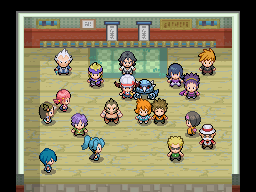
Five Kimono Girls, met one by one along the way, test the player after the eighth Badge. Beating all five in Ecruteak’s Dance Theater earns a bell, and their dance at the Bell Tower or in the Whirl Islands summons Ho-Oh or Lugia, a battle the player must now face before the Pokémon League.
After Lance, the S.S. Aqua carries the player to Kanto, where eight more Gyms wait, Blue last of all. Sixteen Badges open Mt. Silver, and Red waits silently at the summit. Beating him opens a long post-game. Professor Oak and Steven hand out Kanto and Hoenn starters, Mr. Pokémon’s orb wakes Kyogre or Groudon in the Embedded Tower, and Rayquaza follows once both are shown to Oak.
Event Pokémon add two more scenes. A Celebi carries the player three years into the past, where they watch Giovanni turn his back on his son Silver and then battle him. An Arceus leads to the Sinjoh Ruins, where Cynthia watches it create Dialga, Palkia or Giratina.




Every story difference from Gold & Silver
- Lyra replaces Kris as the female lead, and whichever character the player does not choose becomes the helpful neighbour who teaches catching on Route 29 instead of the old Dude.
- Silver’s first battle lists him as a ‘Passerby Boy’ rather than ‘???’, and Professor Elm later lets him keep the Pokémon he stole.
- Team Rocket’s four Executives finally get names and designs: Archer, Ariana, Proton and Petrel.
- Petrel impersonates Giovanni in the Mahogany hideout and the Radio Director in Goldenrod, and the player infiltrates the Radio Tower dressed as a Rocket Grunt.
- The Kimono Girls become central: each is met separately, all five are battled in a row after the eighth Badge, and they perform the ritual that summons the mascot.
- Ho-Oh or Lugia must be faced before the Pokémon League; in Gold and Silver both were optional.
- The Tin Tower is renamed the Bell Tower, and the Clear Bell (HeartGold) or Tidal Bell (SoulSilver) joins the wings as a key item.
- Eusine and Suicune’s chase from Crystal are woven in, ending with Suicune at the Cerulean Cape.
- Clair swaps one Dragonair for a Gyarados, and her Badge now comes with TM59 Dragon Pulse after the Dragon’s Den test.
- Kanto’s Gym Leaders are several levels stronger (Brock’s Onix rises from Lv. 44 to Lv. 54), most of them now hand out TMs, and Blue’s team trades Alakazam for Machamp.
- Red’s team rises to Lv. 80–88, with Lapras replacing Espeon.
- Beating the Machine Part thief at Cerulean is now compulsory before the Power Plant runs again.
- Mewtwo returns in a reopened Cerulean Cave, and the Seafoam Islands and Viridian Forest return as full areas.
- After Red, Professor Oak and Steven give out Kanto and Hoenn starters, and the Embedded Tower adds Kyogre, Groudon and Rayquaza.
- Steven also sets Latias (HeartGold) or Latios (SoulSilver) roaming Kanto.
- A new post-game multi battle at the Dragon’s Den pairs the player with Silver against Lance and Clair.
- Gym Leaders can be rematched at the Fighting Dojo in Saffron after the player collects their phone numbers.
- An event Celebi unlocks a trip back in time to battle Giovanni and confirms he is Silver’s father.
Your rival, Silver
Silver battles you eight times, and in the remakes he finally fights alongside you once:
- 1. Cherrygrove City, on the way back from Mr. Pokémon’s house, where he is listed as a Passerby Boy: a single Lv. 5 starter, Cyndaquil if you chose Chikorita, Totodile if you chose Cyndaquil and Chikorita if you chose Totodile.
- 2. Azalea Town, after the Slowpoke Well: Gastly Lv. 14, Zubat Lv. 16 and Quilava, Croconaw or Bayleef at Lv. 18.
- 3. Burned Tower, Ecruteak City: Gastly Lv. 20, Zubat Lv. 20, Magnemite Lv. 18 and his starter’s middle stage at Lv. 22.
- 4. Goldenrod Tunnel, during the Radio Tower takeover: Golbat Lv. 32, Magnemite Lv. 30, Haunter Lv. 32, Sneasel Lv. 34 and Quilava or Meganium at Lv. 34; if you chose Cyndaquil, the team is two levels lower and ends with Feraligatr at Lv. 32.
- 5. Victory Road: Sneasel Lv. 36, Golbat Lv. 38, Magneton Lv. 37, Kadabra Lv. 37, Haunter Lv. 37 and Typhlosion, Feraligatr or Meganium at Lv. 40.
- 6. Mt. Moon, after you become Champion: Sneasel Lv. 46, Golbat Lv. 47, Magneton Lv. 46, Alakazam Lv. 48, Gengar Lv. 48 and his starter at Lv. 50.
- 7. Indigo Plateau, on Mondays and Wednesdays before you take on the Elite Four: Sneasel Lv. 55, Magneton Lv. 55, Gengar Lv. 56, Alakazam Lv. 56, Crobat Lv. 58 and his starter at Lv. 60.
- 8. Dragon’s Den multi battle, after Mt. Moon: Silver fights alongside you against Lance and Clair with his starter at Lv. 60, Crobat Lv. 58 and Gengar Lv. 56. Afterwards he trains there on Tuesdays and Thursdays but no longer battles.
Red on Mt. Silver
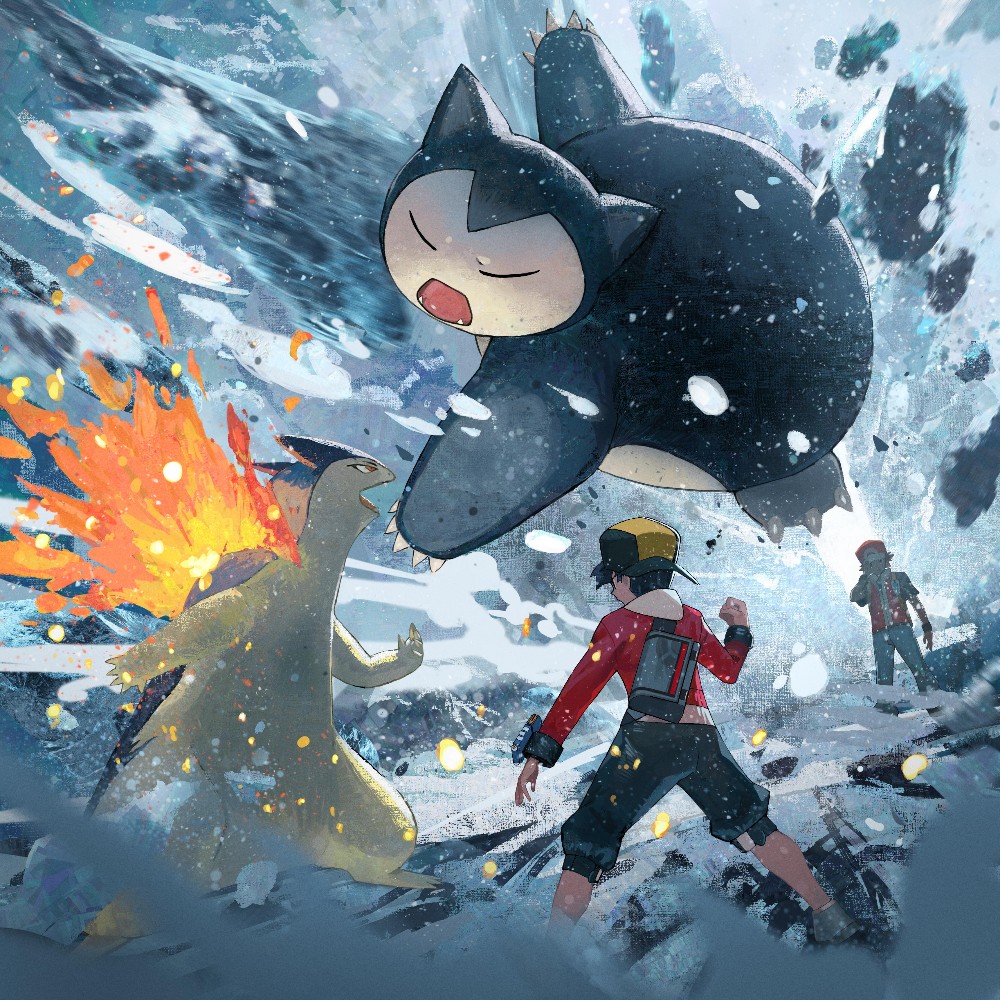
Three years after his own journey, Red has retreated to the summit of Mt. Silver, where snow falls around him. He says nothing but a pair of long ellipses before the battle. His HeartGold and SoulSilver team is the strongest in the game: Pikachu at Lv. 88 holding a Light Ball, Lapras at Lv. 80, Snorlax at Lv. 82, and Venusaur, Charizard and Blastoise at Lv. 84. Pikachu knows Volt Tackle, Iron Tail, Quick Attack and Thunderbolt, the same moves Ash’s Pikachu used in the Diamond and Pearl anime, and he carries four Full Restores. He is also the only opponent in the remakes to open with the old Generation II battle transition. Win and he simply vanishes, leaving a ₱16,800 prize and a Legend Ribbon for your team. He returns each time you beat the Elite Four again.

The Kimono Girls and the ritual
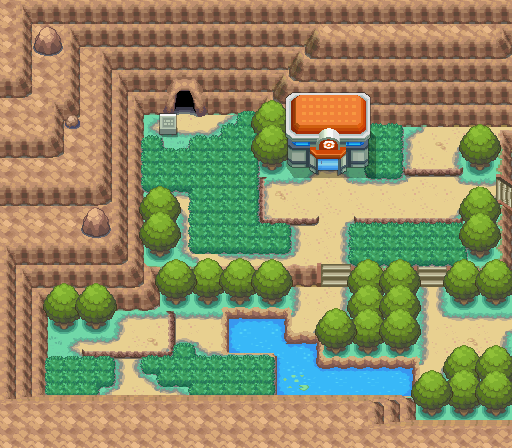
The Kimono Girls are met one at a time: Zuki in Violet, Naoko lost in Ilex Forest, Miki in the Dance Theater, Kuni in the Goldenrod Tunnel and Sayo stuck in the Ice Path. Once the eighth Badge and Elm’s Master Ball are in hand, all five battle the player in a row in Ecruteak, each with a Lv. 38 Eeveelution. Their reward is the Clear Bell in HeartGold or the Tidal Bell in SoulSilver. With that bell and the wing from the Radio Director, they dance to call Ho-Oh to the Bell Tower roof or Lugia to the depths of the Whirl Islands at Lv. 45. The other version’s mascot needs only its wing and appears at Lv. 70.

In the anime and movies
Johto was the anime’s home for three seasons, so the remakes’ map, Gym Leaders and Pokémon are all there to be found; the remakes themselves were marked by Lyra’s visit to the Sinnoh series.
In the anime
Anime seasons which loosely tie in with HeartGold & SoulSilver (in terms of locations, NPCs such as Gym Leaders and Pokémon):
 Season 3: The Johto Journeys1999–2000Ash, Misty and Brock cross into Johto after the Orange Islands, and the season follows the remakes’ map closely, with badges from Falkner, Bugsy and Whitney and visits to Violet, Azalea and Goldenrod. Ash’s new partners include Chikorita, Cyndaquil and Totodile, the three starters of the games.
 Season 4: Johto League Champions2000–2001The middle stretch of the Johto journey brings Morty’s Fog Badge and Chuck’s Storm Badge, with stops in Ecruteak and the coast around Olivine and Cianwood, while Team Rocket keep up their Johto schemes.
 Season 5: Master Quest2001–2002The Johto story ends with Jasmine, Pryce and Clair, the Lake of Rage’s red Gyarados and Lance, and the Silver Conference at the Indigo Plateau, where Ash reaches the top eight.
 Season 12: DP Galactic Battles2008–2009Lyra and Khoury visit Sinnoh in An Egg Scramble! (DP143) and stay for five episodes, to Bagged Then Tagged! (DP147). It is the anime’s main tie-in to the remakes, bringing their new heroine and her friend into the Sinnoh story for a short guest run.
In the movies
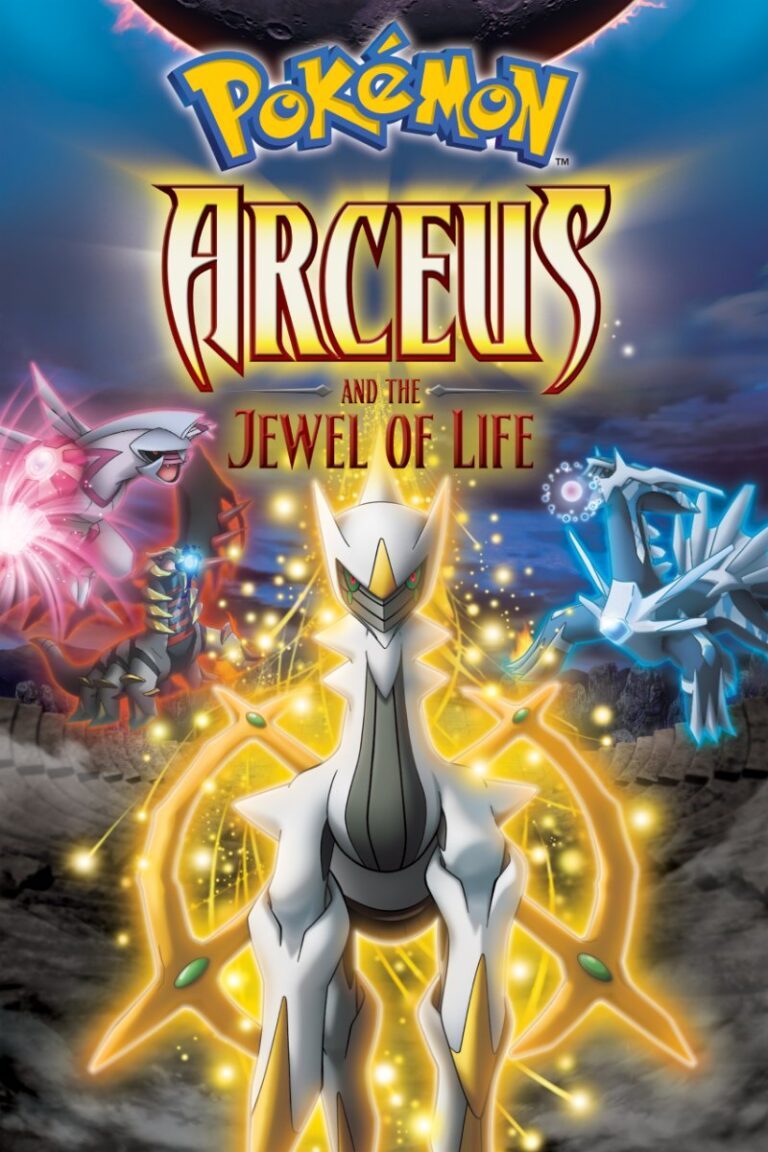 Pokémon: Arceus and the Jewel of Life2009The twelfth film, released in Japan in July 2009, puts Arceus at the centre just as the remakes added the Sinjoh Ruins event, where an event Arceus creates Dialga, Palkia or Giratina.
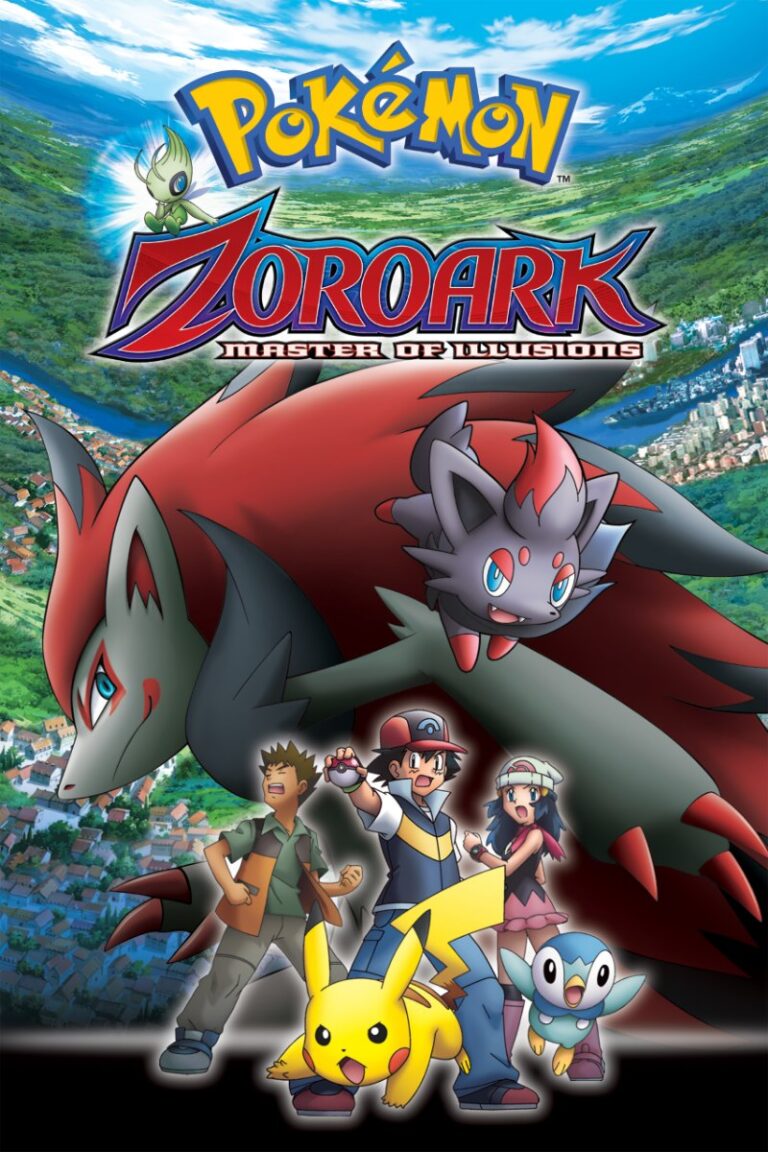 Pokémon: Zoroark – Master of Illusions2010Celebi is at the heart of the thirteenth film, and the Cinema Celebi given out in Japan from July 2010 unlocks the remakes’ time-travel scene with Giovanni.
The HeartGold & SoulSilver episodes
The HeartGold & SoulSilver episodes – Ho-Oh’s first flight and Lyra’s visit to Sinnoh:
- EP001Pokémon – I Choose You! – Ho-Oh flies over a rainbow at the end of the very first episode, a moment HeartGold’s mascot later made famous.
- DP143An Egg Scramble! – Lyra’s anime debut, alongside her friend Khoury.
- DP147Bagged Then Tagged! – Lyra and Khoury’s last episode with Ash before returning to Johto.
- GenerationsThe Lake of Rage – The 2016 web series revisits Johto’s Rocket plot, with Petrel defeated by Lance’s Dragonite.
What the remakes change
Although many features were kept the same from the Gold, Silver and Crystal games, the remakes did add some new assets to the game, whether on the graphics level, sound and even the gameplay.
Graphics and sound changes

- The Legendary beasts now have remixes of their battle soundtracks from Pokémon Crystal, while both Lugia and Ho-Oh have new, unique ones.
- The male character is redesigned and replaced by Ethan, while the female one is replaced by Lyra.
- While Cianwood City and Ecruteak City shared the same soundtrack in the Gold, Silver and Crystal games, they now have different remixes of the same theme.
- The second recording room of the Goldenrod City Radio Tower is replaced with an Observation Deck.
- The player can now view both the Kanto and the Johto Badges they have collected, unlike in Pokémon Silver and Pokémon Gold, where only the Johto Badges could be checked.
- If the player checks their Pokémon’s stats, they’ll sometimes notice that some stats are written in blue while some are in red. The red ones are the stats increased by the Pokémon’s Nature, while the blue ones are those decreased by it.
- The closed Kanto Safari Zone in Fuchsia City is now replaced with Pal Park.
- Team Rocket Grunts and Executives were redesigned, with the addition of four named Executives known as Proton, Petrel, Archer and Ariana.
- Many Gyms were redesigned and enhanced, with the addition of puzzles to some Gyms, like the Vermilion City Gym. Some Gyms, like Blaine’s and the Viridian City Gym, now have more opponents.
- Players can now customise their Pokégear, as various skins were added for it.
Gameplay changes
- The Kimono Girls in HeartGold and SoulSilver are now important characters, as they play an essential role in meeting the Legendary Pokémon Lugia or Ho-Oh. Each of them has to be battled and defeated, then the player will gain access to the Legendary Pokémon’s location, where the Kimono Girls will conduct a ritual to summon it.
- Many Legendary Pokémon can now be found in the games, like Kyogre in HeartGold and Groudon in SoulSilver, after the player has defeated Red. If they show both of them to Professor Oak, they can encounter Rayquaza. Latias and Latios can also be caught in-game, in HeartGold and SoulSilver respectively, as they roam randomly around Kanto. Other Legendaries, such as Giratina, Palkia, Dialga and Arceus, can be obtained through special events.
- Unlike Pokémon Gold and Pokémon Silver, the remakes make the encounter with the Legendary Lugia or Ho-Oh a must before the player can battle the Pokémon League.
- The Kanto Gym Leaders can still be challenged in any order, except for Blue, who’ll only be available after the other seven Badges are collected. Check out our strategy guide for the Gym Leaders of HGSS.
- The Pokéathlon, located in Johto west of the National Park, is a new feature added to the remakes. The player will have to choose three Pokémon with which they’ll enter different contests. The mini-games and challenges played will be based on the player’s choice, who’ll have to choose one of the general contest types: Speed, Stamina, Jump, Skill or Power. Winning mini-games will earn the player points they can buy various rewards with, among which are many rare items like the evolution stones.
- After acquiring the National Pokédex, the player can use the move Headbutt on trees to find Pokémon from the Sinnoh and Hoenn regions. Headbutt is no longer given as a TM but is taught by a Move Tutor, as many times as the player wants.
- Eusine, who only appeared in Pokémon Crystal, reappears in the remakes.
- Two items can now be registered, instead of one, with the Running Shoes able to be switched on permanently.
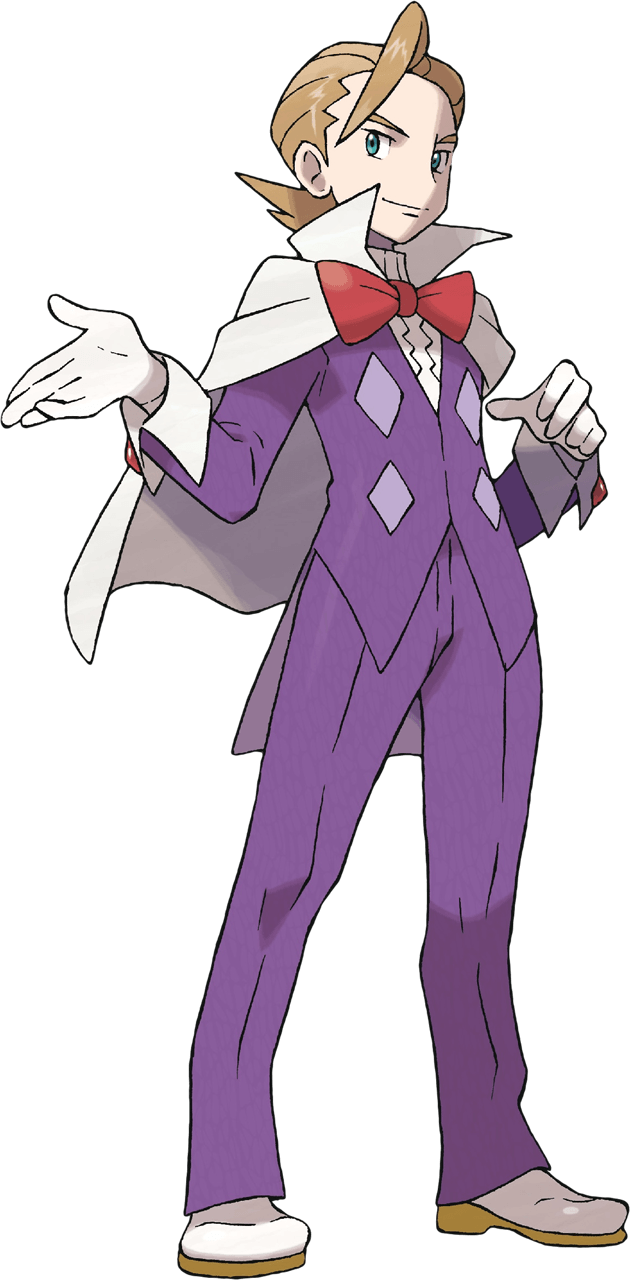
- After defeating Red, the player can earn starter Pokémon of the Hoenn and Kanto regions from Steven Stone and Professor Oak.
- Many Pokémon will now learn moves they couldn’t learn in Pokémon Gold and Pokémon Silver.
- The player’s rival, the red-haired boy, is named ‘Passerby Boy’ when they first meet, unlike in the older versions of the games, where he was simply noted as ‘???’.
- In HeartGold and SoulSilver, special Pokémon such as Snorlax will respawn if they were ignored or knocked out by the player, after defeating the Elite Four.
- The player will now pass through whirlpools, instead of making them vanish using the Whirlpool move.
- The games feature a new cell phone functionality, where the player can have a list filled with endless Trainer contacts, whom they can re-battle depending on time and day factors.
- Berries can no longer be collected from plants in the field, as only Apricorns will be found on them.
- A few items were changed into the category ‘Key Item’, like the RageCandyBar, which prevents equipping them to a Pokémon and trading them to another game.
In depth: everything the remakes add
The headline additions, one by one, with the fine print. Walking Pokémon, the Pokéwalker and the Pokéathlon get their own section below.



Walking Pokémon, the Pokéwalker and the Pokéathlon
Three ideas define the remakes more than any graphical upgrade: a partner that walks behind you, a pedometer that takes one of your Pokémon out into the real world, and a sports stadium that replaced Contests. Each deserves a closer look.
Walking Pokémon

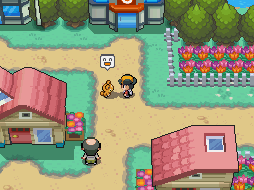
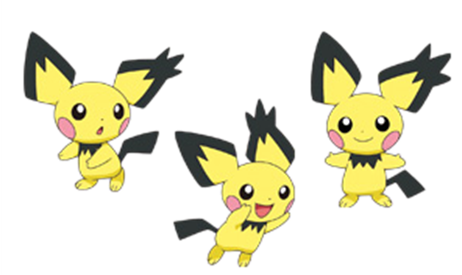
The Pokémon at the top of the party walks behind the player, as Pikachu did in Yellow, and all 493 species can do it, Shiny colours and alternate forms included. Turning round and pressing A brings a short reaction that hints at its mood, and some places, such as the Bell Tower for Ho-Oh, trigger special lines. Partners sometimes pick up items for the player, and large Pokémon go back in their Poké Balls in many buildings. Walking with the right partner also starts events, from the Spiky-eared Pichu at Ilex Forest to Arceus at the Ruins of Alph.

The Pokéwalker
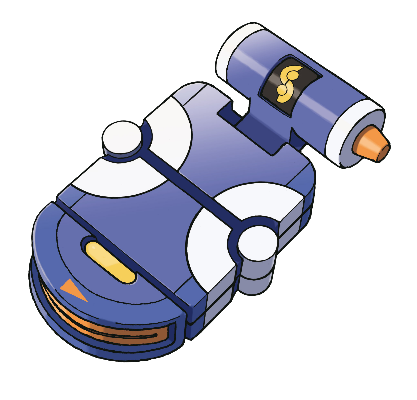
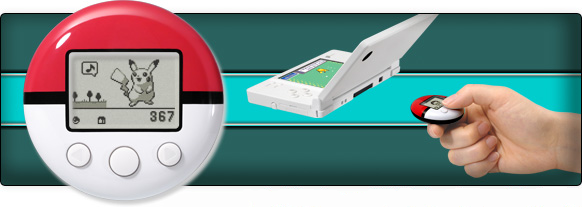
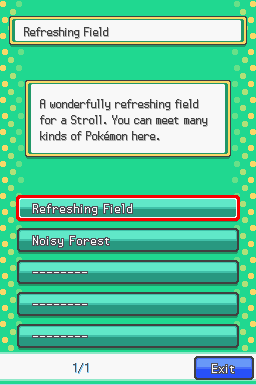
Every copy came with this red-and-white pedometer shaped like a Poké Ball. One Pokémon is beamed across by infrared and goes for a stroll on a course; every 20 steps earns a Watt, and the Pokémon gains experience as you walk, though only one level per trip. Watts pay for the Poké Radar, a quick catching game, and the Dowsing game, which hunts for items under six patches of grass. Twenty courses unlock as the total grows, from Refreshing Field to Quiet Cave at 100,000 Watts, and seven more came through events or special conditions.
The Pokéathlon
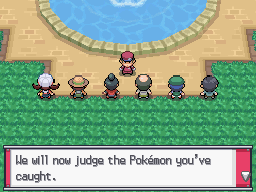
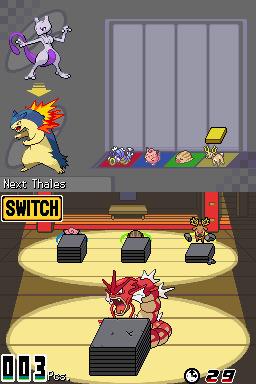
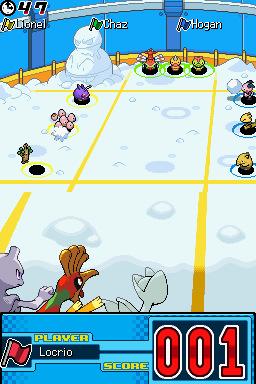
Built north of Goldenrod, the Pokéathlon takes the place of the Contests of Hoenn and Sinnoh. Three Pokémon tackle three touch-screen events on one of five courses, Speed, Power, Skill, Stamina or Jump, drawn from ten events such as Hurdle Dash and Snow Throw. Results rest on five performance stats that vary by species and are shaped by Nature and Aprijuice. Wins earn Athlete Points for the shop, which sells evolution stones on a weekly rota, and medals for each species. A harder Supreme Cup opens after the National Pokédex, and up to four players can link up.

Where the remakes take you: Johto and Kanto
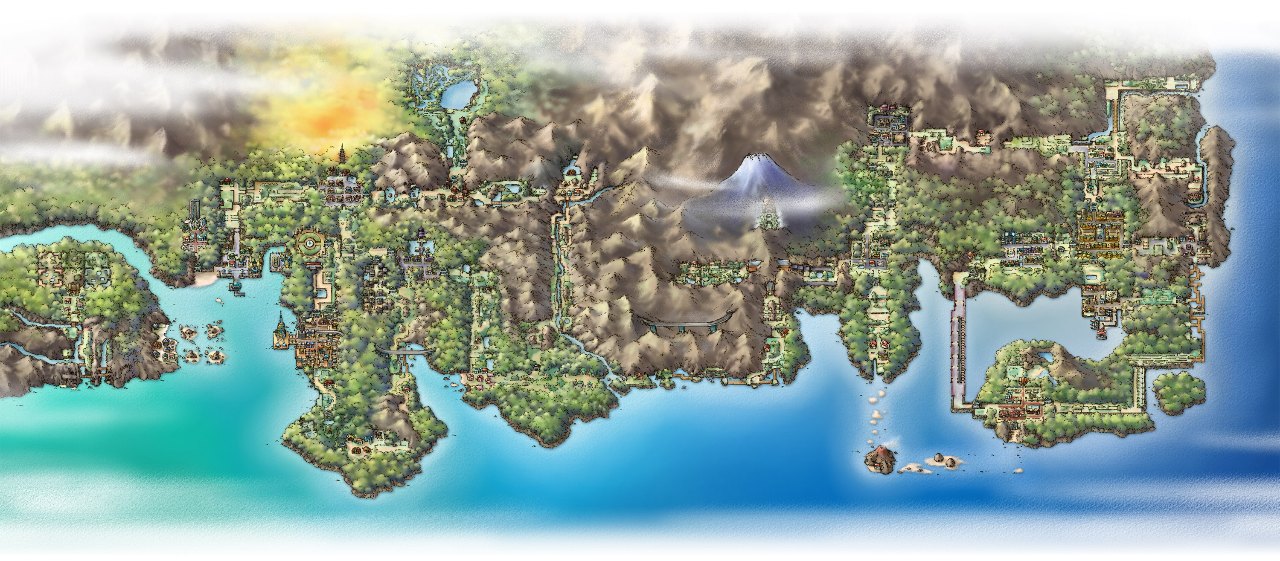
The remakes rebuild every town of Johto and Kanto in the Diamond and Pearl engine, and add a handful of places the originals never had. First the new and changed places, then the two regions town by town.
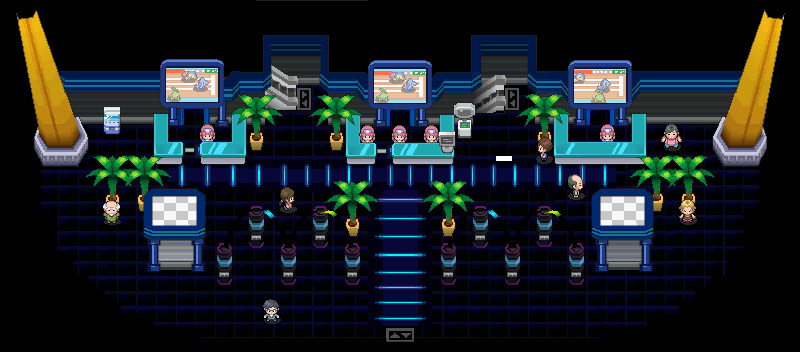
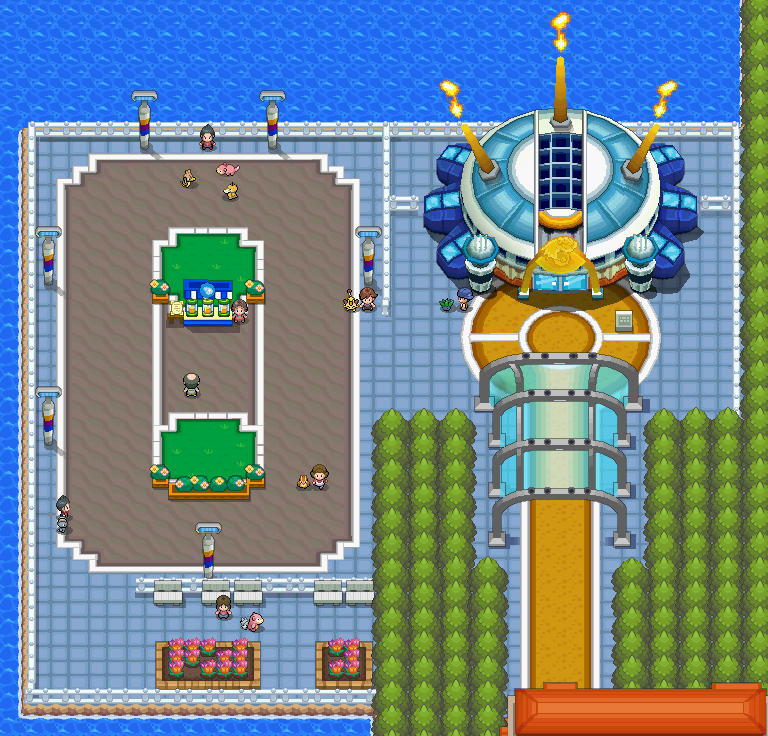
Pokéathlon Dome
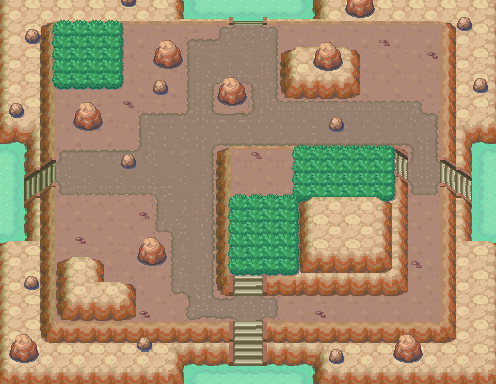
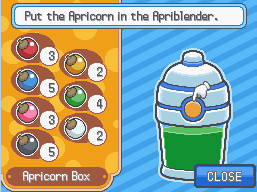
A great domed stadium beside Route 35, just north of Goldenrod City and next door to the National Park, the Pokéathlon Dome stays shut until Whitney is beaten. Inside, the main floor holds the reception desk, a vending machine and the Athlete Shop, where Athlete Points buy evolution stones that change with the day of the week alongside Rare Candy, Heart Scales and King’s Rocks. Below lie four rooms that open in turn, the Solidarity, Trust, Potential and Friendship Rooms, rewarding course medals and record times. Outside, an Aprijuice seller hands the Apriblender to anyone carrying an Apricorn Box, and two regulars give out Rare Candy to athletes who reach a thousand dashes or jumps.
Pokémon of note: Any three of your own Pokémon for each course, Kuni, one of the Kimono Girls, who later competes there, Medalist Pokémon that win all five course medals. Items: Evolution stones (2,500–3,000 Athlete Points, rotating by weekday), Rare Candy (2,000 Athlete Points), Apriblender, King’s Rock and Metal Coat.

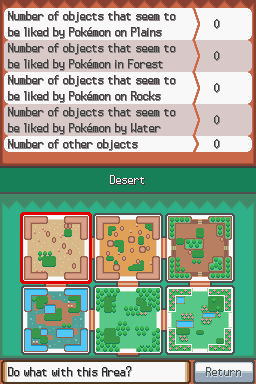
Johto Safari Zone
Northwest of Cianwood, Route 48 leads to the Safari Zone Gate, a small bazaar that has grown up around Johto’s first Safari Zone. It belongs to Baoba, who once ran the Kanto Safari Zone before his son turned it into Pal Park. Once Amphy in Olivine is cured, ₱500 buys 30 Safari Balls and unlimited time. Twelve areas, six active at once, can be rearranged on the touch screen and filled with objects, and areas that stand long enough attract rarer visitors. Its line-up is the largest in any Safari Zone, with several Pokémon, such as Shelgon, Metang and Riolu, that cannot be met in the wild anywhere else.
Pokémon of note: Shelgon, Metang, Breloom, Vigoroth, Riolu, Geodude and Sandshrew (Baoba’s two quests). Items: Safari Balls (30 for ₱500), Area objects given by Baoba, The Area Customizer.

Battle Frontier
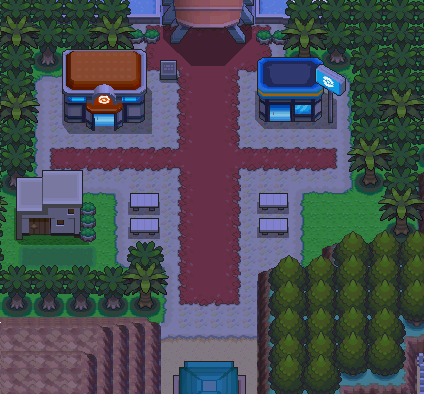
Where Crystal’s lone Battle Tower once stood, west of Olivine City, the remakes build a complete Battle Frontier reached through the Frontier Access. It is a post-League playground with the same five facilities and Frontier Brains as Platinum’s Sinnoh Frontier: Palmer at the Battle Tower, Thorton at the Battle Factory, Dahlia at the Battle Arcade, Darach at the Battle Castle and Argenta at the Battle Hall. Seven-battle streaks earn Battle Points, and beating a Brain earns 20 more, spent on TMs, held items and training items. Its prize counters and menus are laid out differently from Sinnoh’s.
Pokémon of note: Mewtwo, Mew, Lugia, Ho-Oh and other legendaries (banned from entry), Spiky-eared Pichu (also banned), Rental Pokémon at the Battle Factory. Items: Battle Points, TMs, held items and vitamins at the Exchange Service Corner.
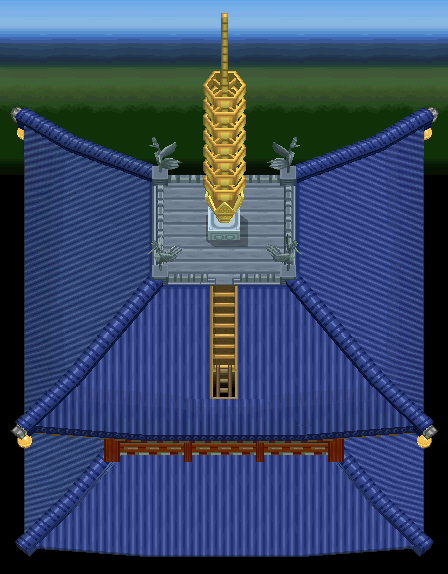
Bell Tower
Ecruteak’s ten-storey pagoda, called the Tin Tower in the originals, takes the name Bell Tower in the remakes, a play on the Japanese word suzu, which can mean either bell or tin. Only those the town’s Sages judge worthy may climb it. Inside, swaying pillars and warp panels guard the way to the roof, where the Kimono Girls dance with the Clear Bell in HeartGold to call Ho-Oh down at Lv. 45. In SoulSilver the Rainbow Wing alone brings Ho-Oh at Lv. 70. If Ho-Oh is beaten or escapes, it returns after the next Hall of Fame entry. The roof is one of the few places where the radio falls silent.
Pokémon of note: Ho-Oh (Lv. 45 in HeartGold, Lv. 70 in SoulSilver), Gastly, Rattata, Zigzagoon, Spinda, Meditite and Chatot (special encounters), Burmy in its Sandy Cloak. Items: Clear Bell (HeartGold), Rainbow Wing, Sacred Ash (held by Ho-Oh), Max Revive and Rare Candy on the upper floors.
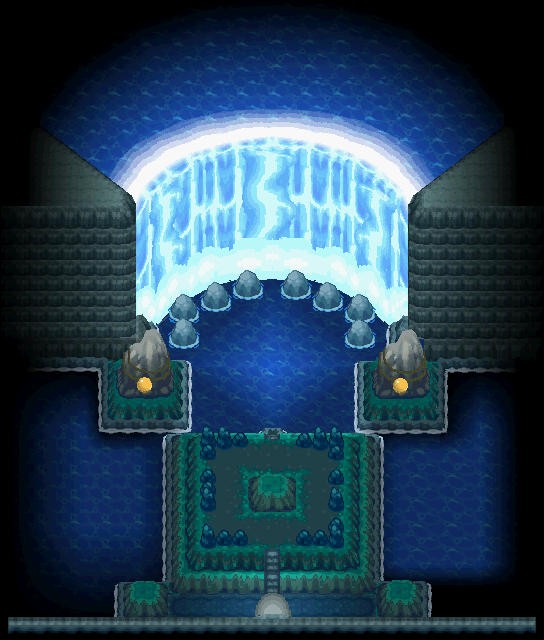

Whirl Islands
A cluster of rocky islets in the strait between Olivine and Cianwood, ringed by whirlpools, the Whirl Islands hide Lugia’s chamber deep underground. The way down starts from the northeastern island and ends on the lowest floor. In SoulSilver the Kimono Girls perform their dance there, and the Silver Wing and Tidal Bell together call Lugia up at Lv. 45. In HeartGold the Silver Wing from an old man in Pewter City is enough, and Lugia waits at Lv. 70. Like Ho-Oh, it reappears after the next Hall of Fame entry if it is beaten or escapes.
Pokémon of note: Lugia (Lv. 45 in SoulSilver, Lv. 70 in HeartGold). Items: Silver Wing, Tidal Bell (SoulSilver).
Embedded Tower
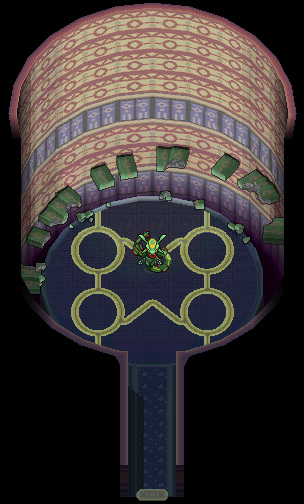
Hidden in the cliffs of the new Route 47, west of Cianwood, the Embedded Tower is an ancient shrine raised by people from Hoenn. Legend says its peak once reached the sky while its roots ran through the rock into the ocean, joining land, sea and sky. Its Japanese name means a buried tower. The markings on its floor change to match whichever Pokémon is being called. With the Blue Orb in HeartGold, Kyogre rises there; with the Red Orb in SoulSilver, Groudon appears, both at Lv. 50. The Jade Orb from Professor Oak calls Rayquaza to the same chamber. Pokémon Adventures later made it the place where Rayquaza was captured years earlier.
Pokémon of note: Kyogre (HeartGold, Lv. 50), Groudon (SoulSilver, Lv. 50), Rayquaza (Lv. 50, with the Jade Orb). Items: Blue Orb (HeartGold), Red Orb (SoulSilver), Jade Orb.


Sinjoh Ruins
A secret valley that can only be reached by walking into the Ruins of Alph research centre with an event Arceus as the walking Pokémon, the Sinjoh Ruins mix the styles of Sinnoh and Johto, and its name blends the two. People from both regions are said to have built it as a temple to Arceus. A Hiker greets the player, and Cynthia waits in a cabin, guarding the Mystri Stage until Arceus is the only Pokémon in the party. There Arceus creates Dialga, Palkia or Giratina at Lv. 1, each holding its orb. The event works twice at most, once for each kind of Arceus, and on the second visit Cynthia has gone home.
Pokémon of note: Arceus (event), Dialga, Palkia or Giratina (Lv. 1), Unown. Items: Adamant Orb, Lustrous Orb, Griseous Orb (its only legitimate source in these games).

Mt. Silver
The mountain on the border of Johto and Kanto is closed until the player holds all sixteen Badges and Professor Oak gives his permission. Route 28 climbs from Kanto to a Pokémon Center at its foot, and inside, Mt. Silver Cave needs Flash in its first dark chamber. The rocky slopes are home to strong wild Pokémon, and Moltres waits inside the cave at Lv. 50. The path finally opens onto the snowy summit, where Red stands alone; his Lv. 88 Pikachu remained the highest-levelled Pokémon of any ordinary opponent until Legends: Z-A in 2025. A Reaper Cloth lies in a corner reached by Surf.
Pokémon of note: Red’s Pikachu (Lv. 88), Moltres (Lv. 50), Ursaring, Donphan, Sneasel, Rapidash and Dodrio. Items: Reaper Cloth (needs Surf), Full Restore (hidden near the Pokémon Center).
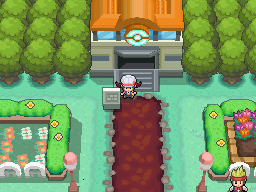
Pal Park, Fuchsia City
Fuchsia’s old Safari Zone, long closed in Gold and Silver, has become Pal Park, the work of the Safari Zone owner Baoba’s son. It is the remakes’ bridge to the Game Boy Advance. With a Ruby, Sapphire, Emerald, FireRed or LeafGreen cartridge in the GBA slot of a DS or DS Lite, up to six Pokémon at a time can migrate across. They are then caught again in the park’s Catching Show with Park Balls. Moves are one-way only, so nothing goes back to the older games. It is also the main way to bring Pokémon such as Regirock, Regice and Registeel into the remakes without trading.
Pokémon of note: Pokémon migrated from Ruby, Sapphire, Emerald, FireRed or LeafGreen, Regirock, Regice and Registeel from a Hoenn save, Jirachi and Deoxys from a GBA save. Items: Park Balls (used only in the Catching Show).
Cerulean Cave
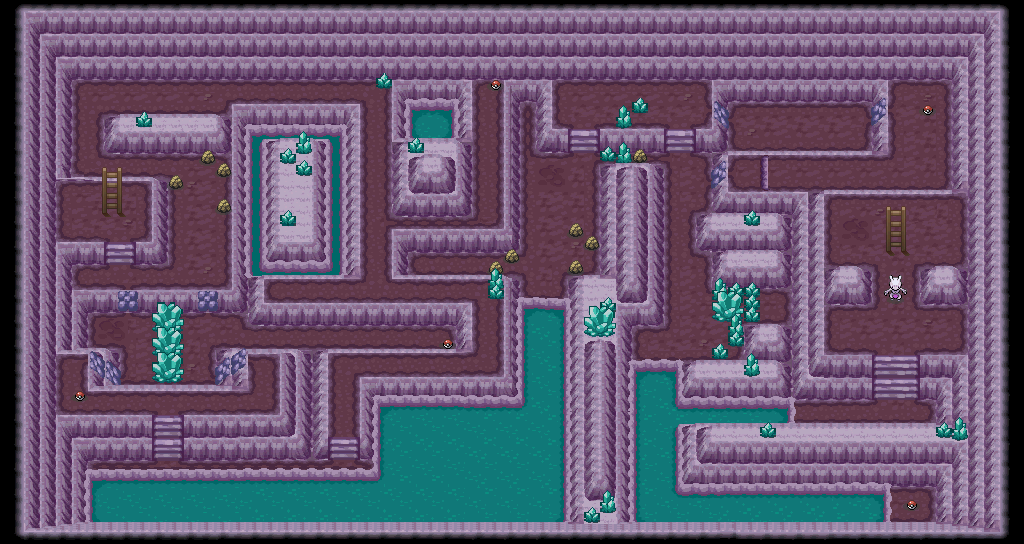
Sealed off in Gold and Silver, the cave north of Cerulean City reopens in the remakes. Surfing down Route 24 leads to its entrance, where a guard lets in only Trainers who have all eight Kanto Badges and have entered the Hall of Fame. Its first two floors follow the FireRed and LeafGreen layout and its basement follows Yellow’s, now with breakable rocks and Rock Climb walls. At the deepest point Mewtwo waits at Lv. 70, and it comes back after the next Hall of Fame entry if it is beaten or escapes. TM24 Thunderbolt and an Electirizer are among the finds.
Pokémon of note: Mewtwo (Lv. 70), Ditto, Wobbuffet, Electrode, Kadabra and Machoke, Makuhita, Absol, Chingling and Bronzor (special encounters). Items: TM24 Thunderbolt, Electirizer, Dusk Stone, Odd Incense and Sea Incense.
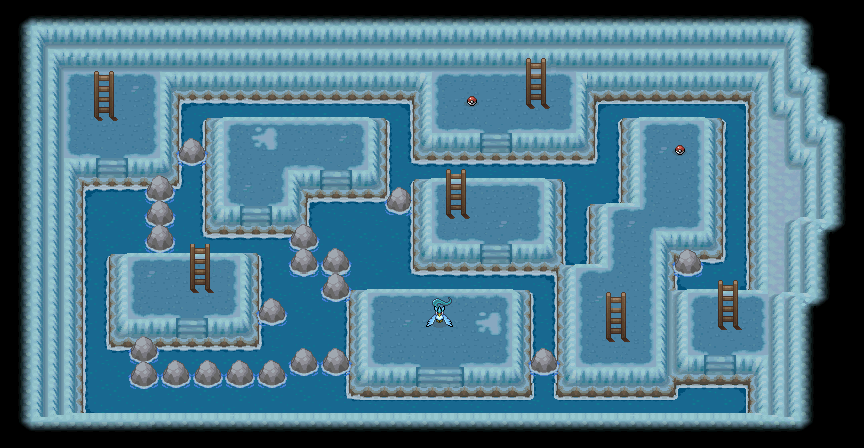

Cinnabar Island and the Seafoam Islands
Since a volcanic eruption some time after the first games, Cinnabar Island has lain in ruins, with only its Pokémon Center still standing. Blue waits alone among the ruins and tells the player that Blaine has moved his Gym into a cave on the Seafoam Islands. Blaine battles there with Magmar, Magcargo and a Lv. 59 Rapidash for the Volcano Badge. Unlike Gold and Silver, the remakes restore the full Seafoam Islands cave, and with it Articuno, which waits at Lv. 50. Blaine later turns up on Cinnabar on Tuesdays, where the player can swap numbers for a rematch.
Pokémon of note: Articuno (Lv. 50), Blaine’s Rapidash (Lv. 59), Magmar and Magcargo (Lv. 54). Items: Volcano Badge.
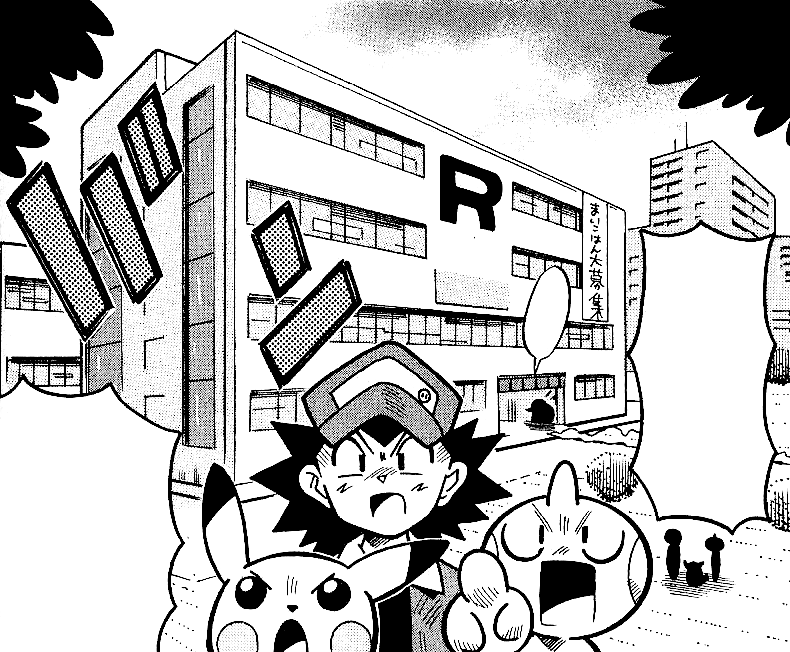
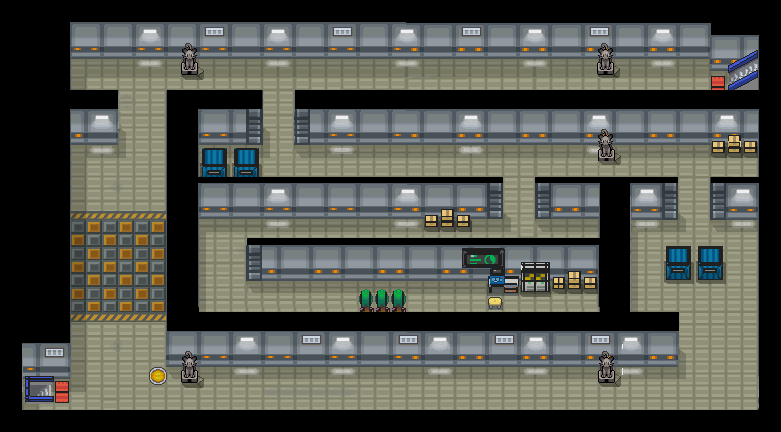
Goldenrod Radio Tower and the Team Rocket HQ
Team Rocket’s revival runs through two buildings. Beneath a Mahogany Town shop, their hideout hides a transmitter powered by three Electrode, which drives the Lake of Rage Magikarp to evolve. Lance and the player clear it, beating Petrel disguised as Giovanni and then Ariana. The Executives then seize Goldenrod’s Radio Tower to call their missing boss back. The player slips in wearing a Rocket uniform, wins the Basement Key from the overly helpful Petrel, frees the real Director in the underground warehouse and climbs to Archer at the top, who disbands Team Rocket once more. The grateful Director hands over a legendary’s wing.
Pokémon of note: Electrode x3 (Lv. 23, powering the transmitter), Archer’s Houndoom (Lv. 38), Petrel’s Weezing (Lv. 32), Proton’s Weezing (Lv. 33). Items: Basement Key, Card Key, Rainbow Wing (HeartGold) or Silver Wing (SoulSilver).
Johto and Kanto, town by town
The in-game maps of the places you pass through, west to east.


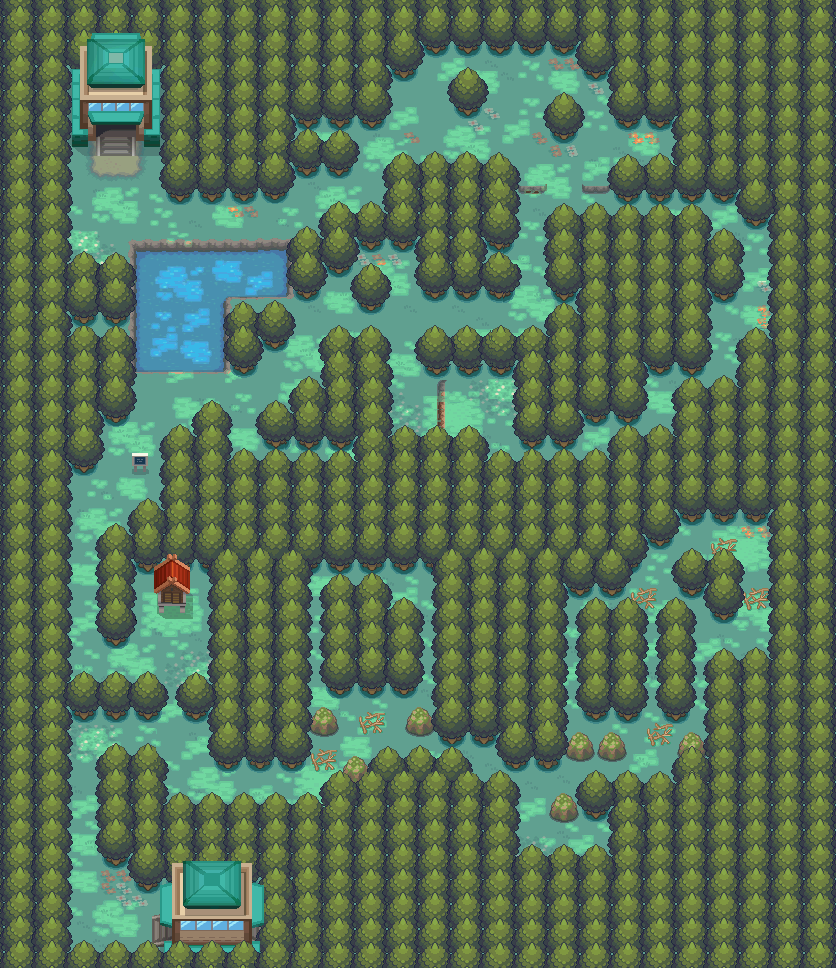

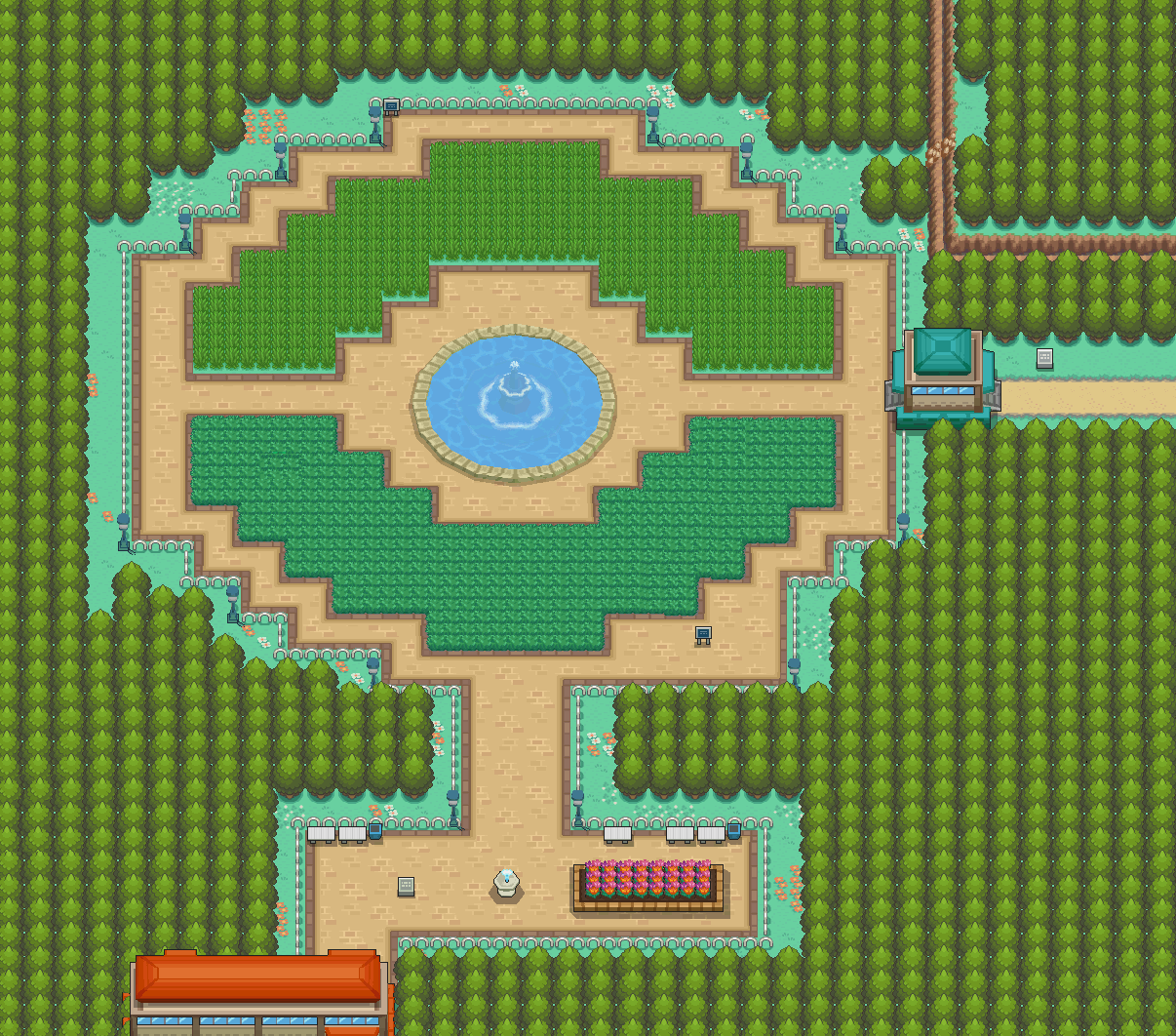
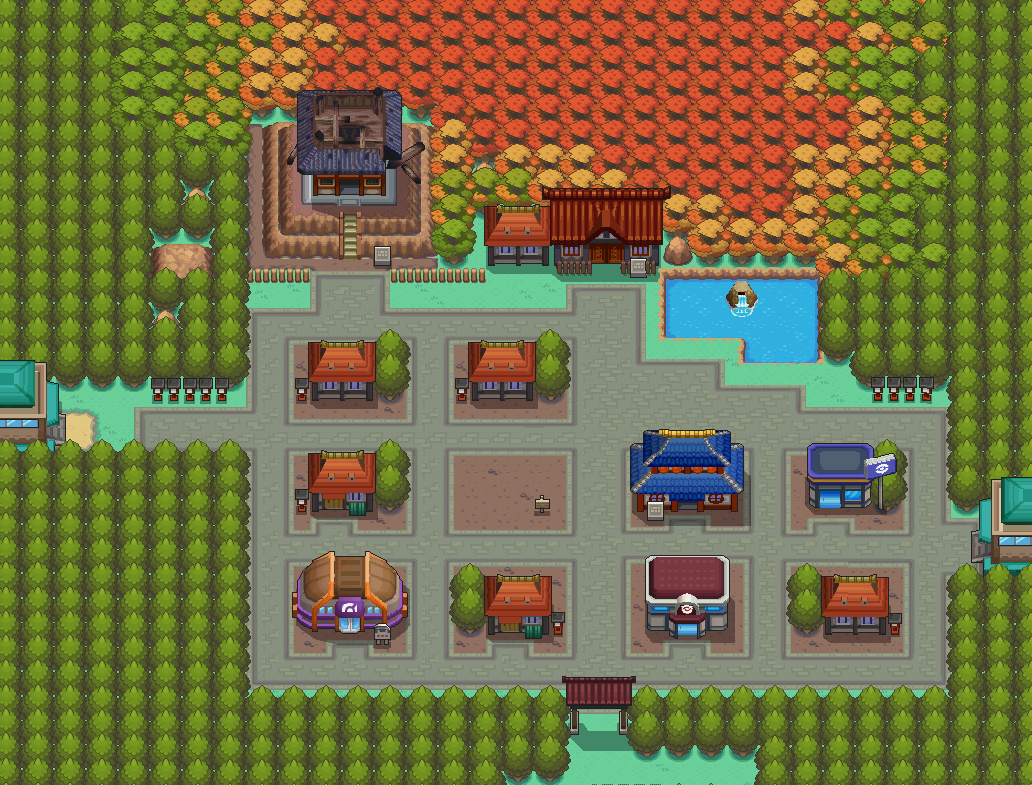


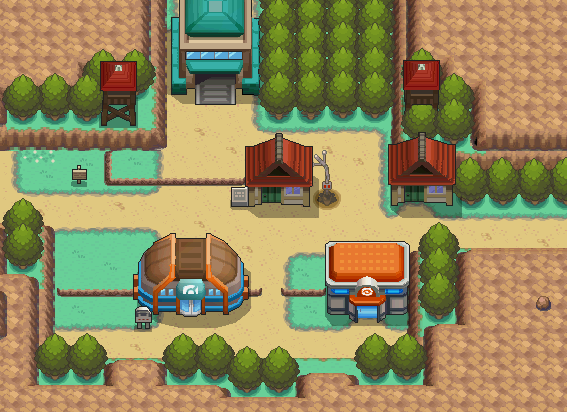
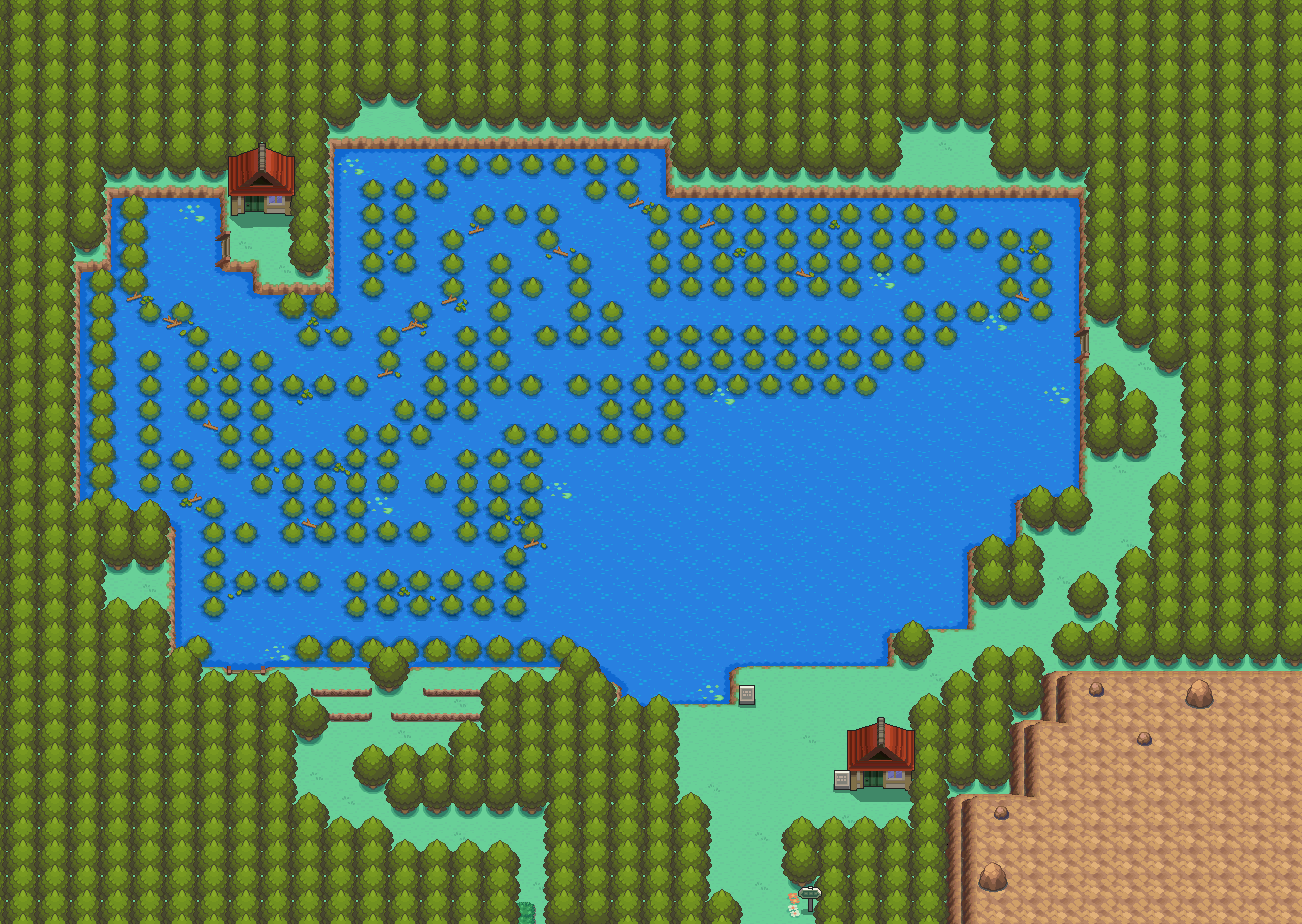

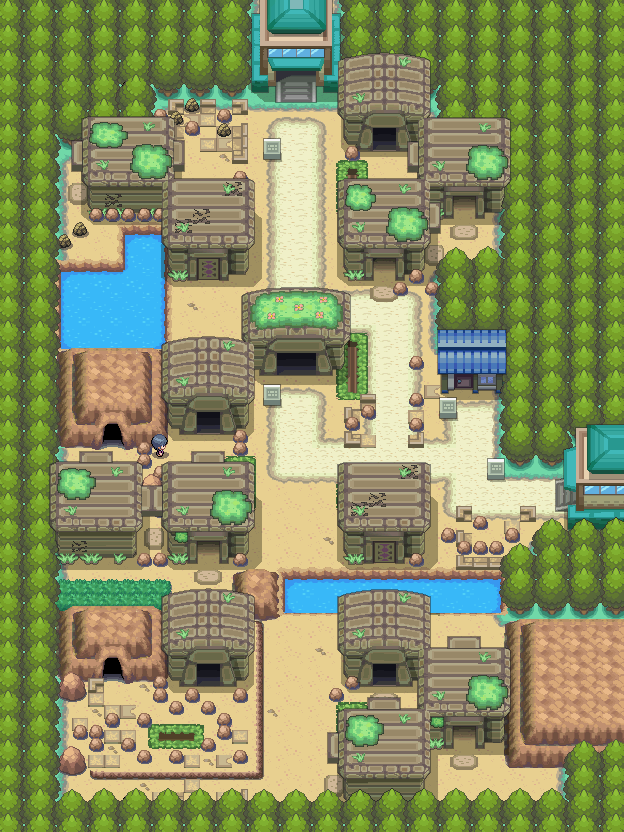
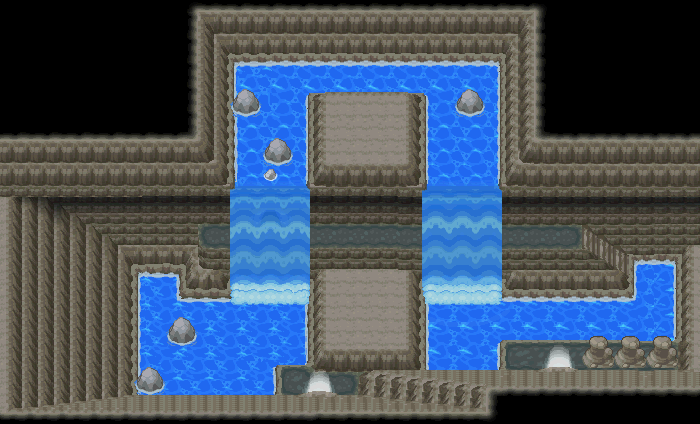
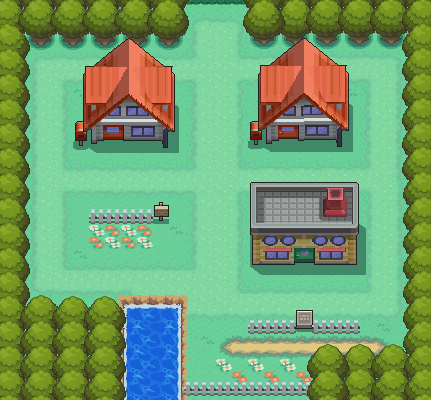
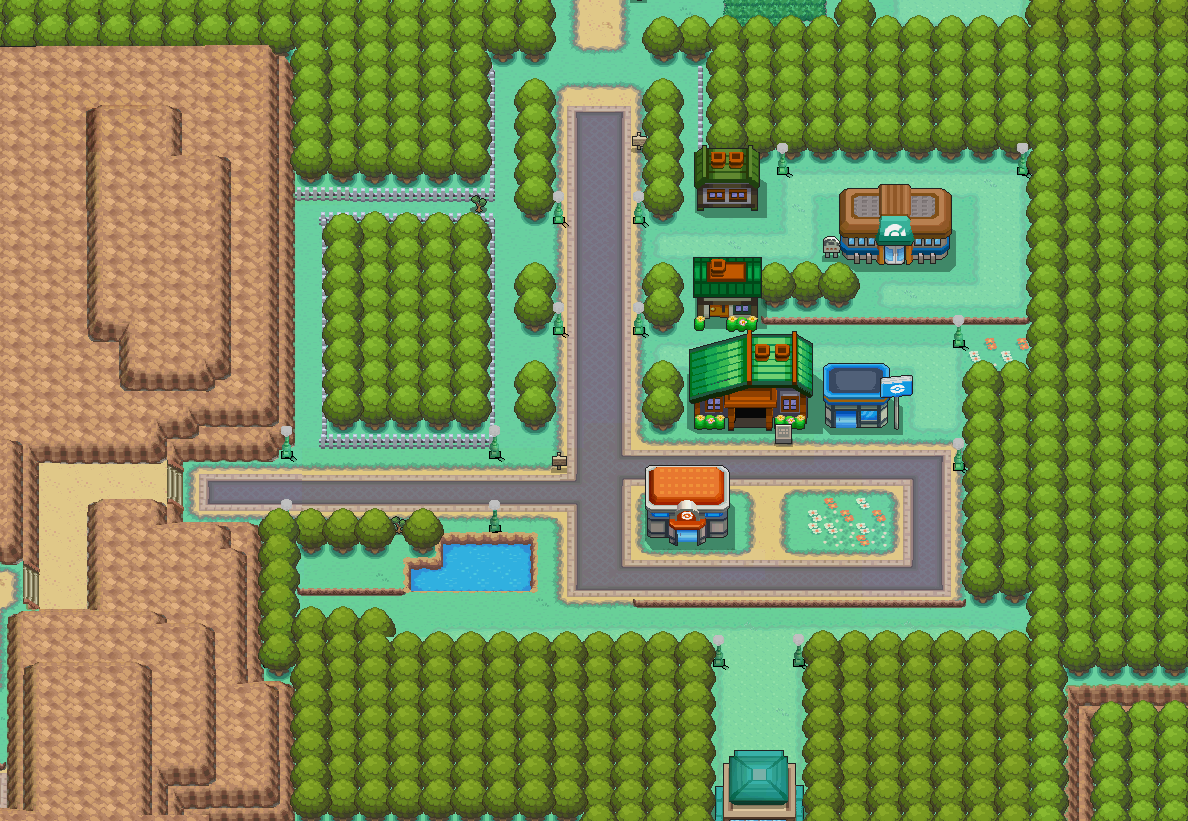
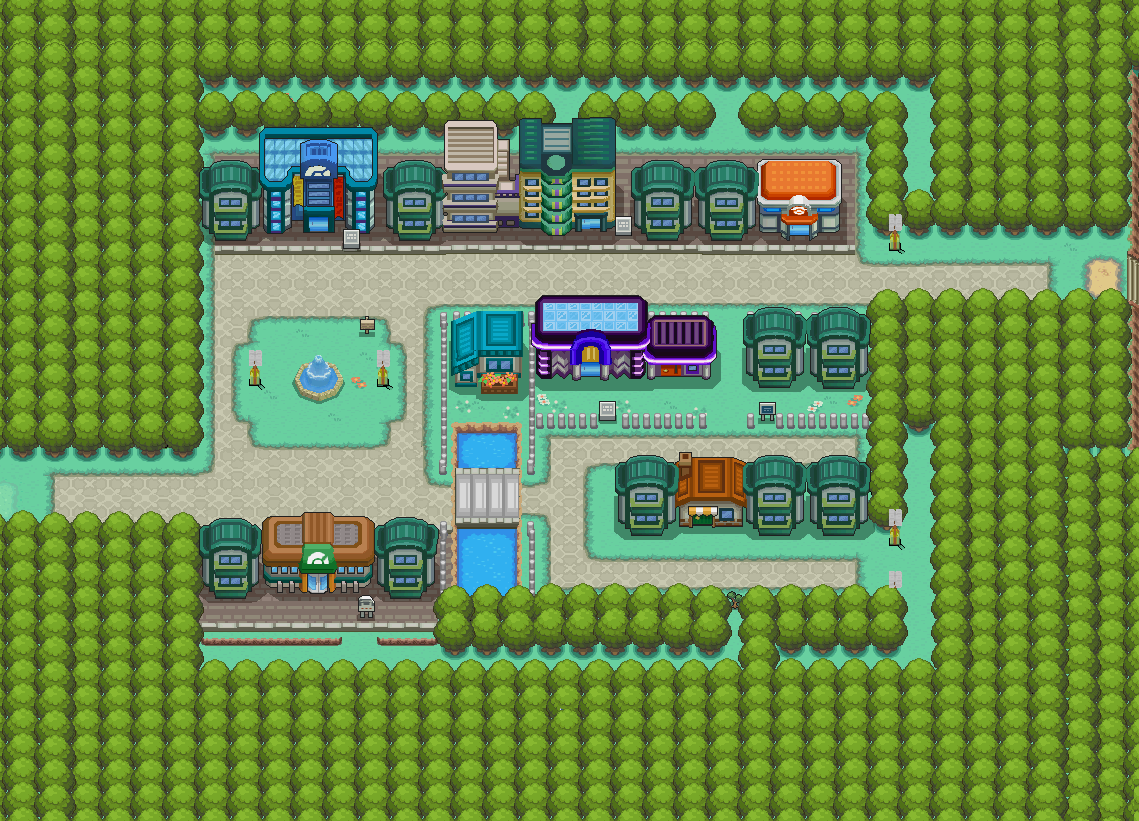


Can I catch them all?
Both Pokémon HeartGold and Pokémon SoulSilver feature Pokémon from all four generations to date, including most of the Legendaries, although 45 of the 493 can’t be caught on one cartridge (see below). The Pokémon put at the top of the player’s party and chosen as their partner will now appear behind the player and follow them around, except in certain locations or during certain actions like Surfing or cycling. If the Pokémon is big in size it won’t follow the player indoors. Some Pokémon cannot be encountered within the games, while some others are only present in one of the games. The Swarm Pokémon feature also returns with the remakes, allowing the player to catch specific Pokémon after listening to radio broadcasts about their locations on the map.
Version exclusives
Version exclusives: 21 species are only found in HeartGold and 19 only in SoulSilver, and as in Gold and Silver the split includes the fossils, with the Helix and Claw lines in HeartGold and the Dome and Root lines in SoulSilver.
Exclusive to HeartGold
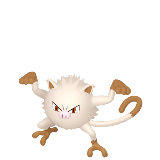 Mankey#056
 Primeape#057
 Growlithe#058
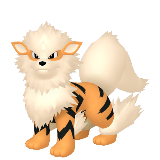 Arcanine#059
 Omanyte#138
 Omastar#139
 Spinarak#167
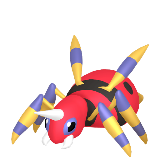 Ariados#168
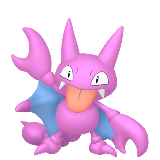 Gligar#207
 Mantine#226
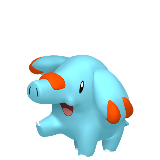 Phanpy#231
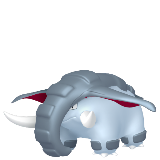 Donphan#232
 Sableye#302
 Baltoy#343
 Claydol#344
 Anorith#347
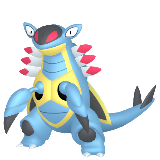 Armaldo#348
 Latias#380
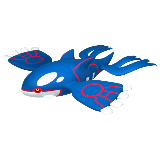 Kyogre#382
 Mantyke#458
 Gliscor#472
Ho-Oh is met first, at Lv. 45, and Kyogre waits in the Embedded Tower. Latias roams Kanto.
Exclusive to SoulSilver
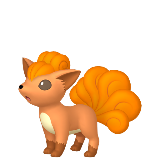 Vulpix#037
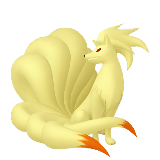 Ninetales#038
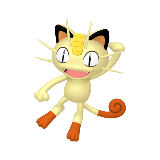 Meowth#052
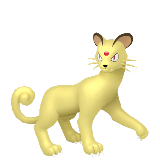 Persian#053
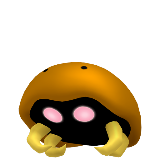 Kabuto#140
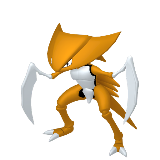 Kabutops#141
 Ledyba#165
 Ledian#166
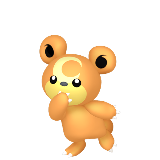 Teddiursa#216
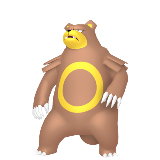 Ursaring#217
 Delibird#225
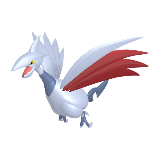 Skarmory#227
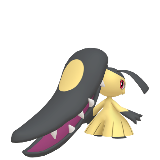 Mawile#303
 Gulpin#316
 Swalot#317
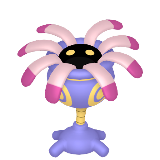 Lileep#345
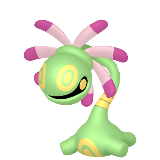 Cradily#346
 Latios#381
 Groudon#383
Lugia is met first, at Lv. 45, and Groudon waits in the Embedded Tower. Latios roams Kanto.
Ho-Oh and Lugia are in both games; only the order and the level change. Whichever you pick, the other version’s Latias or Latios could only be met through the Enigma Stone event.
Pokémon uncatchable in HeartGold and SoulSilver
These are the Pokémon that never appear in either game:
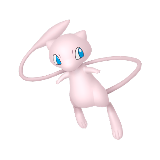 Mew#151
 Celebi#251
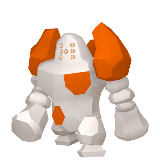 Regirock#377
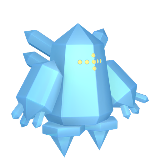 Regice#378
 Registeel#379
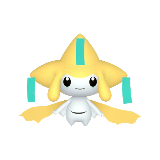 Jirachi#385
 Deoxys#386
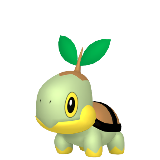 Turtwig#387
 Grotle#388
 Torterra#389
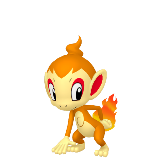 Chimchar#390
 Monferno#391
 Infernape#392
 Piplup#393
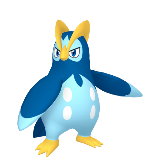 Prinplup#394
 Empoleon#395
 Cranidos#408
 Rampardos#409
 Shieldon#410
 Bastiodon#411
 Drifloon#425
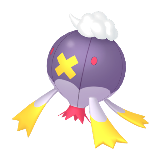 Drifblim#426
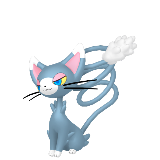 Glameow#431
 Purugly#432
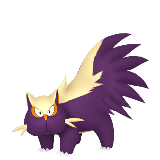 Stunky#434
 Skuntank#435
 Magnezone#462
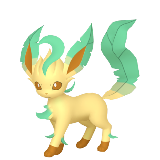 Leafeon#470
 Glaceon#471
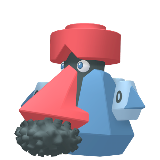 Probopass#476
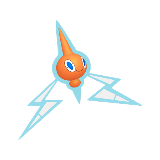 Rotom#479
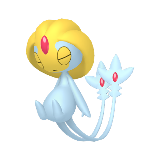 Uxie#480
 Mesprit#481
 Azelf#482
 Heatran#485
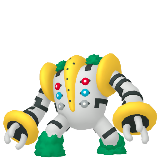 Regigigas#486
 Cresselia#488
 Phione#489
 Manaphy#490
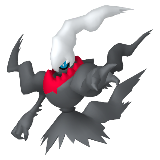 Darkrai#491
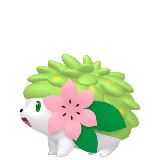 Shaymin#492
 Arceus#493
Forty-two species never appear at all, and Dialga, Palkia and Giratina only come from the Sinjoh Ruins with an event Arceus, which makes 45 that one cartridge and its Pokéwalker cannot supply. Most trade in from Diamond, Pearl or Platinum; the Regis, Jirachi and Deoxys can also cross through Pal Park from a Game Boy Advance save, and Pokémon Ranger: Guardian Signs could send Deoxys, Shaymin, Heatran and a Manaphy Egg. At most 429 in HeartGold and 427 in SoulSilver on one save without trading, events, Pal Park or other games: 493, minus the 45 species listed above, minus the other version’s exclusives (19 missing from HeartGold, 21 from SoulSilver). The true figure is lower, because trade evolutions such as Alakazam, Machamp, Golem, Gengar, Scizor and Porygon2 cannot be completed on one system unless they turn up already evolved; Jasmine’s Steelix trade is the exception that helps.
Swarm Pokémon
Professor Oak’s radio show names the day’s swarm, and 22 Pokémon take turns. Four of them (Qwilfish, Remoraid, Whiscash and Relicanth) need a fishing rod, and Wingull, Clamperl and Luvdisc need Surf.
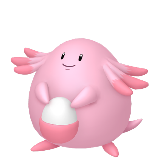 ChanseyRoute 13
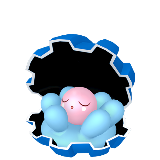 ClamperlRoute 19
 DittoRoute 47
 WhiscashViolet City
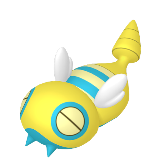 DunsparceDark Cave
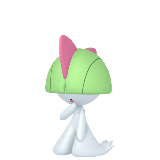 RaltsRoute 34
 YanmaRoute 35
- SableyeRoute 9 (HG)
 MarillMt. Mortar
- MawileRoute 9 (SS)
 PoochyenaRoute 1
 SwabluRoute 45
 QwilfishRoute 32
- BaltoyRoute 3 (HG)
 RemoraidRoute 44
 RelicanthRoute 12
 WingullVermilion City
 BunearyRoute 25
 SnubbullRoute 38
 KricketotViridian Forest
 LuvdiscRoute 27
- GulpinRoute 3 (SS)
What the remakes add that Gold & Silver never had
- Hoenn and Kanto starters – Treecko, Torchic or Mudkip from Steven at Silph Co., and Bulbasaur, Charmander or Squirtle from Professor Oak, both after Red.
- Kyogre, Groudon and Rayquaza – In the Embedded Tower on Route 47 at Lv. 50, one orb at a time.
- Latias and Latios – One roams Kanto at Lv. 35 after the player meets Steven in Vermilion City.
- Mewtwo – Cerulean Cave reopens, with Mewtwo at Lv. 70.
- Articuno and the restored Seafoam Islands – The full cave returns, with Articuno at Lv. 50.
- Dialga, Palkia and Giratina – Created by an event Arceus at the Sinjoh Ruins, at Lv. 1.
- Hoenn and Sinnoh species in the wild – Through Headbutt trees, swarms, the Bug-Catching Contest, the Safari Zone, Hoenn and Sinnoh Sounds on the radio and Pokéwalker courses.
- Generation IV relatives in the Johto Pokédex – The regional Pokédex grows from 251 to 256 entries with five Generation IV evolutions of Johto Pokémon.
- Spiky-eared Pichu – Met at the Ilex Forest shrine at Lv. 30 when an event Pikachu-coloured Pichu leads the party.
- Deoxys, Manaphy, Shaymin and Heatran – Sent from special missions in Pokémon Ranger: Guardian Signs.
Starter Pokémon
The Johto starters, with how each one fares in the remakes:
 ChikoritaGrass · Bayleef (16) → Meganium (32)
 CyndaquilFire · Quilava (14) → Typhlosion (36)
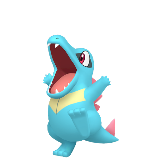 TotodileWater · Croconaw (18) → Feraligatr (30)
- Chikorita: The hard-mode pick: Falkner, Bugsy and Morty all trouble it, and Whitney’s Miltank is no easier. It rewards patience with bulk and Reflect, and Silver takes Cyndaquil.
- Cyndaquil: The smoothest start, with a clear edge over Bugsy, Jasmine and Pryce. Silver takes Totodile, and Typhlosion’s special attack carries it through Kanto.
- Totodile: A steady physical attacker that reaches its final form earliest, at Lv. 30, and handles Blaine and Brock in Kanto. Silver takes Chikorita, and Feraligatr later learns several HMs.
Legendary and Mythical Pokémon
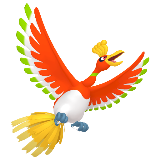 Ho-OhBell Tower
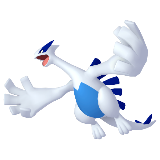 LugiaWhirl Islands
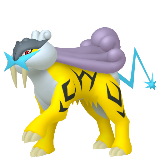 RaikouRoams Johto
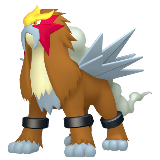 EnteiRoams Johto
 SuicuneCerulean Cape
 ArticunoSeafoam Islands
 ZapdosPower Plant
 MoltresMt. Silver
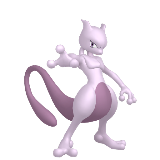 MewtwoCerulean Cave
- KyogreEmbedded Tower (HG)
- GroudonEmbedded Tower (SS)
 RayquazaEmbedded Tower
- LatiasRoams Kanto (HG)
- LatiosRoams Kanto (SS)
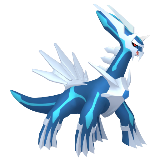 DialgaSinjoh Ruins
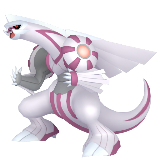 PalkiaSinjoh Ruins
 GiratinaSinjoh Ruins
- CelebiEvent only
- MewNot available
- ArceusEvent only
Ho-Oh – Lv. 45 (HeartGold) / 70 (SoulSilver), Bell Tower, Ecruteak City. HeartGold: the Radio Director’s Rainbow Wing and the Clear Bell from the Kimono Girls; compulsory before the League. SoulSilver: the Rainbow Wing from an old man in Pewter City. Returns after the next Hall of Fame entry if beaten.
Lugia – Lv. 45 (SoulSilver) / 70 (HeartGold), Whirl Islands (lowest floor, via the northeastern island). SoulSilver: the Radio Director’s Silver Wing and the Tidal Bell from the Kimono Girls; compulsory before the League. HeartGold: the Silver Wing from an old man in Pewter City.
Raikou – Lv. 40, Roams Johto. Released at the Burned Tower; flees from battle, so wear it down over several encounters.
Entei – Lv. 40, Roams Johto. Released at the Burned Tower; roams like Raikou.
Suicune – Lv. 40, Route 25 (Cerulean Cape). After a series of sightings with Eusine across Johto and Kanto, it waits to be battled on Route 25.
Articuno – Lv. 50, Seafoam Islands. Waits deep in the restored cave.
Zapdos – Lv. 50, Route 10, outside the Power Plant. Appears once the Machine Part has been returned to the Power Plant.
Moltres – Lv. 50, Mt. Silver Cave. Needs access to Mt. Silver, so all 16 Badges.
Mewtwo – Lv. 70, Cerulean Cave (deepest floor). The guard admits only Trainers with the eight Kanto Badges who have entered the Hall of Fame.
Kyogre – Lv. 50, Embedded Tower, Route 47. HeartGold only: after Red, take a Kanto starter from Oak, then collect the Blue Orb from Mr. Pokémon.
Groudon – Lv. 50, Embedded Tower, Route 47. SoulSilver only: after Red, take a Kanto starter from Oak, then collect the Red Orb from Mr. Pokémon.
Rayquaza – Lv. 50, Embedded Tower, Route 47. Show Professor Oak a Kyogre and a Groudon both caught in the Embedded Tower (one must be traded from the other version) to receive the Jade Orb.
Latias – Lv. 35 (roaming) / 40 (Pewter City), Roams Kanto (HeartGold) / Pewter City (SoulSilver). HeartGold: starts roaming after the player meets Steven in Vermilion City. SoulSilver: met in Pewter City only with the event Enigma Stone.
Latios – Lv. 35 (roaming) / 40 (Pewter City), Roams Kanto (SoulSilver) / Pewter City (HeartGold). SoulSilver: starts roaming after the player meets Steven in Vermilion City. HeartGold: met in Pewter City only with the event Enigma Stone.
Dialga – Lv. 1, Sinjoh Ruins. Choose it on the Mystri Stage with an event Arceus; it arrives holding the Adamant Orb.
Palkia – Lv. 1, Sinjoh Ruins. Choose it on the Mystri Stage with an event Arceus; it arrives holding the Lustrous Orb.
Giratina – Lv. 1, Sinjoh Ruins. Choose it on the Mystri Stage with an event Arceus; it arrives holding the Griseous Orb.
Celebi – Lv. 50 (2010–2011 distributions), Event only. An event Celebi taken to the Ilex Forest shrine starts the trip into the past and the Giovanni battle.
Mew – Not available. Has to be brought in from another game.
Arceus – Lv. Varies by event, Event only. Walking with an event Arceus into the Ruins of Alph research centre opens the Sinjoh Ruins.
The Sinjoh Ruins and the Spiky-eared Pichu
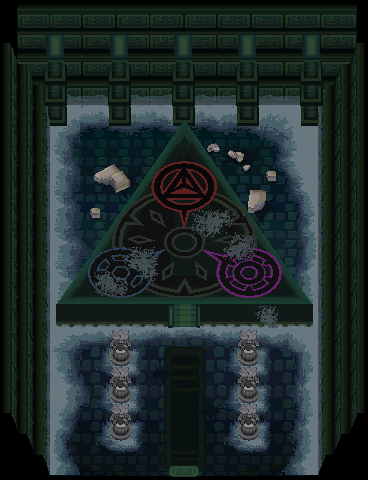
Two event Pokémon unlock scenes no other game has. Walk into the Ruins of Alph research centre with an event Arceus leading the party and the hiker there leads you to the Sinjoh Ruins, where Cynthia explains the Mystri Stage. Arceus is placed on it and creates Dialga, Palkia or Giratina at Lv. 1, each holding its orb. A Pikachu-coloured Pichu from the 2009 and 2010 events, led to the Ilex Forest shrine, meets the Spiky-eared Pichu, a Lv. 30 female that cannot be traded or evolved and never leaves these games.

Gift Pokémon and in-game trades
Pokémon you are simply handed:
- Chikorita, Cyndaquil or Totodile – New Bark Town (Professor Elm). Chosen at the start, at Lv. 5
- Togepi (Egg) – Violet City (Professor Elm’s aide). Mr. Pokémon’s mystery Egg, handed over after Falkner; Togepi hatches knowing Extrasensory
- Mareep, Wooper or Slugma (Egg) – Violet City (Primo). Given for telling Primo the right password
- Spearow – Route 35 (Webster). Lv. 20, carrying Mail to deliver
- Eevee – Goldenrod City (Bill). Lv. 5, after meeting Bill in Ecruteak City
- Shuckle – Cianwood City (Kirk). Lv. 20, holding Berry Juice; can be returned later
- Tentacool – Cianwood City Pokémon Center. Lv. 15, only if the party holds a single Pokémon and the PC is empty
- Tyrogue – Mt. Mortar (Kiyo). Lv. 10, after beating the Karate King
- Dratini – Dragon’s Den shrine. Lv. 15, after the Dragon Master’s quiz; it knows ExtremeSpeed if every answer was right
- Bulbasaur, Charmander or Squirtle – Pallet Town (Professor Oak). Lv. 5, after Red
- Treecko, Torchic or Mudkip – Silph Co., Saffron City (Steven). Lv. 5, after Red
- Manaphy (Egg) – Poké Mart delivery. Sent from a Pokémon Ranger special mission
In-game trades: ten this time, two of them new and one that takes any Pokémon at all.
| You give | You get | Where |
|---|---|---|
| Bellsprout | Onix (Rocky) | Violet City |
| Drowzee | Machop (Muscle), holding a Macho Brace | Goldenrod Department Store |
| Krabby | Voltorb (Billy) | Olivine City |
| Dragonair | Dodrio (Doris), holding a Smoke Ball | Blackthorn City |
| Haunter | Xatu (Paul) | Pewter City |
| Dugtrio | Magneton (Maggie), holding a Metal Coat | Kanto Power Plant |
| Pikachu | Pikachu (Volty), a foreign-language Pikachu holding a Yellow Shard | Saffron City |
| Forretress | Beldum (Iron), from Steven | Silph Co., Saffron City |
| Bonsly | Rhyhorn (Hornlette), from Brock, knowing Thunder Fang | Diglett’s Cave (Saturdays, 5–8 p.m., after beating Brock) |
| Any Pokémon | Steelix (Rusty), from Jasmine, holding a Soothe Bell | Olivine Gym (1–2 p.m., after her rematch) |
Compatibility with other titles
Thanks to the Nintendo Wi-Fi Connection feature, the player could battle and trade with other players who owned the same games until the service closed in May 2014. They can also link the game to the rest of the fourth-generation Pokémon games, including Pokémon Pearl and Diamond and Platinum, allowing the player to get the Pokémon which aren’t available in HeartGold and SoulSilver. Linking the games to Pokémon Ranger: Guardian Signs, after the player finished certain Wi-Fi missions there, enabled them to transfer the Legendary Deoxys to the remakes.
Local DS Wireless covers trades and battles, and Nintendo Wi-Fi Connection added the Global Trade Station in Goldenrod, the Wi-Fi Plaza and online battles until the service closed on 20 May 2014. The remakes trade freely with Diamond, Pearl and Platinum, which is how players fill the 45 gaps above, and Johto Pokémon can travel the other way. On a DS or DS Lite, Pal Park in Fuchsia City takes up to six Pokémon at a time from Ruby, Sapphire, Emerald, FireRed or LeafGreen through the Game Boy Advance slot; the DSi and 3DS lack that slot. The Pokéwalker links by infrared. Pokémon Ranger: Guardian Signs could send Deoxys, a Manaphy Egg, Shaymin and Heatran from special missions downloaded before the shutdown. Finally, Poké Transfer in Black and White moves Pokémon onward to Generation V, the first step towards Pokémon Bank and HOME.
Characters & Team Rocket
Two new heroes, a rival with a secret, four Rocket Executives who finally have names, and the Trainer waiting at the top of the mountain.


Ethan
The boy hero of Gold and Silver, known as Gold, returns redesigned for the DS and with a new name: Hibiki in Japanese and Ethan in English. Choose him and Lyra becomes the friendly neighbour who teaches catching on Route 29; choose Lyra and he takes on that helping role instead. His story is the classic Johto journey, from Elm’s errand to Red on Mt. Silver. Pokémon Adventures keeps Gold as its counterpart, and Ethan later joined Pokémon Masters EX as a sync pair.


Lyra
Lyra, Kotone in Japanese after the sound of the koto, is the remakes’ new girl hero and takes the place of Crystal’s Kris. With her large white hat, dungarees and twin pigtails, she is an all-new character rather than a redrawn Kris. When Ethan is the player she is the girl next door with a Marill: she shows him how to catch Pokémon on Route 29, gives him the Fashion Case and the Vs. Recorder, and her grandparents run the Route 34 Day Care. In the anime she travels with Ash for five Diamond and Pearl episodes, DP143 to DP147, alongside Khoury. Pokémon Masters EX made her a sync pair with Chikorita on 17 September 2019, and her sync move forms a golden heart.

Silver, your rival
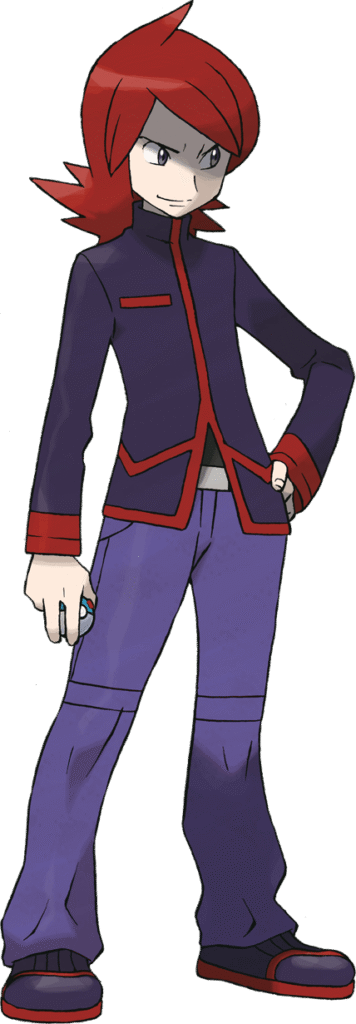
The red-haired thief who steals a starter from Elm’s lab keeps his Gold and Silver role, but the remakes fill in his story. His first battle lists him only as a ‘Passerby Boy’. At the Radio Tower he sees through the player’s Rocket disguise, and after Mt. Moon he fights alongside the player in a Dragon’s Den multi battle against Lance and Clair. His Golbat has become a Crobat, a sign he treats his Pokémon better, and he returns to Elm’s lab, where the professor lets him keep the stolen Pokémon. The Celebi event finally confirms that his father is Giovanni.

Red
Red, the Champion of the first games, has spent three years training alone on Mt. Silver’s summit. He speaks only in ellipses and waits for a challenger with all sixteen Badges. His team of Pikachu, Lapras, Snorlax and the three Kanto starters runs from Lv. 80 to Lv. 88, the toughest regular battle in the remakes. Beaten, he vanishes, only to return whenever the player beats the Elite Four again.
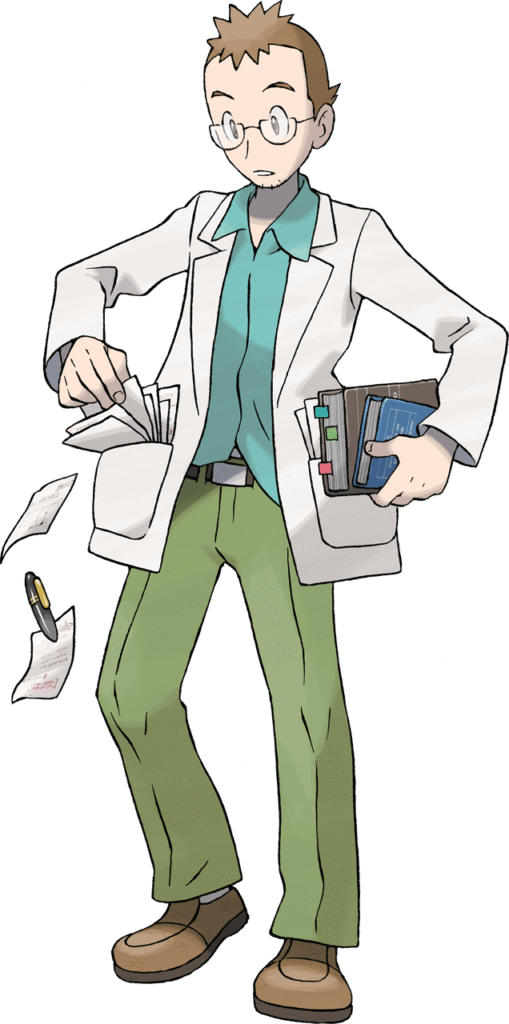
Professor Elm
Professor Elm of New Bark Town studies Pokémon Eggs and evolution, and gives the player their first partner before sending them to Mr. Pokémon. His lab now has an upper floor. He hands over the Master Ball after the eighth Badge and the S.S. Ticket after the League, and later lets Silver keep the starter he stole.
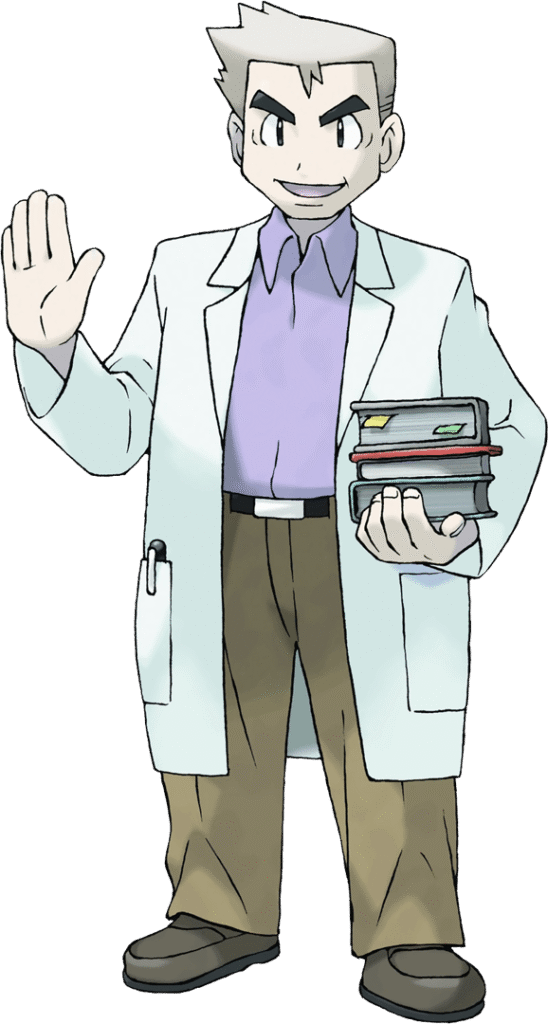
Professor Oak
Professor Oak hosts the radio’s Pokémon Talk, which now names the day’s swarm, and gives the player a Pokédex at Mr. Pokémon’s house. Once all sixteen Badges are won he lets the player into Mt. Silver. After Red he offers Bulbasaur, Charmander or Squirtle, and a Kyogre and Groudon from the Embedded Tower earn the Jade Orb for Rayquaza.
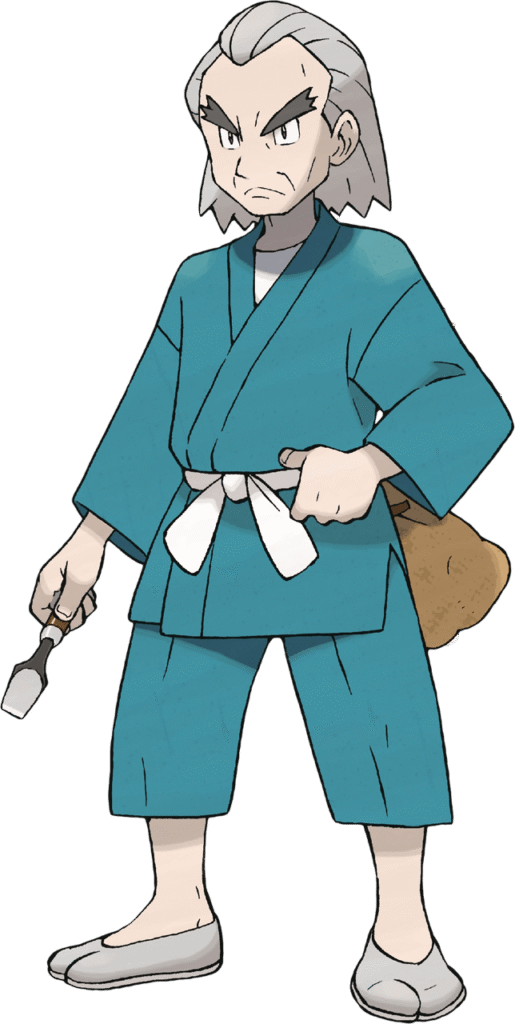
Kurt
Azalea Town’s Poké Ball craftsman turns the seven colours of Apricorn into Balls no shop sells, from the Fast Ball to the Moon Ball. He throws his back out rushing to the Slowpoke Well, leaves the player to clear out Team Rocket and thanks them with a Lure Ball. Afterwards he takes several Apricorns at once rather than one a day, a welcome change from Gold and Silver.


Lance
The Dragon-type Champion of the Indigo Plateau first appears at the Lake of Rage after the Red Gyarados and teams up with the player to raid Team Rocket’s Mahogany hideout. At the League his first team is Gyarados, Aerodactyl, Charizard and three Dragonite, led by a Lv. 50 Dragonite. In the post-game he and his cousin Clair take on the player and Silver in a multi battle at the Dragon’s Den, and his rematch team brings in Garchomp, Salamence and Altaria with a Lv. 75 Dragonite.

The Kimono Girls
Ecruteak’s five dancers, Zuki, Naoko, Miki, Sayo and Kuni, go from a side attraction to the heart of the remakes. Each is met alone in the story, and each has quietly watched over the player. After the eighth Badge all five battle in a row with Lv. 38 Eeveelutions, and three have swapped partners since Gold and Silver: Naoko now uses Espeon, Miki Flareon and Sayo Jolteon. Their dance then summons Ho-Oh or Lugia, clockwise in HeartGold and anticlockwise in SoulSilver.


Eusine
Eusine, the mystic from Crystal who has spent a decade chasing Suicune, returns in the remakes and is first met at the Burned Tower. His pursuit of the legendary runs alongside the player’s journey through Johto and into Kanto, and Suicune finally stops running at the Cerulean Cape on Route 25.

Giovanni
Team Rocket’s boss vanished after losing to Red, and the remakes finally show where he went. His Executives seize the Radio Tower to call him home. With an event Celebi, the Ilex Forest shrine sends the player three years into the past, where they see Silver confront his father on Route 22 over that defeat and Giovanni walk away from him. The player then battles him at Tohjo Falls, where his team is Nidoking, Honchkrow, Nidoqueen and Kangaskhan at Lv. 40–46, before he gives up his plan. He wears a black trench coat and fedora for the occasion, and the battle fills the gap left by Johto and Kanto’s lack of a Ground-type Leader.

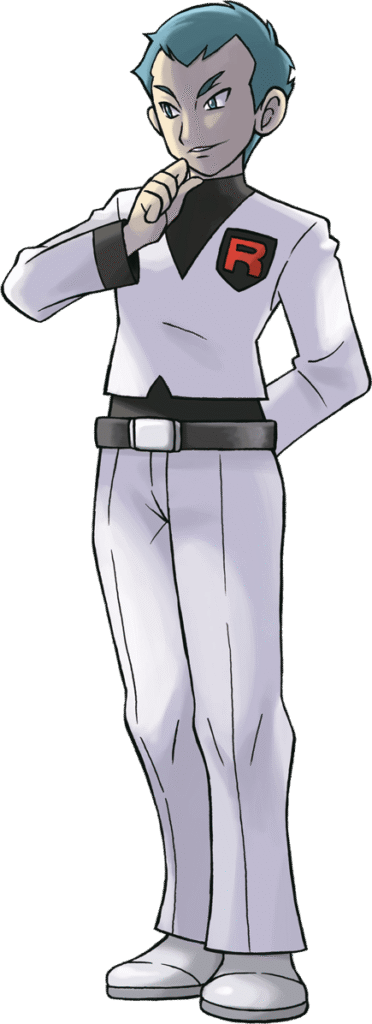
Archer, Rocket Executive
Archer, Apollo in Japanese, is the acting head of Team Rocket while Giovanni is missing. Unnamed in Gold and Silver, he gained a name and design in the remakes. He leads the Radio Tower takeover and waits at the top with Houndour, Koffing and a Lv. 38 Houndoom. After his defeat he disbands Team Rocket again.


Ariana, Rocket Executive
Ariana, Athena in Japanese, is the only female Executive in Johto, and her design is based on the original female Executive sprite. She guards the three Electrode that power the Mahogany hideout’s transmitter, then shares command with Archer during the Radio Tower takeover. She also appears in Pokémon Masters EX.


Proton, Rocket Executive
Proton, Lance in Japanese after the missile, is billed as the scariest and cruellest Rocket and loses his temper easily. He leads the Slowpoke tail trade at the Slowpoke Well and fights again at the Radio Tower with Golbat and Weezing.

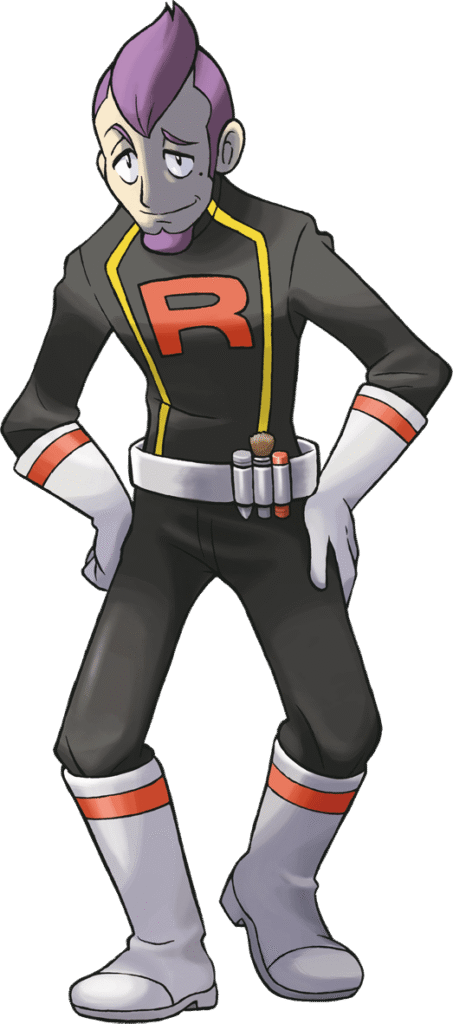
Petrel, Rocket Executive
Petrel, Lambda in Japanese, is Team Rocket’s master of disguise. He poses as Giovanni in the Mahogany hideout and as the Radio Director in Goldenrod, and he is oddly friendly, giving away passwords and the Basement Key.

Steven Stone and Cynthia
Four past Champions turn up. Lance holds the Indigo Plateau and Blue runs the Viridian Gym. Steven Stone visits Kanto in the post-game: at Silph Co. in Saffron he offers Treecko, Torchic or Mudkip after Red and trades a Beldum for a Forretress, and meeting him in Vermilion City sets Latias or Latios roaming. Cynthia waits in the Sinjoh Ruins cabin, where she explains the Mystri Stage to anyone who arrives with Arceus.
Gym Leaders
Sixteen Gyms, as in Gold and Silver: eight in Johto in a fixed order, then eight in Kanto that can be taken almost any way round, with Blue last. The Kanto Leaders are stronger than they were in 1999, every Leader now hands over a TM, and all sixteen can be rematched at Saffron’s Fighting Dojo with teams in the 50s and 60s.
The badge route – Johto in order, then Kanto in a sensible order, with each Leader’s ace, a team level to aim for and the TM they hand over:
- Zephyr BadgeFalkner · Violet CityFlying · ace Pidgeotto Lv. 13Aim for Lv. 12–14 · TM51 Roost
- Hive BadgeBugsy · Azalea TownBug · ace Scyther Lv. 17Aim for Lv. 17–19 · TM89 U-turn
- Plain BadgeWhitney · Goldenrod CityNormal · ace Miltank Lv. 19Aim for Lv. 20–22 · TM45 Attract
- Fog BadgeMorty · Ecruteak CityGhost · ace Gengar Lv. 25Aim for Lv. 25–27 · TM30 Shadow Ball
- Storm BadgeChuck · Cianwood CityFighting · ace Poliwrath Lv. 31Aim for Lv. 31–33 · TM01 Focus Punch
- Mineral BadgeJasmine · Olivine CitySteel · ace Steelix Lv. 35Aim for Lv. 35–37 · TM23 Iron Tail
- Glacier BadgePryce · Mahogany TownIce · ace Piloswine Lv. 34Aim for Lv. 35–37 · TM07 Hail
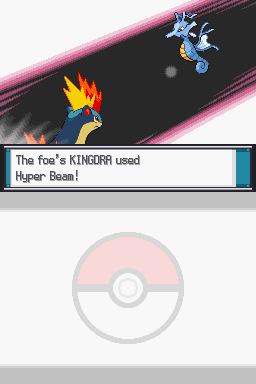
- Rising BadgeClair · Blackthorn CityDragon · ace Kingdra Lv. 41Aim for Lv. 41–43 · TM59 Dragon Pulse
- Thunder BadgeLt. Surge · Vermilion CityElectric · ace Electabuzz Lv. 53Aim for Lv. 50–54 · TM34 Shock Wave
- Marsh BadgeSabrina · Saffron CityPsychic · ace Alakazam Lv. 55Aim for Lv. 52–56 · TM48 Skill Swap
- Rainbow BadgeErika · Celadon CityGrass · ace Bellossom Lv. 56Aim for Lv. 52–56 · TM19 Giga Drain
- Soul BadgeJanine · Fuchsia CityPoison · ace Venomoth Lv. 50Aim for Lv. 48–52 · TM84 Poison Jab
- Cascade BadgeMisty · Cerulean CityWater · ace Starmie Lv. 54Aim for Lv. 50–54 · TM03 Water Pulse
- Boulder BadgeBrock · Pewter CityRock · ace Onix Lv. 54Aim for Lv. 52–56 · TM80 Rock Slide
- Volcano BadgeBlaine · Seafoam IslandsFire · ace Rapidash Lv. 59Aim for Lv. 54–58 · TM50 Overheat
- Earth BadgeBlue · Viridian CityMixed · ace Pidgeot Lv. 60Aim for Lv. 58–62 · TM92 Trick Room
The eight Johto Gym Leaders


 Violet Gym: Falkner
Team: Pidgey Lv. 9, Pidgeotto Lv. 13
Rematch: Staraptor Lv. 50, Noctowl Lv. 52, Swellow Lv. 52, Honchkrow Lv. 54, Pelipper Lv. 48, Pidgeot Lv. 56
Since Gold & Silver: Both Pokémon are two or four levels higher (Lv. 7 and Lv. 9 in Gold and Silver), and his TM changes from Mud-Slap to Roost.
Found at the Celadon Department Store on Mondays to swap numbers, Falkner takes rematch calls on Saturday mornings. His rematch team mixes Johto birds with Hoenn and Sinnoh flyers. Reward: TM51 Roost.

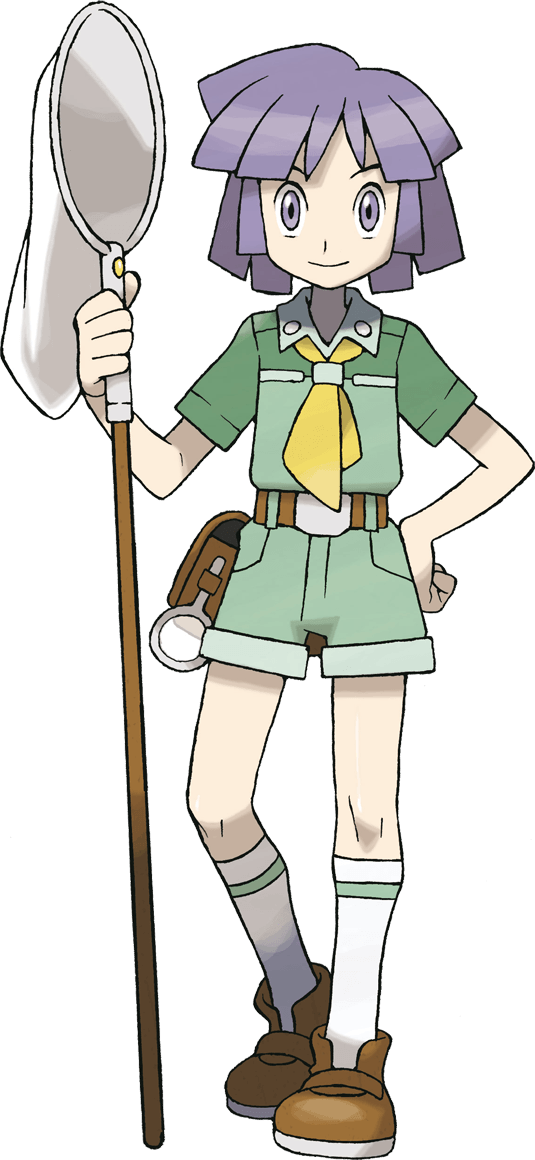
 Azalea Gym: Bugsy
Team: Metapod Lv. 15, Kakuna Lv. 15, Scyther Lv. 17
Rematch: Shedinja Lv. 48, Vespiquen Lv. 52, Pinsir Lv. 55, Heracross Lv. 54, Yanmega Lv. 52, Scizor Lv. 56
Since Gold & Silver: Each Pokémon is a level higher (Lv. 14, 14 and 16 before), and his TM changes from Fury Cutter to U-turn.
His Scyther is still the early-game wall, so a Fire, Flying or Rock attacker helps. He can be found in southern Viridian Forest on Thursdays for a Thursday afternoon rematch. Reward: TM89 U-turn.

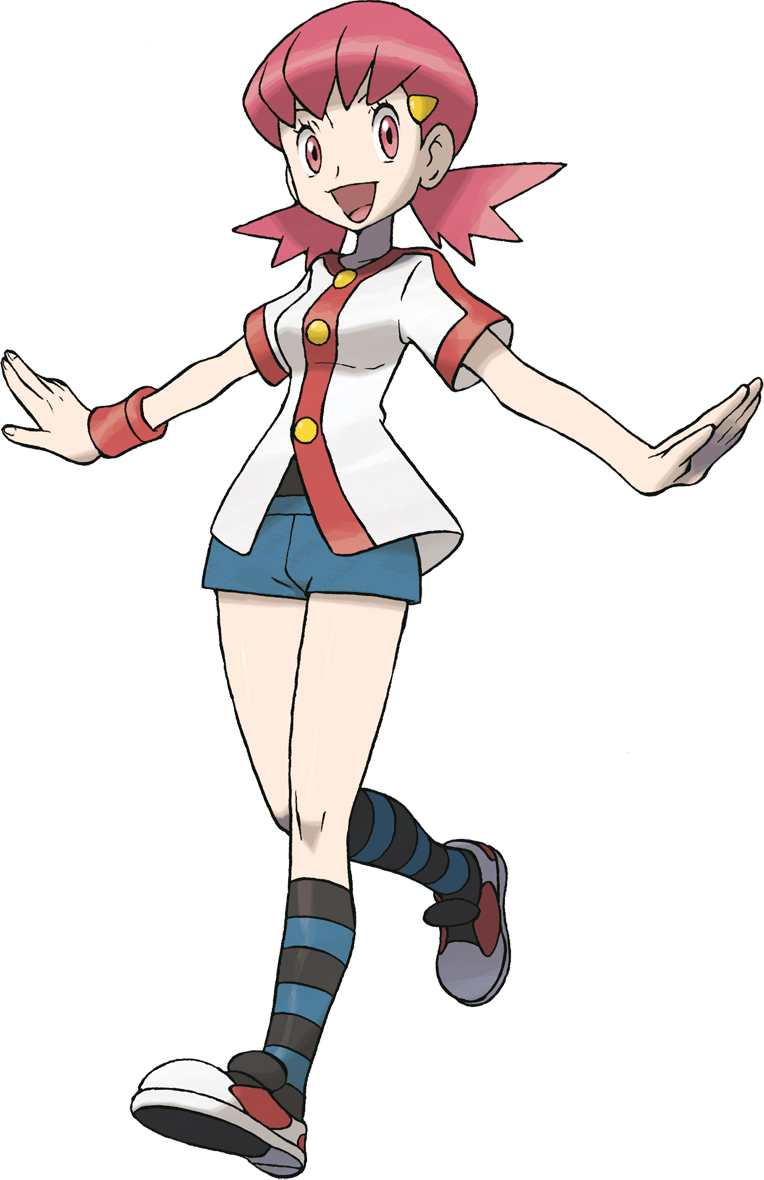
 Goldenrod Gym: Whitney
Team: Clefairy Lv. 17, Miltank Lv. 19
Rematch: Bibarel Lv. 54, Lickilicky Lv. 50, Clefable Lv. 52, Girafarig Lv. 52, Delcatty Lv. 54, Miltank Lv. 58
Since Gold & Silver: Both Pokémon are a level lower than in Gold and Silver (Lv. 18 and Lv. 20), though Miltank’s Rollout is as feared as ever.
Whitney still cries after losing and makes the player wait for the Badge. She shops at the Goldenrod Department Store in the early afternoon and rematches on Saturday afternoons. Reward: TM45 Attract.


 Ecruteak Gym: Morty
Team: Gastly Lv. 21, Haunter Lv. 21, Haunter Lv. 23, Gengar Lv. 25
Rematch: Drifblim Lv. 52, Dusknoir Lv. 52, Sableye Lv. 52, Mismagius Lv. 54, Gengar Lv. 57, Gengar Lv. 57
Since Gold & Silver: The same team and levels as Gold and Silver.
The Ghost specialist waits in his dark Gym of hidden paths. Outside the Bell Tower on Mondays and Tuesdays he swaps numbers for a Tuesday night rematch with two Gengar. Reward: TM30 Shadow Ball.


 Cianwood Gym: Chuck
Team: Primeape Lv. 29, Poliwrath Lv. 31
Rematch: Medicham Lv. 54, Hitmonchan Lv. 52, Hitmonlee Lv. 55, Breloom Lv. 54, Primeape Lv. 56, Poliwrath Lv. 60
Since Gold & Silver: Primeape rises from Lv. 27 to Lv. 29 and Poliwrath from Lv. 30 to Lv. 31, and his TM is now Focus Punch rather than DynamicPunch.
Chuck never leaves his waterfall-training Gym, so his wife outside gives the player his number. His Wednesday night rematch ends with a Lv. 60 Poliwrath. Reward: TM01 Focus Punch.

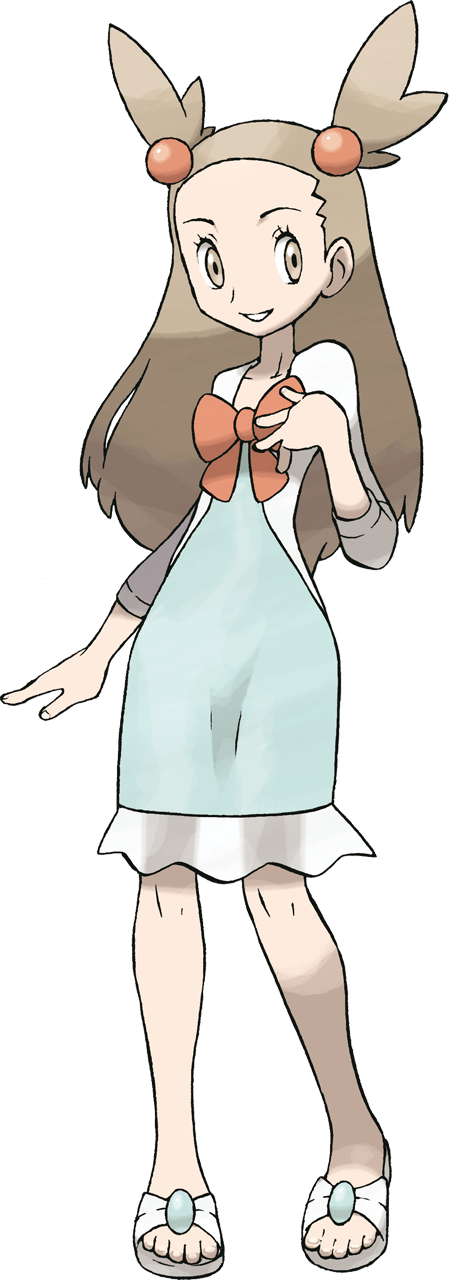
 Olivine Gym: Jasmine
Team: Magnemite Lv. 30, Magnemite Lv. 30, Steelix Lv. 35
Rematch: Bronzong Lv. 50, Skarmory Lv. 52, Empoleon Lv. 52, Metagross Lv. 52, Magnezone Lv. 56, Steelix Lv. 62
Since Gold & Silver: The same team and levels as Gold and Silver.
She will not battle until Amphy is cured with medicine from Cianwood. After her rematch she offers a Steelix named Rusty for any Pokémon, the series’ first trade that accepts anything. Reward: TM23 Iron Tail.

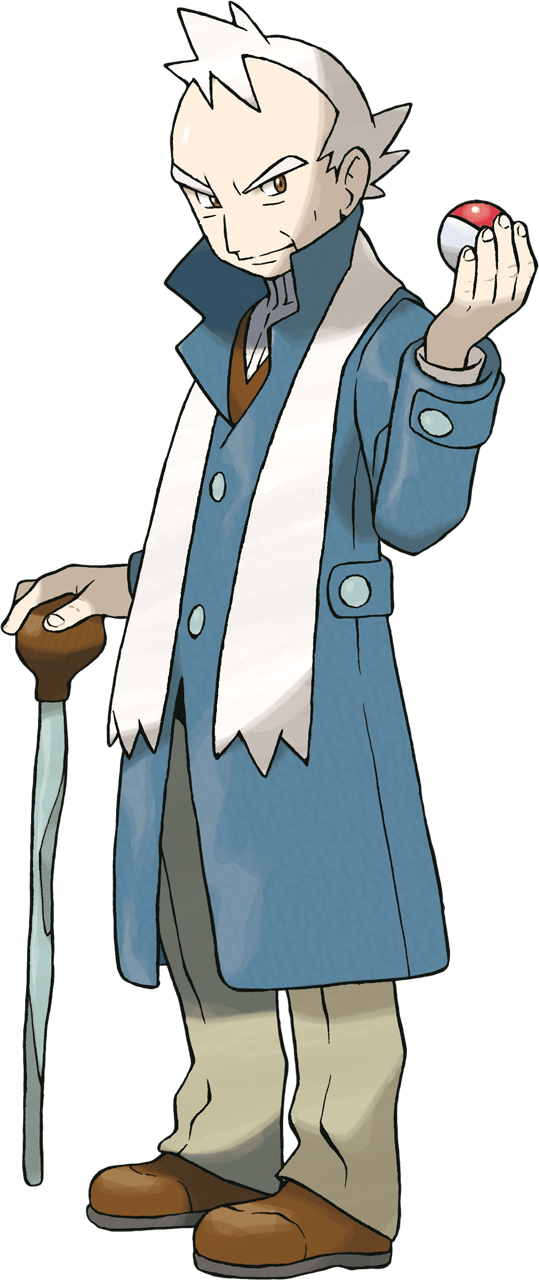
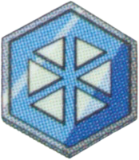 Mahogany Gym: Pryce
Team: Seel Lv. 30, Dewgong Lv. 32, Piloswine Lv. 34
Rematch: Abomasnow Lv. 56, Glalie Lv. 52, Froslass Lv. 52, Dewgong Lv. 58, Walrein Lv. 54, Mamoswine Lv. 60
Since Gold & Silver: Each Pokémon is three levels higher (Lv. 27, 29 and 31 before), and his TM changes from Icy Wind to Hail.
The veteran’s Gym still has its sliding ice floor. Early risers find him by the Lake of Rage between 6 and 10 in the morning, and his rematch shows off Piloswine’s new evolution, Mamoswine. Reward: TM07 Hail.

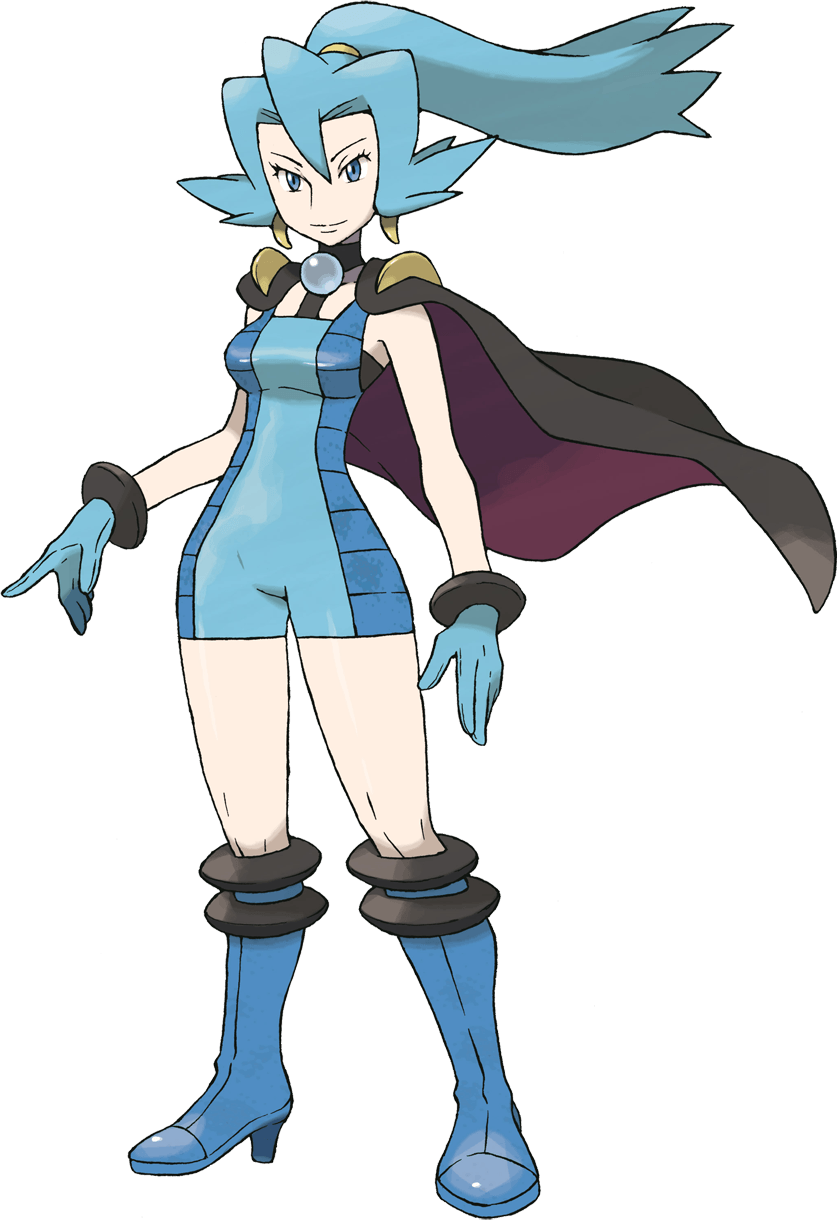
 Blackthorn Gym: Clair
Team: Gyarados Lv. 38, Dragonair Lv. 38, Dragonair Lv. 38, Kingdra Lv. 41
Rematch: Dragonair Lv. 52, Gyarados Lv. 56, Aerodactyl Lv. 52, Charizard Lv. 52, Kingdra Lv. 56, Dragonite Lv. 60
Since Gold & Silver: A Gyarados replaces one of her three Dragonair, every level rises by one, and her TM changes from DragonBreath to Dragon Pulse.
Clair still refuses to hand over the Badge until the player passes the Dragon Master’s test in the Dragon’s Den. Her Kingdra, weak only to Dragon moves, is the battle’s real test. Reward: TM59 Dragon Pulse.
The eight Kanto Gym Leaders

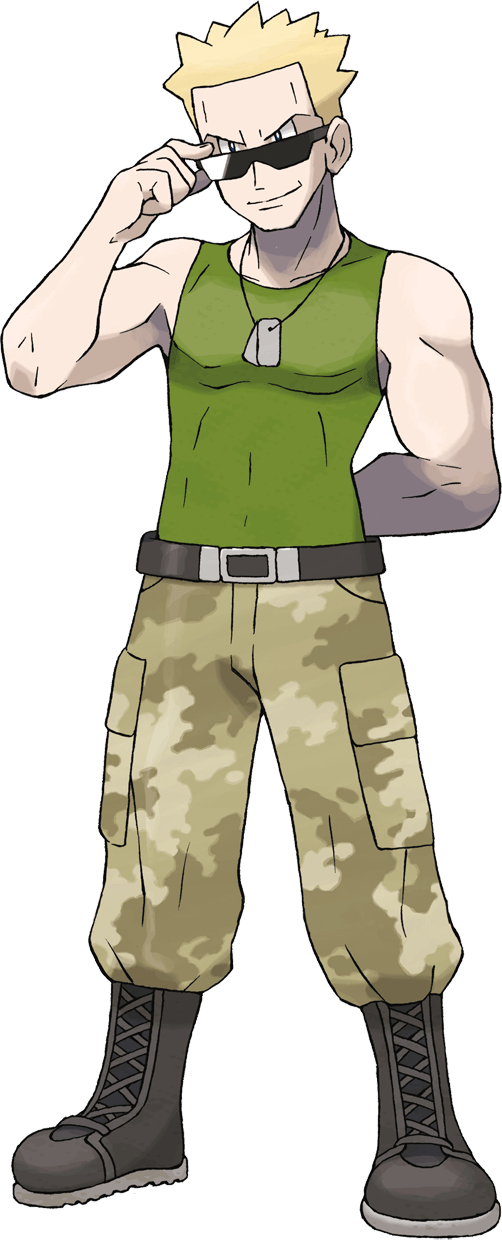
 Vermilion Gym: Lt. Surge
Team: Raichu Lv. 51, Electrode Lv. 47, Electrode Lv. 47, Magneton Lv. 47, Electabuzz Lv. 53
Rematch: Magnezone Lv. 52, Electrode Lv. 52, Manectric Lv. 52, Electivire Lv. 56, Pachirisu Lv. 58, Raichu Lv. 60
Since Gold & Silver: Seven levels higher than in Gold and Silver (Electabuzz was Lv. 46), and he now gives a TM.
Ground types make short work of his Gym. He only waits outside the Power Plant to swap numbers after Zapdos has been caught or defeated, and he wants to see a Pikachu first. Reward: TM34 Shock Wave.

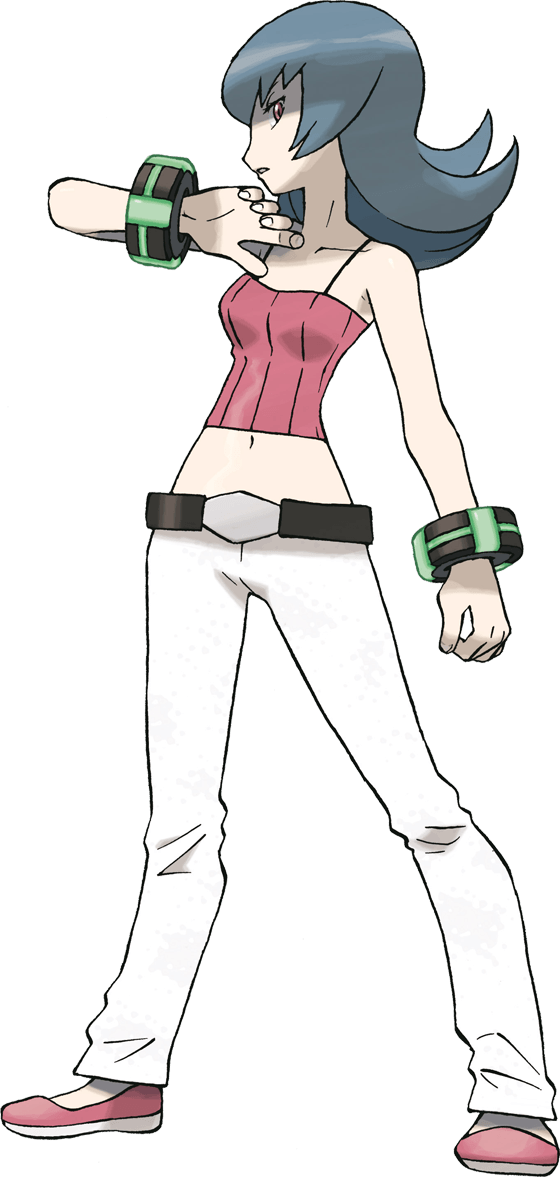
 Saffron Gym: Sabrina
Team: Espeon Lv. 53, Mr. Mime Lv. 53, Alakazam Lv. 55
Rematch: Espeon Lv. 58, Mr. Mime Lv. 56, Jynx Lv. 54, Wobbuffet Lv. 53, Gallade Lv. 53, Alakazam Lv. 60
Since Gold & Silver: Seven levels higher than in Gold and Silver (Alakazam was Lv. 48), and she now gives a TM.
Her Gym is still a maze of warp panels. Dark and Ghost moves are the answer, and she waits at the Olivine harbour on Fridays to swap numbers for a Sunday rematch. Reward: TM48 Skill Swap.


 Celadon Gym: Erika
Team: Jumpluff Lv. 51, Tangela Lv. 52, Victreebel Lv. 56, Bellossom Lv. 56
Rematch: Jumpluff Lv. 53, Victreebel Lv. 56, Bellossom Lv. 56, Shiftry Lv. 54, Roserade Lv. 55, Tangrowth Lv. 60
Since Gold & Silver: Around ten levels higher than in Gold and Silver (Victreebel and Bellossom were Lv. 46).
Fire, Ice and Flying attackers all do well in her flower-filled Gym. She can be found by the Celadon fountain on weekend afternoons and rematches on Sunday mornings. Reward: TM19 Giga Drain.

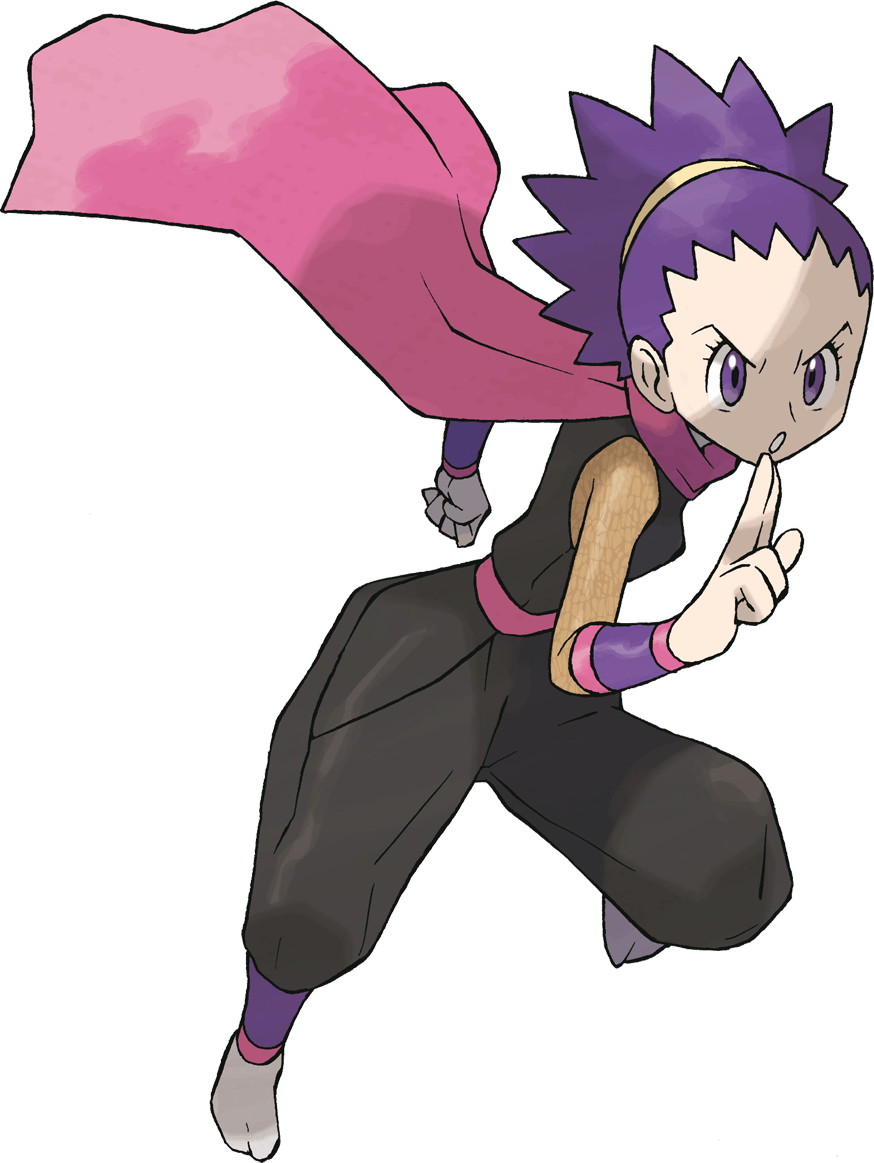
 Fuchsia Gym: Janine
Team: Crobat Lv. 47, Weezing Lv. 44, Ariados Lv. 47, Ariados Lv. 47, Venomoth Lv. 50
Rematch: Ariados Lv. 58, Toxicroak Lv. 52, Weezing Lv. 56, Drapion Lv. 55, Crobat Lv. 52, Venomoth Lv. 59
Since Gold & Silver: About ten levels stronger, with a second Ariados replacing one of her two Weezing, and her TM changes from Toxic to Poison Jab.
Koga’s daughter has taken over the Fuchsia Gym, where her students disguise themselves as her. Psychic moves hit every member of her team super-effectively. Reward: TM84 Poison Jab.

 Cerulean Gym: Misty
Team: Golduck Lv. 49, Quagsire Lv. 49, Lapras Lv. 52, Starmie Lv. 54
Rematch: Quagsire Lv. 56, Lapras Lv. 56, Lanturn Lv. 54, Floatzel Lv. 54, Milotic Lv. 60, Starmie Lv. 60
Since Gold & Silver: Seven levels higher than in Gold and Silver (Starmie was Lv. 47), and she now gives a TM.
The player must first interrupt her date with a boyfriend at the Cerulean Cape before she will return to her Gym. Quagsire’s Ground typing means Grass moves are the safest answer. Reward: TM03 Water Pulse.


 Pewter Gym: Brock
Team: Graveler Lv. 51, Rhyhorn Lv. 51, Omastar Lv. 53, Kabutops Lv. 52, Onix Lv. 54
Rematch: Golem Lv. 55, Relicanth Lv. 54, Omastar Lv. 56, Kabutops Lv. 55, Rampardos Lv. 57, Onix Lv. 61
Since Gold & Silver: Ten levels stronger than in Gold and Silver (Onix was Lv. 44), and he now gives a TM.
The usual road to him from Vermilion runs through Diglett’s Cave, so the sleeping Snorlax must be woken first. Later he waits in Diglett’s Cave at lunchtime, and on Saturday evenings he trades a Rhyhorn for a Bonsly. Reward: TM80 Rock Slide.


 Seafoam Gym: Blaine
Team: Magmar Lv. 54, Magcargo Lv. 54, Rapidash Lv. 59
Rematch: Torkoal Lv. 54, Camerupt Lv. 57, Rapidash Lv. 60, Magcargo Lv. 58, Houndoom Lv. 54, Magmortar Lv. 62
Since Gold & Silver: Nine levels higher than in Gold and Silver (Rapidash was Lv. 50), and he now gives a TM.
With Cinnabar’s volcano having destroyed his old Gym, Blaine battles from a cave on the Seafoam Islands. Water and Ground moves cover his team, and both hit Magcargo four times as hard. Reward: TM50 Overheat.


 Viridian Gym: Blue
Team: Exeggutor Lv. 55, Machamp Lv. 56, Arcanine Lv. 58, Rhydon Lv. 58, Gyarados Lv. 52, Pidgeot Lv. 60
Rematch: Exeggutor Lv. 67, Machamp Lv. 69, Arcanine Lv. 68, Rhyperior Lv. 70, Tyranitar Lv. 70, Pidgeot Lv. 72
Since Gold & Silver: Machamp replaces Alakazam, his Pidgeot rises from Lv. 56 to Lv. 60, and he now gives a TM.
Red’s old rival and a former Champion, Blue only opens his Gym once the other seven Kanto Badges are won. His Lv. 72 rematch Pidgeot is the strongest Gym Leader Pokémon in the remakes. Reward: TM92 Trick Room.
The Elite Four & the Champion
The Elite Four keep their Gold and Silver line-up and levels, Lv. 40 to 47, with Lance’s Lv. 50 Dragonite at the end. Their rematch teams climb to Lv. 58–75 later in the game.
Will, Koga, Bruno and Karen, then Champion Lance


Will, Elite Four
Will, the Psychic-type Pokémon Trainer, opens the League.
Team: Xatu Lv. 40, Jynx Lv. 41, Exeggutor Lv. 41, Slowbro Lv. 41, Xatu Lv. 42
Rematch: Bronzong Lv. 58, Jynx Lv. 60, Grumpig Lv. 59, Slowbro Lv. 60, Gardevoir Lv. 61, Xatu Lv. 62
The masked Psychic user opens the League with the same levels as Gold and Silver. Dark and Ghost moves cut through most of his team.


Koga, Elite Four
Koga, the Poison Pokémon master, once Fuchsia’s Gym Leader.
Team: Ariados Lv. 40, Venomoth Lv. 41, Muk Lv. 42, Forretress Lv. 43, Crobat Lv. 44
Rematch: Skuntank Lv. 61, Toxicroak Lv. 60, Swalot Lv. 62, Venomoth Lv. 63, Muk Lv. 62, Crobat Lv. 64
Fuchsia’s former Leader relies on poison and evasion. His Forretress is the odd one out, so pack a Fire move as well as Psychic attacks.

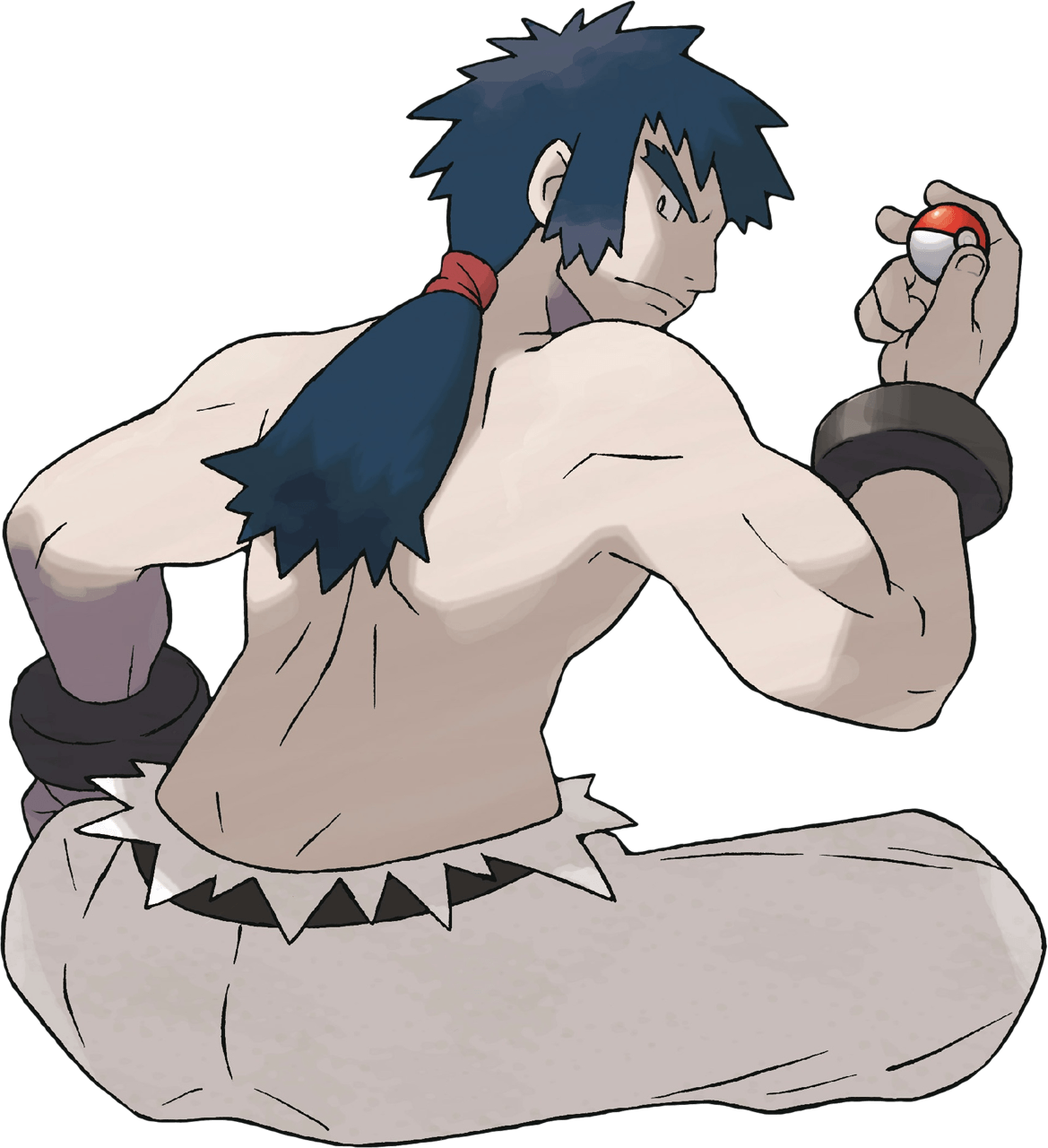
Bruno, Elite Four
Bruno, the Fighting-type Pokémon master.
Team: Hitmontop Lv. 42, Hitmonlee Lv. 42, Hitmonchan Lv. 42, Onix Lv. 43, Machamp Lv. 46
Rematch: Hitmontop Lv. 62, Hitmonlee Lv. 61, Hariyama Lv. 62, Machamp Lv. 64, Lucario Lv. 64, Hitmonchan Lv. 61
Psychic and Flying moves deal with his three Hitmon and Machamp, while Onix needs Water or Grass. His rematch adds Lucario and Hariyama.

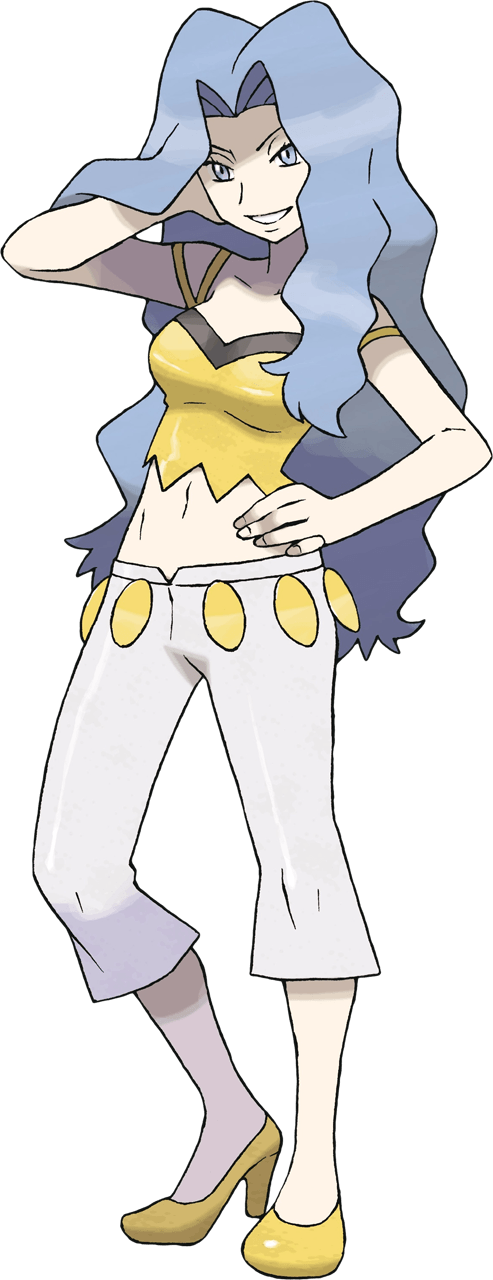
Karen, Elite Four
Karen, who uses Dark-type Pokémon, is last.
Team: Umbreon Lv. 42, Vileplume Lv. 42, Murkrow Lv. 44, Gengar Lv. 45, Houndoom Lv. 47
Rematch: Weavile Lv. 62, Spiritomb Lv. 62, Honchkrow Lv. 64, Umbreon Lv. 64, Houndoom Lv. 63, Absol Lv. 63
Her mixed team needs a varied answer: Fighting moves for Umbreon and Houndoom, Psychic for Vileplume and Gengar, and Electric or Ice for Murkrow.
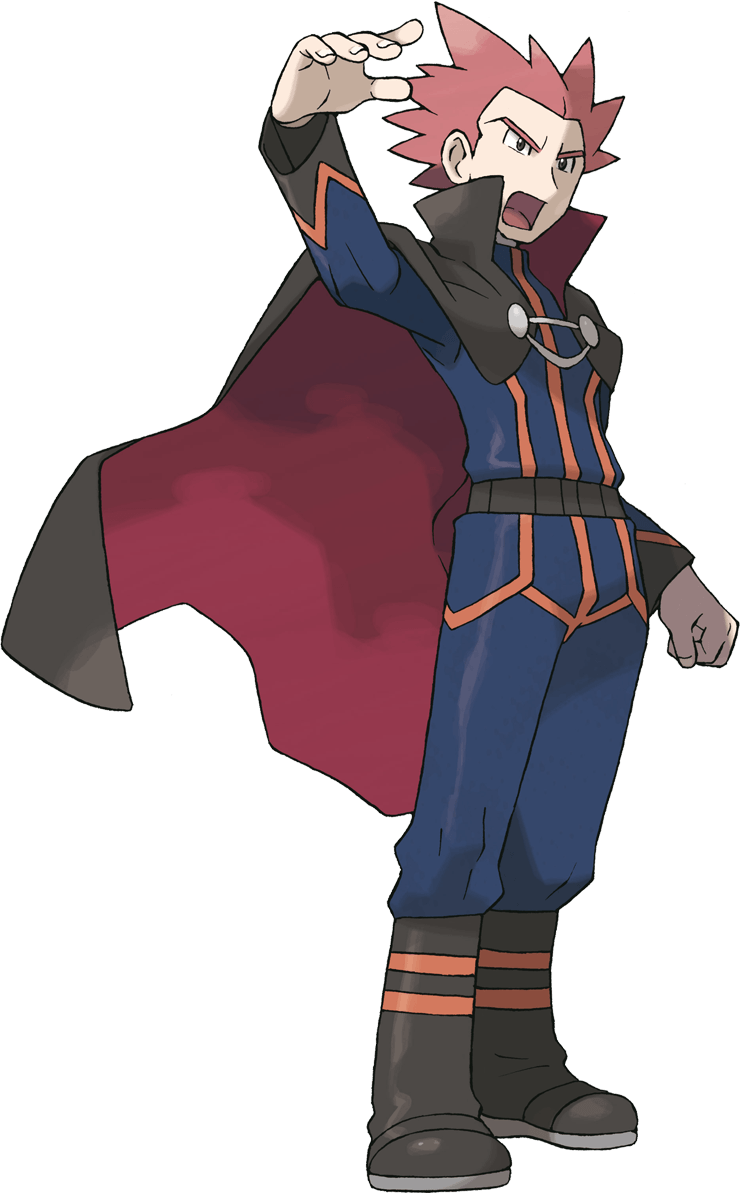
Lance, Champion
Lance, the Pokémon Champion, challenges the player after they beat the Elite Four.
Team: Gyarados Lv. 44, Dragonite Lv. 49, Dragonite Lv. 49, Aerodactyl Lv. 48, Charizard Lv. 48, Dragonite Lv. 50
Rematch: Salamence Lv. 72, Garchomp Lv. 72, Dragonite Lv. 75, Charizard Lv. 68, Altaria Lv. 73, Gyarados Lv. 68
Two of Lance’s three Dragonite are a little higher than in Gold and Silver, but Ice moves still hit each of them four times as hard. His rematch team is led by a Lv. 75 Dragonite.
Glitches, exploits and oddities
The remakes are solid, but the Pokéwalker, the radio and the GTS all have quirks worth knowing, and one of them is a gift to anyone hunting a rare encounter.
Pokéwalker data cloning
A HeartGold and SoulSilver quirk. Sending a Pokémon to the Pokéwalker copies it across and locks the original on the cartridge. If the console is switched off before saving, the cartridge forgets the transfer, so the Pokémon stays usable in the game while a copy carries on walking on the Pokéwalker. That copy cannot be brought home: when it is sent back, the game does not recognise its data and simply lets it go, even if the original has since been traded away or released. Separately, holding Up, Select and R on the connection screen recovers a Pokémon stranded on a lost or broken Pokéwalker.
Pokémon Lullaby underflow
Tuning the Pokégear radio to the Pokémon Lullaby is meant to make wild Pokémon less likely to appear, by cutting the encounter rate by 25. But in tall grass and caves the rate starts at only 20, so the subtraction drops it below zero. The game then treats the result as its maximum value of 100, so with no other modifiers the lullaby actually makes encounters far more frequent. It is a handy trick for anyone hunting a particular Pokémon.
GB Sounds music faults
The GB Sounds item has two known faults. With GB Sounds switched on, a glitch can leave Route 20 or Cinnabar Island with no music at all. Inside the Goldenrod Radio Tower during Team Rocket’s takeover, turning GB Sounds on or off can make the new and the chiptune versions of the occupied-tower theme play over each other. Moving to another floor or leaving and re-entering the building fixes it. A smaller oddity is that the Bug-Catching Contest results play the modern National Park theme before switching to the chiptune once the winner is announced.
Giratina form-change glitch
Shared with Platinum, this matters in the remakes because choosing Giratina at the Sinjoh Ruins is the only legitimate way to get the Griseous Orb. Moving the orb on or off Giratina through the PC changes its form but leaves its stats untouched, so an Altered Forme Giratina can end up with Origin Forme stats or the reverse. Giving or taking the item outside the PC corrects it. An affected Giratina can even show negative stat growth when it levels up at high levels.
GTS trade-evolution oversight
Found across Generation IV, including HeartGold and SoulSilver. A Pokémon that evolves by trade, holding the right item if it needs one, can be placed on the Global Trade Station and taken back after a trade has gone through there. The game treats this as a completed trade and the Pokémon evolves, even though it never changed hands. Some players used an impossible request so that nobody could take the Pokémon, which let a Haunter or a Kadabra evolve without a trading partner. Official GTS servers closed in May 2014.
Trade and save cloning
Two older Generation IV tricks also work here. Switching one console off at a precise moment during a trade can leave the Pokémon in both players’ parties, though the timing is hard and saves are often corrupted. A save that corrupts but still holds Pokémon data can also be exploited with a second console and game: the Pokémon is traded out, and after a restart it exists in both games while the other traded Pokémon is lost. Both carry a real risk of losing data.
Custom DNS and old events
Since the official Nintendo Wi-Fi Connection closed, fan-run servers reached through custom DNS settings on the DS have let players receive most past Wi-Fi Mystery Gift distributions and use a replacement Global Trade Station. The required values differ by game, and fan servers have also restored some online play for old cartridges. Nintendo has never supported it, and players take the usual risks of an unofficial service, but for many it is the only remaining route to the event Pokémon that unlock the Celebi time-travel scene and the Sinjoh Ruins.
Videos & media
Check out these videos of Pokémon HeartGold and SoulSilver, including TV commercials, the intro video and the trailer.
The official English trailer for Pokémon HeartGold and SoulSilver Versions.
The intro video for Pokémon HeartGold.
A US TV commercial, ‘Remembering Pokémon Gold and Silver’.
A TV commercial announcing the new Pokémon Trading Cards released for Pokémon HeartGold & SoulSilver.
Trivia & facts
- Certain retailers bundled special figures with pre-orders. With pre-orders of HeartGold you’d get a Ho-Oh figure, pre-orders of SoulSilver would land you Lugia, and in Japan you could even get an Arceus figure from some retailers by pre-ordering the dual pack containing both games.
-

Ho-Oh, the Legendary mascot of HeartGold. HeartGold and SoulSilver were released in celebration of the 10th anniversary of Pokémon Gold and Silver.
- Many classes of Trainer use the same in-battle sprites as they did in Pokémon Diamond, Pearl & Platinum Versions. This includes Psychics, Hikers etc.
- HeartGold and SoulSilver feature many past Champions from previous core series games, including Blue from Red and Green Versions, Lance from Gold & Silver, Steven Stone from Ruby & Sapphire, and even Cynthia from Diamond and Pearl makes an appearance.
- If you have a Snorlax, interact with it at Mt. Silver in either game and it will say “SNORLAX is feeling very eager”. This is because Red at Mt. Silver also has a Snorlax.
- Remember the Kimono Girls’ dancing to summon a member of the tower duo? These dances mostly consist of circular motions. In the HG version of the games they move clockwise in the circles, and in the SS version they move anticlockwise.
- The Egg that Professor Elm gives us hatches into a Togepi which knows the move Extrasensory – an Egg move that Togepi can only normally inherit from a father such as Hoothoot or Noctowl, though the game never says who the parents were.
-
The GB Sounds item in HGSS. Once you’ve beaten all 16 Gym Leaders in HGSS you can obtain an item called GB Sounds, standing of course for Game Boy Sounds. This item can be used to play chiptune versions of the music from the original Gold and Silver on the Game Boy Color. The music doesn’t sound exactly like it would have, mind you; this is because the DS cannot reproduce one of the Game Boy’s sound channels, so parts of the music are imitated with square waves.
- The credits of both HeartGold and SoulSilver feature Gym Leaders, the Elite Four and even some bad guys, for the first time in the series.
- Since HM05 changed from Defog to Whirlpool, this makes the HGSS versions the first games in the series where all HMs are moves capable of dealing damage.
- There are either Gym Leaders or Elite Four members who specialise in all the Pokémon types that existed at the time, with the exception only of a Ground-type specialist. This gap is filled to an extent by an unlockable battle where the player can face Giovanni (a well-known Ground-type specialist) during a special event.
- HeartGold and SoulSilver were the last core series games to include a Game Corner.

Further trivia
- Red’s Lv. 88 Pikachu was the highest-levelled Pokémon used by any ordinary opponent outside battle facilities until Legends: Z-A, and its four moves match those of Ash’s Pikachu in the Diamond and Pearl anime.
- Red is the only Trainer in the remakes whose battle opens with the old Generation II transition.
-

The Pokéwalker accessory. The Pokéwalker’s menu music is a remix of the Game Boy Printer theme from Yellow, Gold, Silver and Crystal, and a remastered version later turned up in Let’s Go, Pikachu! and Let’s Go, Eevee!.
- Unlocking every regular Pokéwalker course takes about 1,000 miles of walking, roughly 200 days at 10,000 steps a day.
- The Sinjoh Ruins creation scene uses real photographs, mostly from a Japanese stock image library, and Legends: Arceus later reused the pattern Arceus draws there for its Hall of Origin.
- Only two of the Kimono Girls keep their Gold and Silver partners: Zuki’s Umbreon and Kuni’s Vaporeon. Naoko, Miki and Sayo now use Espeon, Flareon and Jolteon.
- Jasmine’s Steelix trade is the first in-game trade in the series that accepts any Pokémon at all, though she refuses Sky Forme Shaymin, Origin Forme Giratina, the Spiky-eared Pichu and Rotom’s appliance forms.
- Proton’s Japanese name is Lance (Ransu), taken from the MGM-52 Lance missile; in English that name already belonged to the Champion.
- A Game Freak developer in the Celadon Condominiums admits in passing: “We are remaking an old game, but this is quite a challenge.” His colleague in the same office is the one who hands over GB Sounds.

Game Freak’s Celadon office, in HeartGold. -

Voltorb Flip, level 1. Outside Japan the Game Corners swapped slot machines for Voltorb Flip, a Minesweeper-style puzzle, because of European rules on gambling imagery; Japanese copies kept the slots.
- The pre-release screenshots showed Ethan and Lyra side by side on the hill above New Bark Town, and a rebuilt Ecruteak City with its two towers.
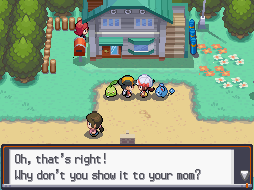
Ethan and Lyra in a pre-release screenshot. 
Ecruteak City before release.
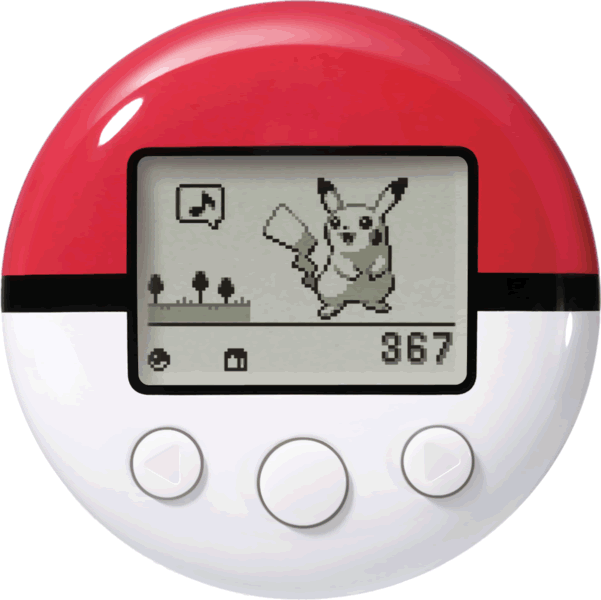
Legacy
What came after
- Pokémon Black & White – 18 September 2010. Not a re-release, but the successor: Generation V opened a year later, and Poké Transfer let HeartGold and SoulSilver Pokémon move on to Unova.
- Still waiting – no re-release yet. As of October 2026 HeartGold and SoulSilver have never been re-released. There was no Virtual Console version, and Nintendo Classics on Switch Online has no DS games. Japanese trademarks for both titles were filed in 2020 but led to nothing. FireRed and LeafGreen arrived on Switch on 27 February 2026, and in June 2026 Nintendo’s president Shuntaro Furukawa told a shareholder only that Nintendo was working to make its back catalogue playable on current hardware, without naming any DS game.
Where to play HeartGold & SoulSilver today
As of October 2026 the only way to play is an original cartridge on a DS, DS Lite, DSi or 3DS console; there is no digital or Switch version. The Pokéwalker still works with a fresh CR2032 battery. Pal Park needs a DS or DS Lite for its Game Boy Advance slot, and official online play ended in May 2014. Pokémon can still be sent on to Black and White.
How the remakes were made
Rumours of Gold and Silver remakes spread in early May 2009, when the Japanese television show Pokémon Sunday promised a world-exclusive announcement for its next episode, and Nintendo confirmed HeartGold and SoulSilver days later, around 7–8 May 2009. Shigeki Morimoto directed. His aim was to respect players’ memories of the 1999 games while making them feel new to anyone who had started on Game Boy Advance or DS, and the bond between Trainers and their Pokémon became the theme that gave the titles their Heart and Soul. Many systems came straight from Diamond, Pearl and Platinum, but the headline additions were new: every Pokémon could walk behind the player, and every box held the Pokéwalker, a Poké Ball-shaped pedometer with a small screen that talks to the game by infrared. The games launched in Japan and Taiwan on 12 September 2009, ten years after Gold and Silver, with Ho-Oh, Lugia and Arceus figures offered as pre-order bonuses. South Korea followed on 4 February 2010 and North America on 14 March, while outside Japan the Game Corner slots became Voltorb Flip.
HeartGold & SoulSilver in other media



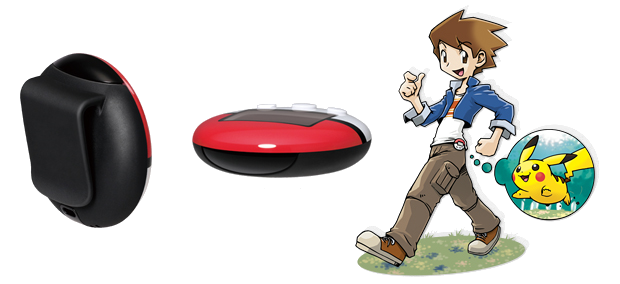
The English and Japanese title screens:
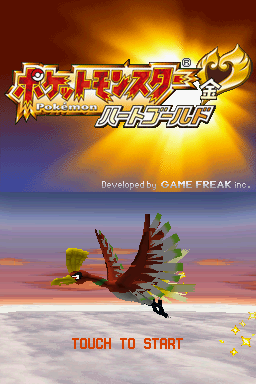

Sales & reviews
Sales figures
Pokémon HeartGold & SoulSilver sold a combined 12.72 million units. This is nearly 5 million copies less than fellow DS titles Diamond & Pearl, but as one would expect, remakes don’t seem to reach the same amount of sales as original titles, certainly not in the Pokémon core series at least.
Despite the above, however, the games were very successful in their own right, selling 1.48 million units in their first two days of release in Japan alone, and topping the Japanese chart in their release month of September 2009. Within two weeks over 2 million units had been sold in Japan. Later that year, on December 18th, 2009, sales in Japan were recorded as breaking the 3.22 million mark.
Meanwhile in Australia a reasonable (if incomparable) 50,000 units sold in the first week of release, whereas in the US HeartGold & SoulSilver sold 1.73 million units in their first month of release; interestingly, 1.01 million of the units sold were SoulSilver and 0.76 million were HeartGold. It’s always interesting to see which of these paired titles was more popular than the other, but it’s quite difficult information to find, with most sales sources only showing combined figures. Which one sold best aside, however, the combined sales of the two titles were enough to make them the best-selling video games in the US in March 2010. By the 6th of May, 2010, 8.4 million units had been sold globally; at the end of July 2010 the 10 million mark had been broken, and the final recorded combined sales figure had reached 12.72 million by March 2014.
Japan’s weekly retail tracking tells the two versions’ story in more detail: 1,442,990 copies in the first week, split almost evenly (HeartGold 720,086, SoulSilver 722,904), and 3,910,512 by the end of 2013, by which time SoulSilver had pulled ahead to 2,046,360 against HeartGold’s 1,864,152. The 8.4 million figure was Nintendo’s count to the end of its financial year on 31 March 2010, and the 12.72 million lifetime total has stood unchanged in every report since, making the pair the eighth best-selling games on the DS.
- 12.72mworldwide, lifetime
- 1.48mJapan in two days
- 1.73mUnited States in the first month
- 3.91mJapan by the end of 2013

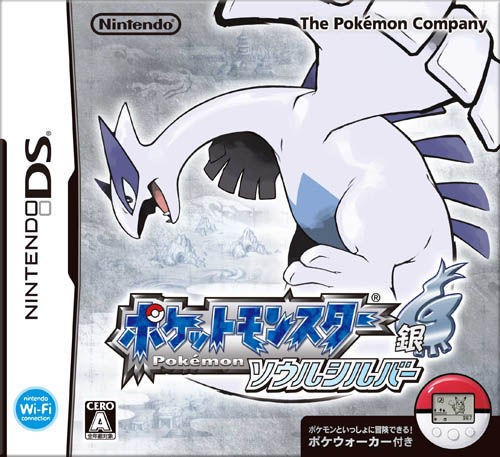
Review scores
Given the reception the remakes of Red and Green received many years before, it was no surprise that the remakes of Gold & Silver were also nicely received amongst fans of the series, new players and critics. Let’s take a look at some of the review scores from major sources below:
- HGSS hold very strong aggregate scores of 87.83% over 40 reviews at GameRankings and 87/100 over 59 reviews at Metacritic. That’s a good few points higher than FireRed and LeafGreen, in fact. HGSS also sit in Metacritic’s top 20 DS games of all time.
- Craig Harris reviewed the games for IGN, scoring them 8.5/10 and commenting: “The Pokewalker is the Pokemon equivalent of the free prize inside a cereal box: you might find yourself buying it for the gadget than the game itself, but it’s the game itself that contains all the deliciousness. And what a tasty cereal it is.”
- Nintendo Power scored these remakes a colossal 9.5 out of 10.
- Nathan Meunier from GameSpot wasn’t as warm to HGSS as he had been to some past titles, but still scored them a pretty good 8/10.
- Chris Scullion from ONM (Official Nintendo Magazine) scored the games 94%.
Critics treated the remakes as a model of how to update a classic. Aggregates settled at 87 on Metacritic and almost 88 per cent on GameRankings, several points above FireRed and LeafGreen and among the best-rated DS games, and Nintendo Power, Official Nintendo Magazine and Eurogamer all scored them nine or more out of ten. Reviewers praised the two full regions, the sheer amount of post-game content and the charm of having a Pokémon walk alongside, and IGN singled out the Pokéwalker as a bonus worth having in itself while insisting the game was the real prize. The reservations were about familiarity. Famitsu found no major surprises, Nintendo Power regretted that Pokémon sprites still barely moved, and GameSpot, among the lower scores, wanted more innovation. They also won the series its first Golden Joystick, and they remain among the most requested Pokémon games for a modern release.
Awards and honours:
Media & artwork
- Official artwork gallery from Pokémon HeartGold & SoulSilver – a gallery featuring many of the Pokémon and characters
- Official artwork gallery from Pokémon HeartGold & SoulSilver – a gallery featuring characters, items and supporting artwork
- Box art from Pokémon HeartGold, including numerous regional variations and editions
- Box art from Pokémon SoulSilver, including numerous regional variations and editions
- Screenshots from Pokémon HeartGold & SoulSilver
- Fan-made RPG Maker tileset in the HeartGold & SoulSilver style, by Xavier

Further reading
Our Johto guides and reviews, plus the games either side of the remakes: