
  |
|
| Titles | Pokémon Ranger: Guardian Signs ポケモンレンジャー 光の軌跡 (Pokémon Renjā: Hikari no Kiseki, “Traces of Light”) |
| Platforms | Nintendo DS · Wii U Virtual Console (2016) |
| Developer | Creatures Inc. |
| Publisher | Nintendo |
| Director | Yukinori Torii |
| Producers | Hiroyuki Jinnai · Hiroaki Tsuru · executive producers Satoru Iwata and Tsunekazu Ishihara |
| Music | Ken-ichi Koyano · Keisuke Oku (sound director Takuto Kitsuta) |
| Players | 1 · 2–4 in local wireless co-operative missions (Wii U: 1) |
| Genre | Action role-playing game |
| Missions | 16 story Missions (2 after the credits) · 52 Quests · 6 Ranger Net downloads |
| Pokémon | 301 in the present-day Browser, plus 6 special entries · 222 plus Deoxys in Oblivia’s past |
| Released | 6 March 2010 (Japan) · 4 October 2010 (North America) · 5 November 2010 (Europe) · 25 November 2010 (Australia) Japanese trial version: from 29 January 2010 (Nintendo Zone and DS Station) |
| Re-releases | Wii U Virtual Console: 9 June 2016 (Europe, Australia) · 3 August 2016 (Japan) · 18 August 2016 (North America) |
| Service ended | Ranger Net downloads: 19 May 2014 (Nintendo Wi-Fi Connection closed on 20 May) · Wii U eShop sales: 27 March 2023 |
| Rating | ESRB E · PEGI 3 · CERO A · ACB G |
| Predecessor | Pokémon Ranger: Shadows of Almia (2008) |
| Successor | None – the third and, so far, last Ranger game |
| Sales | 1.53 million worldwide (CESA, 2023) · 500,615 in Japan by December 2013 (Media Create) |
Overview
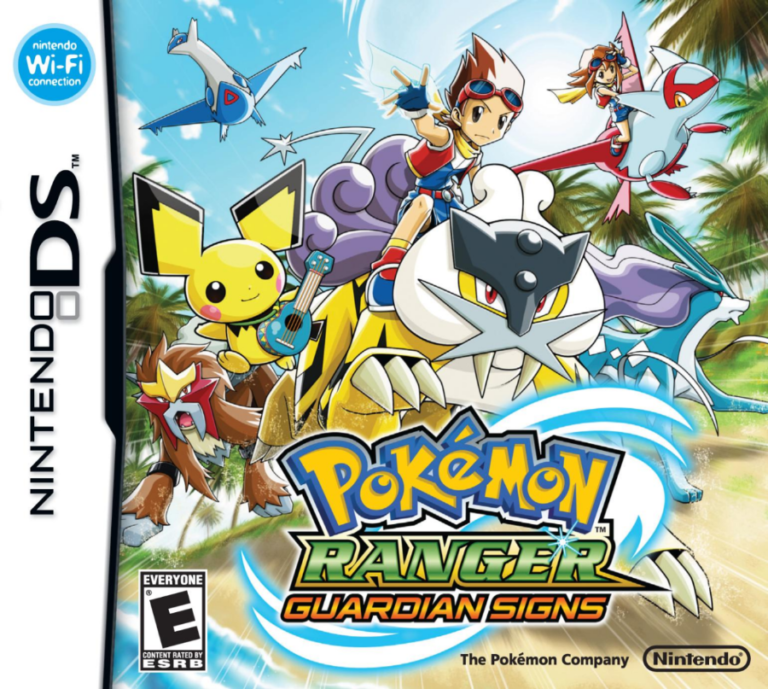
 Pokémon Ranger: Guardian Signs is the third Pokémon Ranger adventure for the Nintendo DS, developed by Creatures Inc. and published by Nintendo. Called Pokémon Ranger: Hikari no Kiseki, or “Traces of Light”, in Japan, it launched there on 6 March 2010 and reached North America on 4 October, Europe on 5 November and Australia on 25 November 2010. Yukinori Torii directed it, and it completes the trilogy that began with Pokémon Ranger in 2006 and continued with Shadows of Almia in 2008.
As before, you play a Pokémon Ranger rather than a Trainer, so there are no battles in the usual sense: wild Pokémon are befriended by drawing loops around them with the Capture Styler on the touch screen. The friends you make tag along to clear obstacles with their Field Moves or lend a hand mid-capture as a Poké Assist, and a ukulele-strumming Pichu is your constant partner. The big new idea is in the title. Trace a Legendary Pokémon’s Ranger Sign and Raikou, Entei, Suicune, Latios or Latias comes to your side, ready to carry you over chasms, across the sea or up into the skies above the Oblivia archipelago.
Around that sit 16 story Missions, 52 optional Quests, aerial and underwater chases and a run of trips with Celebi into Oblivia’s distant past. It was also the first Ranger game you could play with friends, with up to four players teaming up over local wireless, and its Ranger Net downloads sent Deoxys, Heatran, Shaymin and a Manaphy Egg across to Diamond and Pearl, Platinum and HeartGold and SoulSilver.
Guardian Signs went straight to number one in Japan and has sold around 1.53 million copies worldwide, although the critics were lukewarm and its Metacritic average is 68. A Wii U Virtual Console release followed in 2016, and it is still the most recent Ranger game: no new one has appeared since, so Oblivia is where the series’ story currently ends.
A mighty alliance is all that can save Oblivia from darkness!
Get ready for an exciting adventure in the third instalment of the action-packed Pokémon Ranger series: Pokémon Ranger: Guardian Signs. Take on the role of a Pokémon Ranger tasked with protecting the local people and wild Pokémon from the nasty Pokémon Pinchers with the help of your partner, Ukulele Pichu. To save the land from the powers of darkness, join forces with the Legendary Pokémon and stop the Pokémon Pinchers from their evil plans! Capture and befriend Pokémon by circling them with the Capture Styler on the Touch Screen. Pokémon that you befriend will support you on your adventure by using their abilities to clear obstacles that stand in your way or by helping you capture even stronger Pokémon. For the first time in the series, you can call Pokémon to your aid by drawing their Ranger Sign on the Touch Screen. There are many Pokémon available to support you, as well as a number of Legendary Pokémon, including Raikou, Entei and Suicune. As a Pokémon Ranger, your day will often involve being sent on a Mission, which may involve finding a missing person, stopping a natural disaster or protecting the peace in another dramatic way. If you are successful and complete the Mission, then the game story will advance. Each chapter in the game features a series of dynamic tasks and puzzle-solving challenges using the powers of the Pokémon. For example, you may call upon a Pokémon in the Water-group to help put out a fire.
— Official description
Quick Answers
The questions people ask most about Pokémon Ranger: Guardian Signs, answered first and explained further down the page.
Can you still buy or play Pokémon Ranger: Guardian Signs in 2026?
Yes, but not new. The original DS Game Card is easy to find second-hand and plays on any DS, DSi or 3DS console. The Wii U Virtual Console version was taken off sale when the Wii U eShop closed on 27 March 2023; anyone who bought it before then can still download it again, and Nintendo has not announced an end to redownloads. More →
Is Guardian Signs on Nintendo Switch or mobile?
No. As of October 2026 it has only been released on the Nintendo DS, in 2010, and on the Wii U Virtual Console, in 2016. There has never been a Nintendo Switch, Switch 2 or smartphone version, so a DS-family console with the Game Card, or a Wii U that already has the download, is the only official way to play it. More →
How many Pokémon are in Guardian Signs?
Just over 300. The present-day Browser has 301 regular entries, from R-001 Pidgey to R-301 Lugia, plus six special ones for Pokémon met in downloadable missions: Heatran, Shaymin, Giratina, Dialga, Palkia and Arceus. A second Browser for Oblivia’s past lists 222 Pokémon plus Deoxys. Ukulele Pichu has no entry of its own and shares Pichu’s number, R-004. More →
What are Ranger Signs and how do you get them?
They are symbols you trace on the touch screen to call a Pokémon to your side, once Nema has adapted your Capture Styler to read them. Most are earned by befriending Legendary Pokémon during the story, starting with Raikou at the Wireless Tower. Seven more are Quest rewards, and 13 secret signs, published by official websites and magazines, can be drawn by hand. More →

Which Pokémon can you ride in Guardian Signs?
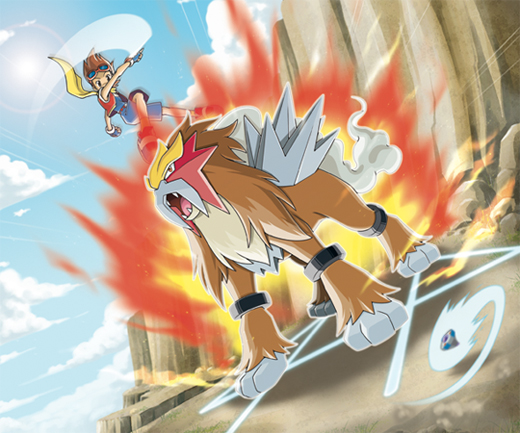
Three Legendary beasts and one of the Eon duo. Raikou leaps wide gaps, Entei smashes through boulders and Suicune runs across water. In the air a Staraptor carries you at first, until Latios (if you play as Ben) or Latias (as Summer) takes over: it flies faster and can whip up a cyclone that traps Pokémon during sky captures. More →
Can you still get Deoxys, Heatran, Shaymin or Manaphy from Guardian Signs?
No. Each came from a Special Mission downloaded through the Ranger Net over Nintendo Wi-Fi Connection, and clearing it sent the Pokémon on to Diamond, Pearl, Platinum, HeartGold or SoulSilver. In English-speaking regions the downloads ran from October or November 2010 to 11 January 2011, and Nintendo Wi-Fi Connection itself shut down in May 2014, so the missions can no longer be downloaded. More →
Does Guardian Signs have multiplayer?
Yes. Two to four players can take on co-operative missions over DS Wireless, all circling the same target, drawing shapes together for extra damage and calling in Poké Assists; whoever closes the final loop keeps the Pokémon. Multiplayer opens up after Celebi’s third trip into the past. The Wii U Virtual Console release is single-player only. More →
Is there a sequel to Pokémon Ranger: Guardian Signs?
No. Guardian Signs is the third and last Pokémon Ranger game, after Pokémon Ranger (2006) and Shadows of Almia (2008), and no new Ranger game has been announced in the years since its 2010 launch. Oblivia is still the series’ final chapter. More →
Story
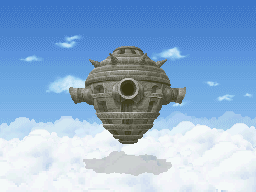
Professor Hastings of the Ranger Union sends two rookie Rangers, Ben and Summer, to the peaceful Oblivia archipelago, where a gang calling itself the Pokémon Pinchers has begun seizing Pokémon with Control Gauntlets. You play as one of the pair, and the other becomes your partner. The assignment goes wrong almost at once: chasing Pinchers who are hunting Latios (Latias, if you chose Summer), the hero takes a blast from squad leader Red Eyes’ plasma cannon to protect their partner and plunges into the sea, and the partner is carried off by the gang.
The hero washes up on Dolce Island, where the kindly craftsman Booker and a Pichu that plays the ukulele look after them; the Pichu becomes the new Partner Pokémon. Reports of UFOs lead to Teakwood Forest, where the lumberjack Arley has gone missing, and on to Rasp Cavern, where the Pinchers make off with a piece of an ancient monument before a furious Raikou drives them away. The gang is collecting these Involiths to wake the Legendary birds, knowing that this would also rouse the Legendary beasts. One after another the admins Blue Eyes and Red Eyes are foiled, the captured partner is won back in a hostage swap at the Daybreak Ruins, and the Pinchers’ new leader, Purple Eyes, takes up the scheme with an army of armoured Steelheads.
Pulling the strings all along are the Societea: Edward, Arley, Kasa and Hocus, four ageing former thieves who want the eternal youth promised by a legendary golden armour. They raise the ancient Sky Fortress and turn its firepower on Dolce Island. The hero recovers the Rainbow Grail, carries it down to the Rainbow Dais on the sea floor and befriends Ho-Oh, whose power shatters the fortress’s barrier. Inside, the hero captures Edward’s Mewtwo, then has to do it all over again when Purple Eyes betrays his masters and seizes Mewtwo for himself, and Ho-Oh lends its strength to save the fortress as it falls.
The credits are not the end. Two more Missions follow, calming Articuno, Zapdos and Moltres and then rescuing Blue Eyes from Lugia, and Celebi, whose trips into Oblivia’s past began during the story, carries the hero back in time again and again to stop the Steelheads of long ago.
The Oblivia region
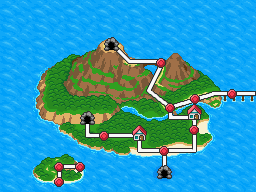
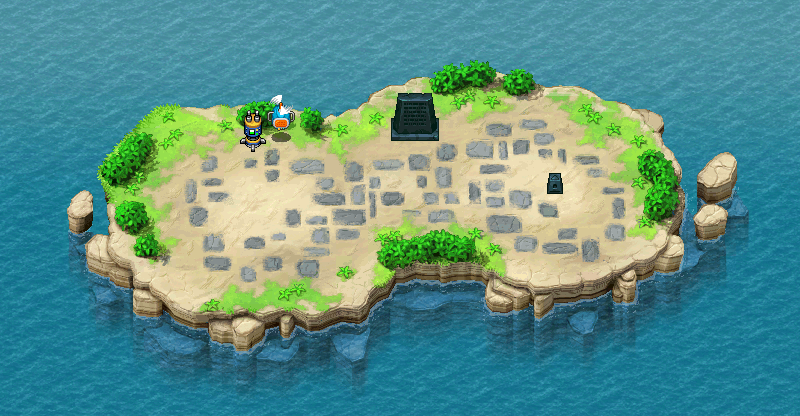
Oblivia is an archipelago of seven islands: Dolce, Renbow, Mitonga, Faldera, Sophian, Layuda and Tilikule. Moltres lives in Faldera Volcano, Zapdos at the top of Mt. Layuda and Articuno on Mt. Sorbet, while Latias and Latios make their home on Tilikule Island. On Sophian Island, where the Societea hold their genteel tea parties, the Oblivia Ruins lie hidden behind Silver Falls, and Renbow Island’s Big Booker Bridge is one of Red Eyes’ targets. Elsewhere are Teakwood Forest, the Wireless Tower, Rasp Cavern, the Old Mansion, the Daybreak and Canal Ruins, Hinder Cape, the Aqua Resort and the open water of the Eastern Sea.


Ranger Signs and Ride Pokémon
The English subtitle names the game’s signature trick. Once Nema has modified your Capture Styler, you can trace a Pokémon’s Ranger Sign on the touch screen to summon it, Legendary Pokémon included, and a charged-up sign brings an extra effect. Signs come from the big captures of the story, from Quests and from a set of secret signs that were only ever published outside the game. A select few of them can even be ridden: the three Legendary beasts and the Eon duo, who between them turn Oblivia’s chasms, boulders, seas and skies into open roads.
- 11signs earned in the adventure, Latias and Latios included
- 7signs won from Quests
- 13secret signs, drawn by hand
- 4Legendary mounts per adventure: three beasts and Latios or Latias
How signs work
Ride Pokémon
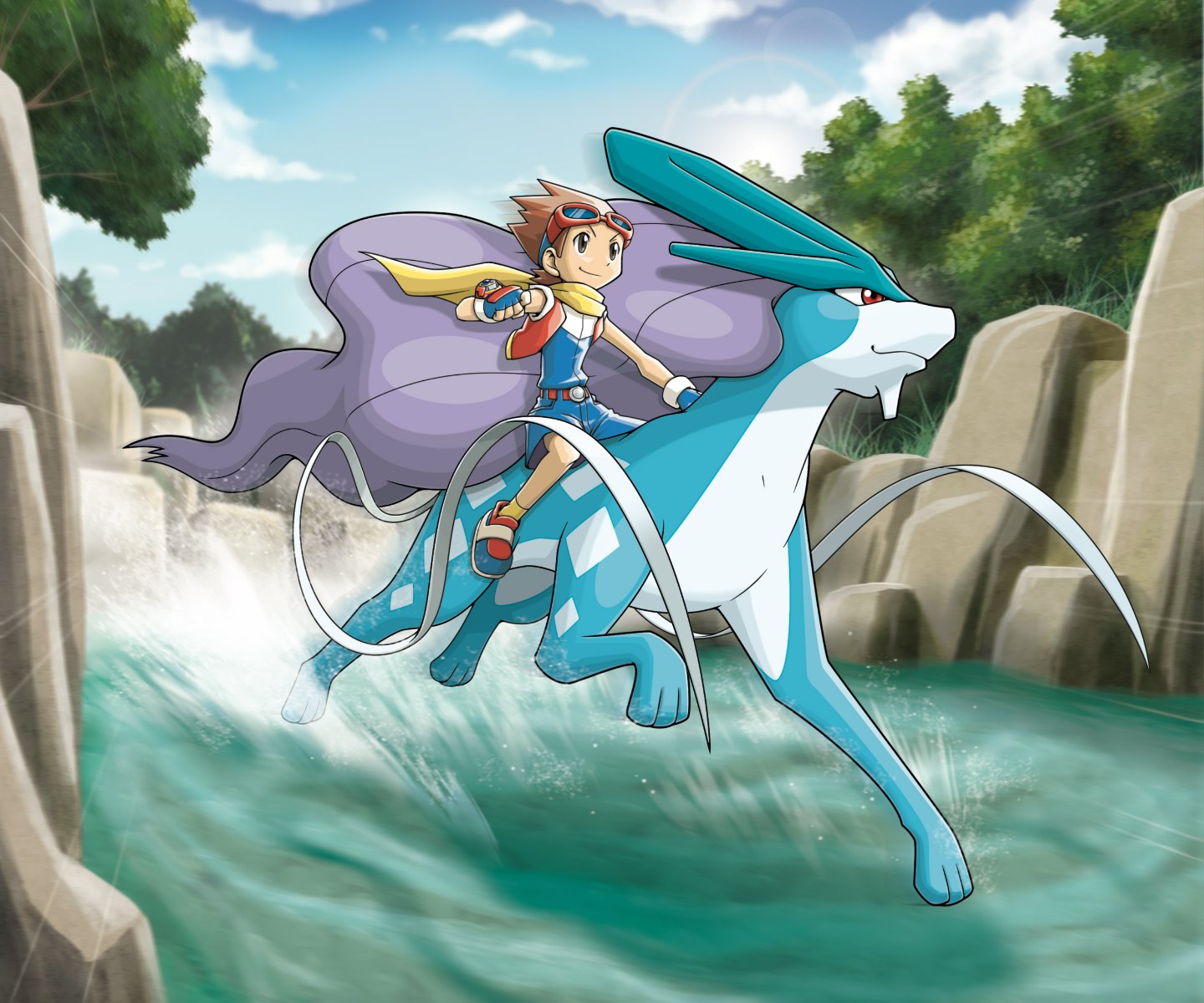
Of the Pokémon that answer a sign, five can be ridden. Each player gets four, since Ben and Summer befriend different members of the Eon duo, and until that happens a Staraptor does the flying. The mounts:



Every story sign
The signs earned through the story and the post-game, where each one comes from and what it does:
| Sign | Where it is earned | Out in the field | Charged effect |
|---|---|---|---|
| Raikou | Wireless Tower (Mission 3) | Ride it to jump wide gaps; flushes Pokémon out of hiding | Scares Pokémon into standing still |
| Entei | Daybreak Ruins (Mission 5) | Ride it to smash boulders; flushes Pokémon out of hiding | Scares Pokémon into standing still |
| Suicune | Canal Ruins (Mission 8) | Ride it across water; flushes Pokémon out of hiding | Scares Pokémon into standing still |
| Latias | Tilikule Island (Mission 11, Summer only) | Flying mount; Poké Assist in sky captures | Faster flight |
| Latios | Tilikule Island (Mission 11, Ben only) | Flying mount; Poké Assist in sky captures | Faster flight |
| Ho-Oh | Rainbow Dais (Mission 13) | Needed to finish the story; rematch at the Rainbow Dais | – |
| Articuno | Mt. Sorbet (Mission 15) | Rematch at the top of Mt. Sorbet | – |
| Zapdos | Mt. Layuda (Mission 15) | Rematch at the top of Mt. Layuda | – |
| Moltres | Faldera Volcano (Mission 15) | Rematch at the top of Faldera Volcano | – |
| Lugia | Eastern Sea (Mission 16) | Rematch on the Eastern Sea | – |
| Celebi | Cocona Village, in the past | Summons your partner from the past | Stronger Poké Assist |
Quest and secret signs
Seven Pokémon hand over their sign as a Quest reward. Called up by sign, they have the weakest Field Moves of their species but stronger Poké Assists than their wild counterparts, and only one of them can be with you at a time:
 GravelerRolling Graveler
 JumpluffCute, Cute Jumpluff
 HitmontopSpin, Hitmontop, Spin!
 BidoofSave Bidoof!
 BunearyA Hot Meal for Buneary
 VulpixVulpix’s Ruins Exploration
 MankeyThe Mild Mankey
Thirteen more signs cannot be earned in play at all. They were revealed by official websites and magazines and are drawn by hand in the Sign List’s question-mark slot. Eevee’s and Croagunk’s were first shown for the Japanese trial version, and Mewtwo’s can be glimpsed in the game’s intro:
 AipomSecret sign
 AronSecret sign
 BuizelSecret sign
 CroagunkSecret sign
 EeveeSecret sign
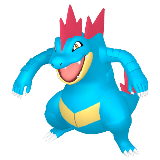 FeraligatrSecret sign
 IvysaurSecret sign
 MeganiumSecret sign
 PiplupSecret sign
 TyphlosionSecret sign
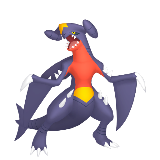 GarchompSecret sign
 MetagrossSecret sign
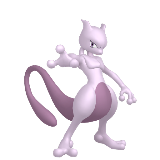 MewtwoSecret sign
Gameplay
Guardian Signs keeps the Ranger formula of the first two games, capturing by stylus, borrowing Friend Pokémon and working through Missions, and builds on it with flight, underwater chases, time travel and co-operative play.
Capturing Pokémon
Friend Pokémon and the partner
Missions and Quests
Flying and diving
Oblivia’s past
Multiplayer

After the credits
Characters
Oblivia’s cast mixes new faces with a couple of old friends from the Ranger Union. The villains have their own section below; these are the people on your side:

Ben
One of the two new Rangers sent to Oblivia to look into the Pokémon Pinchers. Ben is cheerful to a fault, puts his can-do attitude down to a grandfather who taught him to give everything a try, and reads the land like a seasoned field expert. If you choose Summer, he becomes your partner and flies with a Staraptor. In the animated special he is voiced by Wayne Grayson in English and Tatsuya Hasome in Japanese.
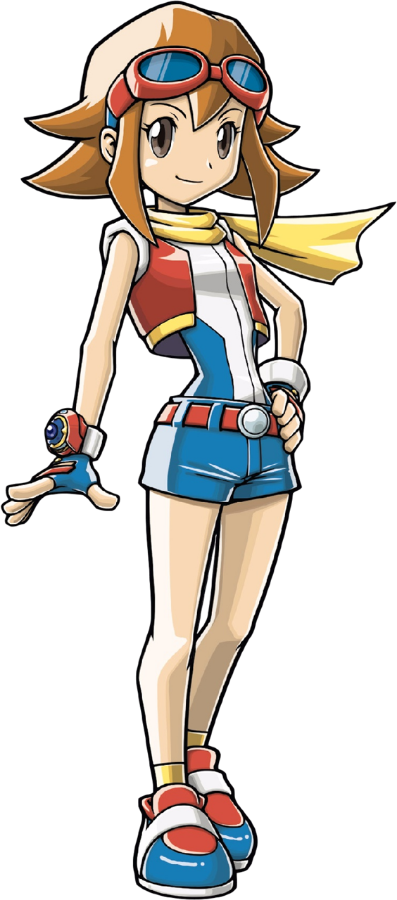
Summer
The female hero, and Ben’s friend and teammate. Whichever of the two you do not pick flies a Staraptor, is captured by the Pinchers early in the story and is rescued at the Daybreak Ruins in Mission 5. Her story mirrors Ben’s: play as Summer and it is Latias, not Latios, that the Pinchers are hunting and that later becomes your mount.
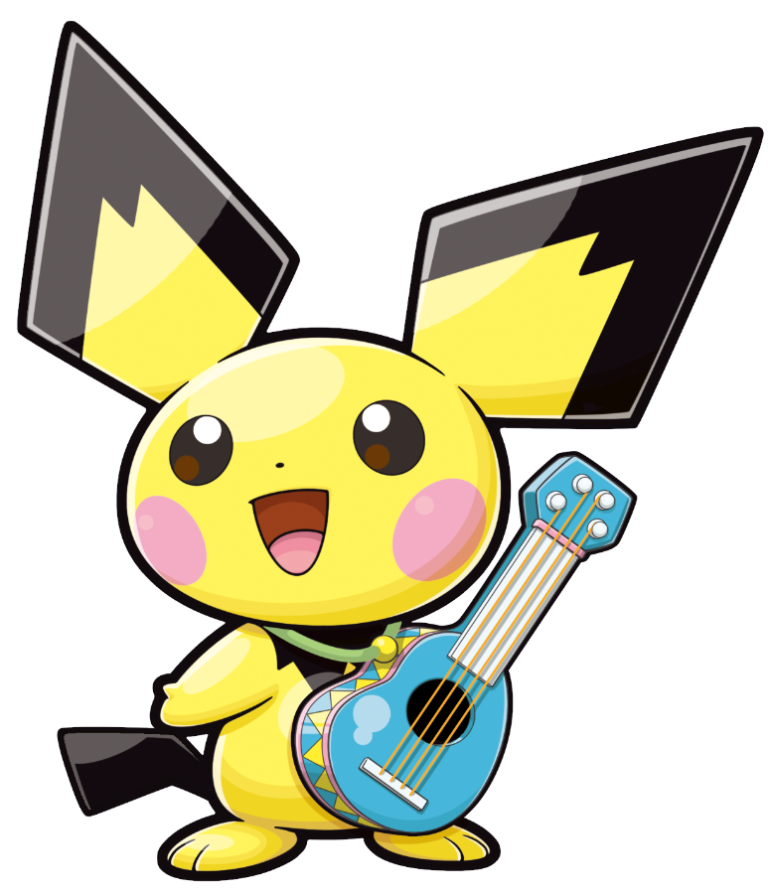
Ukulele Pichu
An Electric-type Pichu found on Dolce Island playing the ukulele for its friends. It becomes the hero’s Partner Pokémon and helps with captures by playing a tune that grows stronger as the adventure goes on. Its Japanese name is ウクレレピチュー (Ukurere Pichū), and Kei Shindō voices it in the animated special.
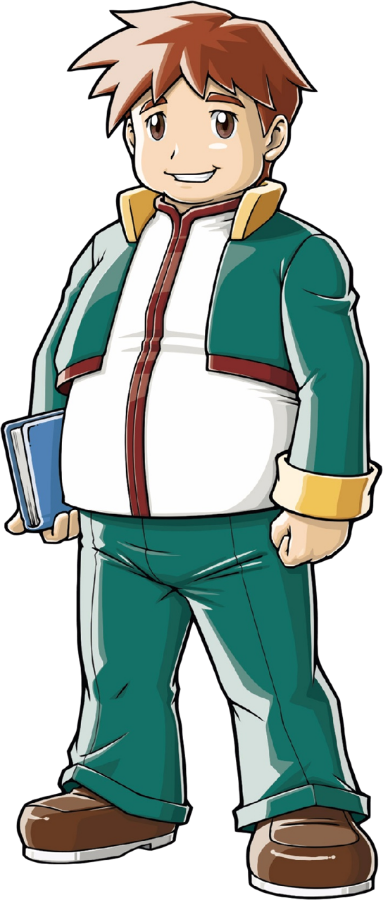
Murph
Once a Ranger at the Ringtown base in Fiore and now the Ranger Union’s public relations chief, Murph is one of the few characters in all three Ranger games. He is introduced in a flashback at the very start, and another of his flashbacks mentions Kellyn, the hero of Shadows of Almia. He arrives in Oblivia with a message from Professor Hastings, captains The Union between the islands and sets you the challenge of finding seven elusive Pokémon.

Booker
A kindly craftsman from Cocona Village who, with Ukulele Pichu, takes care of the hero after they wash up on Dolce Island. He made Pichu’s ukulele from leftover boat wood, and when a Pincher breaks it he builds a stronger one from special timber. The Big Booker Bridge on Renbow Island, which Red Eyes destroys, shares his name.

Rand
Oblivia’s only resident Ranger. His home, Rand’s House, displays the Ranger Union flag on its wall, and it is where Nema and her capture machine are found and where the Shaymin Ranger Net mission begins.
Professor Hastings, who co-founded the Ranger Union with Chairperson Erma and Principal Lamont and is a familiar face from both earlier games, sends Ben and Summer on their way and later sails to Oblivia with Murph aboard The Union. He also briefs Ben at the start of the animated special. Around the islands you will also meet Nema, who adapts your Styler for Ranger Signs, Leanne, held hostage with her by the Steelheads, Supurna, who calls sky-caught Pokémon down at the Aqua Resort, and, in Cocona Village’s past, Ravio.
Villains & bosses
The Pokémon Pinchers do the dirty work, but the real villains only show their hand late in the story, and a band of armoured oracles waits in Oblivia’s past. Each group sets its own Pokémon on you:

Villains: The Pokémon Pinchers
A gang that seizes wild Pokémon with Control Gauntlets, which makes it the opposite of everything a Ranger stands for. It runs its operations from two hideouts, a submarine beneath the sea and the Sky Fortress, and answers to the Societea.
Admins: Red Eyes and Blue Eyes, then Purple Eyes as leader
Blue Eyes, the other admin, is handed back to the gang in exchange for the captured partner at the Daybreak Ruins, and after the credits the hero has to rescue Blue Eyes from Lugia on the Eastern Sea.
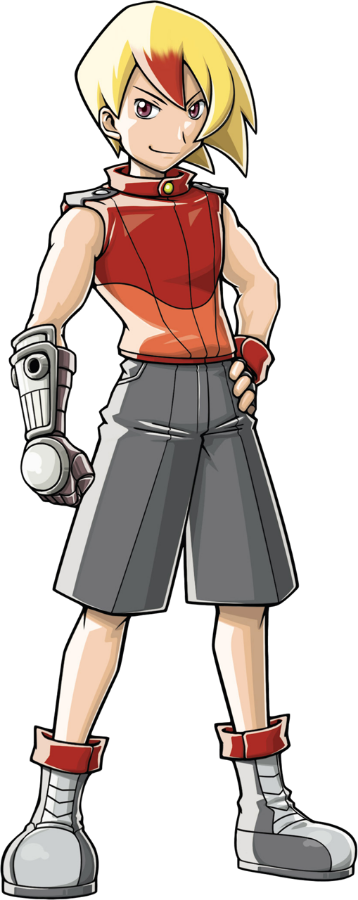
Admin: Red Eyes
The first villain you meet, and the one who fires the plasma cannon that knocks the hero into the sea. He destroys the Big Booker Bridge on Renbow Island and trades the captured partner Ranger for his fellow admin Blue Eyes at the Daybreak Ruins, before the hero finally chases him down on a mountain on Sophian Island in Mission 9.
Team: Charizard, Typhlosion, Electrode, Blaziken
In the animated special it is Red Eyes who shoots Ben down over the ocean.
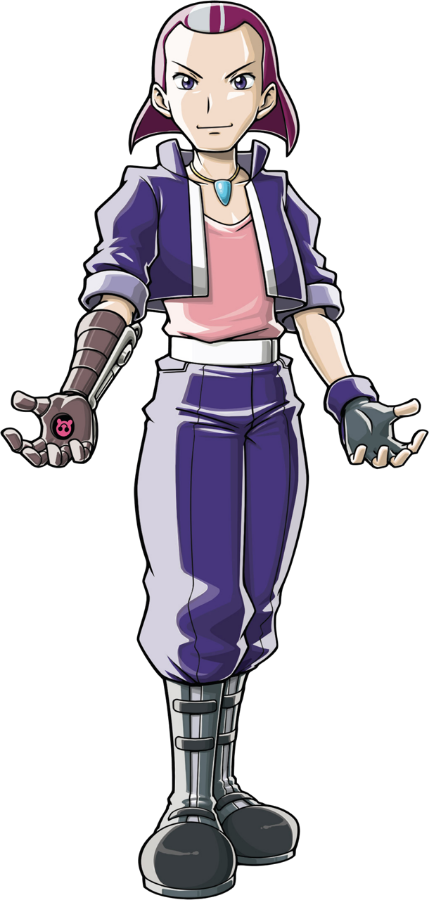
Leader: Purple Eyes
Installed by the Societea as the Pinchers’ new boss, Purple Eyes commands the armoured Steelheads. In the Sky Fortress he turns on his masters and, clad in a special suit of armour, takes Mewtwo for himself, forcing a second capture of the Legendary Pokémon as the fortress falls from the sky.
Team: Garchomp, Metagross, Gardevoir, Mewtwo
His Steelheads first show themselves in Mission 10, holding Nema and Leanne hostage in the Oblivia Ruins, and turn up again on Mt. Layuda in Mission 12.

Masterminds: Edward and the Societea
The Societea (ティーパーティー, Tea Party, in Japanese) are Edward, Arley, Kasa and Hocus, four former thieves who faded into obscurity as they grew old and have banded together again to chase eternal youth through a legendary golden armour. They are seen holding genteel tea parties on Sophian Island before they raise the Sky Fortress.
Their Pokémon: A giant Crobat, Ditto and Regigigas from the executives; Mewtwo for Edward
Edward’s golden armour once belonged to Sabios, one of the Steelhead captains of Oblivia’s past.

Oblivia’s past: The Steelheads
In ancient Oblivia the Steelheads were oracles whose armour let them control extraordinarily strong Pokémon. Six temples, Forest, Fire, Ice, Thunder, Dark and Light, each have a captain, among them Dasios, Flegos, Pagos, Brotos, Sabios and Ellios, and each must be beaten in a special mission, alone or with up to three friends.
The captains’ Pokémon: Tangrowth, Tyranitar, Abomasnow, Electivire, Dusknoir and Arceus
Armoured Steelheads also fight for Purple Eyes in the present day, and the Deoxys download added a seventh temple, the Odd Temple.
Story bosses, Mission by Mission
Almost every Mission builds up to one big capture, and five of them reward a Ranger Sign:
| No. | Mission | Where | Boss | Sign earned |
|---|---|---|---|---|
| 1 | “Drive the Pinchers out of the woods!” | Teakwood Forest | Celebi | – |
| 2 | Salvaging the sunken UFO | Under the sea | No boss | – |
| 3 | “Liberate the Wireless Tower!” | Wireless Tower | Raikou | Raikou |
| 4 | “Investigate the Old Mansion!” | Old Mansion | Meganium | – |
| 5 | “Rescue Summer!” or “Rescue Ben!” | Daybreak Ruins | Entei | Entei |
| 6 | “Foil Blue Eyes’ Plan!” | The Pinchers’ submarine | Feraligatr | – |
| 7 | “Protect Moltres!” | Faldera Volcano | Charizard | – |
| 8 | “Appease Suicune’s Wrath!” | Canal Ruins | Suicune | Suicune |
| 9 | “Chase Red Eyes!” | A mountain on Sophian Island | Typhlosion | – |
| 10 | “Rescue Nema and Leanne!” | Oblivia Ruins, behind Silver Falls | Garchomp | – |
| 11 | “Solve the Mysteries of Tilikule Island!” | Tilikule Island | Latios (Ben) or Latias (Summer) | Latios or Latias |
| 12 | “Protect Zapdos!” | Layuda Island | Metagross | – |
| 13 | “Destroy the Fortress Barrier!” | Rainbow Dais, Eastern Sea | Ho-Oh | Ho-Oh |
| 14 | “Protect the Peace of Oblivia!” | Sky Fortress | A giant Crobat, Ditto and Regigigas; Edward’s Mewtwo; then Mewtwo again under Purple Eyes | – |
| 15 | “Calm the Sky’s Rage!” (after the credits) | Mt. Sorbet, Mt. Layuda and Faldera Volcano | Articuno, Zapdos and Moltres | All three |
| 16 | “Rescue Blue Eyes!” (after the credits) | Eastern Sea | Lugia | Lugia |
Pokémon
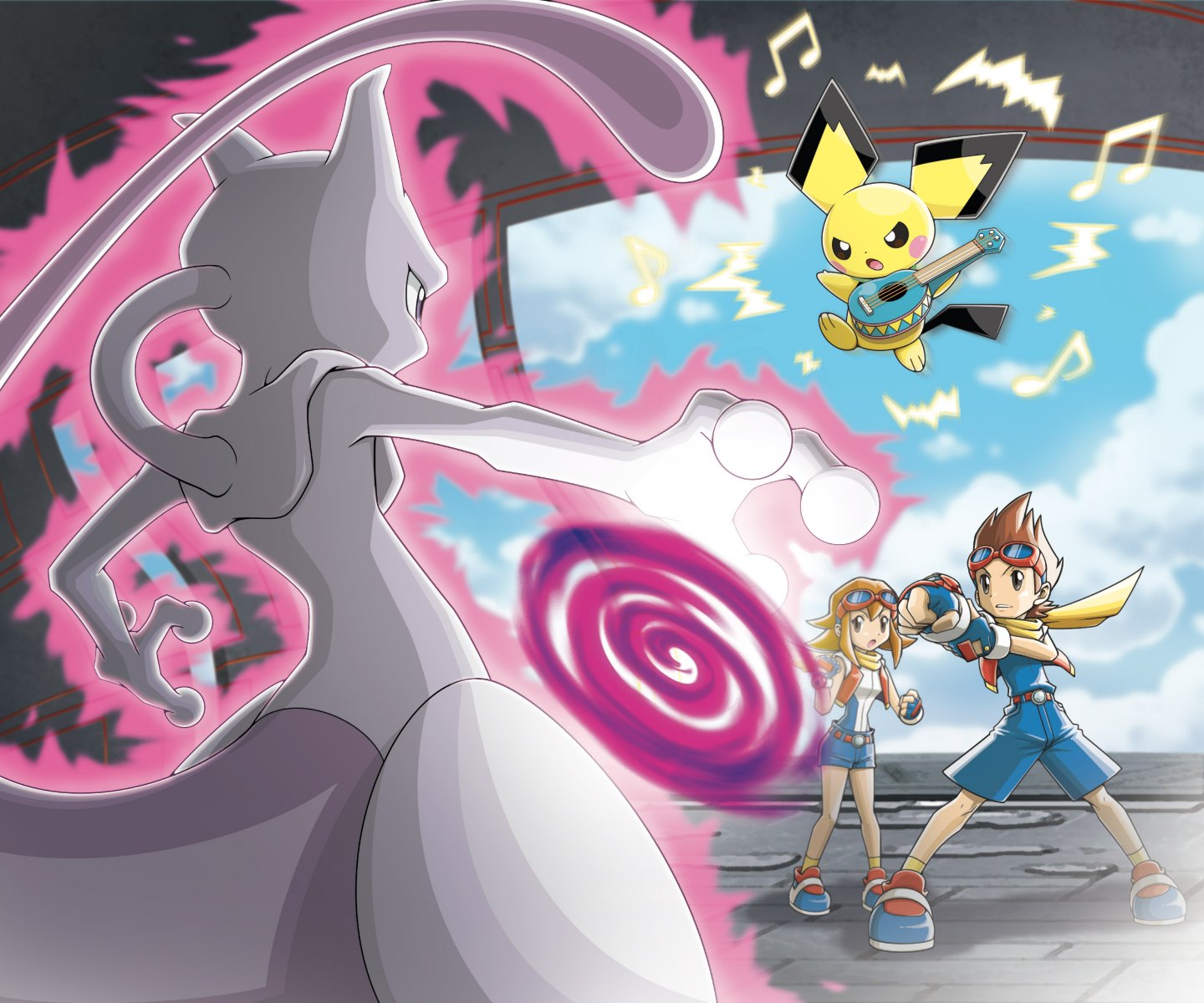
Guardian Signs has just over 300 species to befriend. The present-day Browser runs from R-001 Pidgey to R-301 Lugia, with many of the Pokémon that also feature in HeartGold and SoulSilver, plus six special entries, Heatran, Shaymin, Giratina, Dialga, Palkia and Arceus, tied to Ranger Net missions. A separate Browser for Oblivia’s past lists 222 Pokémon plus Deoxys. As in every Ranger game, Pokémon are befriended rather than owned, joining the hero for a while to lend a Field Move or a Poké Assist. Legendary Pokémon matter more here than ever: the three beasts, the Eon duo, the Legendary birds, Ho-Oh and Lugia all answer Ranger Signs, as do Celebi and, by secret sign, Mewtwo. The headline names:
 Ukulele PichuPartner · R-004
 LatiosBen’s mount
 LatiasSummer’s mount
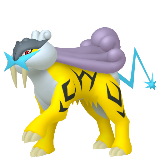 RaikouMission 3 · ridden
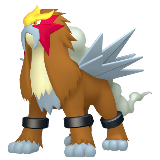 EnteiMission 5 · ridden
 SuicuneMission 8 · ridden
 Ho-OhRainbow Dais
- MewtwoFinal boss
 ArticunoMission 15
 ZapdosMission 15
 MoltresMission 15
 LugiaR-301 · Mission 16
 CelebiMission 1 · time travel
 DeoxysRanger Net · past Browser
 ArceusExtra Mission
Murph’s elusive seven
Murph’s side challenge asks you to track down seven Pokémon that are notoriously hard to find. Honchkrow and Togekiss only turn up in the skies after the credits, and catching them takes the speed of Latios or Latias:
 Honchkrow#430
 Togekiss#468
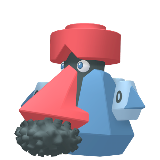 Probopass#476
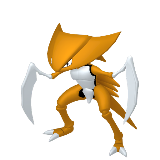 Kabutops#141
 Quagsire#195
 Heracross#214
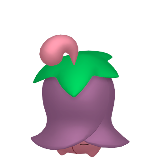 Cherrim#421
Ranger Net download missions

Guardian Signs’ Ranger Net delivered bonus missions over Nintendo Wi-Fi Connection, each for a limited time. The four Special Missions each ended by sending a Pokémon on to a Generation IV game, Diamond and Pearl, Platinum or HeartGold and SoulSilver, and Deoxys, Heatran and Shaymin arrived with the original Trainer name Oblivia and the ID number 03060. The two Extra Missions instead let you befriend Giratina, Dialga, Palkia and Arceus inside Guardian Signs itself, and stayed available until Nintendo Wi-Fi Connection closed in May 2014.
The six missions
| Mission | Type | What you get | Notes |
|---|---|---|---|
| “Deoxys and the Odd Temple” | Special Mission | Deoxys, sent to a Generation IV game | A multiplayer mission set at the Odd Temple in the past, unlocked by clearing Mission 4 and opening up multiplayer; its goals include capturing five Ninetales, and only the group leader can send Deoxys on. Ravio in Cocona Village’s past is the contact |
| “Protect the Blue Sphere!” | Special Mission | A Manaphy Egg, sent to a Generation IV game | Live from launch day in every region, alongside the Deoxys mission |
| “Investigate the Odd Eruption!” | Special Mission | Heatran, sent to a Generation IV game | Heatran also gets one of the six special Browser entries |
| “Rescue the Lost Shaymin!” | Special Mission | Shaymin, sent to a Generation IV game | Begins at Rand’s House; Shaymin gets a special Browser entry too |
| “Find Giratina’s Griseous Orb!” | Extra Mission | Encounters inside the game only | With “Pledge to Arceus”, brings Giratina, Dialga, Palkia and Arceus into the Browser |
| “Pledge to Arceus” | Extra Mission | Encounters inside the game only | Like the Giratina mission, downloadable until 19 May 2014 |
Deoxys’s forme was set by the clock: finish the mission with five minutes or more to spare and it arrives in Attack Forme knowing Meteor Mash, finish with less than a minute left and it comes in Normal Forme. Whatever its forme, it knows Psycho Boost.
- DeoxysSpecial Mission
 ManaphySpecial Mission (Egg)
 HeatranSpecial Mission
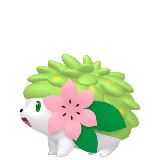 ShayminSpecial Mission
 GiratinaExtra Mission
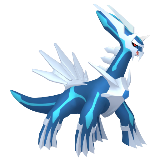 DialgaExtra Mission
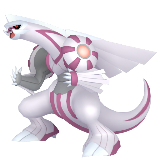 PalkiaExtra Mission
- ArceusExtra Mission
Download dates
Each mission could only be downloaded for a set period, and the windows differed from region to region:
| Date | Region | What happened |
|---|---|---|
| 6 March 2010 | Japan | “Deoxys and the Odd Temple” and “Protect the Blue Sphere!” (Manaphy Egg) available from launch day |
| 18 March 2010 | Japan | “Investigate the Odd Eruption!” (Heatran) and “Rescue the Lost Shaymin!” added |
| 15 April 2010 | Japan | Extra Missions “Find Giratina’s Griseous Orb!” and “Pledge to Arceus” added |
| 17 May 2010 | Japan | Special Missions withdrawn |
| 4 October 2010 | North America | Deoxys and Manaphy Egg missions available at launch |
| 14 October 2010 | North America | Heatran mission added |
| 5 November 2010 | Europe | Deoxys and Manaphy Egg missions available at launch |
| 15 November 2010 | North America and Europe | Shaymin mission added |
| 13 December 2010 | English-language regions | Giratina and Arceus Extra Missions added |
| 11 January 2011 | North America and Europe | Special Missions withdrawn |
| 19 May 2014 | Worldwide | Extra Missions end; Nintendo Wi-Fi Connection closes the next day |
Regional Variations
Japan had Guardian Signs seven months before North America and eight months before Europe, and a few things differ between the versions:
- The Japanese title, Pokémon Ranger: Hikari no Kiseki, means “Traces of Light”, and the European versions keep that idea rather than following the English Guardian Signs: Sillages de Lumière in French, Spuren des Lichts in German, Tracce di Luce in Italian and Trazos de luz in Spanish.
- The Ranger Net windows were very different: Japanese players had the four Special Missions between March and May 2010, while English-language players got them from October or November 2010 until 11 January 2011.
- The Giratina and Arceus Extra Missions arrived in Japan on 15 April 2010 but not until 13 December 2010 in English-language regions; both were withdrawn everywhere on 19 May 2014.
- On the Wii U Virtual Console, Europe and Australia came first, on 9 June 2016, followed by Japan on 3 August and North America on 18 August 2016. It cost £6.29 in the UK and $9.99 in the US.
- The English dub of the animated special joins its two Japanese parts into a single short of about ten minutes, trimming the cliffhanger that ended Part 1.
Left in the data
- An unused Field Move called Water Jet, perhaps a relative of the River Flow move in Shadows of Almia, is still in the data, alongside six unfinished Field Moves that only have placeholder graphics.
- Leftover sprites include the male hero riding Raikou, an Overcast Form Cherrim, a swimming Carvanha and a powered-up Lucario whose Poké Assist crashes the game.
- Three early test maps survive: a forest of red trees and rivers, a beach scattered with ice rocks and cobwebs, and an alternative version of a Ranger Base.
- The title theme of Shadows of Almia is still in the sound data, along with leftover tunnel text from that game and a message reading “This gimmick is under development”.
- A Korean translation file is present too, including early Wi-Fi text such as “Wi-Fi User Data Transfer”, although the game never came out in South Korea.
Videos & media
Trailers for the DS original and for the Wii U Virtual Console release.
The English trailer shown at E3 2010, introducing Ukulele Pichu, Ranger Signs and flight to players outside Japan.
The launch trailer for the 2016 Wii U Virtual Console release, where the touch-screen captures move to the Wii U GamePad.
Trivia & facts
-

The map of Oblivia. Oblivia’s seven islands are named after the solfège scale: Dolce (do), Renbow (re), Mitonga (mi), Faldera (fa), Sophian (so), Layuda (la) and Tilikule (ti).
- The region’s name is built from oblivion, the state of being forgotten, with the place-name ending -ia added.
- The two heroes’ names swap over between languages: Ben is Natsuya in Japanese, a name that comes from the word for summer, while Summer is Minami, which means south.
- Almia had a Ranger Base in Vientown and several Ranger Depots besides, but Oblivia has no Ranger Base at all. Rand is its only resident Ranger, so the Union sends a ship, The Union, to serve as a floating base.
- The map room at Ranger Union HQ, seen in the opening and the epilogue, shows a map of Oblivia instead of the usual map of Almia.
- The very first boss of the game is Celebi, the Pokémon that later becomes the hero’s way into Oblivia’s past.
- The Japanese script keeps Legendary Pokémon separate from “rare” Pokémon, the group now called Mythical Pokémon in English, yet Phione turns up as an ordinary wild Pokémon.
-

Key art for the Heatran mission. The anime episode Pokémon Ranger: Heatran Rescue! premiered in Japan on 18 March 2010, the same day the Heatran Ranger Net mission opened there, and both star a Heatran that knows Eruption.
- Arley, the missing lumberjack whose disappearance sends the hero into Teakwood Forest, turns out to be one of the four members of the Societea.
- The multiplayer artwork on the back of the box shows Summer in two alternative colour schemes, one of them with blonde hair and orange goggles.
Legacy
What came after
- Revealed in CoroCoro Comic – 13 January 2010. The formal announcement, with screenshots and artwork, followed two days later
- Japanese trial version – 29 January 2010. Handed out through Nintendo Zone hotspots and DS Station, and used to reveal the Eevee and Croagunk Ranger Signs
- Animated special airs in Japan – 28 February 2010. Part 1 on Pokémon Sunday; Part 2 followed on 7 March 2010
- Japanese launch – 6 March 2010. Number one in its first week with 160,532 copies, with the Deoxys and Manaphy Egg missions live from day one
- E3 2010 trailer – June 2010. The English-language trailer introduced Ukulele Pichu to players outside Japan
- North American launch – 4 October 2010. Seven months after Japan, with the Deoxys and Manaphy Egg missions ready on launch day
- European launch – 5 November 2010. Australia followed on 25 November 2010
- Nintendo Wi-Fi Connection closes – 20 May 2014. The last download window had shut the day before, so the Extra Missions could no longer be had
 Wii U Virtual Console (Europe and Australia) – 9 June 2016. Single-player only, without multiplayer or the downloadable missions
 Wii U Virtual Console (Japan) – 3 August 2016. North America followed on 18 August 2016, at $9.99
- Wii U eShop closes – 27 March 2023. The Virtual Console edition was withdrawn from sale; earlier buyers can still download it again
Where to play it today
As of October 2026 Guardian Signs is out of print and cannot be bought digitally anywhere. The DS Game Card is easy to find second-hand and plays on any DS, DSi or 3DS, local wireless multiplayer included. The Wii U Virtual Console edition left sale when the Wii U eShop closed on 27 March 2023, though anyone who bought it before then can still download it again. The Ranger Net missions, and with them the Deoxys, Heatran, Shaymin and Manaphy transfers, ended with Nintendo Wi-Fi Connection in May 2014, and the game has never been released on Nintendo Switch.

How it was made
Guardian Signs was made by Creatures Inc., the studio behind both earlier Ranger games. Yukinori Torii directed, Hiroyuki Jinnai and Hiroaki Tsuru produced, and Satoru Iwata and Tsunekazu Ishihara were executive producers. Akihito Toda wrote the scenario, Yusuke Shimada was art director and designed the characters with Hiroki Fujiwara, and Ken-ichi Koyano and Keisuke Oku composed the music under sound director Takuto Kitsuta. Junichi Masuda and Tetsuya Watanabe advised on the game design, and Kouki Saitou painted the box and key art.
CoroCoro Comic revealed the game on 13 January 2010, and the formal announcement two days later set a release date of 6 March and a price of 4,800 yen, along with the news that the Ranger series had passed five million sales worldwide. From 29 January a trial version was available through Nintendo Zone hotspots, McDonald’s restaurants among them, and DS Station kiosks. The English version was shown with a new trailer at E3 in June 2010, and its official website opened on 29 September 2010.
Guardian Signs in other media

Sales & reviews
Sales figures
In Japan Guardian Signs went straight to number one, selling 160,532 copies in the week to 7 March 2010, a sell-through of 40.63% of the stock shipped, though that was below Shadows of Almia’s opening week of about 242,000. It held the top spot for a second week, reaching 226,000, and Media Create’s charts had it at 490,630 by 2 January 2011, 499,040 a year later and 500,615 by 29 December 2013. The CESA Games White Paper 2023 puts its worldwide total at 1.53 million copies, and when the game was announced in January 2010 the Ranger series as a whole had already passed five million.
- 1.53mworldwide (CESA, 2023)
- 500,615Japan by December 2013
- 160,532Japan, first week at No. 1
- 68Metacritic (25 critics)
Review scores
Critics were polite rather than enthusiastic. Nintendo Power was among the kinder voices: “Shakes things up in some interesting ways, mainly through its diverse array of mission locales.” Alan Kim of GamesRadar+ was blunter, writing that “Guardian Signs is a great game for small children, but is too simplistic for the rest of us”, and revisiting the Wii U release in 2016, Dave Frear of Nintendo Life concluded that “there’s fun to be had with Guardian Signs but it’s not a must-buy Pokétitle”.
Most critics saw Guardian Signs as a polished, good-looking but cautious sequel, and its Metacritic average of 68 reflects a run of mixed verdicts; Famitsu was far warmer, with 36 out of 40. Reviewers enjoyed the variety of Oblivia’s locations, the music and the new flying and underwater sections, and several thought the main quest a good length for a handheld game. The complaints were about familiarity and repetition: GamePro and IGN both felt it changed too little from the previous two Ranger games to win over anyone who had not liked them, GamesRadar+ found the endless circle-drawing wore thin and saw it as a game mainly for young children, and the story was called forgettable and too talkative. Looking back at the Wii U release in 2016, Nintendo Life found it enjoyable but inessential.
Further reading
More Ranger games, the Generation IV games Guardian Signs links up with and other DS spin-offs on the site: