  |
|
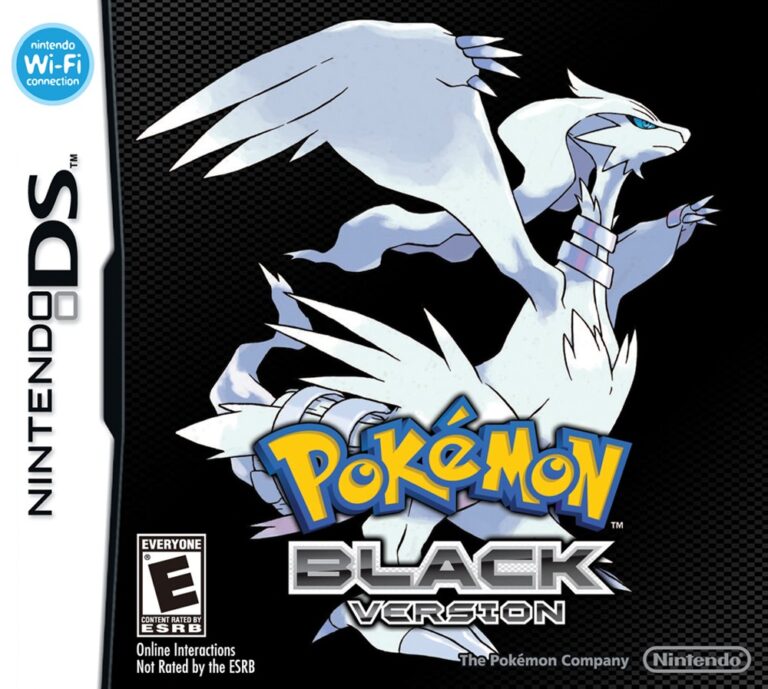
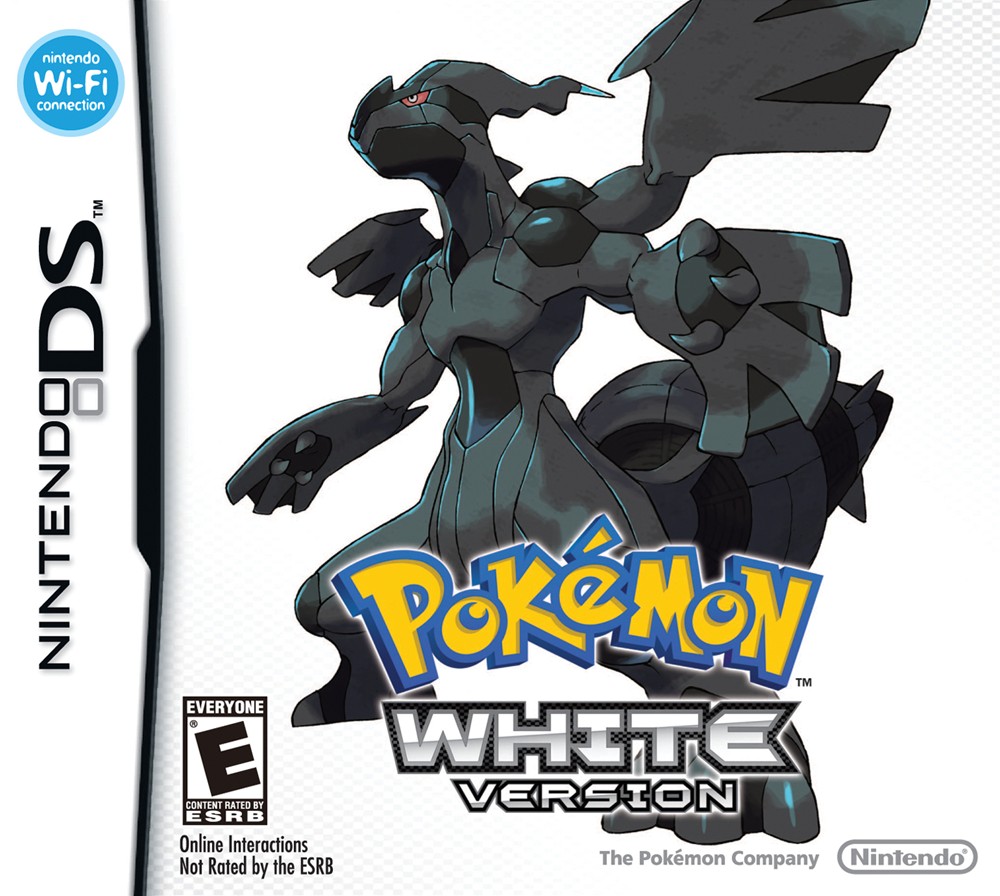
| Titles | Pokémon Black Version & Pokémon White Version ポケットモンスター ブラック · ホワイト |
| Platform | Nintendo DS (DSi-enhanced) |
| Developer | Game Freak |
| Publisher | Nintendo / The Pokémon Company |
| Director | Junichi Masuda |
| Producers | Junichi Masuda, Hitoshi Yamagami, Shusaku Egami, Hiroaki Tsuru |
| Composers | Shota Kageyama, Go Ichinose, Hitomi Sato, Junichi Masuda, Minako Adachi, Morikazu Aoki, Satoshi Nohara |
| Artists | Ken Sugimori, Takao Unno |
| Players | 1–4 (DS Wireless, Nintendo Wi-Fi Connection and infrared) |
| Generation | Generation V – the first Unova games |
| New Pokémon | 156 (National Pokédex #494–649; 649 in all) |
| New moves & Abilities | 92 new moves · 41 new Abilities · 95 reusable TMs |
| Predecessor | Pokémon HeartGold & SoulSilver |
| Direct sequels | Pokémon Black 2 & White 2 |
| Released (Japan) | 18 September 2010 (Hong Kong and Taiwan the same day) |
| Released (Europe) | 4 March 2011 |
| Released (North America) | 6 March 2011 |
| Released (Australia) | 10 March 2011 |
| Released (South Korea) | 21 April 2011 |
| Rating | CERO A · ESRB E (Everyone) · PEGI 3 · G (Australia) |
| Cartridge | Nintendo DS Game Card; the Black card is moulded in black plastic |
| Sales | 15.64 million combined – 2.6 million in Japan’s first two days |
Overview
 Pokémon Black and White are the paired core series titles that kicked off Generation V. They were released on the Nintendo DS, first in Japan on September 18th, 2010, then in Europe on March 4th, 2011, followed by the U.S. on March 6th, 2011, and finally released in Australia a few days after, on March 10th, 2011.
The story for Pokémon Black & White takes place in the all-new Unova region, and the games boast an impressive 156 new Pokémon as well as 92 new moves and 41 new Abilities. The games enjoy some minor enhancements (over the original DS release) when played on the DSi or 3DS.
Although Black & White have trading compatibility with many previous Pokémon titles, no Pokémon from outside Unova can be traded in until Team Plasma is defeated and the storyline complete. The names of these newly-revealed-at-the-time Pokémon titles were announced on the official Pokémon Japanese website on the 9th of April 2010. Black & White remain the only paired main series titles to receive direct sequels, which came in the form of Pokémon Black Version 2 & Pokémon White Version 2, which would be the final released core series games of Generation V.
A new world filled with never-before-seen Pokémon! What are the true motives of Team Plasma and the mysterious N? What is the secret of the Legendary Pokémon? Adventure across the Unova region and discover all-new Pokémon!
— Official description, North American packaging
Quick Answers
The questions people ask about Black and White, answered first and explained further down the page.
What are the differences between Pokémon Black and White, and which should I buy?
Black has Reshiram, Tornadus, Black City and Gym Leader Drayden; White has Zekrom, Thundurus, White Forest and Iris. Each version has 17 exclusive species, Opelucid City looks futuristic in Black and traditional in White, and a few Trainers swap Triple and Rotation Battles. Choose the dragon and post-game area you like best. More →

How do you catch Reshiram or Zekrom?
You meet it in N’s Castle at the climax of the story: Reshiram in Black, Zekrom in White, both at Lv. 50. Catching it is compulsory, and it reappears at once if it faints or you run. If your party and boxes are full, it waits at Dragonspiral Tower after Ghetsis. The other dragon needs a trade. More →

How do you get Victini?
Victini needs the Liberty Pass, an event item. With it, the ferry at Castelia City’s Liberty Pier sails to Liberty Garden, where Team Plasma Grunts guard the lighthouse. Victini waits in the lighthouse basement at Lv. 15. It can never be shiny, and if you knock it out or flee, it returns once you leave the area. More →

Where do you catch Kyurem?
Kyurem lives in the deepest cave of the Giant Chasm, north of Route 13, once you have entered the Hall of Fame. Reach the pond at the heart of the crater forest to freeze the area and open the way. It is Lv. 75, and if you defeat it or run, it returns after your next Hall of Fame entry. More →
Where are the Swords of Justice?
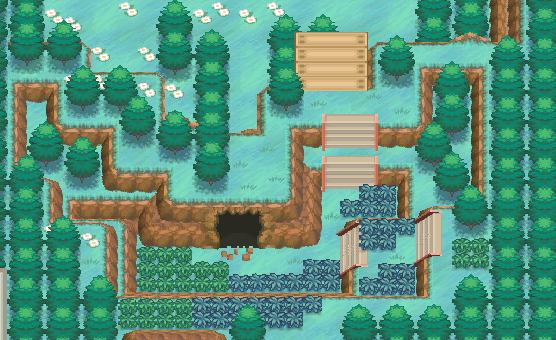
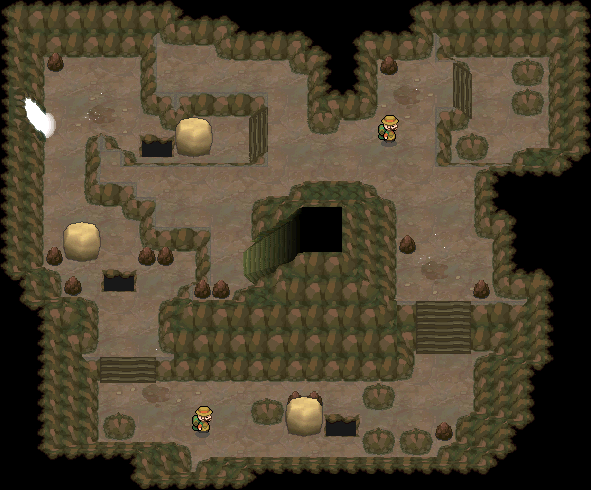
Start with Cobalion in the Guidance Chamber of Mistralton Cave, which needs Surf. Meeting it makes Terrakion appear in Victory Road’s Trial Chamber and Virizion in Pinwheel Forest’s Rumination Field, all three at Lv. 42. Each lives in a dark spot, so Dusk Balls work well. Keldeo, the young fourth member, was event-only. More →
How do you catch Tornadus, Thundurus and Landorus?
Hear the old woman’s story in a house on Route 7 and Tornadus (Black) or Thundurus (White) bursts out to roam Unova at Lv. 40. For Landorus, bring both genies in your party to the Abundant Shrine on Route 14, where it appears at Lv. 70. The other version’s genie must be traded in first. More →
How do the seasons work?
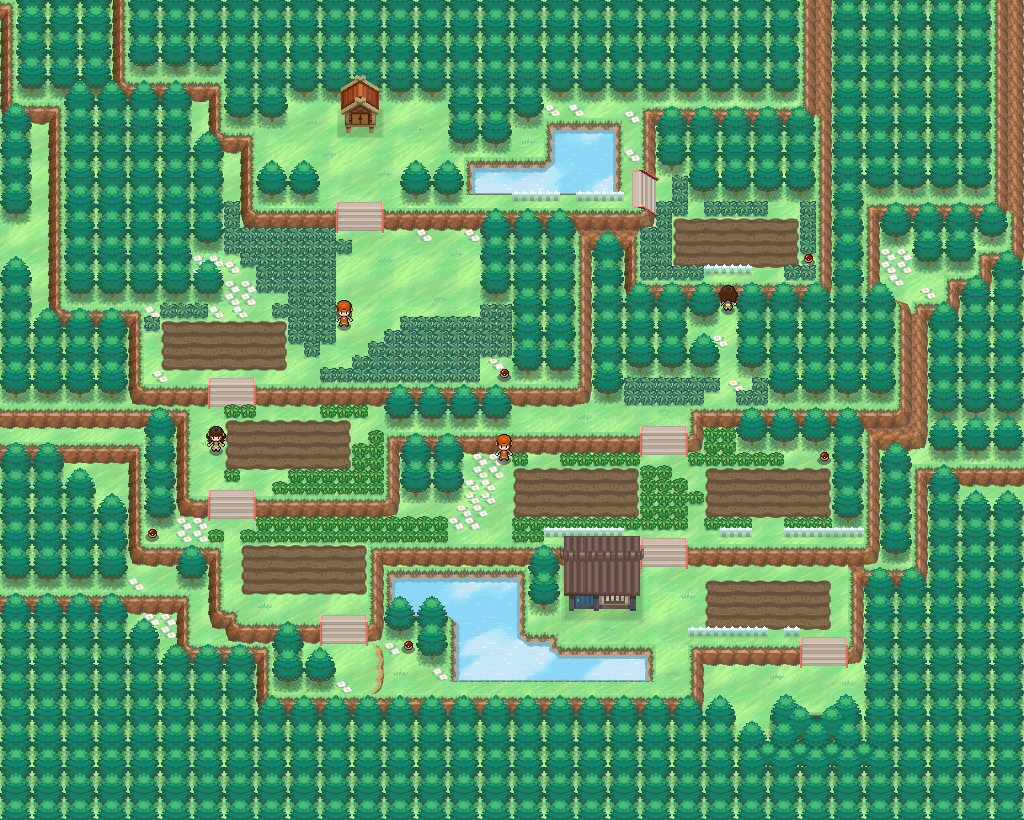
Unova changes season every month, so the cycle runs three times a year: spring in January, May and September, summer in February, June and October, and so on. Deerling and Sawsbuck change coats, winter snow reshapes Icirrus, Twist Mountain and Dragonspiral Tower, and Cynthia visits Undella Town only in spring and summer. More →

Do the Dream World and Wi-Fi features still work?
No. The Pokémon Dream World closed on 14 January 2014, ending that source of Hidden Ability Pokémon, and Nintendo Wi-Fi Connection shut on 20 May 2014, taking the GTS and online battles with it. The Global Link website itself closed in February 2020. Local wireless play, the Entralink and Poké Transfer still work. More →
Is Pokémon Black and White on Nintendo Switch?
No. As of October 2026, Black and White have never been re-released or remade, and they remain Nintendo DS games playable on DS, DSi and 3DS systems. Pokémon Day 2026 brought FireRed and LeafGreen to the Switch eShop rather than the Unova games, so an original cartridge is still the only official way to play. More →

Why are there no older Pokémon until after the story?
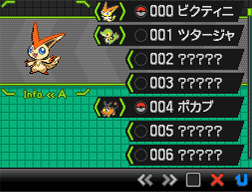
It was deliberate. The Unova Pokédex lists only the 156 new species, numbered from Victini at 000, so earlier Pokémon stay out of the wild until the credits roll. Junichi Masuda wanted veterans to feel as new to the series as they had with Red and Green. Afterwards, older species turn up across Unova, in swarms and in White Forest. More →

Plot / Story
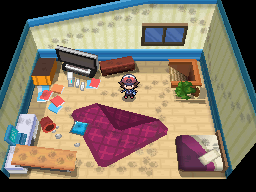
The player is in their room with Cheren, their childhood friend who grew up with them in Nuvema Town. Professor Juniper has left a present for them and Bianca, another close friend of the player, who arrives later. The box has three Pokémon they can choose from; after choosing, Bianca requests a battle, and afterwards Cheren heals their Pokémon and starts a battle against the player, gloating about it if he wins. The three go downstairs, where the player’s mother will heal their Pokémon after their friends leave.

The player goes to Bianca’s house, where she and her father are arguing about her Pokémon journey. Bianca leaves, and the player follows her into Professor Juniper’s lab, where Cheren is waiting; the Professor lets you change the nickname of your Pokémon and provides them all with a Pokédex. After leaving, the player’s mother gives them a map.
And now the player is ready to step into Unova, where Cheren and Bianca, alongside the player, will beat the eight Gym Leaders, try to complete the Pokédex and get to the Pokémon League to defeat the Elite Four and Champion. Or so they would, if it wasn’t for Team Plasma, who interfere with their Pokémon journey as they go. The player eventually finds N, the leader of the organisation, who thinks humans just hold Pokémon back.
Ghetsis, one of the Seven Sages, has a secret goal different from N’s; he is far more malevolent, and both have to be defeated by the player in order to save the bonds between Pokémon and their Trainers.
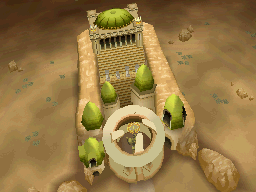
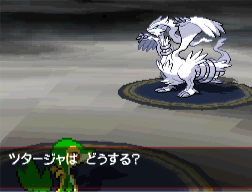
The player beats all the Gym Leaders and the Elite Four; after making it to the Champion’s room they are greeted by N, who has defeated Alder, the current Champion. He then summons his castle to ambush and attach itself to the Pokémon League. The player then passes through the castle to find N, who claims to be a hero, and his Legendary dragon. The Light Stone or Dark Stone, depending on the version, awakens in the player’s hands as the other dragon hero, Reshiram or Zekrom; the player captures it and uses it to defeat N.

N is defeated, and then Ghetsis interferes, revealing his intention of making Team Plasma exist just for his own agenda, and how N’s idea of liberating Pokémon was just a tool. In a rage, he battles the player. N reconsiders his actions and ideas after seeing how the player and their Pokémon deal with Ghetsis.
After defeating N and Ghetsis, the player will return to their house to find none other than Looker, who will be disguised as the player’s mother for a while. He explains that he needs the help of the player to catch the Seven Sages of Team Plasma, hidden all over Unova. Eastern Unova opens up, giving access to Black City or White Forest, depending on the version, Undella Town and Lacunosa Town, and the Giant Chasm, where Kyurem can be battled and captured. The areas now have Pokémon that are native to the other regions.
From now on there will be Pokémon outbreaks on the routes of Unova, and a series of either windstorms or thunderstorms will happen on the routes, where a roaming Tornadus in Black or Thundurus in White will appear; the player can capture them if they want.
Lastly, in Undella Town, the player will find none other than Cynthia, Champion of the Sinnoh region. She will challenge the player, and after being beaten she will remark on how they share the same qualities and abilities as another young Trainer from Sinnoh.
The whole journey in brief, Ferris wheel and all
The adventure begins in Nuvema Town, where Professor Juniper has left a gift box in the player’s bedroom holding Snivy, Tepig and Oshawott, to be shared with childhood friends Cheren and Bianca. The first battles leave the room in ruins, Juniper hands out Pokédexes and the three set off. In Accumula Town a robed speaker named Ghetsis urges a crowd to liberate Pokémon from their Trainers, and a strange young man called N, who says he can hear Pokémon talk, challenges the player.
Team Plasma shadow the journey from then on. Grunts torment a Munna for its Dream Mist in the Dreamyard outside Striaton City, steal the Dragon Skull from the Nacrene Museum and are chased down in Pinwheel Forest, and take Bianca’s Munna in Castelia City. On the Nimbasa City Ferris wheel N reveals that he is Team Plasma’s king. After the grunts are flushed out of Driftveil’s Cold Storage, the Shadow Triad lead the player through Chargestone Cave towards Mistralton.
At Dragonspiral Tower N awakens the Legendary dragon, Zekrom in Black and Reshiram in White, and leaves on its back. The search for its rival leads to the Relic Castle, where Alder lends a hand and Ghetsis shows himself, and the Light Stone (Black) or Dark Stone (White) finally reaches the player in Nacrene. Ghetsis speaks again in Opelucid City, and after the eighth Badge the player crosses Victory Road to the Pokémon League.
With the Elite Four beaten, the player finds that N has already defeated Champion Alder. N’s Castle rises from the ground around the League; the Gym Leaders hold back the Sages while the player climbs to the throne room, where the stone awakens and the second dragon must be caught. The player beats N, and Ghetsis then reveals that N was only a pawn in his bid to be the one person in Unova with Pokémon. Once Ghetsis falls, N admits his doubts and flies away on his dragon.
After the credits, Looker recruits the player to track down the six fugitive Sages. Eastern Unova opens up: Undella Town, where Cynthia spends her holidays, Black City or White Forest, Lacunosa Town and the Giant Chasm, home of Kyurem. Back in Castelia, Game Freak’s Morimoto offers a daily battle in the company’s office.



Seventeen things Black & White did first
- The first core region whose Pokédex contains only new species: no older Pokémon appear in the wild until the main story is over.
- Two rivals instead of one, and both are the player’s childhood friends rather than antagonists: the driven Cheren and the cheerful Bianca.
- The villains claim to be liberators, preaching that Pokémon should be freed from their Trainers rather than chasing money or world power.
- The Champion is not the last opponent before the credits: N has already beaten Alder, and the story ends with N and then Ghetsis.
- The cover Legendary must be caught to continue the story; if it faints or the player flees, it simply reappears.
- A season system: Unova changes season every month, altering scenery, wild Pokémon and even which paths can be reached.
- Pokémon sprites are animated throughout battles, and the battle camera moves with the action.
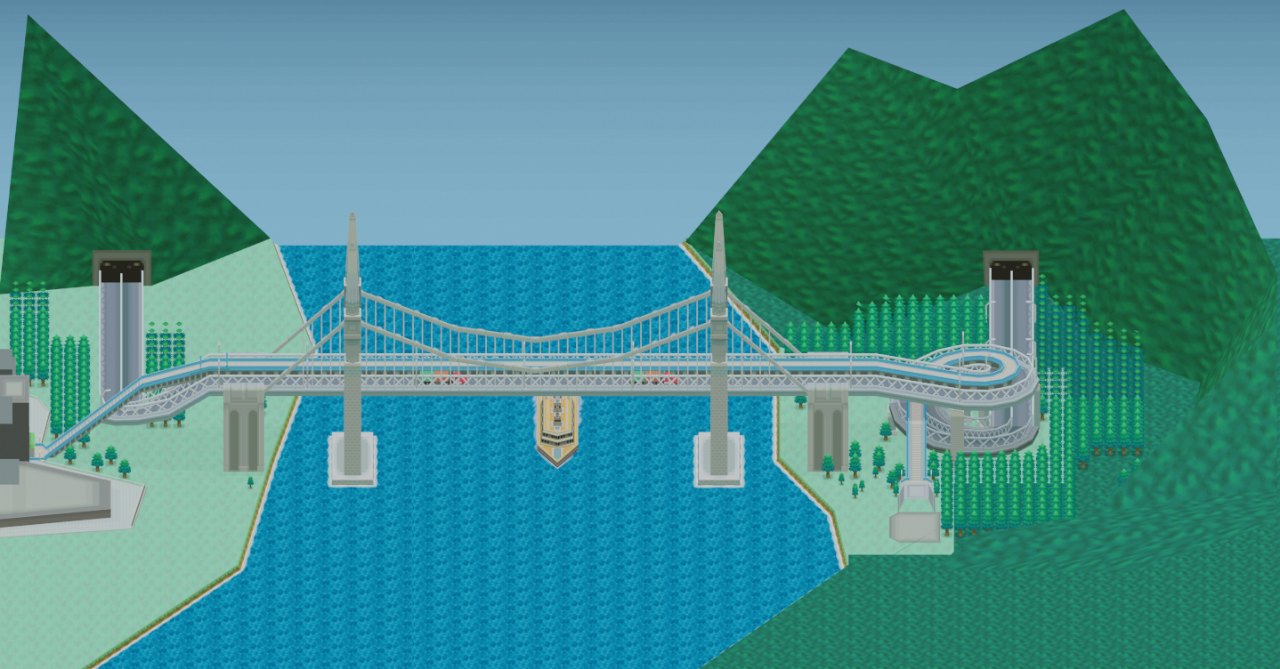
- 3D-rendered cities and bridges with dramatic camera angles, most memorably the approach across Skyarrow Bridge into Castelia City.
- Professor Juniper is the first woman to be the regional professor in a core series game.
- TMs are no longer used up: each one can be taught again and again.
- Triple Battles and Rotation Battles join Single and Double Battles.
- The Pokémon Musical in Nimbasa City replaces Pokémon Contests.
- Black City and White Forest are the first version-exclusive locations in the series.
- Poké Marts are built into Pokémon Centres instead of standing as separate shops.
- The walking partner Pokémon of HeartGold and SoulSilver is dropped, and there is no Game Corner.
- Route numbering starts again at Route 1, and the regional Pokédex starts at #000.
- The first core series games with a word filter for player-entered text.
Your rivals, Cheren and Bianca
Two rivals this time: Cheren picks the starter that beats yours, Bianca the one that loses to it. Where a team depends on your starter, the options run Snivy / Tepig / Oshawott.
- Cheren 1 – Nuvema Town, the player’s bedroom: Tepig / Oshawott / Snivy Lv. 5
- Cheren 2 – Striaton City: Purrloin Lv. 8, Tepig / Oshawott / Snivy Lv. 8
- Cheren 3 – Route 3: Purrloin Lv. 12, Tepig / Oshawott / Snivy Lv. 14
- Cheren as ally – Wellspring Cave: a Multi Battle beside the player against two Team Plasma Grunts, with his Route 3 team
- Cheren 4 – Route 4: Pidove Lv. 20, Pansage / Pansear / Panpour Lv. 20, Liepard Lv. 20, Pignite / Dewott / Servine Lv. 22
- Cheren 5 – Route 5: Liepard Lv. 24, Pansage / Pansear / Panpour Lv. 24, Tranquill Lv. 24, Pignite / Dewott / Servine Lv. 26
- Cheren as ally – Route 5: a Multi Battle beside the player against Preschoolers Sarah and Billy, with the same team
- Cheren 6 – Twist Mountain: Unfezant Lv. 33, Simisage / Simisear / Simipour Lv. 33, Liepard Lv. 33, Pignite / Dewott / Servine Lv. 35
- Cheren 7 – Route 10: Unfezant Lv. 43, Simisage / Simisear / Simipour Lv. 43, Liepard Lv. 43, Emboar / Samurott / Serperior Lv. 45
- Cheren post-game – Victory Road, once a day: Liepard, Simisage / Simisear / Simipour, Unfezant, Gigalith and Haxorus Lv. 65, Emboar / Samurott / Serperior Lv. 67
- Bianca 1 – Nuvema Town, the player’s bedroom: Oshawott / Snivy / Tepig Lv. 5
- Bianca 2 – Route 2: Lillipup Lv. 6, Oshawott / Snivy / Tepig Lv. 7
- Bianca 3 – Castelia City (Castelia Gate): Herdier Lv. 18, Pansear / Panpour / Pansage Lv. 18, Munna Lv. 18, Dewott / Servine / Pignite Lv. 20
- Bianca 4 – Driftveil City: Herdier Lv. 26, Pansear / Panpour / Pansage Lv. 26, Musharna Lv. 26, Dewott / Servine / Pignite Lv. 28
- Bianca 5 – Route 8: Stoutland Lv. 38, Simisear / Simipour / Simisage Lv. 38, Musharna Lv. 38, Samurott / Serperior / Emboar Lv. 40
- Bianca post-game – Nuvema Town: Stoutland, Simisear / Simipour / Simisage, Musharna, Mienshao and Chandelure Lv. 63, Samurott / Serperior / Emboar Lv. 65
N, the king who talks to Pokémon
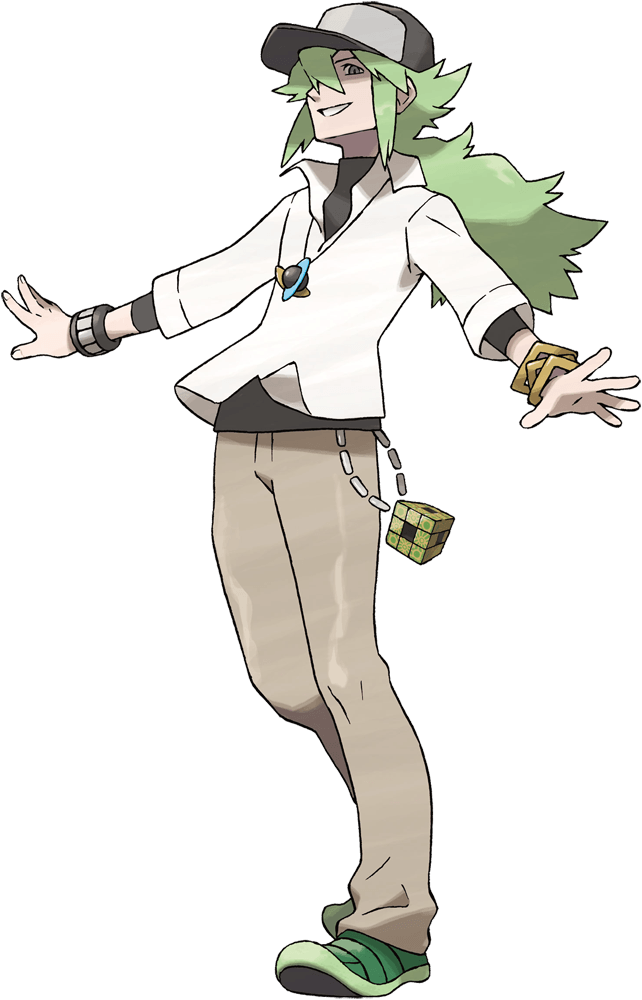
N, whose full name is Natural Harmonia Gropius, is the soft-spoken young man on Team Plasma’s throne. Found as a boy living in the woods with Pokémon as his only friends, he was adopted by Ghetsis and raised in seclusion inside the castle, allowed near only those Pokémon that people had mistreated. That upbringing convinced him that humans and Pokémon must be separated, and left him able to understand what Pokémon say. He battles the player four times on the road, each time with a different set of Pokémon, and reveals his identity on the Nimbasa Ferris wheel. After waking his dragon at Dragonspiral Tower he defeats Alder, raises his castle around the League and meets the player with the dragon at Lv. 52. Beaten, he starts to wonder whether truth and ideals can coexist, and Ghetsis promptly dismisses him as a failed tool. N says his goodbyes, climbs onto his dragon and leaves Unova behind.
The legend of the twin heroes
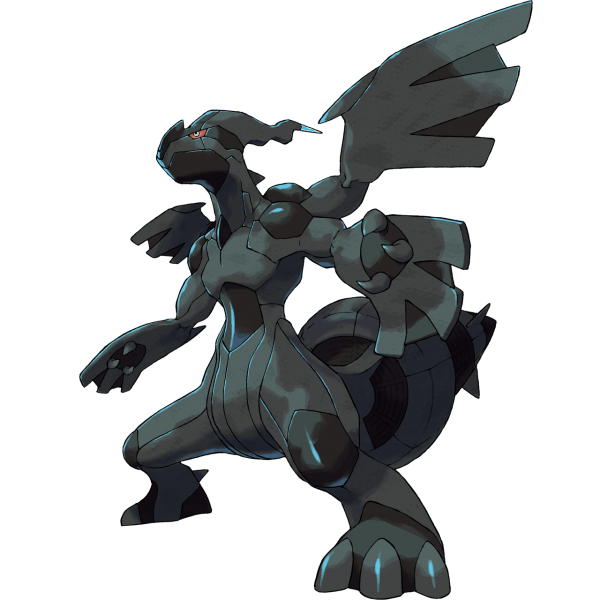
Long ago, two brothers used a single dragon to unite the warring peoples of the land and became its first kings. In time the elder brother came to prize truth while the younger championed ideals, and their quarrel split the dragon in two: Reshiram sided with the elder and Zekrom with the younger. Born of one body, the two dragons were so evenly matched that neither could win, and the brothers concluded that neither cause was wrong. Their sons were less wise. The next generation took up the feud again, and fire and lightning laid the region waste before the dragons vanished, resting as the Light Stone and the Dark Stone. Kyurem, a cold and hollow dragon, is said to be what was left over when the original creature divided, which is why its body looks unfinished.


In the anime and movies
The anime followed the games to Unova for three seasons as Best Wishes!, with Iris and Cilan at Ash’s side and, eventually, N himself.
In the anime
Anime seasons which loosely tie in with Black & White (in terms of locations, NPCs such as Gym Leaders and Pokémon):
 Season 14: Black & White2010–2011Ash heads to Unova with Pikachu, which loses its electricity after a run-in with Zekrom, and teams up with Iris and Cilan. The season mirrors the start of the games, with Unova’s new Pokémon front and centre and Gym battles against Unova Leaders such as the Striaton triplets and Lenora.
 Season 15: BW Rival Destinies2011–2012The journey continues across the middle of Unova, with more Gym Badges for Ash, his ongoing rivalry with Trip, new friends and foes along the way, and the growing threat of Team Rocket’s schemes in the region.
 Season 16: BW Adventures in Unova and Beyond2012–2013The Unova League and its aftermath, followed by the Episode N arc, in which N, Ghetsis and Team Plasma finally take centre stage in a storyline that also borrowed from Black 2 and White 2, before Ash sets out beyond Unova.
In the movies
 Pokémon the Movie: Black & White – Victini and Reshiram / Zekrom2011Released in two versions to mirror the paired games, the 14th film stars Victini, with Zekrom taking the lead in one cut and Reshiram in the other. The differences centre on which dragon sides with Ash and on a handful of scenes, so fans were encouraged to see both.
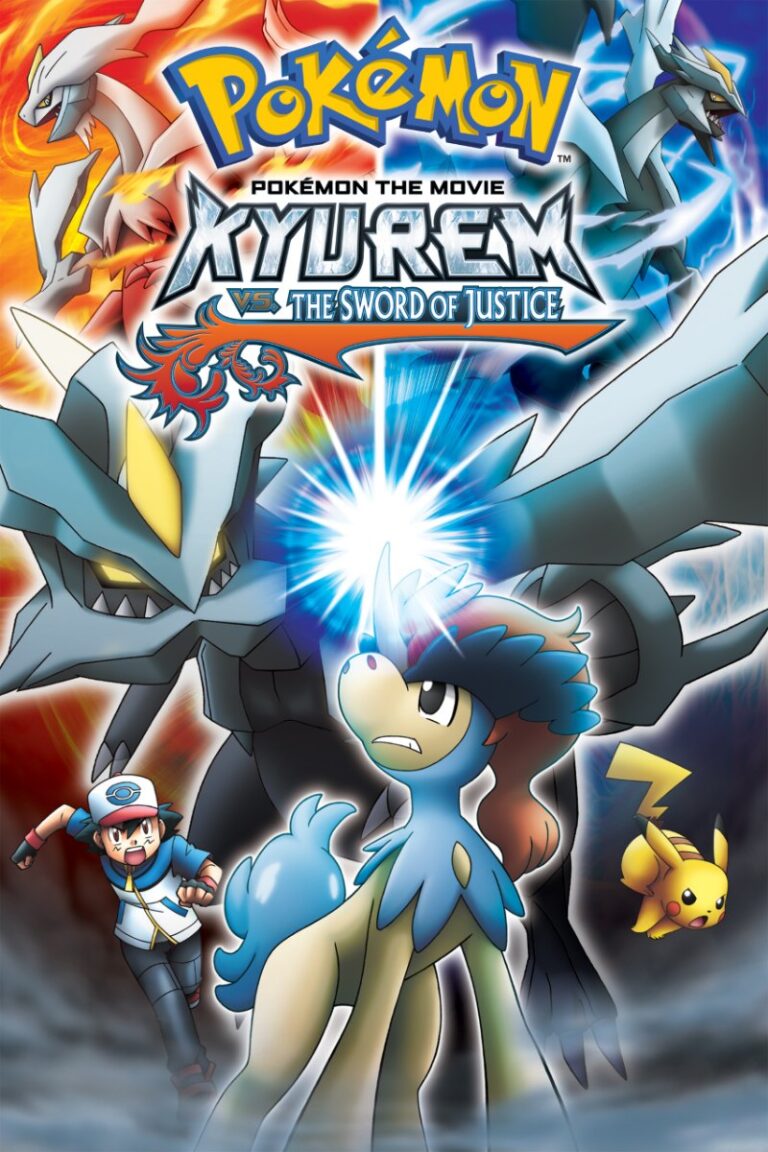 Pokémon the Movie: Kyurem vs. the Sword of Justice2012The young Keldeo, eager to prove himself worthy of Cobalion, Terrakion and Virizion, rashly challenges Kyurem and draws Ash and his friends into the fight. The film tied in with the Swords of Justice and Kyurem of the Unova games.
 Pokémon the Movie: Genesect and the Legend Awakened2013A group of revived Genesect, the ancient Pokémon remodelled by Team Plasma in the games’ lore, make a modern city their nest, setting up a clash with Mewtwo, who returns to the big screen in a new form.
The Black & White episodes
The Black & White episodes – where the games’ opening stretch reaches the screen:
- BW001In the Shadow of Zekrom! – Ash arrives in Unova, meets Professor Juniper and sees Zekrom in a storm that saps Pikachu’s power.
- BW002Enter Iris and Axew! – Iris, the future Opelucid Gym Leader of White, joins Ash’s travels.
- BW004The Battle Club and Tepig’s Choice! – Ash gains Tepig, one of the games’ three starters.
- BW005
 Triple Leaders, Team Threats! – The Striaton City Gym, run by Cilan, Chili and Cress as in the games.
- BW006Dreams by the Yard Full! – A visit to the Dreamyard, where Munna and Musharna’s Dream Mist echo the game’s early Team Plasma plot.
Gameplay & features

Pokémon Black and White stay true to the core series games, with the player’s goal to catch all the Pokémon, beat the Gym Leaders and the Elite Four, and become the Pokémon Champion. Although the gameplay is generally the same, there are a few new features that have been added, and a few others have been changed or completely removed, like how Pokémon followed their Trainers, which was featured in HeartGold and SoulSilver. The features are as follows:
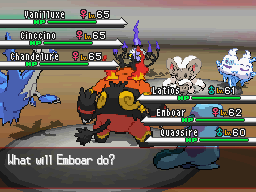
- Triple Battles: a new battle style added in Pokémon Black and White. Three Pokémon are used at once in battle, but with rather restrictive rules. The Pokémon on the far sides cannot attack each other and can only attack those in front of them and the Pokémon in the middle. The Pokémon in the middle, on the other hand, can attack everyone. Single-target Flying-type moves break the rules, as they can hit even the farthest target. The player can shift their Pokémon or even change their positions, which takes a whole turn for both actions.
- Rotation Battles: another battle type feature, which is similar to Triple Battles, but the Pokémon formation is different. Here, all the Pokémon are placed in a circle, and only the one at the front can act.
- Seasons and weather: the games implemented a new seasons system, with the region changing season on a monthly basis. The seasons system is rather important, as it highly affects the gameplay. In fact, the decorations and graphics of the region change each season, while some Pokémon and areas are only accessible in certain seasons. Along with the seasons, the game still features the weather system, which still affects the game, similarly to the previous generations.
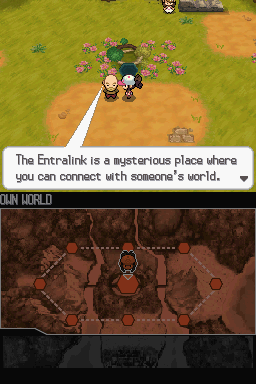
- C-Gear: it takes the place of the Pokétch on the lower screen. It’s mainly used to link the player to other players and the internet, with quite interesting options, such as the ability to trade Pokémon with other players, talk to them, battle them or even travel through Unova with them after using the Entralink.
- Pokémon Dream World: this feature allowed the player to get some rare Pokémon which aren’t present in the games, from the internet, along with various items. This feature is no longer available, since the 14th of January 2014.
- New TM system and moves: a new TM system was implemented, with the TMs now having infinite uses. There are 95 TMs in all, many of them showcasing unique new moves with varied animations.
- Scenario-triggered music: unlike how the previous generations used mostly the same music themes for battles, Pokémon Black and White feature new music themes that get triggered during certain events. For example, if the player meets a Legendary Pokémon, it will trigger its own unique music. Some other soundtracks depend on the battle situation: if the player’s Pokémon’s HP is very low, a warning sound might be heard, and if the player is facing a Gym Leader and their last Pokémon is left, a specific piece of music will play too.
In depth: everything Black & White add
The headline additions, one by one, with the fine print.






Team Plasma and the Seven Sages

It’s the evil organisation of Unova, which, unlike the previous villainous groups we’ve encountered, doesn’t seek to rule the world. In fact, Team Plasma has a rather unique goal, of liberating Pokémon from their Trainers, as they believe Pokémon and humans are equal and Pokémon shouldn’t be kept enslaved in Poké Balls. To free the Pokémon, Team Plasma members would pursue Trainers to let go of their Pokémon, or even go as far as stealing them from their Trainers. Ghetsis, Team Plasma’s boss and mastermind, doesn’t follow any noble cause, though. He is using the organisation’s ideals to rule Unova by becoming the only one left possessing Pokémon. Team Plasma gets inevitably defeated, but returns two years later in Black 2 and White 2, split between a faction loyal to Ghetsis and one loyal to his foster son, N. Unlike his father, N does truly care about Pokémon and wishes to create a separate world for them, far from humanity’s grasp.
Ghetsis
Ghetsis Harmonia Gropius is one of the Seven Sages and the true mastermind behind Team Plasma. In public he is the eloquent voice of liberation, rallying crowds in Accumula Town and Opelucid City; in private he adopted N, kept him isolated and shaped him into a puppet king. At N’s Castle, after N’s defeat, he admits that freeing Pokémon was a lie and that his real aim was to be the only person in Unova with Pokémon, then storms into battle despite N’s protests. His team is Cofagrigus, Bouffalant, Seismitoad, Bisharp and Eelektross at Lv. 52, with Hydreigon at Lv. 54. Alder and Cheren lead him away afterwards, but the Shadow Triad later help him escape.
The Seven Sages and the Shadow Triad
The Seven Sages are the robed elders who front Team Plasma: Ghetsis, Zinzolin, Rood, Bronius, Giallo, Ryoku and Gorm. They preach liberation while serving Ghetsis’s scheme, and in N’s Castle six of them try to stop the player until the Gym Leaders step in. After the credits Looker asks the player to find the six fugitives, who hide in the Cold Storage, the Relic Castle, Chargestone Cave, the Dreamyard and on Routes 14 and 18. Each explains himself and hands over a TM before his arrest.
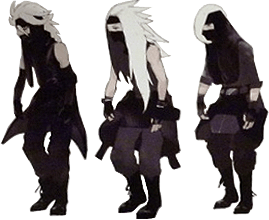
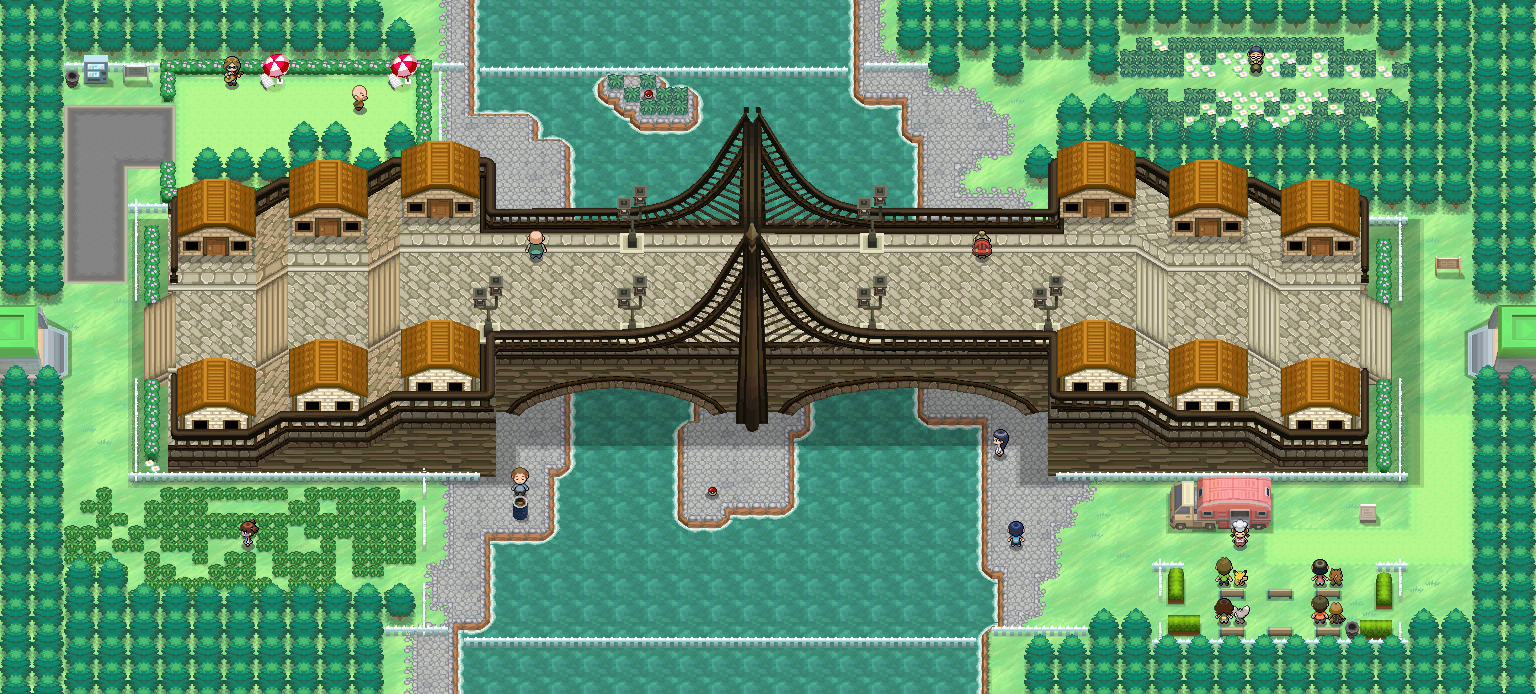
The Shadow Triad are three silent, identically dressed agents who answer to Ghetsis alone. They escort the player through Team Plasma’s trial in Chargestone Cave and through the halls of N’s Castle, and after Ghetsis’s arrest they help him escape. In the post-game they meet the player on Marvelous Bridge and hand over the Adamant, Lustrous and Griseous Orbs.


The Unova region
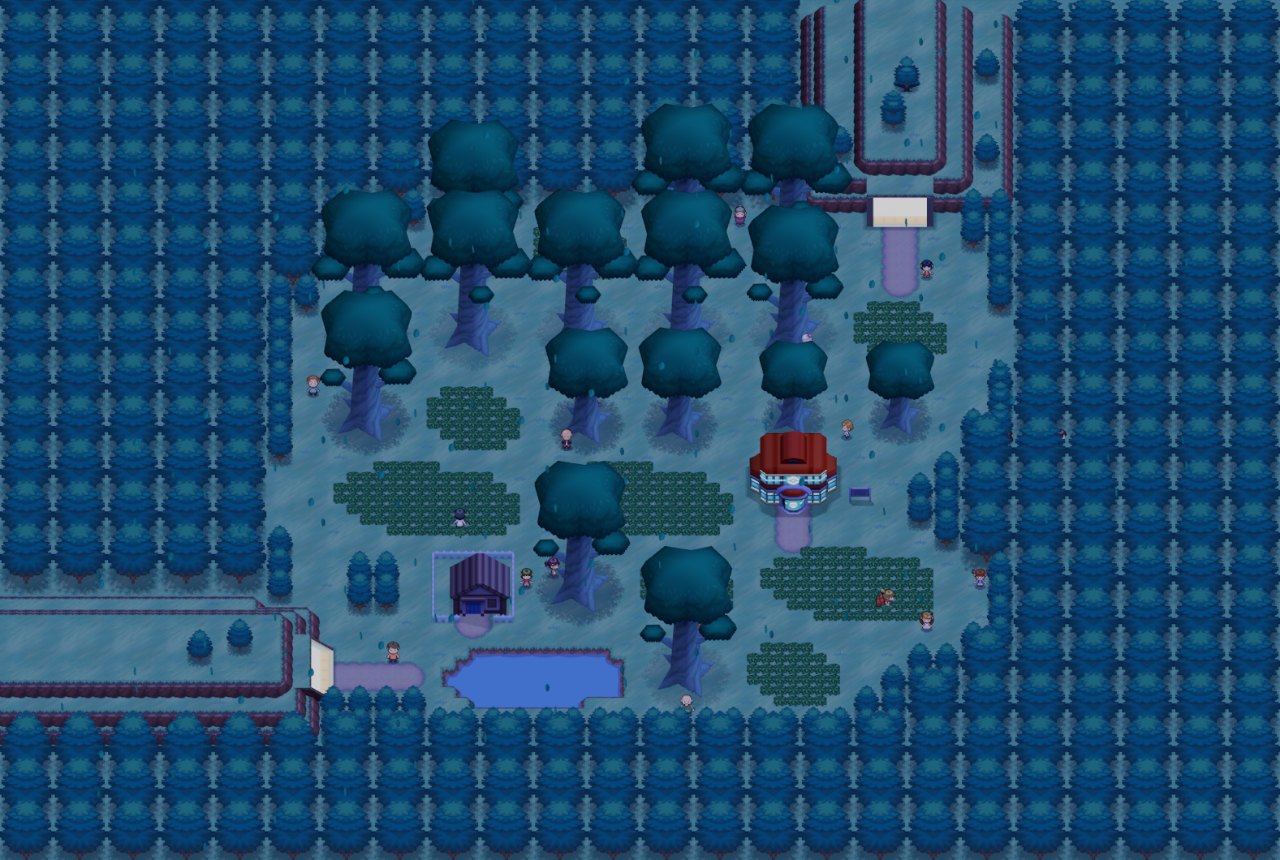
Pokémon Black and White take place in a new region called Unova. This region is far from Kanto, Johto, Hoenn and Sinnoh, and is drastically different from them too. Unova is composed of rural areas, factory towns and urban areas that look much like New York City, with their tall buildings and modern city style.
Similarly to the other regions, Unova has its own myths and tales. Legends say that Unova was a place of never-ending conflicts and wars. One day two twin brothers, known as the twin heroes, showed up and ended the conflict with an overwhelmingly powerful dragon. Yet the two brothers, too, didn’t see eye to eye much: one of them believed ideals are most important, thus being called the Hero of Ideals, and the other thought truth is much more important, and thus he, too, was labelled the Hero of Truth. The dragon couldn’t understand the conflict and didn’t know which brother it would side with. It ended up splitting into two different dragons, Reshiram, which sided with the Hero of Truth, and Zekrom, which sided with the Hero of Ideals. Ironically, the brothers’ sons plunged the region back into conflict and devastated it, as the mighty dragons fought endlessly.

Where the journey takes you
Fourteen places that define Unova, each with a map or a screenshot.

Nuvema Town
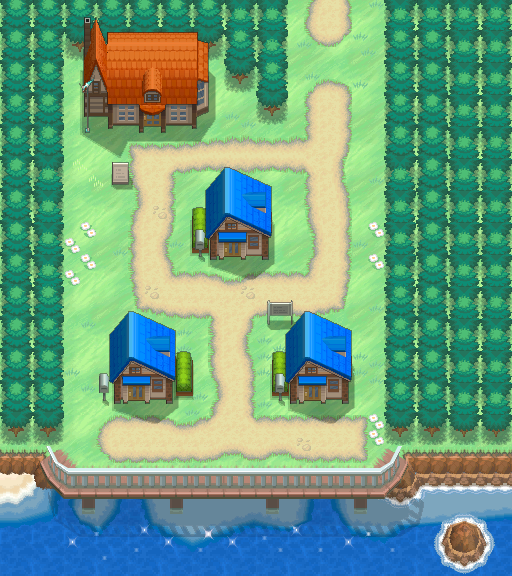
Nuvema is a quiet coastal town in Unova’s south-eastern corner, where sea breezes drift between a handful of houses and Professor Juniper’s laboratory. It is home to the player, Cheren and Bianca, and the journey begins here with a gift box of three starters and a bedroom battle that leaves the room in tatters. Bianca’s father makes no secret of his dislike of her leaving. The town comes back into focus after the credits, when Looker turns up at the player’s house in an unconvincing disguise to recruit help against the fugitive Sages, and Bianca waits for a full six-Pokémon rematch.
Pokémon of note: Snivy, Tepig, Oshawott. Items: A starter Pokémon and a Pokédex from Professor Juniper, Super Rod from Looker (post-game).


Striaton City and the Dreamyard
Striaton is a neat little city whose entrance steps were built in memory of a snowier homeland, and its Gym doubles as a restaurant run by the triplets Cilan, Chili and Cress. Which brother you battle depends on your starter, and the challenge winds through three curtained rooms that test your grasp of type match-ups. The dream researcher Fennel lives in town. Close by lies the Dreamyard, the overgrown ruin of an abandoned facility, where Team Plasma Grunts bully a Munna to harvest its Dream Mist and a girl gives away the elemental monkey that counters your Gym opponent. After the credits the Sage Gorm hides among its broken walls.
Pokémon of note: Pansage, Pansear, Panpour, Munna. Items: TM83 Work Up (Gym reward), TM75 Swords Dance from the Sage Gorm in the Dreamyard (post-game).

Nacrene City
Nacrene grew up around warehouses built roughly a century ago, since restored and turned into artists’ lofts in a nod to the converted buildings of Brooklyn. Its heart is the Nacrene Museum, run by Gym Leader Lenora, whose Gym hides in the museum library behind a puzzle of memos tucked inside books. Right after the Badge battle, Lenora’s husband Hawes raises the alarm that Team Plasma are after the museum’s Dragon Skull. Later in the story the museum is where the Light Stone or Dark Stone reaches the player, and it revives every fossil found in the Relic Castle and Twist Mountain.
Pokémon of note: Tirtouga, Archen, Cottonee, Petilil. Items: TM67 Retaliate (Gym reward), Light Stone (Black) or Dark Stone (White).

Castelia City
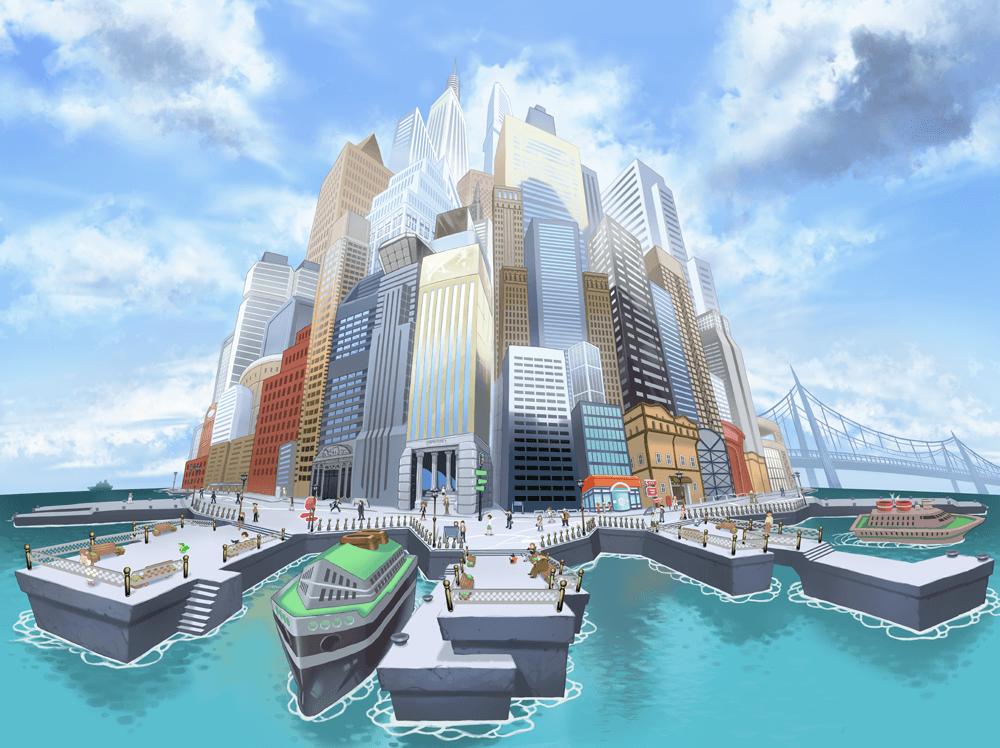
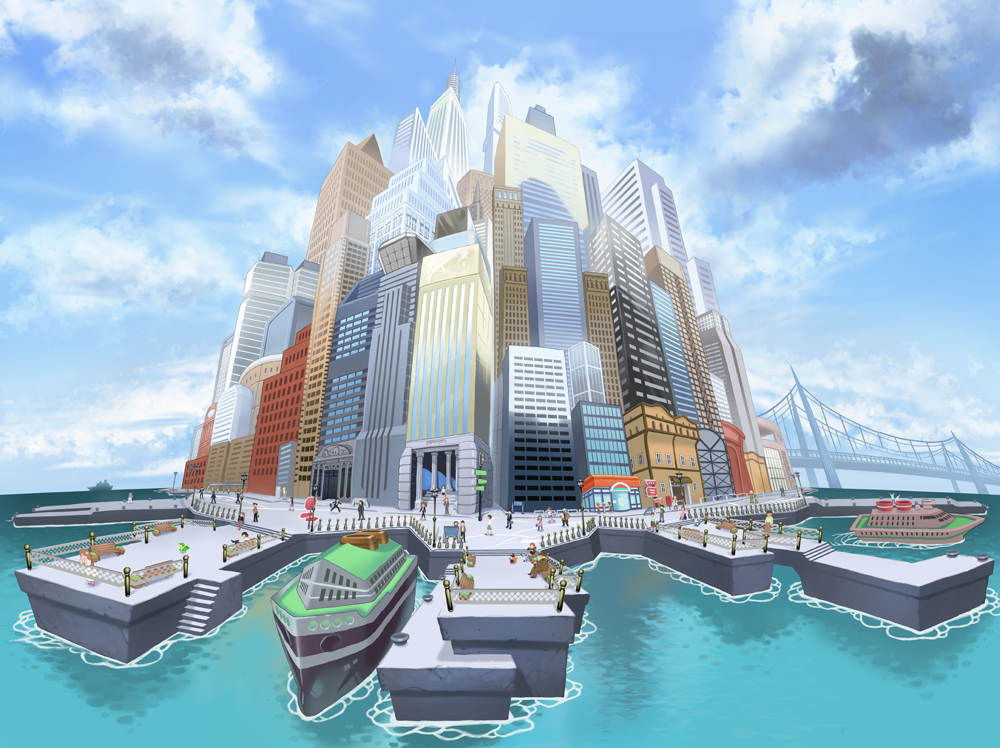
Billed as “A City of Grandeur”, Castelia is Unova’s great harbour city, its skyscrapers modelled on Lower Manhattan and reached across the soaring Skyarrow Bridge. Five piers reach out from the Oceanfront Road wharf: Liberty Pier sends a ferry to Liberty Garden for holders of the Liberty Pass, and the Cruise Dock hosts the Royal Unova. Game Freak’s office occupies the 22nd floor of a Castelia Street tower, where a silent boy turns out to be a Zorua. Casteliacones go on sale on Tuesdays outside winter, a dark alley hides TM70 Flash, and Burgh’s beehive Gym sits among the towers.
Pokémon of note: Zorua, Victini (via Liberty Pier), Leavanny. Items: TM76 Struggle Bug (Gym reward), TM70 Flash (Narrow Street), Exp. Share from the Battle Company president, Casteliacone (Tuesdays, not in winter).
Nimbasa City
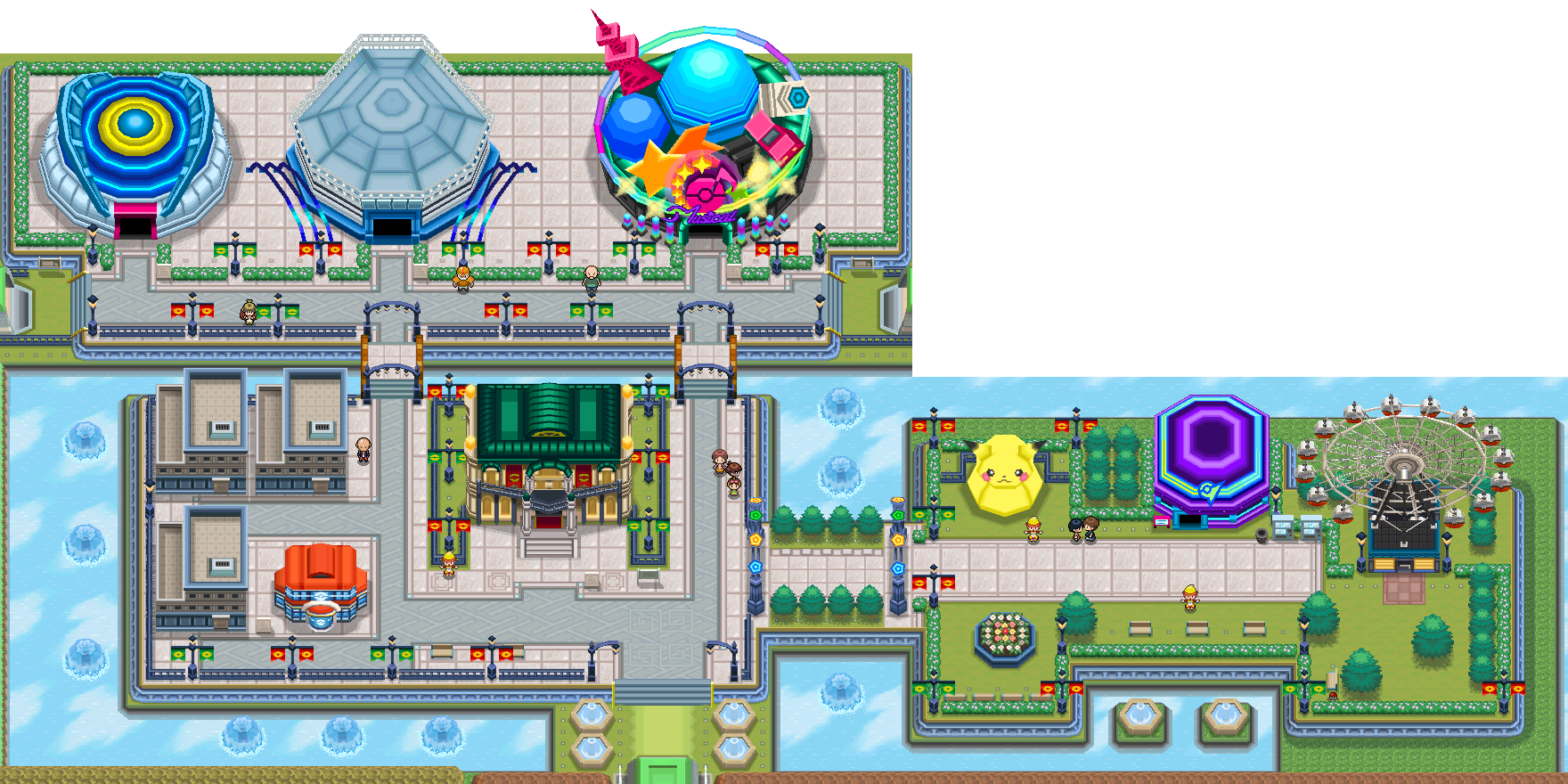
Nimbasa is Unova’s entertainment capital, a leisure-loving counterpart to business-minded Castelia, with theme-park rides, sports arenas and a theatre district that may nod to Broadway. Its Ferris wheel is where N quietly confesses that he is Team Plasma’s king, the Pokémon Musical replaces Contests, and the Battle Subway runs its challenge trains beneath the streets. Elesa’s Gym is a maze of roller-coaster tracks set by switches. Bianca’s father catches up with her here and only relents after Elesa speaks up for her, and a different crowd queues for the Ferris wheel each season.
Pokémon of note: Emolga, Zebstrika, Darumaka, Sigilyph. Items: TM72 Volt Switch (Gym reward), Prop Case for the Pokémon Musical.
Driftveil City and the Cold Storage
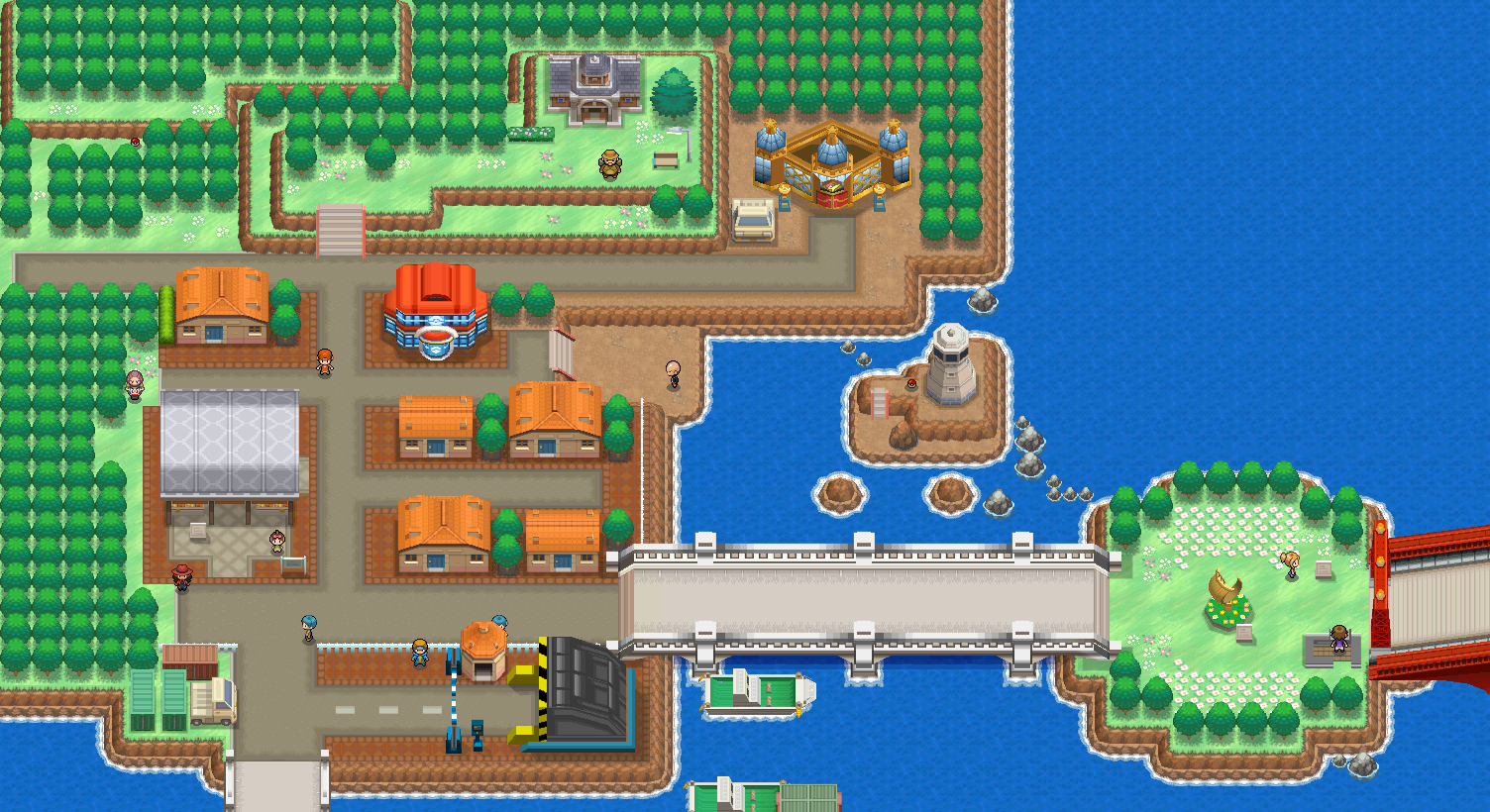
A busy port at the western end of the Driftveil Drawbridge, Driftveil moves the region’s freight and is home to mining magnate Clay. When the player arrives, Team Plasma captives held by Clay’s workers have slipped away in the confusion of the bridge being lowered, so Clay refuses any Gym challenge until the Grunts are rooted out of the Cold Storage warehouses, where the Sage Zinzolin is cornered. Clay’s Gym plunges down a mine shaft of lifts and girders. A Minccino trade here hands over a Basculin, Red-Striped in Black and Blue-Striped in White, and Bianca battles the player in town.
Pokémon of note: Basculin, Krokorok, Palpitoad, Excadrill. Items: TM78 Bulldoze, given by Clay later on Route 6, Basculin in exchange for Minccino (holding a Sitrus Berry).
Icirrus City and Dragonspiral Tower
Icirrus sits in Unova’s chilly north, where winter freezes its puddles and buries the nearby Moor of Icirrus and Twist Mountain under snow. Its Gym Leader Brycen, once a film actor, runs an ice-skating Gym of switches and ramps. To the north stands Dragonspiral Tower, the oldest tower in Unova, a crumbling spire where N wakes the Legendary dragon in front of the player and flies off on it. The tower keeps its role after the story: a player whose party and boxes are full at N’s Castle finds the dragon waiting at the top once Ghetsis has been defeated.
Pokémon of note: Stunfisk, Beartic, Cryogonal, Zekrom (Black) or Reshiram (White) awakening. Items: TM79 Frost Breath (Gym reward), Fresh Water from the Gym guide at the entrance.
Relic Castle
Half-buried in the sands of the Desert Resort, the Relic Castle is the ruin of an ancient civilisation from the age of the twin heroes. Its sand-flooded halls drop explorers ever deeper through pits and quicksand. A Backpacker inside offers the player a choice of the Cover Fossil or the Plume Fossil, and the search for the second dragon brings the player here with Alder, where Ghetsis makes an appearance. The deepest floors form a winding maze guarding a lone Volcarona, and after the credits the Sage Ryoku is found hiding in the ruins, admitting he had planned to catch it for Ghetsis.
Pokémon of note: Volcarona, Yamask, Sandile, Tirtouga and Archen. Items: Cover Fossil or Plume Fossil, TM04 Calm Mind from the Sage Ryoku (post-game).
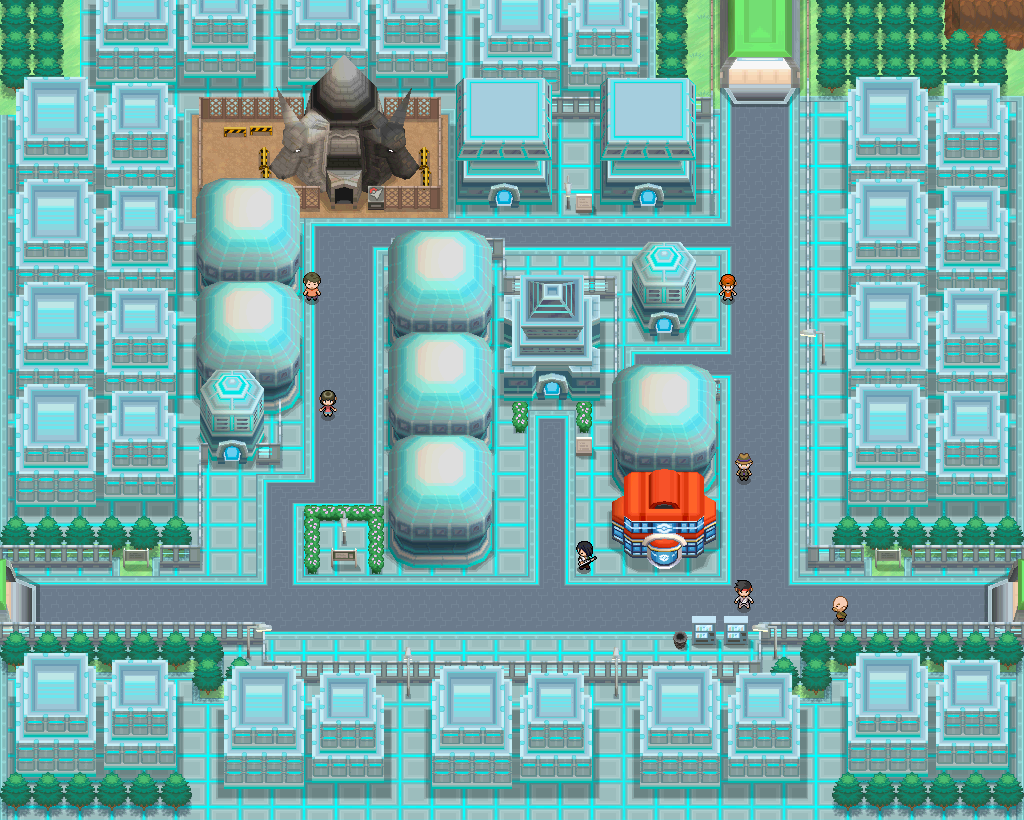

Opelucid City
Opelucid is the city that changes with the cartridge: in Black it gleams with futuristic architecture, while in White it keeps a traditional, natural character, and even its Gym Leader differs. Mayor Drayden runs the Gym in Black and the young Iris in White, both with the same Dragon-type team, in a narrow maze where switches swing the heads of dragon statues to open new paths. Ghetsis gives his second rallying speech here, and the city is the last stop before Route 10, Victory Road and the Pokémon League.
Pokémon of note: Fraxure, Druddigon, Haxorus. Items: TM82 Dragon Tail (Gym reward), Legend Badge.
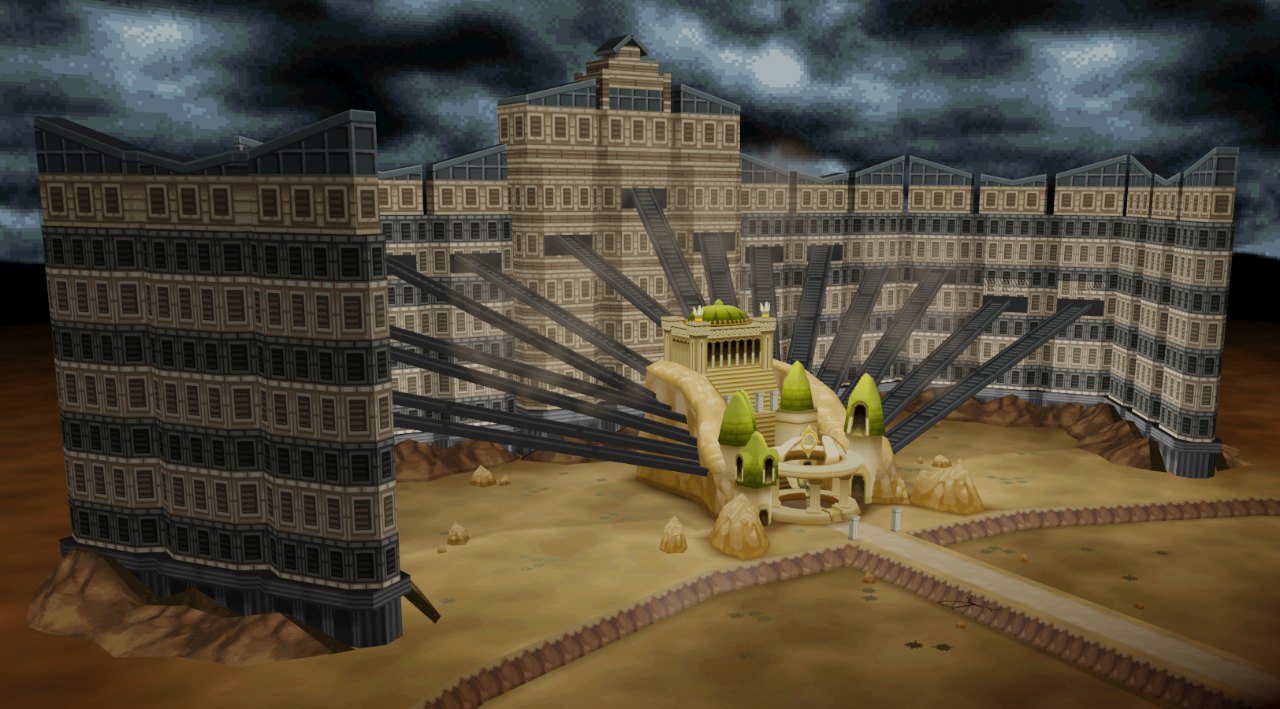

N’s Castle and the Pokémon League
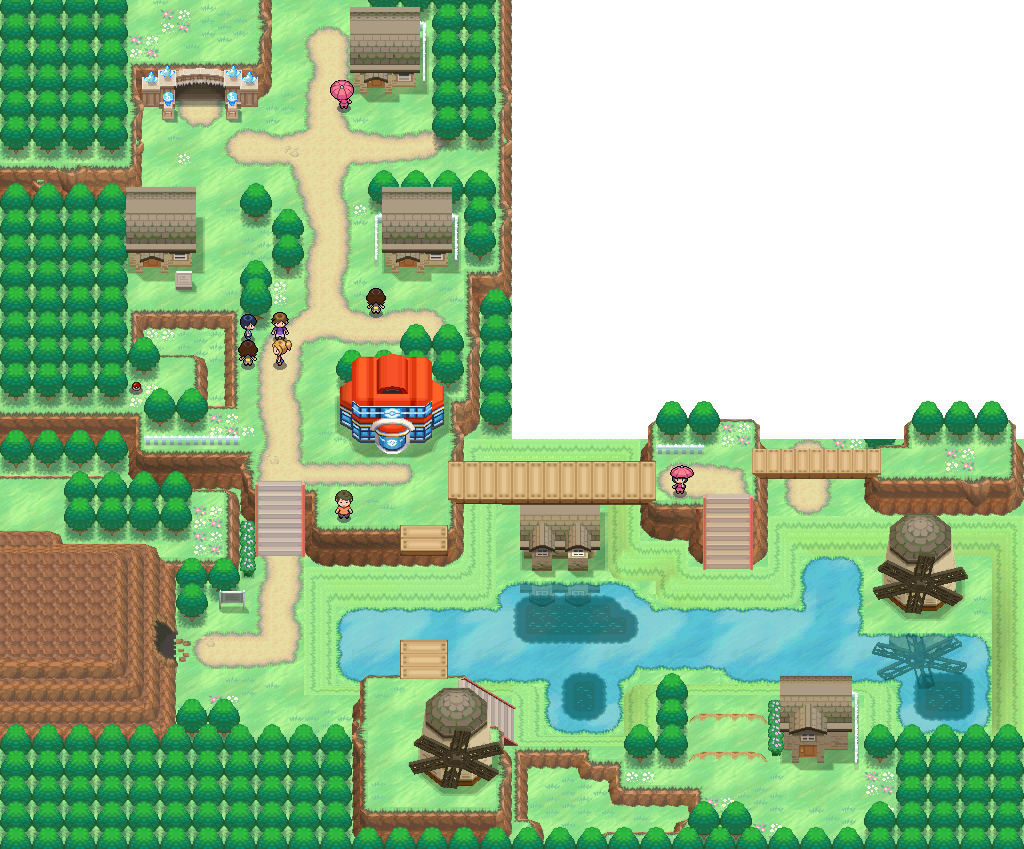
The Pokémon League’s temple-like halls let the Elite Four be faced in any order, but the expected Champion battle never comes: N has already beaten Alder, and his castle rises out of the earth to swallow the League. Inside, the Gym Leaders hold back six of the Sages, N’s foster sisters Anthea and Concordia heal the player and recall his childhood, and a Grunt admits the castle was built over years by overworked Pokémon taken from Trainers. N’s own room, papered with clouds, holds a train set, a scratched skating ramp and a basketball marked “Harmonia”. The castle vanishes for good after the credits.
Pokémon of note: Reshiram (Black), Zekrom (White), Zoroark, Klinklang. Items: Rare Candy (N’s room), Max Revive, Full Restore.


Giant Chasm
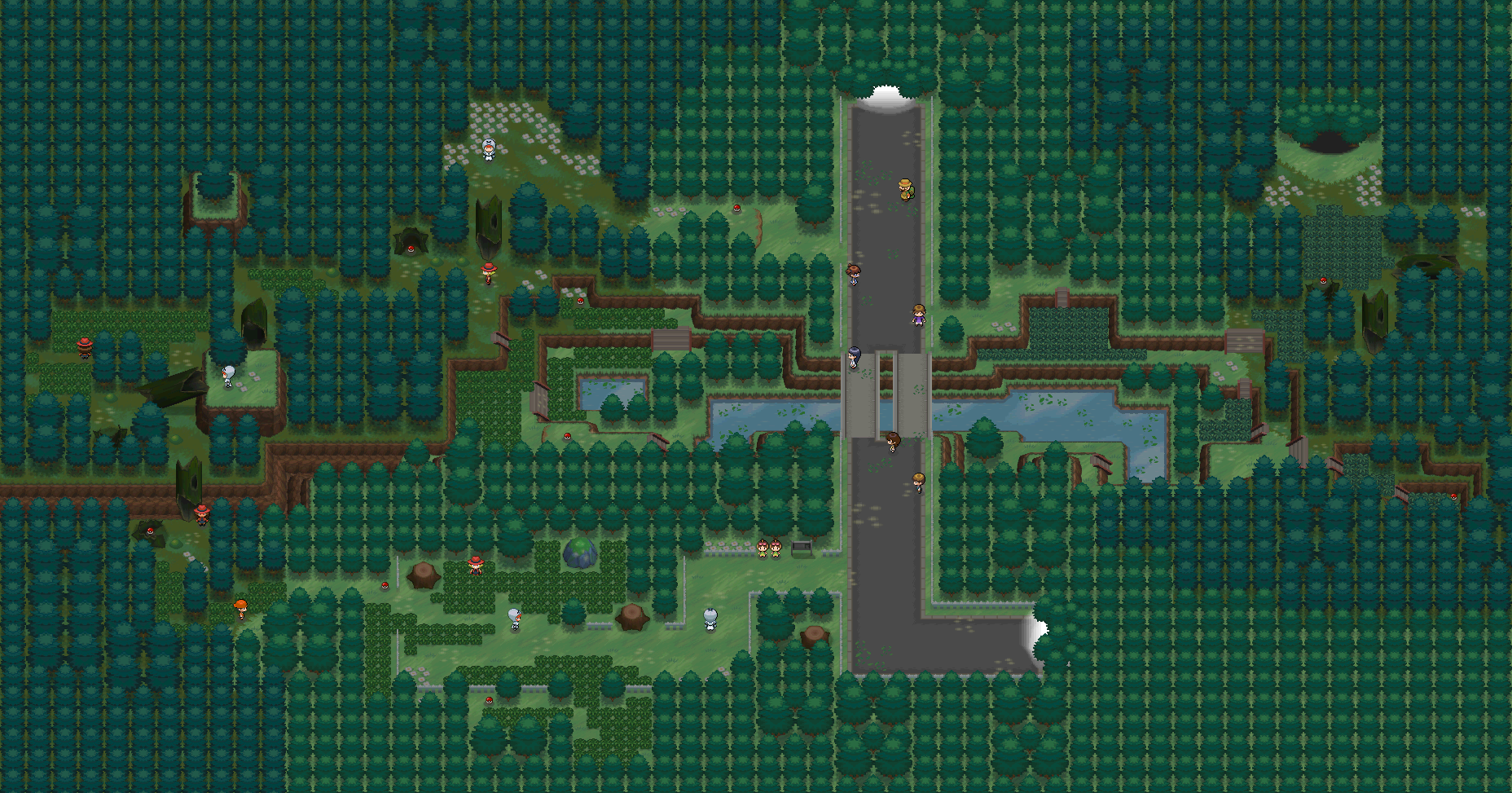
Said to have been gouged out by a falling meteor with Kyurem inside, the Giant Chasm lies north of Route 13 near Lacunosa Town, and the local map warns that approaching it invites disaster. Past the entrance cave sprawls a maze-like crater forest around a central pond; reaching the water blankets the forest in snow and opens the cave where Kyurem waits. Its dark grass holds the highest-level wild Pokémon in Black and White, up to Lv. 65, and the area is scattered with valuable items, including two powerful TMs.
Pokémon of note: Kyurem, Clefairy, Ditto, Piloswine, Metang. Items: TM13 Ice Beam, TM03 Psyshock, Comet Shard.

Undella Town
Undella is a seaside resort on Unova’s eastern coast, crowded with holidaymakers in summer and much quieter the rest of the year. The Elite Four’s Caitlin keeps a villa here, and it is where Sinnoh Champion Cynthia stays and accepts challenges in spring and summer. The summer visitors include a man willing to swap his Munchlax for a Cinccino. Offshore in Undella Bay, divers can reach the Abyssal Ruins, a sunken site from Unova’s ancient past that is full of valuable relics.
Pokémon of note: Munchlax, Garchomp, Spiritomb, Lucario. Items: Leftovers, held by the traded Munchlax, Relic treasures in the Abyssal Ruins.
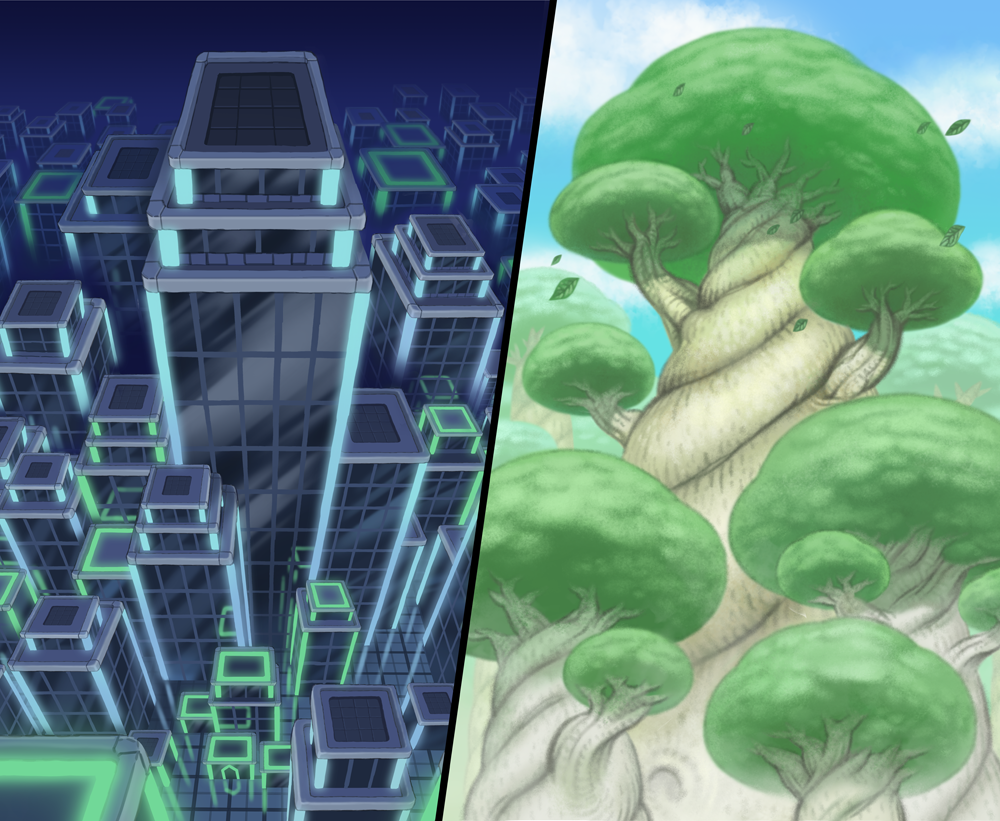
Black City and White Forest
The two versions share a spot east of Route 15 and fill it differently. Black City, “Prosperous and Vibrant”, is a city of ongoing development that grows from a few buildings into a skyline of skyscrapers as more residents arrive; at its busiest it holds a dozen Trainers and a market of expensive items. White Forest, “People and Nature in Harmony”, is a lush wood with a Pokémon Centre and the Mayor’s house, where 33 older species appear in the grass and water. Residents in both drift away over time unless you arrive quickly, and those who move out can be invited across through the Entralink.
Pokémon of note: Bagon, Ralts, Trapinch, Shinx, Happiny. Items: Dawn Stone (₱10,000) and Star Piece (₱48,000) at the Black City market, A daily Berry from the White Forest Mayor for showing a Pokémon caught that day.
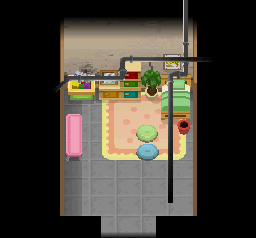
Liberty Garden
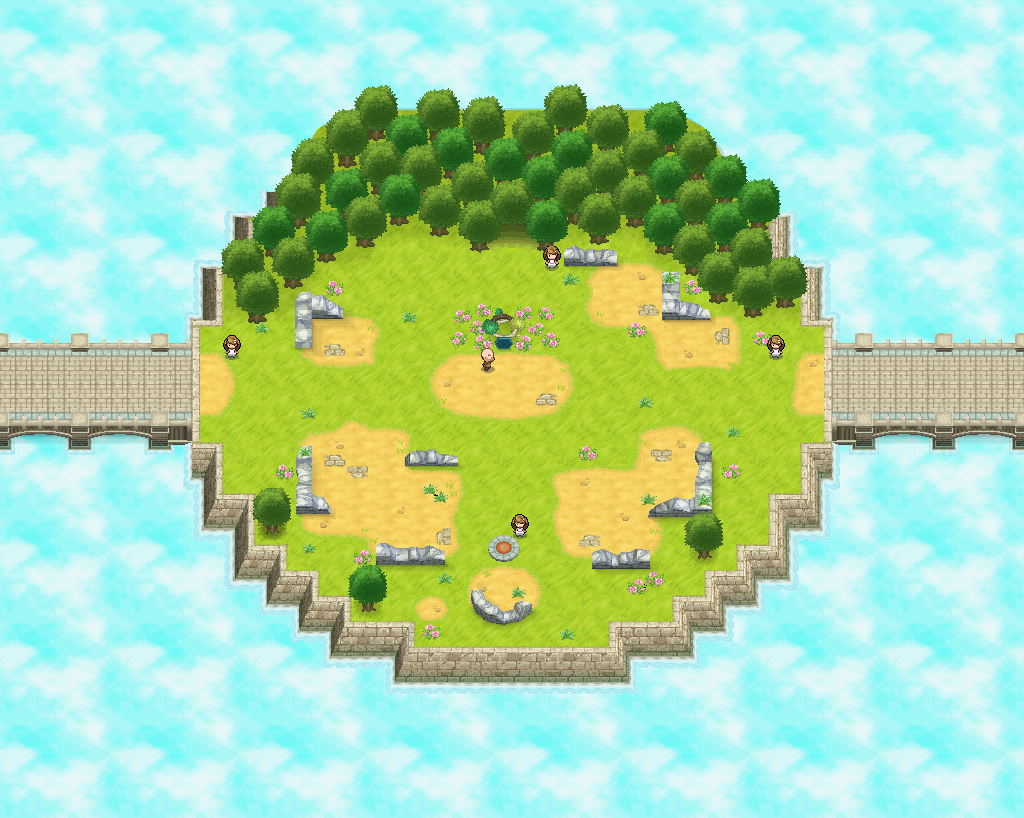
A small island in south-western Unova, Liberty Garden is reached only by the Liberty Pier ferry and only with the Liberty Pass, an event item. A sign explains that a very wealthy family bought the island two hundred years ago and named it as a place where people and Pokémon could live freely. A lighthouse stands at its centre, and on the first visit Team Plasma Grunts are already prowling the grounds, battling anyone who comes ashore. Victini, the Victory Pokémon, waits in the lighthouse basement.
Pokémon of note: Victini. Items: Liberty Pass (event item needed to visit), Ultra Ball hidden in a bin outside the lighthouse.
Unova, place by place
More of the region, from the Dreamyard to the Giant Chasm.
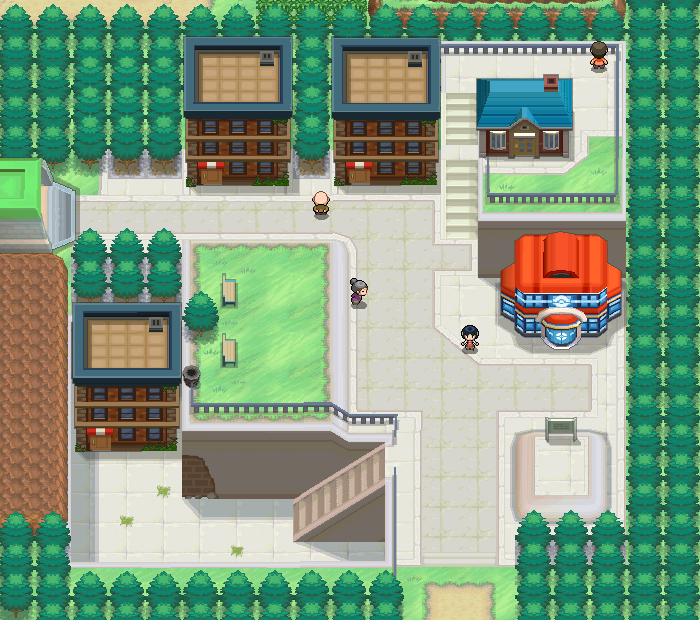
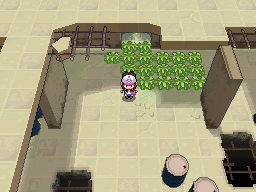




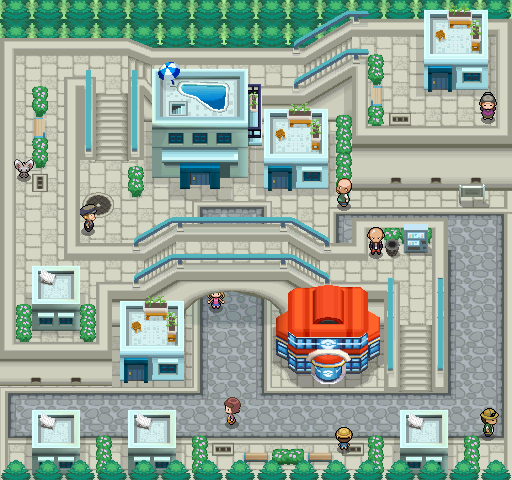
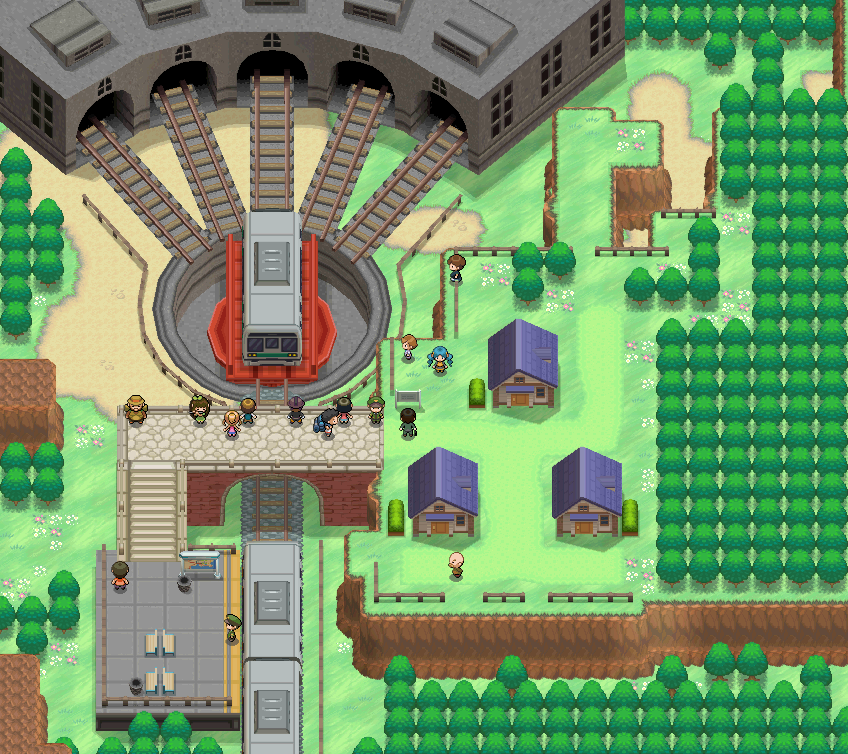
Can I catch them all?
The games add 156 new Pokémon to the Pokémon world, while featuring a variety of others from the previous generations once the story is done. A few of the Pokémon are exclusive to either of the versions, with Pokémon White having extra species found in the White Forest, an area featured in Pokémon White only. The games also showcase new swarm Pokémon that can only be captured after reading the outbreak announcement on the monitors in the route gates and heading to their locations. Like all previous games, there are new Legendaries and a few in-game tradable Pokémon.
Version exclusives
Version exclusives: each version has exactly 17 exclusive species. Cottonee and Petilil, Volbeat and Illumise, and Huntail and Gorebyss are version-split in the wild but can be had in both, and the Driftveil trade gives Red-Striped Basculin in Black and Blue-Striped in White.
Exclusive to Black
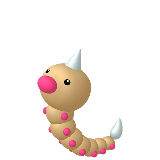 Weedle#013
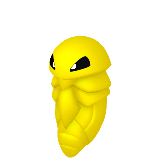 Kakuna#014
 Beedrill#015
 Murkrow#198
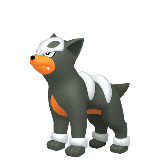 Houndour#228
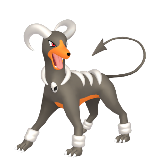 Houndoom#229
 Shroomish#285
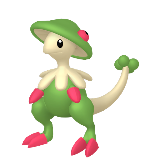 Breloom#286
 Plusle#311
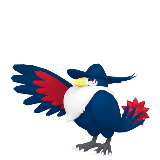 Honchkrow#430
 Gothita#574
 Gothorita#575
 Gothitelle#576
 Vullaby#629
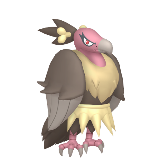 Mandibuzz#630
 Tornadus#641
 Reshiram#643
Black also has Black City, Drayden in the Opelucid Gym, and a futuristic Opelucid City.
Exclusive to White
 Caterpie#010
 Metapod#011
 Butterfree#012
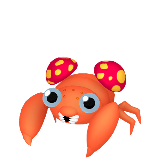 Paras#046
 Parasect#047
 Misdreavus#200
 Poochyena#261
 Mightyena#262
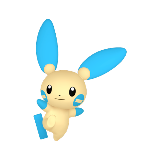 Minun#312
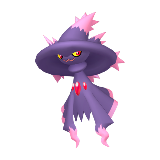 Mismagius#429
 Solosis#577
 Duosion#578
 Reuniclus#579
 Rufflet#627
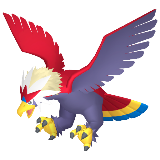 Braviary#628
 Thundurus#642
 Zekrom#644
White has White Forest, Iris in the Opelucid Gym, and a traditional Opelucid City.
Genesect’s Burn and Shock Drives are found in Black and its Douse and Chill Drives in White, and a few Trainers swap between Triple and Rotation Battles depending on the version.
Pokémon found in the White Forest
The 33 species of White Forest, 30 in the grass and three more on the water: which ones appear depends on who currently lives there, and residents drift away unless you visit.
 Pidgey#016
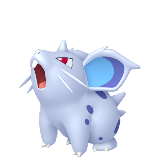 Nidoran♀#029
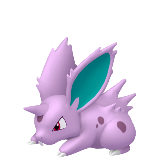 Nidoran♂#032
 Oddish#043
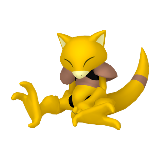 Abra#063
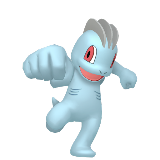 Machop#066
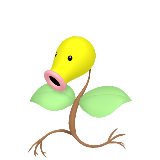 Bellsprout#069
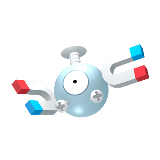 Magnemite#081
 Gastly#092
 Rhyhorn#111
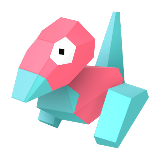 Porygon#137
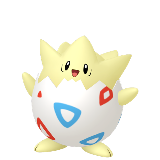 Togepi#175
 Mareep#179
 Hoppip#187
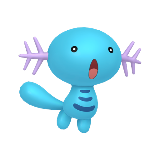 Wooper#194
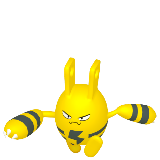 Elekid#239
 Magby#240
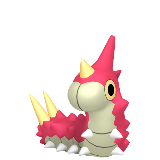 Wurmple#265
 Lotad#270
 Seedot#273
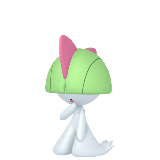 Ralts#280
 Surskit#283
 Slakoth#287
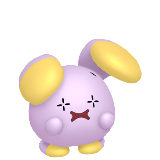 Whismur#293
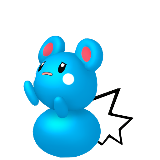 Azurill#298
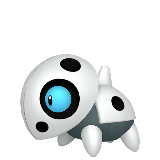 Aron#304
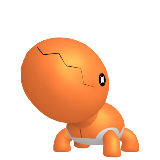 Trapinch#328
 Corphish#341
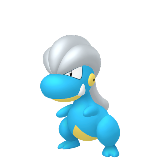 Bagon#371
 Starly#396
 Shinx#403
 Budew#406
 Happiny#440
33 species in all: 30 in the grass, plus Wooper, Surskit and Corphish (and Lotad again) when surfing. Every species is tied to particular residents, so which ones appear depends on who currently lives in the forest. The forest can hold up to 25 residents, with ten present at once; each has a points score that falls by five a day and rises when you visit or talk to them, and anyone who reaches zero moves out. Arriving within four days of starting your save keeps residents from leaving, while arriving after 16 days means nobody is there. Residents who have moved out of a Black City can be invited in through the Entralink. Repels cannot keep these Pokémon away.
Swarm Pokémon and their locations
21 outbreaks, 13 in both versions and four exclusive to each. The monitor inside each route gate reports where today’s outbreak is; outbreak Pokémon are Lv. 15–55. Outbreaks belong to the post-game.
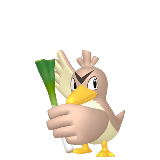 Farfetch’dRoute 1
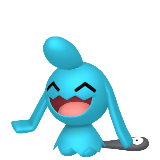 WynautRoute 2
 VolbeatRoute 3 (Black)
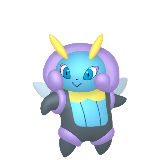 IllumiseRoute 3 (White)
 HippopotasRoute 4
 SmeargleRoute 5
- PlusleRoute 6 (Black)
- MinunRoute 6 (White)
 SentretRoute 7
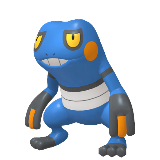 CroagunkRoute 8 (never in winter)
- HoundourRoute 9 (Black)
- PoochyenaRoute 9 (White)
 TyrogueRoute 10
- ShroomishRoute 11 (Black)
- ParasRoute 11 (White)
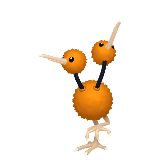 DoduoRoute 12
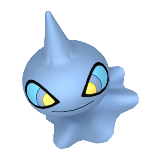 ShuppetRoute 13
 YanmaRoute 14
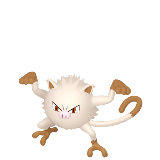 MankeyRoute 15
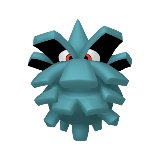 PinecoRoute 16
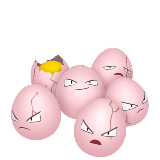 ExeggcuteRoute 18
What Black & White add
- The 156 new Pokémon – National Pokédex #494–649. The Unova Pokédex lists only these, starting with Victini at #000, and older species stay out of the wild until the story is over.
- Tirtouga and Archen – Unova’s fossil pair, revived at the Nacrene Museum from the Cover Fossil or Plume Fossil offered in the Relic Castle; only one per save.
- Dream World Pokémon with Hidden Abilities – Befriended on the Pokémon Global Link and caught in the Entree Forest until the Dream World closed on 14 January 2014.
- Zorua and Zoroark – Zorua joins in Castelia City’s Game Freak office if an event Celebi is in your party; Zoroark appears in Lostlorn Forest for players carrying one of the event shiny Raikou, Entei or Suicune.
- Victini – Lv. 15 in Liberty Garden’s lighthouse for holders of the event Liberty Pass.
- Tornadus, Thundurus and Landorus – One genie roams each version after the Route 7 storm story; Landorus needs both at the Abundant Shrine.
- Cobalion, Terrakion and Virizion – Found in Mistralton Cave, Victory Road and Pinwheel Forest; meeting Cobalion first makes the other two appear.
- Kyurem and Larvesta – Kyurem waits in the Giant Chasm after the Hall of Fame, and a Pokémon Ranger in the Route 18 rest house gives away a Larvesta Egg.
Starter Pokémon
The Unova starters, with who you face at Striaton and what your friends take:
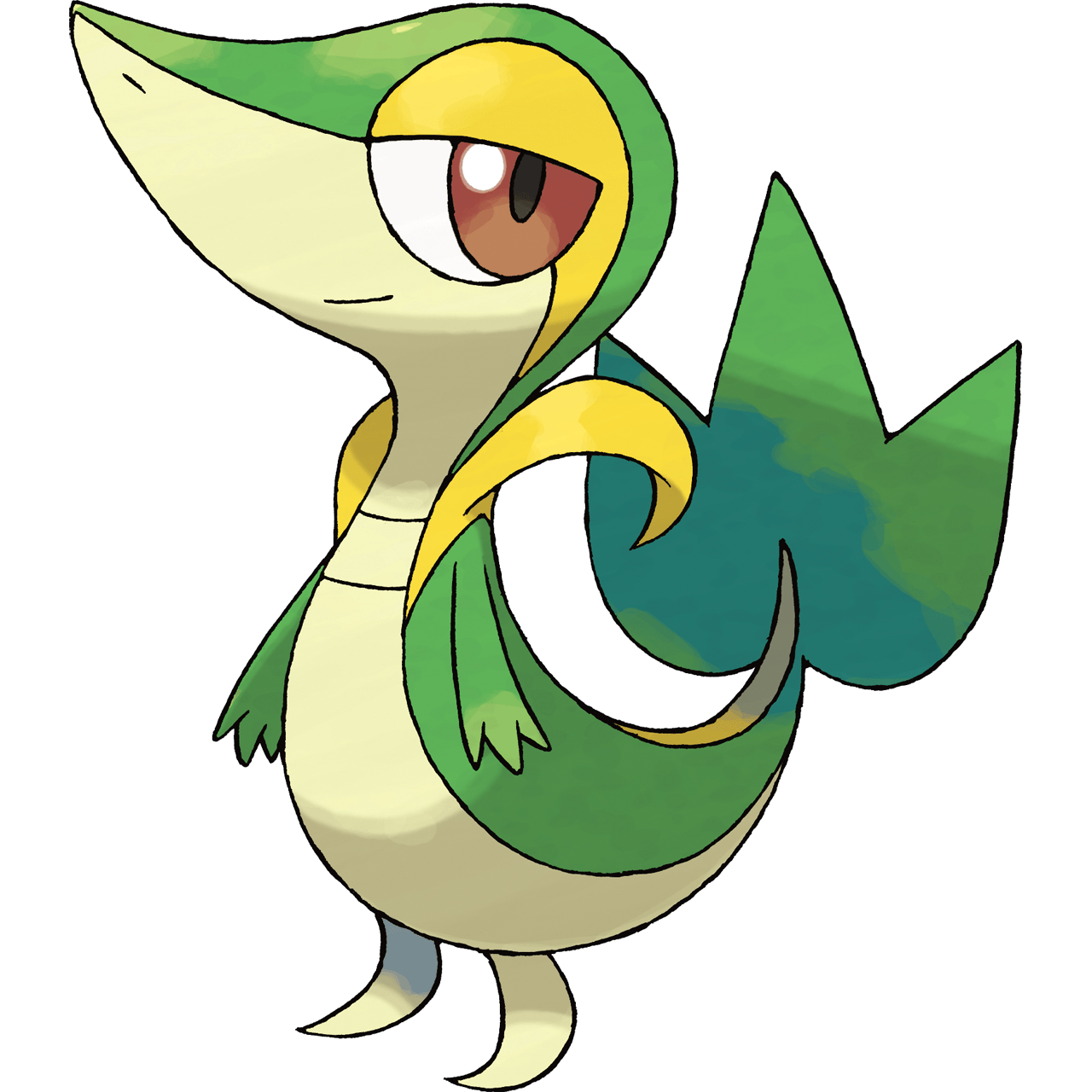
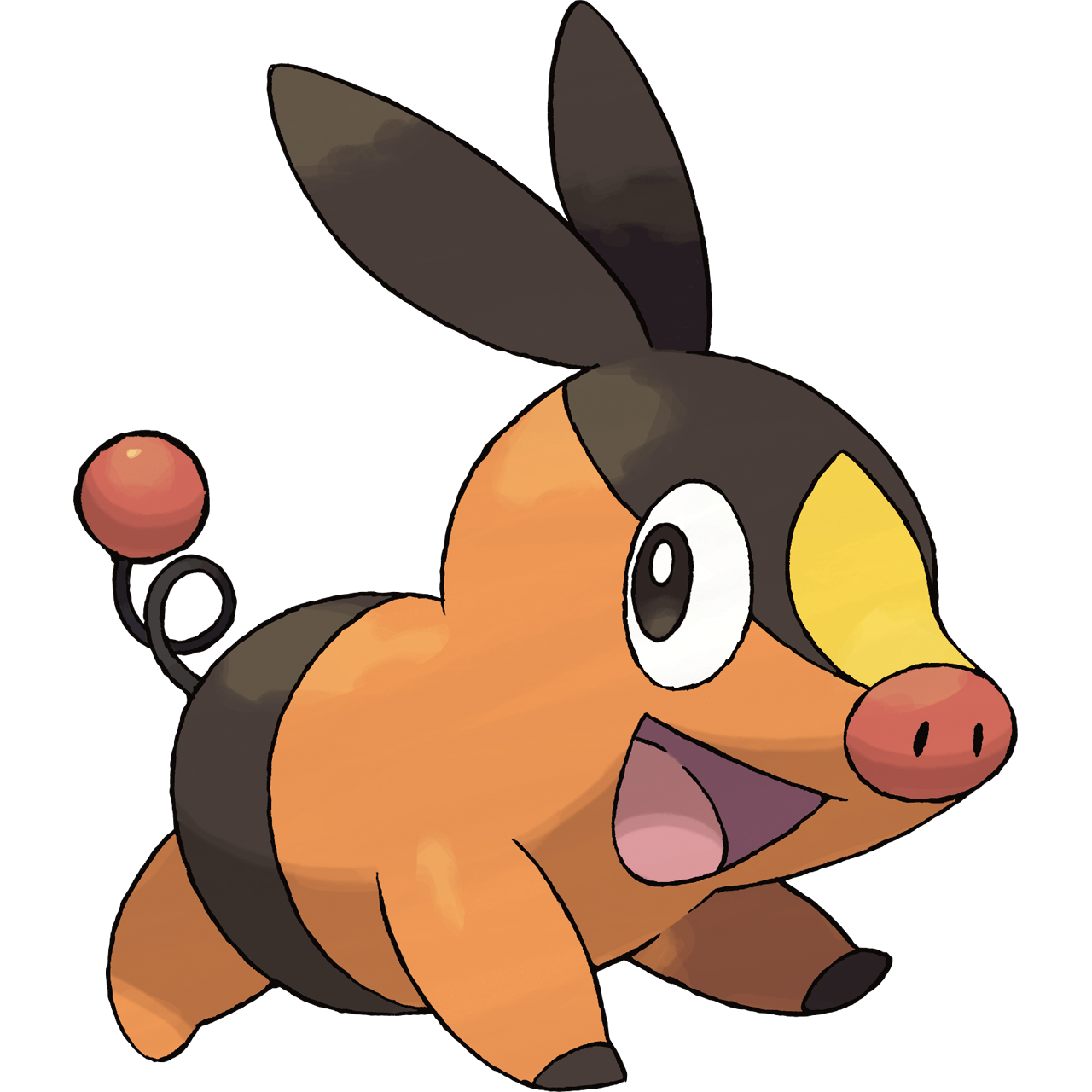

- Snivy: Picking Snivy means the Striaton Gym sends out Chili and his Fire-type Pansear, so the Dreamyard girl hands you a Panpour. Cheren takes Tepig and Bianca Oshawott.
- Tepig: Choose Tepig and you face Cress’s Water-type Panpour at Striaton, with a gift Pansage from the Dreamyard to help. Cheren picks Oshawott and Bianca Snivy.
- Oshawott: Oshawott leads to Cilan and his Grass-type Pansage, so the Dreamyard girl gives you a Pansear. Cheren takes Snivy and Bianca Tepig.
Legendary, Mythical and event Pokémon
- ReshiramN’s Castle (Black)
- ZekromN’s Castle (White)
 KyuremGiant Chasm
 VictiniLiberty Garden
 CobalionMistralton Cave
 TerrakionVictory Road
 VirizionPinwheel Forest
- TornadusRoams Unova (Black)
- ThundurusRoams Unova (White)
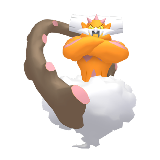 LandorusAbundant Shrine
 ZoroarkLostlorn Forest
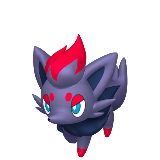 ZoruaCastelia City
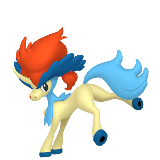 KeldeoEvent only
 MeloettaEvent only
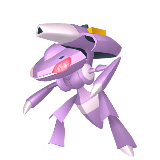 GenesectEvent only
Reshiram – Lv. 50, N’s Castle (Black). Awakens from the Light Stone just before the final battle with N. Capture is compulsory: it reappears at once if knocked out or fled from. If your party and boxes are full, it waits at Dragonspiral Tower after Ghetsis. It can never be shiny. White players must trade for it.
Zekrom – Lv. 50, N’s Castle (White). Awakens from the Dark Stone just before the final battle with N, under the same rules as Reshiram: compulsory capture, instant reappearance, Dragonspiral Tower if party and boxes are full. Never shiny. Black players must trade for it.
Kyurem – Lv. 75, Giant Chasm (cave depths). Available after entering the Hall of Fame. Reach the pond in the crater forest to freeze the area and open its cave. If defeated or fled from, it returns after another Hall of Fame entry.
Victini – Lv. 15, Liberty Garden (lighthouse basement). Requires the event-only Liberty Pass to board the ferry at Castelia City’s Liberty Pier. It can never be shiny, and it returns after you leave the area if defeated or fled from.
Cobalion – Lv. 42, Mistralton Cave (Guidance Chamber). Needs Surf to reach. Meeting Cobalion makes Terrakion and Virizion appear. The chamber is dark, which boosts Dusk Balls.
Terrakion – Lv. 42, Victory Road (Trial Chamber). Appears once you have encountered Cobalion.
Virizion – Lv. 42, Pinwheel Forest (Rumination Field). Appears once you have encountered Cobalion.
Tornadus – Lv. 40, Roaming Unova (Black). Starts roaming after you hear the old woman’s story in a house on Route 7. White players must trade for it.
Thundurus – Lv. 40, Roaming Unova (White). Starts roaming after the same Route 7 story in White. Black players must trade for it.
Landorus – Lv. 70, Abundant Shrine (Route 14). Appears only when Tornadus and Thundurus are both in your party, so one of them must come from the other version.
Zoroark – Lv. 25, Lostlorn Forest. Not a legendary, but tied to an event: it appears when you bring one of the event shiny Raikou, Entei or Suicune transferred from a Generation IV game.
Zorua – Lv. 10, Game Freak office, Castelia City. Talk to the silent boy on the ground floor with an event Celebi in your party and he reveals himself; this Zorua is always male and never shiny.
Keldeo – Event distribution only. Not obtainable in-game. Bringing it to the Moor of Icirrus with Cobalion, Terrakion and Virizion teaches it Secret Sword.
Meloetta – Event distribution only. Not obtainable in-game.
Genesect – Event distribution only. Not obtainable in-game; its Burn and Shock Drives are found in Black and its Douse and Chill Drives in White.


What one cartridge cannot give you
Every Legendary and Mythical Pokémon from the first four generations is absent, so these only arrive by Poké Transfer, trade or event:
 Articuno#144
 Zapdos#145
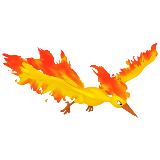 Moltres#146
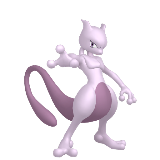 Mewtwo#150
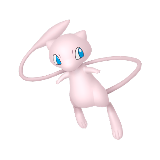 Mew#151
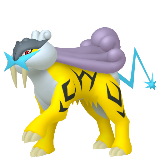 Raikou#243
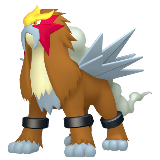 Entei#244
 Suicune#245
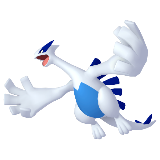 Lugia#249
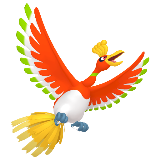 Ho-Oh#250
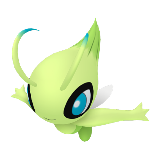 Celebi#251
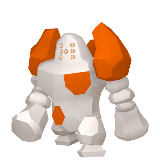 Regirock#377
 Regice#378
 Registeel#379
 Latias#380
 Latios#381
 Kyogre#382
 Groudon#383
 Rayquaza#384
 Jirachi#385
 Deoxys#386
 Uxie#480
 Mesprit#481
 Azelf#482
 Dialga#483
 Palkia#484
 Heatran#485
 Regigigas#486
 Giratina#487
 Cresselia#488
 Phione#489
 Manaphy#490
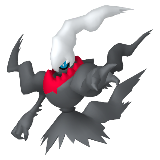 Darkrai#491
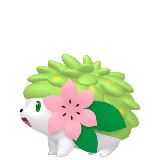 Shaymin#492
 Arceus#493
- Victini#494
- Landorus#645
- Keldeo#647
- Meloetta#648
- Genesect#649
That is 40 species, plus the other version’s dragon and genie. Up to 144 of the 156 Unova species per version without trading: four are event-only (Victini, Keldeo, Meloetta and Genesect), seven belong to the other version (the Gothita or Solosis line, the Vullaby or Rufflet line, one genie and one dragon), and Landorus needs both genies. The trade evolutions Gigalith, Conkeldurr, Escavalier and Accelgor also need a trade partner, which brings the practical figure to about 140. Dozens of older species join them after the story through new areas, swarms and, in White, White Forest.
Gift Pokémon and in-game trades
Pokémon you are simply handed:
- Snivy, Tepig or Oshawott – Nuvema Town (Professor Juniper). Lv. 5; choose one from the gift box at the start of the game.
- Pansage, Pansear or Panpour – Dreamyard (a girl near the entrance). Lv. 10; you receive the monkey that beats your Striaton Gym opponent: Pansage for Tepig players, Pansear for Oshawott players, Panpour for Snivy players.
- Tirtouga or Archen – Nacrene City Museum. Lv. 25; revived from the Cover Fossil or Plume Fossil chosen from a Backpacker in the Relic Castle (one per save).
- Omanyte, Kabuto, Aerodactyl, Lileep, Anorith, Cranidos or Shieldon – Nacrene City Museum. Lv. 25; after Ghetsis is defeated, a Worker in Twist Mountain gives one random older fossil per day for the museum to revive.
- Zorua – Game Freak office, Castelia City. Lv. 10; talk to the silent boy with an event Celebi in your party.
- Larvesta (Egg) – Route 18 rest house (a Pokémon Ranger). Hatches at Lv. 1.
Tradable Pokémon: seven in-game trades, three of which differ between versions.
| You give | You get | Where |
|---|---|---|
| Cottonee | Petilil (“Lillil”), Lv. 15, holding a Cheri Berry | Nacrene City (Black) |
| Petilil | Cottonee (“Fluffee”), Lv. 15, holding a Cheri Berry | Nacrene City (White) |
| Minccino | Red-Striped Basculin (“Redeye”), Lv. 25, holding a Sitrus Berry | Driftveil City (Black) |
| Minccino | Blue-Striped Basculin (“Blueeye”), Lv. 25, holding a Sitrus Berry | Driftveil City (White) |
| Boldore | Emolga (“Minipete”), Lv. 30, holding a Lum Berry | Route 7 |
| Ditto | Rotom (“Eeks”), Lv. 60, holding a Max Elixir | Route 15 |
| Cinccino | Munchlax (“Gorge”), Lv. 60, holding Leftovers | Undella Town (summer only) |
Compatibility with other titles
Pokémon Black and Pokémon White both have various connectivity options, as they can be linked to their sequels, Pokémon Black 2 and White 2, along with the fourth-generation games, including Pokémon Diamond, Pearl, Platinum, HeartGold and SoulSilver. The games could also connect to the internet and thus the Pokémon Dream World, which helped in acquiring many Pokémon from the Entree Forest. Linking the games to their sequels allows the transfer of Pokémon to and from them, while linking them to the fourth-generation games makes the transfer a one-way one, as Pokémon can only be transferred from the fourth to the fifth generation and not the other way around.
Black and White link in three ways. Local DS Wireless covers trades, battles, Xtransceiver video calls and the Entralink, where up to two visitors can drop into a host’s world for missions and Pass Powers. Infrared, switched on from the C-Gear, gives quick trades and battles between two nearby players. Nintendo Wi-Fi Connection once supplied the GTS, Random Matchup, the Wi-Fi Club and the Battle Subway’s Wi-Fi line, but it closed on 20 May 2014, and the Pokémon Global Link’s Dream World shut on 14 January 2014. Pokémon from Diamond, Pearl, Platinum, HeartGold and SoulSilver travel one way through the Poké Transfer Lab on Route 15 using a second DS, and event Celebi and the event shiny legendary beasts needed the separate Relocator to unlock their Zorua and Zoroark encounters. Black 2 and White 2 trade freely with these games. On a 3DS, Poké Transporter later carried Generation V Pokémon on to Pokémon Bank, and from there to Pokémon HOME. Played on a DSi or 3DS, the games also gain DSi-enhanced features.

Characters
Two heroes, two rivals, the first female professor, a wandering Champion and the people who hunt down what is left of Team Plasma.


Hilbert
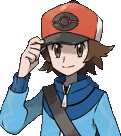
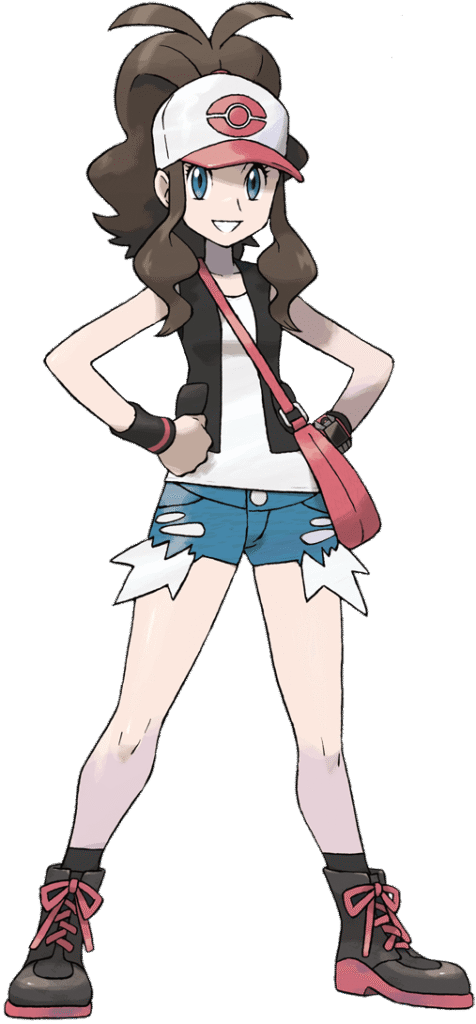
Hilbert and Hilda, known as Touya and Touko in Japan, are the male and female player characters, childhood friends of Cheren and Bianca from Nuvema Town. Ken Sugimori’s designs give them a sporty, streetwise look: Hilbert in a cap, jacket and messenger bag, Hilda with a cap, a high ponytail, a waistcoat and shorts. They never speak, but the story casts the player as the hero who awakens the second Legendary dragon, the counterpart to N. Both have since returned as playable sync pair characters in Pokémon Masters EX.

Hilda
Hilda, Touko in Japan, is the female hero: a cap, a high ponytail, a waistcoat and denim shorts, drawn by Ken Sugimori with the same streetwise look as Hilbert. Whichever hero you choose, the other never appears in the story, and both have since joined Pokémon Masters EX as sync pair Trainers.


Cheren, your rival
Cheren is the bespectacled, studious one of the trio, the friend who knows the most about Pokémon and offers dry, clever advice. Professor Juniper calls him honest if a little difficult, and his early impatience shows in how hard he pushes himself. His goal is to become Champion, but when Alder asks him why, he has no answer and spends the journey wondering what strength really means. He always chooses the starter with the type advantage over yours, battles the player seven times, fights alongside them twice, and waits on Victory Road for daily post-game rematches.

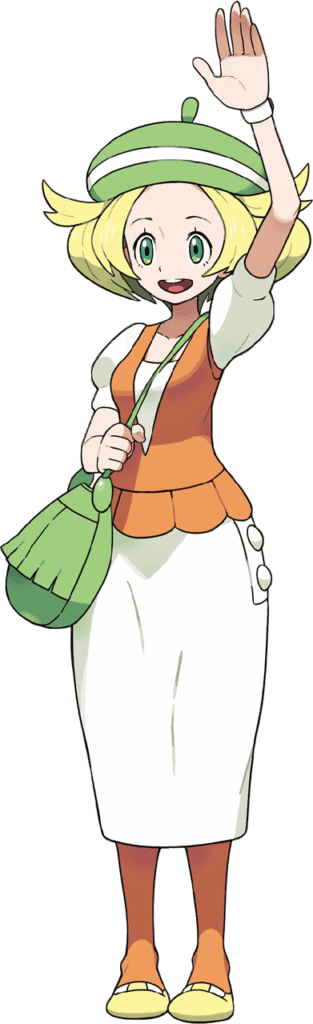
Bianca, your rival
Bianca is the scatter-brained, warm-hearted friend who is late for the opening scene and sets off the bedroom battle. Juniper and Cheren call her flighty, yet she has a determined streak and openly admits she is not as strong as her friends, choosing instead to focus on what she can do. Her father objects to her journey and confronts her in Nimbasa City, where Elesa helps persuade him to let her carry on. She always takes the starter that is weak to yours, uses a Munna that later evolves, and waits in Nuvema Town for a post-game rematch.
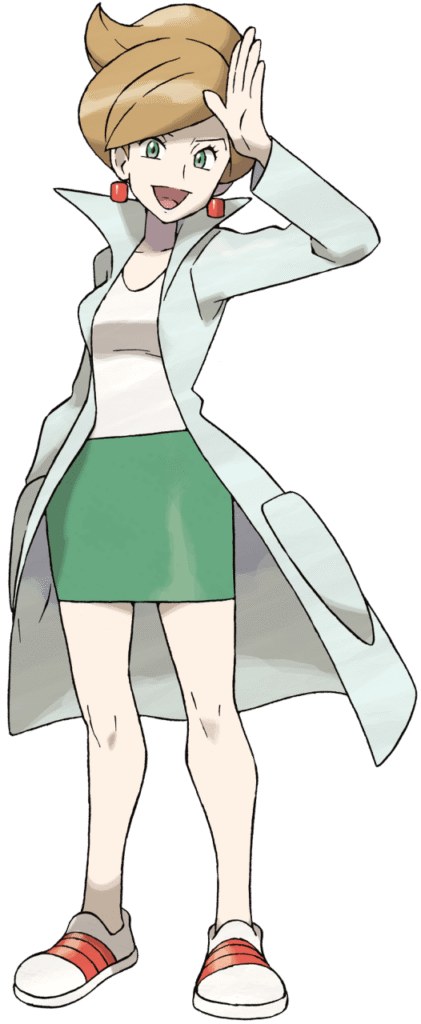
Professor Juniper
Professor Juniper runs the laboratory in Nuvema Town and studies the origins of Pokémon. She is the first woman to serve as the regional professor in a core series game, and she starts the adventure by leaving the three starters for the player, Cheren and Bianca and handing each of them a Pokédex. Her father, Cedric Juniper, is also a Pokémon professor. She keeps in touch through the Xtransceiver throughout the journey.

Cedric Juniper
Professor Juniper’s father is a Pokémon professor in his own right, met on the road through Unova. He upgrades the Pokédex so that it can tell male and female forms apart and, later, shows the National Pokédex. He is the one who turns up in Nuvema Town after the credits to unlock the Pokédex’s full range.

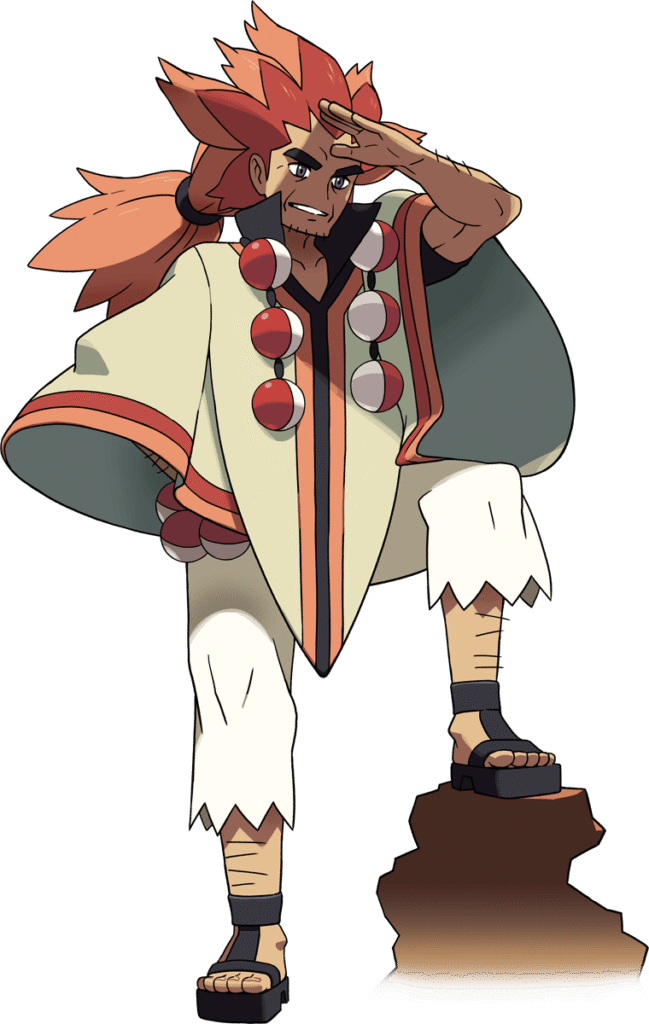
Alder, the Champion
Alder is Unova’s wandering Champion, a red-haired, free-spirited man who spends more time roaming the region than sitting in the League. In his youth he chased strength much as Cheren does, until his first partner Pokémon died of an illness; unable to save it, he took to wandering. The player first meets him on Route 5 with Cheren, and he later helps against Team Plasma at the Relic Castle and N’s Castle. He is the only Champion who cannot be fought on the first visit to the League, because N has already beaten him. After the story he can be challenged with Accelgor, Bouffalant, Druddigon, Vanilluxe and Escavalier at Lv. 75 and Volcarona at Lv. 77.

Looker
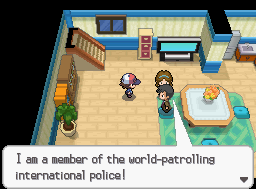
Looker, the International Police agent from Platinum, turns up at the player’s home after the credits, still wearing his disguise as the player’s mother. He hands over a Super Rod and asks for help tracking down the six fugitive Sages, arresting each as they are found, and later passes on word that N has been seen far away.


Cynthia
Sinnoh’s Champion is holidaying in Unova, staying at Caitlin’s villa in Undella Town. She can be challenged in spring and summer and returns in those seasons after the first meeting, with Spiritomb, Eelektross, Milotic, Braviary and Lucario at Lv. 75 and her trademark Garchomp at Lv. 77. After losing, she likens the player to a young Trainer from Sinnoh who once defeated both her and Giratina, a nod to the hero of Pokémon Platinum.

Fennel and Amanita
Fennel is a dream researcher who lives in Striaton City and studies Munna and the Dream Mist they produce, the thread that leads the player to the Dream World and its link to the Entralink. Her young friend Amanita created the PC storage system that the player relies on throughout Unova, so the boxes carry her name.
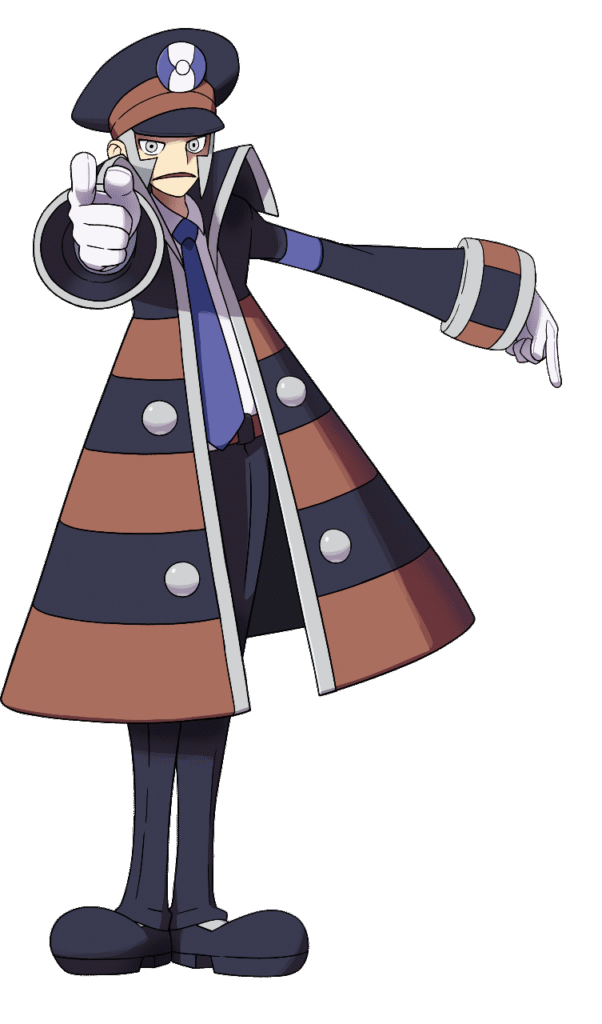
Ingo and Emmet
The twin Subway Bosses run the Battle Subway beneath Nimbasa City: Ingo in black on the Single Train, Emmet in white on the Double Train, and both together on the Multi Train. They wait at the end of the longest winning streaks with teams led by Eelektross, Chandelure, Klinklang, Excadrill, Garbodor and Durant, and their railway uniforms and catchphrases made them two of Unova’s most popular minor characters.

Shigeki Morimoto
Shigeki Morimoto, one of Game Freak’s longest-serving designers, appears as himself in the company’s office on the 22nd floor of a Castelia City tower. Once Ghetsis has been defeated he will battle the player once a day, making him one of the tougher optional opponents of the post-game.
Gym Leaders
Introducing the Gym Leaders of the Unova region. Like most Pokémon games there are eight Gyms that you’ll need to collect Badges from in order to qualify for the Pokémon League and the chance to take on the Elite Four. Interestingly, despite there being eight Gyms, there are eleven Gym Leaders in Pokémon Black & White. Take a read of Cilan, Chili and Cress’s profiles and Iris and Drayden’s profiles and you’ll see why. Also be sure to check out our Gym Leader Strategy Guide for Pokémon Black & White for more information on the movesets of the Gym Leaders’ Pokémon and the best counters.
The Unova badge route – the eight Gyms in order, with each Leader’s ace, a team level to aim for and the TM they hand over:
- Trio BadgeCilan, Chili or Cress · Striaton CityGrass, Fire or Water · ace Pansage, Pansear or Panpour Lv. 14Aim for Lv. 13–15 · TM83 Work Up
- Basic BadgeLenora · Nacrene CityNormal · ace Watchog Lv. 20Aim for Lv. 19–21 · TM67 Retaliate
- Insect BadgeBurgh · Castelia CityBug · ace Leavanny Lv. 23Aim for Lv. 22–25 · TM76 Struggle Bug
- Bolt BadgeElesa · Nimbasa CityElectric · ace Zebstrika Lv. 27Aim for Lv. 27–30 · TM72 Volt Switch
- Quake BadgeClay · Driftveil CityGround · ace Excadrill Lv. 31Aim for Lv. 31–34 · TM78 Bulldoze
- Jet BadgeSkyla · Mistralton CityFlying · ace Swanna Lv. 35Aim for Lv. 35–38 · TM62 Acrobatics
- Freeze BadgeBrycen · Icirrus CityIce · ace Beartic Lv. 39Aim for Lv. 39–42 · TM79 Frost Breath
- Legend BadgeDrayden or Iris · Opelucid CityDragon · ace Haxorus Lv. 43Aim for Lv. 43–46 · TM82 Dragon Tail
The eleven Gym Leaders

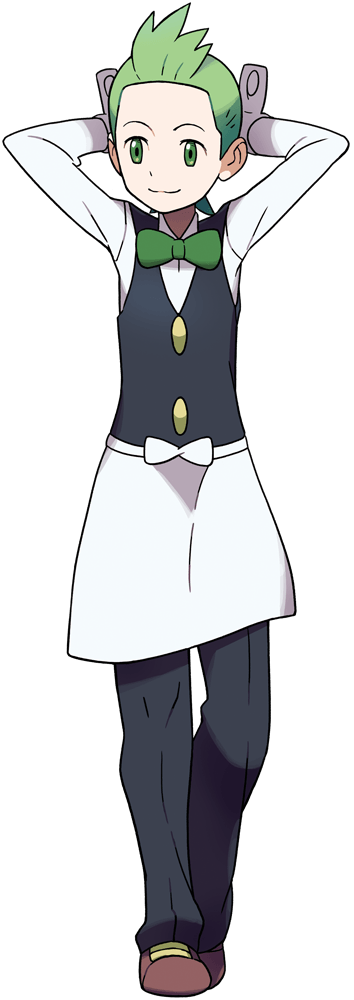
Striaton Gym: Cilan
Cilan, Chili and Cress are all possible match-ups in the first Gym challenge of the Unova region. Which one of the three you will face will depend upon the starter Pokémon the player chooses. If Oshawott is selected the player will face Cilan, a specialist of the Grass type. If the player selected Snivy, the Grass type, then you will face Chili, who will attempt to press home the advantage of his Fire-type Pokémon. Chose Tepig for your starter? Then you will face Cress, a Water-type specialist. The three Trainers are known collectively as ‘Triple Trouble!’. A victory over any of these three Trainers will award the Trio Badge along with TM83 (Work Up). Cilan uses a Lillipup (Level 12), a Normal type, and a Pansage (Level 14), a Grass type.
“Welcome to the Striaton City Pokémon Gym. […] And my name is Cilan. I like Grass-type Pokémon.” – Cilan
Team: Lillipup Lv. 12, Pansage Lv. 14
The triplets run their Gym as a restaurant, and its three curtained rooms open only when you step on the type that beats each room’s symbol. Cilan uses Pansage to punish a Water starter. Reward: TM83 Work Up.

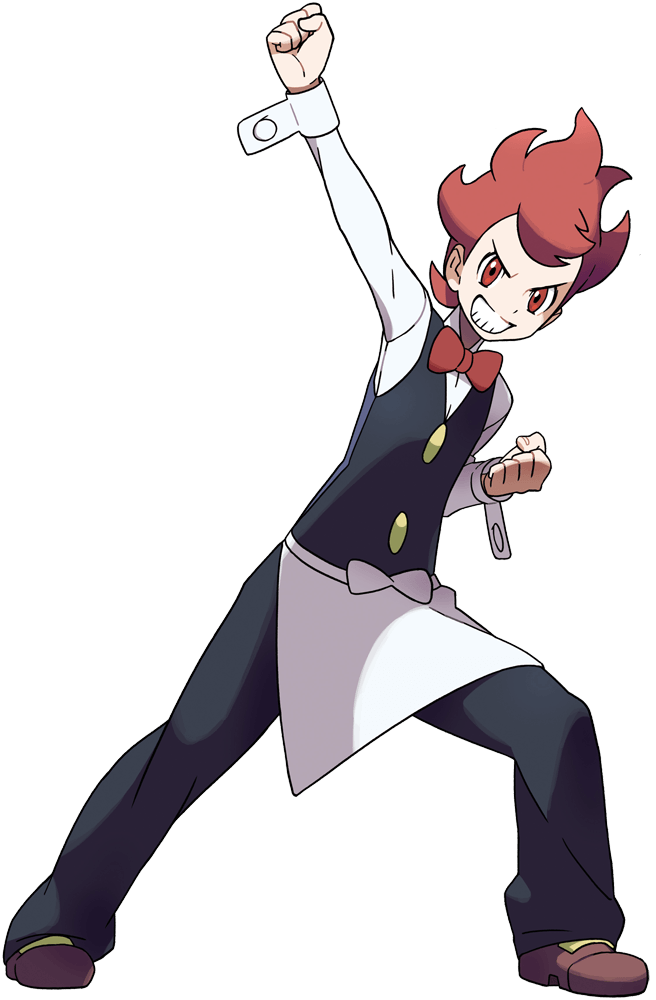
Striaton Gym: Chili
Chili uses a Lillipup (Level 12), a Normal type, and a Pansear (Level 14), a Fire type. He is the brother you face if you chose Snivy.
“I’m Chili! I light things up with Fire-type Pokémon! […] Oh, enough! Listen up! The three of us will decide whom you’ll battle! It’ll be based on the type of the first Pokémon you chose!” – Chili
Team: Lillipup Lv. 12, Pansear Lv. 14
The fiery brother takes on Snivy players with Pansear; the Panpour handed out in the Dreamyard is the intended answer to his Incinerate. Reward: TM83 Work Up.


Striaton Gym: Cress
Cress uses a Lillipup (Level 12), a Normal type, and a Panpour (Level 14), a Water type. He is the brother you face if you chose Tepig.
“I’m a Water-type specialist, and my name is Cress. Pleased to make your acquaintance.” – Cress
Team: Lillipup Lv. 12, Panpour Lv. 14
The cool, courteous brother meets Tepig players with Panpour, so the Dreamyard’s gift Pansage is the natural counter. All three brothers share the same Lillipup lead. Reward: TM83 Work Up.


 Nacrene Gym: Lenora
Lenora specialises in Normal-type Pokémon and is known in her local area as ‘An Archeologist with Backbone’, owing to her love of archaeology and strength in battle; when she’s not digging up fossils or battling at her Gym, Lenora is managing the Nacrene Museum, of which she is the director. Lenora’s Pokémon are both Normal type: Herdier (Level 18) and Watchog (Level 20). If you can defeat Lenora she will reward you with the Basic Badge and TM67 (Retaliate).
“Welcome! The director of the Nacrene Museum and the Nacrene Gym’s Leader is me! Lenora! Well then, challenger, I’m going to research how you battle with the Pokémon you’ve so lovingly raised!” – Lenora
Team: Herdier Lv. 18, Watchog Lv. 20
Billed as “An Archeologist with Backbone”, Lenora is the museum’s director and leads from a Gym hidden in its library. Both of her Pokémon know Retaliate, which hits harder after an ally faints. Reward: TM67 Retaliate.


 Castelia Gym: Burgh
Burgh is a Bug-type specialist and keen artist. He is said to hail from Nacrene City, and returns home to Nacrene whenever he suffers bouts of ‘artist’s block’. Some people know Burgh as the ‘Premier Insect Artist’. Burgh’s team is made up of a Whirlipede (Level 21), a Bug/Poison type, Dwebble (Level 21), a Bug/Rock type, and Leavanny (Level 23), a Bug/Grass type. If you are powerful enough to burn out Burgh’s bugs he’ll award you the Insect Badge and TM76 (Struggle Bug).
“Ah hah! You’re the one who fought Team Plasma in Pinwheel Forest… If I remember, your name is…! Come to challenge the Gym, I suppose? Aww. Sorry, but could you wait a bit? I was informed that Team Plasma has shown up! In fact… Come with me! I’m going to the dock at Prime Pier!” – Burgh
Team: Whirlipede Lv. 21, Dwebble Lv. 21, Leavanny Lv. 23
The “Premier Insect Artist” asks you to help rescue Bianca’s stolen Munna before he accepts a challenge. His beehive Gym is walled with honey, and Leavanny is his ace. Reward: TM76 Struggle Bug.


 Nimbasa Gym: Elesa
Elesa is a specialist in Electric-type Pokémon; she’s also a model, and is known as ‘The Shining Beauty’. Once the player reaches Elesa’s Gym they must pass a series of puzzles involving roller coasters, the tracks for which have to be set the correct way to reach her. Elesa’s team is composed of two Emolga (Level 25), both with the same movesets and Electric/Flying types, and a Zebstrika (Level 27), which is a pure Electric type. Defeat Elesa and she will yield the Bolt Badge and TM72 (Volt Switch).
“Did the fantastic speed leave you dizzy? My beloved Pokémon will be the next one to make your head spin!” – Elesa
Team: Emolga Lv. 25, Emolga Lv. 25, Zebstrika Lv. 27
“The Shining Beauty” is a model as well as a Leader. Her two Emolga share an identical moveset built around Volt Switch, and her Gym is a maze of roller coasters set by switches. Reward: TM72 Volt Switch.

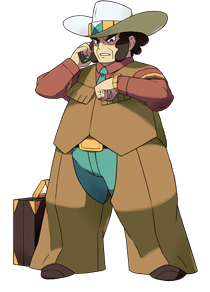
 Driftveil Gym: Clay
Clay specialises in Ground-type Pokémon; he’s also a big player in the mining business, and is known to some as ‘The Underground Boss’. Clay’s team is made up of a Krokorok (Level 29), a Ground/Dark type, a Palpitoad (Level 29), a Water/Ground type, and Excadrill (Level 31), a Ground/Steel type. You’ll be rewarded with the Quake Badge if you can defeat the underground boss. A short time later you’ll bump into him again on Route 6, where his Krokorok will remove the web that’s blocking the way; it’s at this point that Clay will give the player TM78 (Bulldoze).
“Well… Think it’s about time fer myself what it is about yer skills that makes a Gym Leader like Elesa take such a shine to ya.” – Clay
Team: Krokorok Lv. 29, Palpitoad Lv. 29, Excadrill Lv. 31
“The Underground Boss” will not battle until Team Plasma are cleared from the Cold Storage. His TM comes later, on Route 6, after his Krokorok clears the web blocking Chargestone Cave. Reward: TM78 Bulldoze.

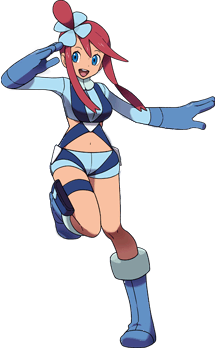
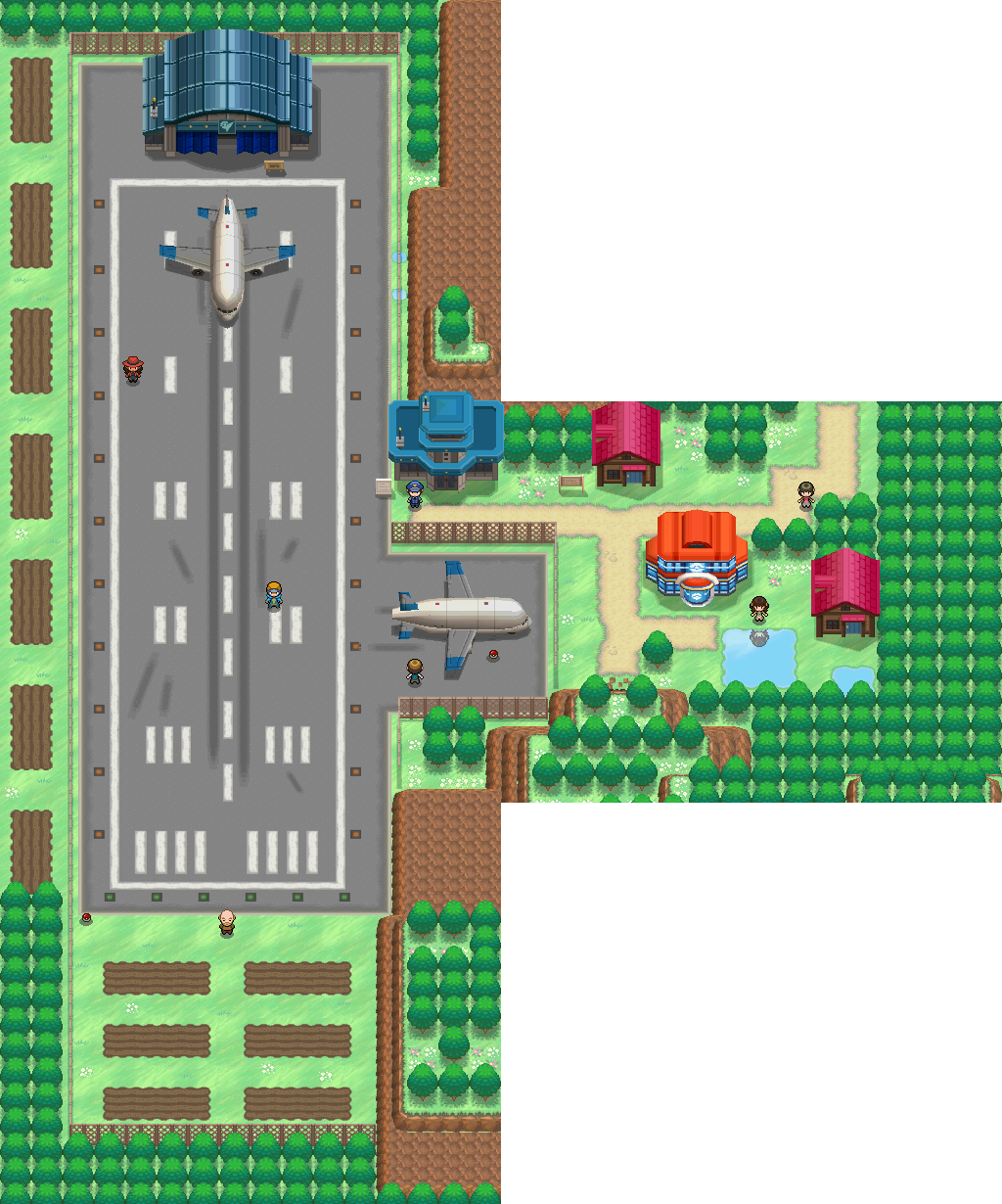
 Mistralton Gym: Skyla
Skyla is fanatical about flight, and more specifically about Flying-type Pokémon; she owns her own airport, and it’s said that her grandfather was a legendary pilot. Because of these things, some know Skyla as ‘The High-Flying Girl’. Skyla flies alongside her team, which is made up of Swoobat (Level 33), a Psychic/Flying type, Unfezant (Level 33), a Normal/Flying type, and Swanna (Level 35), a Water/Flying type. Clip Skyla’s wings and defeat her formidable team to be awarded the Jet Badge and TM62 (Acrobatics).
“Hee-hee! I’ve been waiting for you. Did you enjoy flying with the help of the Mistralton Gym cannons? They’re my pride and joy! This time, let’s try something else!” – Skyla
Team: Swoobat Lv. 33, Unfezant Lv. 33, Swanna Lv. 35
“The High-Flying Girl” first asks the player to ring the bell atop Celestial Tower. Her Gym is crossed by riding cannons, some of which blast you back towards a Trainer. Reward: TM62 Acrobatics.


 Icirrus Gym: Brycen
Brycen is a specialist in Ice-type Pokémon and host to the penultimate Gym challenge of the Unova region, known to some simply as ‘The Ice Mask’. At his command Brycen has a trio of pure Ice types: Vanillish (Level 37), Cryogonal (Level 37) and Beartic (Level 39). Melt away Brycen’s icy exterior in order to receive the Freeze Badge and TM79 (Frost Breath).
“You appear ready to face a Gym Leader. Then… Bring it!” – Brycen
Team: Vanillish Lv. 37, Cryogonal Lv. 37, Beartic Lv. 39
“The Ice Mask” runs a skating Gym of switch-turned curves and ramps over bottomless-looking ravines, with a long ice slide back to the entrance once he is beaten. Reward: TM79 Frost Breath.

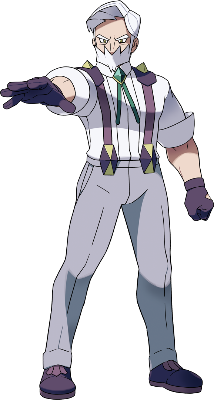
 Opelucid Gym: Drayden
Which version of the game the player is playing will decide who the final Gym challenge of the game comes from. Those playing Pokémon White will face Iris, ‘The Girl Who Knows the Hearts of Dragons’; if they are playing Pokémon Black they will face Drayden, ‘The Spartan Mayor’. Regardless of whether you face Drayden or Iris, they will command the following Dragon-type Pokémon: Fraxure (Level 41), Druddigon (Level 41) and Haxorus (Level 43), and hand over the Legend Badge and TM82 (Dragon Tail).
“Welcome. Thank you for coming. I am Opelucid Pokémon Gym’s Leader, Drayden. As the mayor, I’ve given everything to developing the city. As a Trainer, I’ve simply been pursuing greater strength. But what I’m searching for now is a young Trainer who can show me a bright future. Perhaps you can show me that future, the way Iris has?” – Drayden
Team: Fraxure Lv. 41, Druddigon Lv. 41, Haxorus Lv. 43
“The Spartan Mayor” governs Opelucid as well as leading its Gym. His Pokémon are all male; Iris uses the same species and levels in White. Reward: TM82 Dragon Tail.


Opelucid Gym: Iris
Iris takes Drayden’s place in Pokémon White, with the same three Dragons: Fraxure (Level 41), Druddigon (Level 41) and Haxorus (Level 43).
“Hi! I’m Iris, the amazing strong Gym Leader! Tell me… What Pokémon are you using? How will you fight? Ooh, I’m super curious, so let’s just get started!” – Iris
Team: Fraxure Lv. 41, Druddigon Lv. 41, Haxorus Lv. 43
“The Girl Who Knows the Hearts of Dragons” takes Drayden’s place in White. Her team mirrors his, though her Druddigon has Sheer Force and her Haxorus Mold Breaker. Reward: TM82 Dragon Tail.
The Elite Four & the Champion
Want to take on the Champion of the Pokémon League? You’ve first got to prove yourself against the Elite Four of Unova, a powerful group of Trainers each with their own specialism, and for once in any order you like. Should you have the grit to get past the Elite Four you’ll get to take on the Pokémon League Champion… and perhaps even take the crown for yourself. For more information on the Elite Four, including their Pokémon’s movesets and the best strategy for beating them, check out our guide.
Shauntal, Grimsley, Caitlin and Marshal, then Champion Alder


Shauntal, Elite Four
Shauntal is a master of ghosts and the first member of the Elite Four of Unova. She is known to enjoy writing books when she’s not battling alongside her Ghost Pokémon. Shauntal, like many of the other female Gym Leaders and Elite Four members, likes to visit Cynthia at Caitlin’s villa in Undella Town during the spring and summer months. Her team is made up of Cofagrigus (Level 48), a pure Ghost type, Jellicent (Level 48), a Water/Ghost type, Golurk (Level 48), a Ground/Ghost type, and Chandelure (Level 50), a Ghost/Fire type.
“‘Eyes brimming with dark flame, this man rejected everything other than himself in order to bring about one singular justice…’ That’s part of a novel I’m writing. I was inspired by the challenger who was just here, and somehow I got a little sad… Excuse me. You’re a challenger, right? I’m the Elite Four’s Ghost-type Pokémon user, Shauntal, and I shall be your opponent.” – Shauntal
Team: Cofagrigus Lv. 48, Jellicent Lv. 48, Golurk Lv. 48, Chandelure Lv. 50
Rematch: Cofagrigus Lv. 71, Jellicent Lv. 71, Golurk Lv. 71, Froslass Lv. 71, Drifblim Lv. 71, Chandelure Lv. 73
A novelist who writes stories inspired by her challengers. Hers is the first door on the left of the League lobby, though the four can be taken in any order.


Grimsley, Elite Four
The son of a once-proud family that was brought to ruin, Grimsley was known to like gambling a little too much (perhaps relating to the ruin of his once-proud family?). It is said that Grimsley put everything he could into the training of himself and his own Pokémon in order to stay free of gambling’s temptations. Now a powerful member of the Elite Four and a specialist in Dark-type Pokémon, Grimsley’s team includes Scrafty (Level 48), a Dark/Fighting type, Krookodile (Level 48), a Dark/Ground type, Liepard (Level 48), a pure Dark type, and Bisharp (Level 50), a Dark/Steel type.
“Man oh man… What is going on today? Challengers coming one right after another. Well, no matter. I am Grimsley of the Elite Four, and I will fulfill my duty to be your opponent.” – Grimsley
Team: Scrafty Lv. 48, Krookodile Lv. 48, Liepard Lv. 48, Bisharp Lv. 50
Rematch: Sharpedo Lv. 71, Scrafty Lv. 71, Krookodile Lv. 71, Liepard Lv. 71, Drapion Lv. 71, Bisharp Lv. 73
A sharply dressed Dark-type specialist. Bisharp anchors both of his teams, and the post-game rematch brings in Sharpedo and Drapion.


Caitlin, Elite Four
Caitlin is the third member of the Elite Four of Unova and a master of Psychic-type Pokémon. This isn’t the first time we’ve seen Caitlin: she owned the Battle Frontier’s Battle Castle in Platinum and HeartGold & SoulSilver, where her valet Darach battled on her behalf. Caitlin possesses a good level of psychic powers herself, which presumably assist in her mastery of her team of Psychic Pokémon. Caitlin travelled to Unova with the sole purpose of developing her skills further and becoming an even more powerful Trainer than she already was. Her team is made up of Reuniclus (Level 48), a pure Psychic type, Musharna (Level 48), another pure Psychic type, Sigilyph (Level 48), a Psychic/Flying type, and Gothitelle (Level 50), a pure Psychic type.
“Who are you? How impudent you are to disturb my sleep. Hmf… You appear to possess a combination of strength and kindness. Very well. Make your best effort not to bore me with a yawn-inducing battle. Clear?” – Caitlin
Team: Reuniclus Lv. 48, Musharna Lv. 48, Sigilyph Lv. 48, Gothitelle Lv. 50
Rematch: Musharna Lv. 71, Sigilyph Lv. 71, Reuniclus Lv. 71, Gothitelle Lv. 71, Bronzong Lv. 71, Metagross Lv. 73
The former owner of the Battle Castle in Platinum and HeartGold and SoulSilver greets challengers as if woken from a nap. Her villa in Undella Town is where Cynthia stays.


Marshal, Elite Four
Marshal is a Fighting-type master and the final and strongest member of the Unova Elite Four; he thinks of himself as the apprentice of Alder, the Champion. His Pokémon are all pure Fighting types: Throh (Level 48), Sawk (Level 48), Conkeldurr (Level 48) and Mienshao (Level 50).
“Greetings, challenger. My name is Marshal. In order to master the art of fighting, I’m training under my mentor, Alder. My mentor sees your potential as a Trainer and is taking an interest in you. It is my intention to test you—to take you to the limits of your strength. Kiai!” – Marshal
Team: Throh Lv. 48, Sawk Lv. 48, Conkeldurr Lv. 48, Mienshao Lv. 50
Rematch: Breloom Lv. 71, Throh Lv. 71, Sawk Lv. 71, Mienshao Lv. 71, Toxicroak Lv. 71, Conkeldurr Lv. 73
Alder’s apprentice and a pure Fighting-type specialist. Mienshao leads his first team, while Conkeldurr takes the top slot in the rematch alongside Breloom and Toxicroak.

Alder, Champion
Alder is the nomadic Champion of the Unova region. It is said that he began to wander Unova after his original starter Pokémon died of illness; Alder wandered the lands in despair at being unable to save his beloved first companion. Alder is already known to the player at the time of this battle, as he has been a recurring character throughout the game and its story prior to this challenge. For the first time in the series, however, the player cannot engage the Champion in battle after the first defeat of the Elite Four, as Alder has already been defeated by N. The player must first face down N as both put their beliefs on the line to decide the fate of Unova; only after N is defeated will the player be able to take on Alder. He commands a Bug-heavy but balanced team of six Pokémon: Accelgor (Level 75), a Bug type, Bouffalant (Level 75), a Normal type, Druddigon (Level 75), a Dragon type, Vanilluxe (Level 75), an Ice type, Escavalier (Level 75), a Bug/Steel type, and Volcarona (Level 77), a Bug/Fire type.
“I beg you! Separating people from Pokémon… Do anything but that!” – Alder
Team: Accelgor Lv. 75, Bouffalant Lv. 75, Druddigon Lv. 75, Vanilluxe Lv. 75, Escavalier Lv. 75, Volcarona Lv. 77
Alder can only be challenged after N and Ghetsis are beaten and the Elite Four are cleared again. Black and White give him a single line-up, led by Volcarona, and the battle pays ₱15,400.
Glitches, exploits and oddities
Generation V is a tidy engine, but Black and White still have a few quirks: a move that strands Pokémon in mid-air, a Triple Battle that cannot be finished and a Gym theme that arrives late.
Sky Drop glitch
A quirk of the new move Sky Drop that affects Black, White and their sequels, and only in Double and Triple Battles. Sky Drop lifts a target into the air for a turn, leaving both the user and its victim out of reach. If Gravity is used while two Pokémon are in that state, gravity pulls the Sky Drop user back to the ground, but the lifted Pokémon is left hanging, still treated as airborne and unable to act. It stays stuck like that for the rest of the battle until it is knocked out. The bug was not fixed in Black 2 and White 2.
Triple Battle softlock
Triple Battles’ positioning rules can trap the game. If the player’s remaining active Pokémon cannot reach the last opposing Pokémon, and the player has only one other Pokémon left in the party, the game refuses to let that Pokémon be sent out. With no valid way to continue, the battle cannot progress and the player is forced to reset. A related oversight leaves an opponent with no adjacent targets choosing moves at random, some of which fail with a message claiming the move has no PP left. Both carried over unchanged into Black 2 and White 2.
Gym Leader music oversight
Black and White change the battle music to a tense new track when a Gym Leader sends out their final Pokémon, but the switch is triggered by the Leader’s line of dialogue rather than by the Pokémon appearing. If one of your Pokémon is in the middle of a multi-turn move such as Rollout when the last Pokémon comes out, the dialogue and the music change are held back until the move finishes. The result is a stretch of battle against the Leader’s last Pokémon that still plays the ordinary Gym theme, with the dramatic music arriving a few turns late.
Wellspring Cave Multi Battle blackout
Exclusive to the Japanese releases of Black and White. On Route 3, Cheren teams up with the player in a Multi Battle against two Team Plasma Grunts inside Wellspring Cave. Cheren normally restores the party afterwards, but if every one of the player’s Pokémon faints during that Multi Battle, the team is not healed. Walking into the next Trainer battle with a party of fainted Pokémon can then cause an immediate blackout at the start of the fight. The problem is specific to the Japanese versions and does not appear in the English releases.
Box change sprite glitch
A storage-system oddity shared by all four Generation V games. If a Pokémon is picked up in the PC and the player switches boxes with Switch Box while holding it, its menu sprite can turn invisible on returning. Tapping its old slot may then show a red silhouette of a different Pokémon, and moving it into the party can make it carry that silhouette. Closing the PC, opening a summary screen or the Bag, or using the search function resets the sprite, and removing a form-changing held item from Giratina, Arceus or Genesect also clears it. No cause has been pinned down.
Game Freak logo freeze
The Game Freak logo that plays when the game starts can normally be skipped, but mashing the A and B Buttons continuously while it is on screen has the opposite effect. Instead of skipping ahead, the animation stops and the screen freezes for as long as the buttons keep being pressed. Releasing them lets the game carry on as normal, so the freeze is harmless, but it is a curious little quirk that turns up in all four Generation V games, Black 2 and White 2 included, and it costs nothing to try on an original cartridge.
TM disc colour and Fly map oversights
A handful of small cosmetic slips in Black and White. TM94 holds the Fighting-type move Rock Smash, yet its disc in the Bag is coloured as a Rock-type TM. In the Japanese versions only, TM67 Retaliate appears with a Dark-type disc even though Retaliate is Normal-type, hinting that the move may once have been planned as Dark. On the Fly map, Liberty Garden’s square is drawn filled in red as if it were a flyable destination, though the island can only be reached by ferry. None of these affect gameplay.
What no longer works
Several features are now permanently out of reach because the online services behind them have closed. The Pokémon Dream World, and with it the Global Link route to many Hidden Ability Pokémon, Dream Remnants and Entree Forest visitors, closed on 14 January 2014. Nintendo Wi-Fi Connection ended on 20 May 2014, taking the GTS, Random Matchup, the Wi-Fi Club, the Battle Subway’s Wi-Fi line and online Mystery Gift distributions with it. Everything played locally, including trading, battling, the Entralink, Xtransceiver calls and Poké Transfer, still works between cartridges.
Videos & media
Check out these Pokémon Black & White videos, featuring English and Japanese TV commercials, the official trailer and the intro video for Black.
The official trailer.
An extended Japanese TV commercial for Black & White.
English TV commercials for Pokémon Black & White.
The intro video for Pokémon Black.
Trivia & facts
- Massive amounts of thought were put into the development of the story and the characters in Pokémon Black and White (more so than normal). It took Game Freak over a year and a half just to get those elements of the game to a standard they were happy with.
- For the first time in the series the non-English European titles were translated directly from Japanese, rather than going Japanese → English → French, German, Italian etc.
- The Japanese versions of Black & White can show English text in the credits if the character mode is chosen as kanji.
The Japanese logos, Pocket Monsters Black and White. - For the first time in core series Pokémon titles it’s a requirement that each game’s mascot Legendary is captured in order to progress with the storyline. This means when you encounter Reshiram (Pokémon Black) or Zekrom (Pokémon White) you have to capture them, not defeat them; otherwise you’ll just have to keep trying until you do.
-

Reshiram: white, and the mascot of Black. Each game has a mascot whose colouring matches that of its sister game’s version, i.e. Reshiram is white in colour but is the mascot for Black, whereas Zekrom is black in colour but is the mascot for White.
-

Zekrom, black, and the mascot of White. As yet, Black & White are the only core series Pokémon games which have direct sequels, in the form of Black & White Version 2.
- The font used in the dialogue text of the Japanese releases of Black & White is the same one that was used in pre-release promotional materials for the Japanese releases of Diamond & Pearl.
- These were the only core series titles to come out in Europe before the U.S. (Europe got them two days sooner than the U.S.). Pokémon Dash and PokéPark Wii: Pikachu’s Adventure from the spin-off series also hit Europe first.
- The slogan for the games used in TV ads etc. was “Start from a New Beginning”.
- Black & White were the first core series titles where the region’s Champion isn’t the final pre-credits boss battle.
- There were some special Hidden Abilities planned for certain Pokémon that ended up being unused in the final release version. This includes Lightning Rod for Zapdos, Contrary for the Snivy evolution chain and Shadow Tag for Chandelure.
-
Castelia Street, where Game Freak keeps its 22nd-floor office. Game Freak has an in-game branch in one of the buildings in Castelia City. Go to Floor 22 to explore their offices. Floor 22 is the same floor number as Game Freak’s real-life offices in the Carrot Tower in Tokyo.
- In the early development stages of the core series of Pokémon titles there were ideas and sketches flying about with regards to having two rivals instead of one; these ideas were brought to life for the first time in Pokémon Black & White.
- Genesect has a very similar origin to that of Mewtwo. Both were engineered by people and deliberately enhanced to become more powerful: scientists created Mewtwo in Generation I (the anime pins it on Team Rocket), while Team Plasma revived and modified Genesect in B&W.
- An unused item called the God Stone exists within the games’ code. It’s like a grey version of the Light Stone/Dark Stone sprite and is described in the games’ code as “A phantom stone.” It’s not known what this item’s intended use may have been.
- In the Pokémon White Pokédex entry for Darumaka it states: “people used to keep themselves warm by putting its droppings in their clothes.” Nice!
- Way back in Pokémon Red/Blue, if you speak to an NPC called Picnicker Carol on Route 10 she’ll speak of a chunky pink Pokémon with a floral pattern. This describes Munna, which only now appears for the first time in the B&W games, several generations later.
- The Michael Jackson song “Black or White” was played alongside TV updates about Pokémon Black & White Versions in Japan on the TV Tokyo network.
Further trivia
- Black and White were the first core series games with a word filter for names and messages entered by players.
- They were the first paired core series games to launch in Hong Kong, on the same day as Japan and Taiwan.
- The Pokémon Black Game Card is moulded in black plastic, the first coloured core series cartridge since Pokémon Emerald.
- The games launched in Japan in autumn, but September is a spring month in Unova, so early players began their journey in spring.
- Because February counts as a summer month, summer is the shortest season in the Unova calendar, averaging 89 days a year.
- N’s room in his castle is decorated with cloud wallpaper and holds a train set, a skating ramp covered in scratches and a basketball inscribed “Harmonia”.

N’s room, train set and all. - Black City and White Forest are the first version-exclusive locations in the series.

Black City and White Forest, side by side. - The Swords of Justice are loosely based on Alexandre Dumas’s The Three Musketeers: Cobalion as Athos, Terrakion as Porthos and Virizion as Aramis, with Keldeo as the young d’Artagnan.
Legacy
What came after
- Pokémon Black 2 & White 2 – 23 June 2012. The direct sequels, set two years later in a reshaped Unova; released in Japan on 23 June 2012, North America on 7 October 2012 and Europe on 12 October 2012.
- Still waiting – no re-release yet. As of October 2026, Black and White have had no Virtual Console, eShop, Nintendo Switch Online or remake release. Pokémon Day 2026 (27 February) brought FireRed and LeafGreen to the Switch eShop and announced the new generation, Pokémon Winds and Waves, for Switch 2, but nothing for the Unova games.
Where to play Black & White today
Black and White exist only as Nintendo DS cartridges. They run on any DS, DSi or 3DS family system, although imported copies can be region-locked on DSi and 3DS hardware. There has been no digital re-release, and Pokémon Day 2026 brought FireRed and LeafGreen to the Switch rather than any Unova game. Local wireless features, the Entralink and Poké Transfer still work, but every Wi-Fi and Dream World service has closed, so a second-hand cartridge offers the full single-player adventure without its online extras.
How Black & White were made
Game Freak spent around a year and a half on the story and characters alone, aiming for a fresh start that would make long-time fans feel as new to the series as they had with Red and Green. The Pokémon Company announced the project on 29 January 2010. Zorua and Zoroark, the first new species shown, were revealed on 10 February 2010 through the build-up to the film Zoroark: Master of Illusions, and the titles Black and White were unveiled on the official Japanese website on 9 April 2010, a day before magazine scans leaked. CoroCoro revealed the starters in its May 2010 issue. Director Junichi Masuda modelled Unova on the New York area, an idea that took shape while he was in the city for the Diamond and Pearl launch, and he kept older Pokémon out of the main story so that veterans would be as unsure as newcomers about which Pokémon were strong. Japanese pre-orders passed 1.08 million in August 2010, a first for a DS game, ahead of the 18 September launch; Europe, North America and Australia followed in March 2011.
Black & White in other media


The English and Japanese title screens:

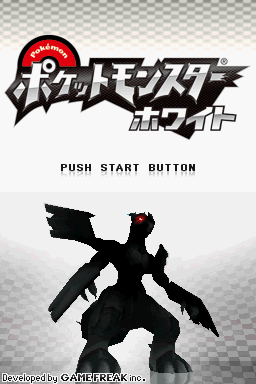
Sales & reviews
Sales figures
Pokémon Black and White sold 15.64 million copies, falling short of the previous generation’s Diamond and Pearl by around 2 million. Despite 15.64 million sales being far from a small number, this figure makes Black & White the lowest-selling (in terms of copies sold) of the primary paired games that start a generation (vs Ruby & Sapphire, Gold & Silver, Diamond & Pearl and so on).
In spite of not quite living up to the sales of their primary-game paired predecessors, Pokémon Black and White started strongly, securing 1.08 million pre-orders in Japan alone; this figure was measured a month prior to the release of the titles and made them the first Nintendo DS titles to break the 1 million pre-order mark. Even then the momentum was explosive in Japan, with a further 2.6 million sales in the first two days, a record opening week for the region. Stats recorded on November 3rd showed that over 4.3 million copies of the games had sold in Japan, and a couple of months on, in January 2011, Black & White became the fastest Nintendo DS games to sell 5 million copies in the region.
Pokémon Black & White also enjoyed success with their UK launches, securing both top spots in the UK video game charts: White in 1st and Black in 2nd. White achieved the accolade of becoming the second-fastest-selling game for the DS, narrowly missing out on knocking Professor Layton and Pandora’s Box from the top spot. White, interestingly, sold 13,000 more copies than Black. The number of copies sold earned the games the record of Nintendo’s third most successful UK launch, with Wii Fit and Mario Kart Wii holding the top spots. They also hold the UK record for the most opening-weekend sales of any Pokémon games.
In the first day on sale in the USA, over 1.08 million copies were sold, even beating off the previous generation’s very successful Diamond and Pearl, which sold 780,000 copies on their first day. In March 2011 the NPD Group calculated that Nintendo had sold 1.3 million copies of White, with Black just behind at 1.1 million copies, both games claiming the top two spots in the US video game charts for the month of March.
Media Create’s tracking puts Japan’s first two days at 2,557,779 copies, split 1,323,423 for Black and 1,234,356 for White, and the Japanese lifetime total at 5,516,542 by the end of 2013. Nintendo counted 11.51 million worldwide by 31 March 2011, the end of the financial year the games launched in, and the 15.64 million lifetime figure has stood unchanged since 2017.
- 15.64mworldwide, lifetime
- 2.6mJapan in two days
- 1.08mUnited States on day one
- 5.52mJapan by the end of 2013
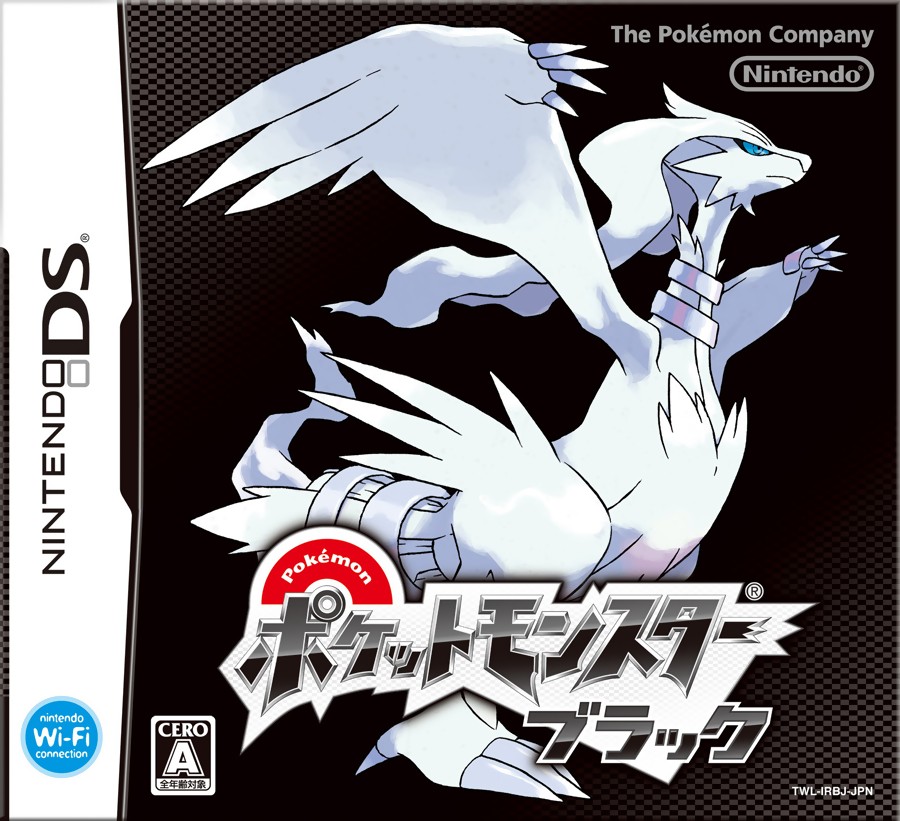
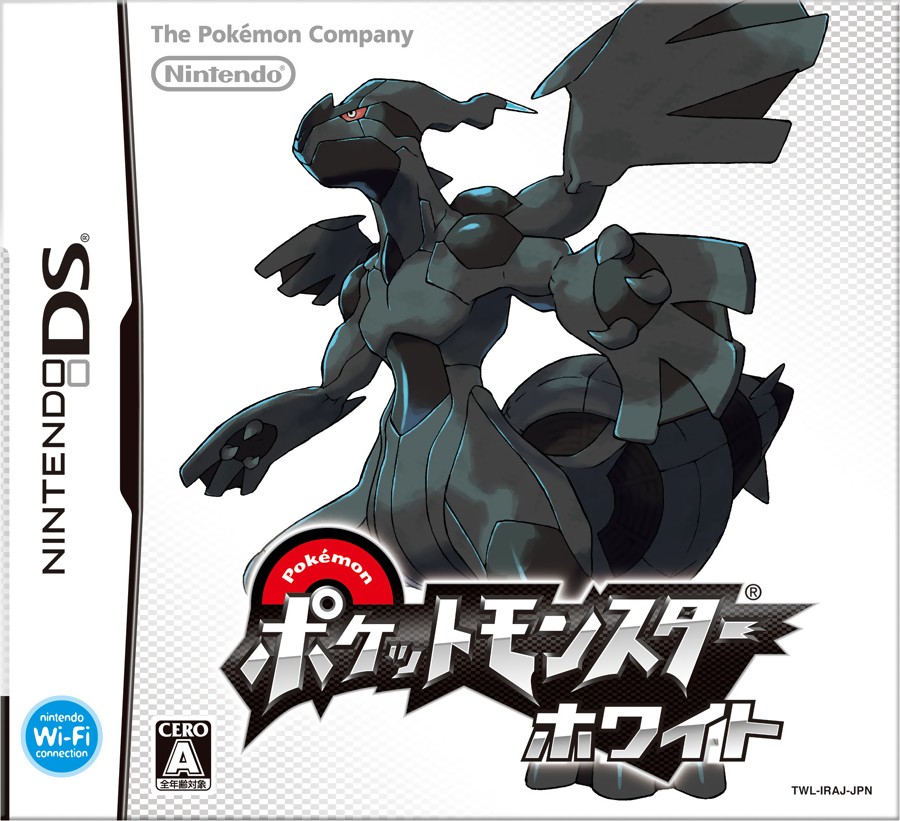
Review scores
With Pokémania showing absolutely no signs of slowing down, Pokémon Black & White Versions were even better received than Platinum and Diamond & Pearl before them, and approximately matched the scores of the very successful HeartGold and SoulSilver Versions. Let’s check out what the major review sites gave:
- The aggregate score on GameRankings is 85.77% over 45 reviews, just about pipping Diamond, Pearl and Platinum to the post.
- Metacritic gave Black & White an even clearer lead over their predecessor titles with a score of 87/100 over 63 critics. 62 of said critics received the games very positively, one had mixed opinions and NONE had anything particularly negative to say.
- Nintendo Power magazine awarded a very strong score of 9/10, matching the titles before it.
- Jack DeVries from IGN gave Black & White Versions 9 out of 10, writing: “If you have never played Pokemon, get off your ass and get Pokemon Black/White. Aside from a weaker lineup of monsters (largely an aesthetic complaint), this is the best Pokemon has to offer on every level.” This surpassed the score that predecessor title Platinum had received of 8/10.
- The one source who didn’t rate Black & White above Platinum, Diamond and Pearl, however, was GameSpot, their reviewer Mark Walton scoring B&W 7.5/10 (a narrow victory for Platinum, which GS had given 8/10 previously). He commented: “If you’ve never seen the appeal of the series, then the lack of innovation in Pokemon Black will do little to change your mind. Fans, however, should snap it up straight away.”
Black and White were among the best-received Pokémon games of their time. Famitsu awarded a perfect 40, and IGN, Nintendo Power, GamesRadar and VideoGamer.com all gave 9 out of 10, while Official Nintendo Magazine went as high as 95%. Reviewers welcomed the way the games refined the long-standing formula, praising the livelier presentation, the brand-new roster and additions such as Triple and Rotation Battles, reusable TMs and the seasons. The chief reservations concerned familiarity and the new creatures themselves: GameSpot’s Mark Walton felt the structure was largely unchanged and scored it 7.5, though he still urged fans to buy it straight away, and several critics found some of the new Pokémon designs weaker than earlier generations. Metacritic’s aggregate settled at 87 out of 100.
Awards and honours:
Media & artwork
- Official artwork gallery from Pokémon Black & White – a gallery featuring many of the Pokémon and characters from the game
- Official artwork gallery from Pokémon Black & White – a gallery featuring characters, items and supporting artwork
- Box art from Pokémon Black, including numerous regional variations and editions
- Box art from Pokémon White, including numerous regional variations and editions
- Screenshots from Pokémon Black & White
Further reading
Our Unova guides, plus the games either side of Black & White: