  |
|
| Titles | Pokémon: Let’s Go, Pikachu! & Pokémon: Let’s Go, Eevee! ポケットモンスター Let’s Go! ピカチュウ · Let’s Go! イーブイ |
| Platform | Nintendo Switch – Game Card and Nintendo eShop download; also plays on Switch 2 |
| Developer | Game Freak |
| Publisher | The Pokémon Company (Japan) / Nintendo (elsewhere) |
| Director | Junichi Masuda |
| Producers | Shigeru Ohmori, Hitoshi Yamagami, Akira Kinashi, Mikiko Ohashi, Takanori Sowa, Shin Uwai |
| Composer | Shota Kageyama (new arrangements of Junichi Masuda’s Kanto music) |
| Art | Takao Unno (artist), Masafumi Saito (designer) |
| Players | 1–2 (drop-in co-op with a second Joy-Con); local and online trading and battles |
| Generation | Generation VII – remakes of Pokémon Yellow, set in Kanto |
| Pokémon | 153: the original 151 plus the new Mythical Meltan and Melmetal; 18 Alolan forms; 13 species can Mega Evolve |
| Languages | Japanese, English, French, German, Italian, Spanish, Korean, Simplified and Traditional Chinese |
| Predecessor | Pokémon Ultra Sun & Ultra Moon |
| Successor | Pokémon Sword & Shield (Nintendo Switch, 2019) |
| Released | 16 November 2018 worldwide – Japan, North America, Europe, Australia and South Korea on the same day; mainland China on 26 September 2024 |
| Rating | CERO A · ESRB E (Everyone) · PEGI 7 · PG (Australia) |
| Bundles | The Nintendo Switch Pikachu & Eevee Edition, with yellow and brown Joy-Con; packs with the Poké Ball Plus |
| Sales | 15.07 million combined (30 September 2023) – over 3 million in the first week |
Overview
 Pokémon: Let’s Go, Pikachu! and Pokémon: Let’s Go, Eevee! are a pair of remakes of Pokémon Yellow for the Nintendo Switch, released worldwide on 16 November 2018. Developed by Game Freak and directed by Junichi Masuda, they were the first core series Pokémon games made for a home console, and they take you back to Kanto with a partner Pikachu or Eevee riding on your shoulder.
Rather than a straight remake, Let’s Go rebuilds the 1998 adventure around the catching of Pokémon GO: wild Pokémon roam the routes in plain sight and are caught with a flick of the Joy-Con instead of being battled first. The Trainer battles, the Gyms and the Elite Four are all still there, while abilities, held items and breeding are set aside to keep things approachable for the many players who had found the series through GO.
It is still very much the Kanto of Red & Blue, with the same towns, Gyms and Team Rocket schemes, but there is plenty that is new: a friendly rival called Trace, Jessie and James at every turn, Mega Evolution and Alolan forms, drop-in co-op for a second player, the GO Park in Fuchsia City and two brand-new Mythical Pokémon, Meltan and Melmetal, which arrive through Pokémon GO.
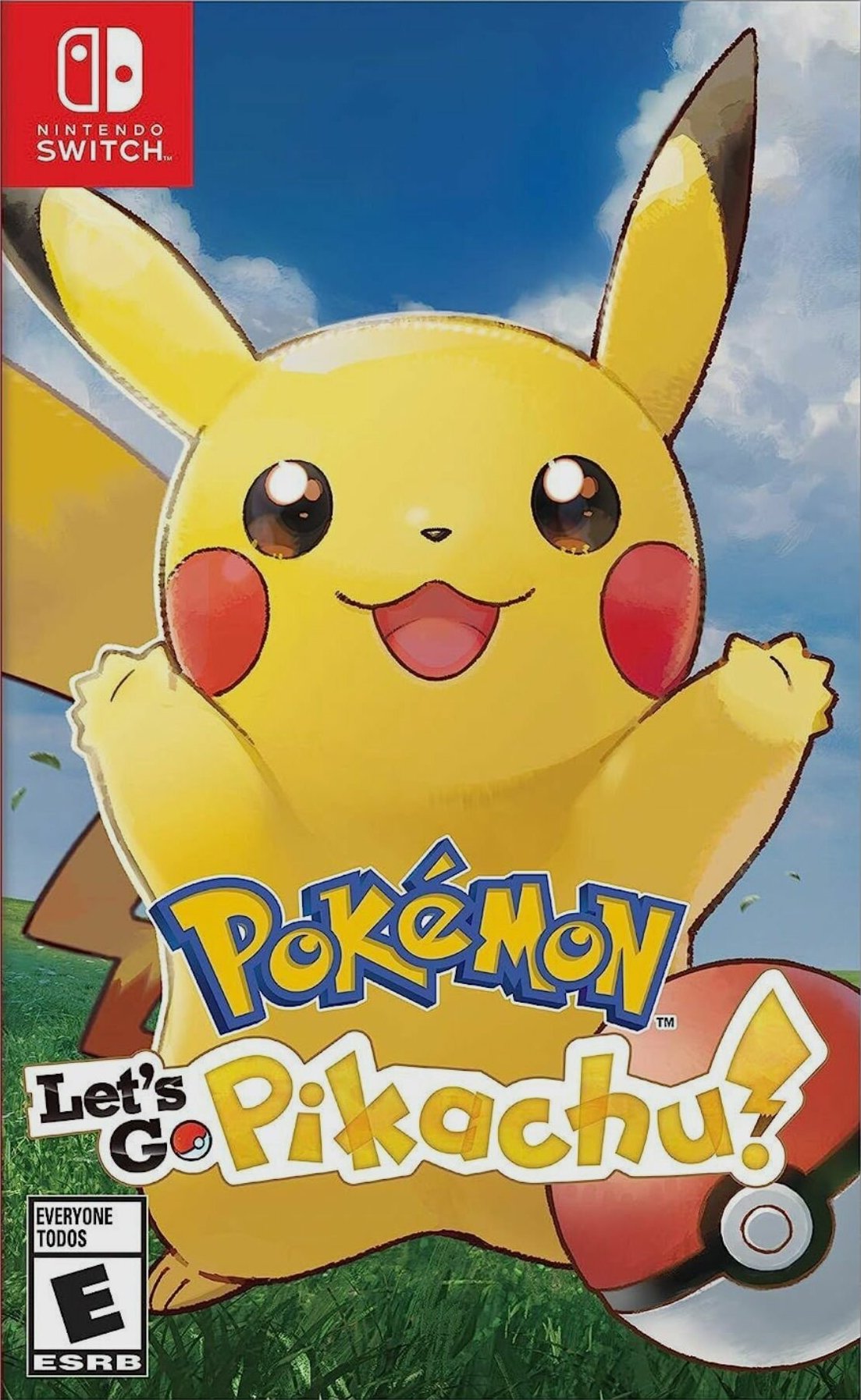
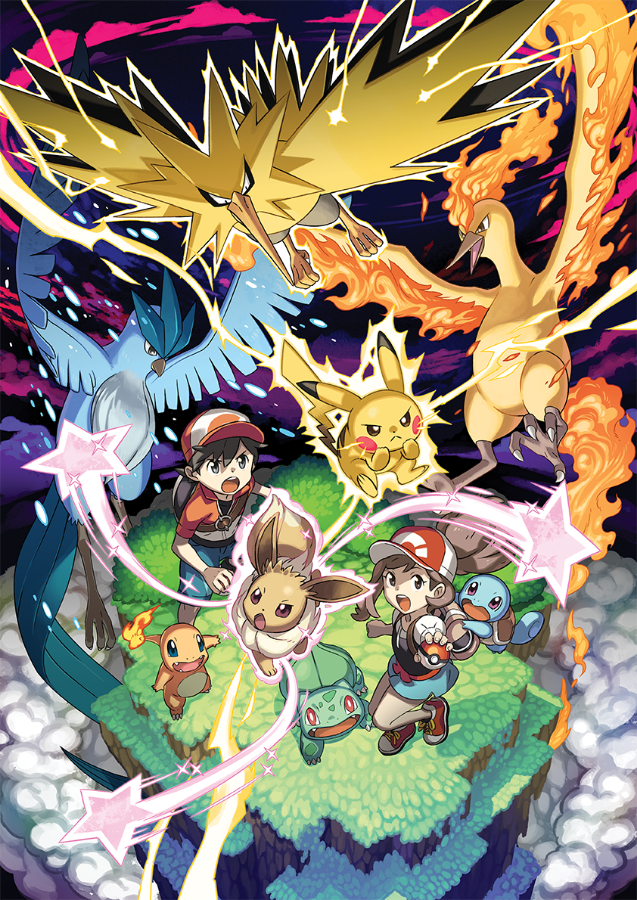
Each version’s cover shows its partner: Pikachu on Let’s Go, Pikachu! and Eevee on Let’s Go, Eevee!. More than three million copies sold in the first week, making them the fastest-selling Switch games up to that point, and the pair went on to pass 15 million – a gentle bridge between Pokémon GO and the next full generation, Sword & Shield, a year later.
Return to the Kanto region and experience a classic Pokémon journey in a whole new way with Pokémon: Let’s Go, Pikachu! and Pokémon: Let’s Go, Eevee!
— Official description
Quick Answers
The questions people ask most about Let’s Go, Pikachu! and Let’s Go, Eevee!, answered first and explained further down the page.
Let’s Go, Pikachu! or Let’s Go, Eevee! – what is the difference, and which should I buy?
The story, map and post-game are the same. The partner is the big difference: Pikachu is an Electric-type with four signature moves, while Eevee is a Normal-type with nine that cover far more types. Each version also has 11 exclusive species, such as Oddish and Growlithe in Pikachu, or Bellsprout and Vulpix in Eevee. Pick the partner you prefer. More →

How is Let’s Go different from Red, Blue and Yellow?
It retells Yellow’s Kanto story with Pokémon GO-style catching: wild Pokémon roam the overworld and are caught with a throw rather than battled. Abilities, held items and breeding are gone, HMs become Secret Techniques, and Candy-fed Awakening Values replace effort values. Trace is a new rival, and Mega Evolution, Alolan forms, co-op and the GO Park are new. More →
How do I get Meltan and Melmetal today?
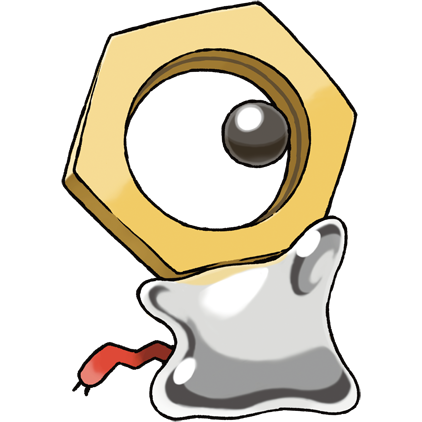
Neither appears in Let’s Go itself. Link Pokémon GO and send any Pokémon to the GO Park in Fuchsia City; GO then gives you a Mystery Box that summons Meltan in GO, reusable every three days. Evolve Meltan with 400 Meltan Candy for Melmetal, then transfer either one to the GO Park and catch it there. More →
Does the Pokémon GO connection still work in 2026?
Yes. Nintendo’s support pages, now written for both Switch and Switch 2, still explain how to connect Pokémon GO to Let’s Go. Pair them through the Nintendo Switch option in GO’s settings, then send Kanto Pokémon, their Alolan forms, Meltan or Melmetal to the GO Park in Fuchsia City. Transfers are one-way, and event and Shadow Pokémon cannot be sent. More →

How do I get Mew, and is it still possible?
In Let’s Go, Mew comes only with the Poké Ball Plus: pair the accessory and Mew is delivered through Mystery Gift over the internet, with no Nintendo Switch Online membership needed. Each Poké Ball Plus releases one Mew, ever, so a second-hand unit may already be spent. The accessory still pairs with Switch and Switch 2 for Let’s Go. More →
How do I catch Mewtwo and the Legendary birds?
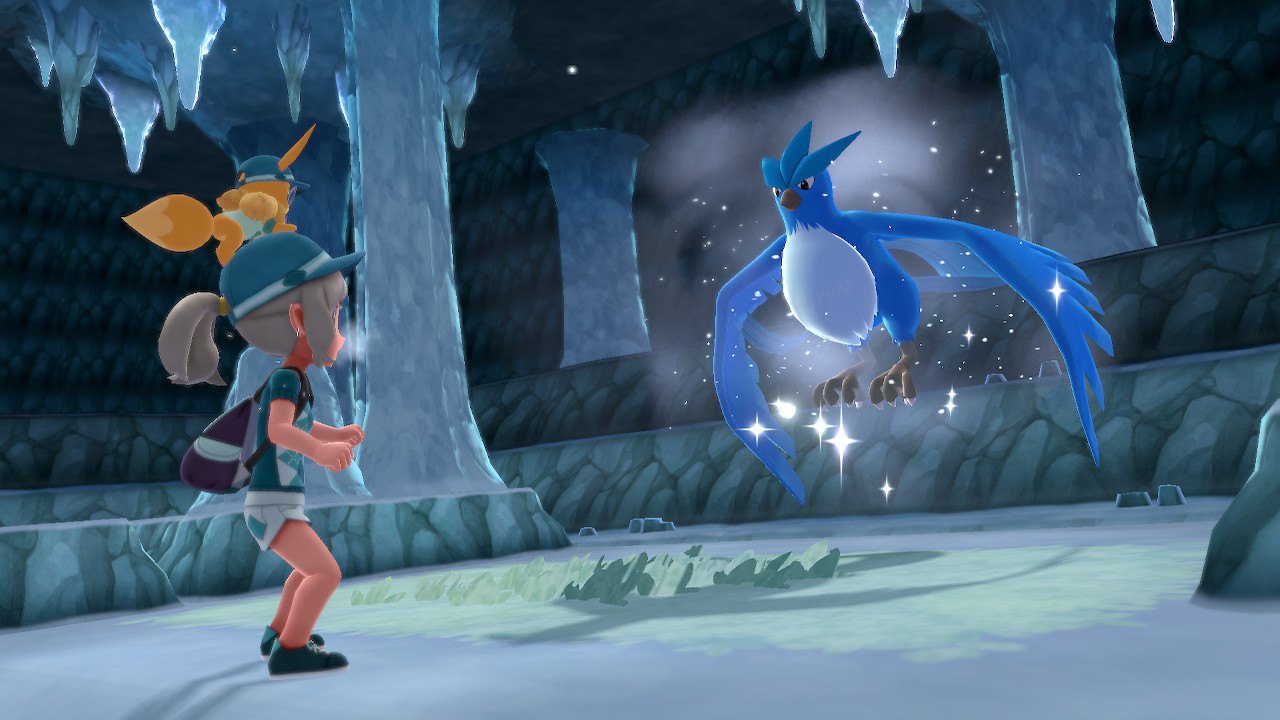
Each must be beaten within five minutes before you can throw a ball. Articuno waits at the bottom of the Seafoam Islands, Zapdos at the end of the Power Plant and Moltres in Victory Road, all at Level 50. Mewtwo, at Level 70, sits in Cerulean Cave, which opens after the Hall of Fame. Miss one and it returns later. More →
What are Master Trainers?
Once you are Champion, 153 Master Trainers appear around Kanto, one for each species in the Pokédex. You must battle each with a single Pokémon of their favourite species, and no items are allowed. Wins earn titles for link battles. The Legendary, Mythical and Ditto masters only ask to see a high-CP example. Beat six to unlock Red. More →
How does co-op work?
A second player can join at any time with the other Joy-Con of the pair, appearing as a support Trainer at the player’s side. When catching, both throw at the same wild Pokémon, and well-timed double throws improve the odds. In Trainer battles the second player fights too, making them two-against-one. They can drop out whenever they like. More →
Can I move Let’s Go Pokémon to Pokémon HOME, Sword & Shield or Scarlet & Violet?
Yes. Let’s Go connects to Pokémon HOME, and Pokémon stored there can move on to Sword & Shield, Scarlet & Violet and other Switch games that include them. Only Let’s Go-born Pokémon can go back into it, and once one enters a newer game it can never return. The partner Pikachu or Eevee cannot be deposited. More →
Is Let’s Go on Switch 2, and what came next?
There is no Switch 2 edition, but the Switch game runs on Switch 2, and Nintendo’s support pages cover pairing the Poké Ball Plus and Pokémon GO with either console. The core series moved on to Sword & Shield in 2019, Brilliant Diamond & Shining Pearl in 2021, Scarlet & Violet in 2022 and Pokémon Legends: Z-A in 2025. More →
Plot / Story

The adventure opens in Pallet Town, where the player and their neighbour Trace are called to Professor Oak’s laboratory. Oak sends the player out with a partner, Pikachu or Eevee depending on the version, while Trace sets off with the other and becomes a warm, encouraging rival. After a first friendly bout in the lab, the pair head out to fill the Pokédex. Jessie and James of Team Rocket block Viridian City’s northern exit until Oak’s parcel is delivered, and the road leads through Viridian Forest to Pewter City, where Brock waits and Blue, Oak’s grandson, hands over Great Balls.
At Mt. Moon, Jessie and James collect their Meowth and challenge the player to a Double Battle once a Fossil has been claimed. Misty in Cerulean City, the S.S. Anne, whose captain teaches the Chop Down technique, and Lt. Surge in Vermilion City follow. In Celadon City the Rocket Game Corner hides Team Rocket’s base, where Giovanni loses his first battle and hands over the Silph Scope as an apology for mocking the player.

The Scope exposes the ghost haunting Pokémon Tower in Lavender Town: the mother of a Cubone, killed by Team Rocket. Trace calms the spirit and adopts the orphan, and the player frees Mr. Fuji from the grunts at the top of the tower, earning the Poké Flute that wakes the Snorlax blocking Kanto’s roads. Fuchsia City brings Koga, the GO Park in place of the old Safari Zone, and the Sea Skim and Strong Push techniques. Team Rocket then seizes Silph Co. in Saffron City. Trace fights alongside the player against the executive Archer, Jessie and James battle again on the 11th floor, and Giovanni, who has been demanding the company’s Master Ball, is beaten a second time. Sabrina’s Gym follows, then Blaine’s quiz Gym on Cinnabar Island.
The Elite Four and the post-game
With seven Badges, the player finds Viridian Gym locked; Blue waits in Oak’s lab with a Key Stone and the Kanto starters’ Mega Stones. Giovanni is then revealed as the Viridian leader and loses for the last time. After a final Route 22 battle with Trace, Victory Road leads to the Indigo Plateau, where Lorelei, Bruno, Agatha and Lance fall in turn. Trace got there first and is waiting as Champion; the player takes the title from him.
The post-game opens Kanto further. Master Trainers appear across the region, each the best with a single species. Trace points the player to Cerulean Cave, where Mewtwo lurks; afterwards Green, in her first core series role, battles with Mega Blastoise and hands over Mewtwonite X and Y. Beating six Master Trainers brings Red to the Indigo Plateau, Blue takes over Viridian Gym and accepts challenges, Jessie and James make one last stand on Route 17, and Archer still lurks in the Rocket Hideout.
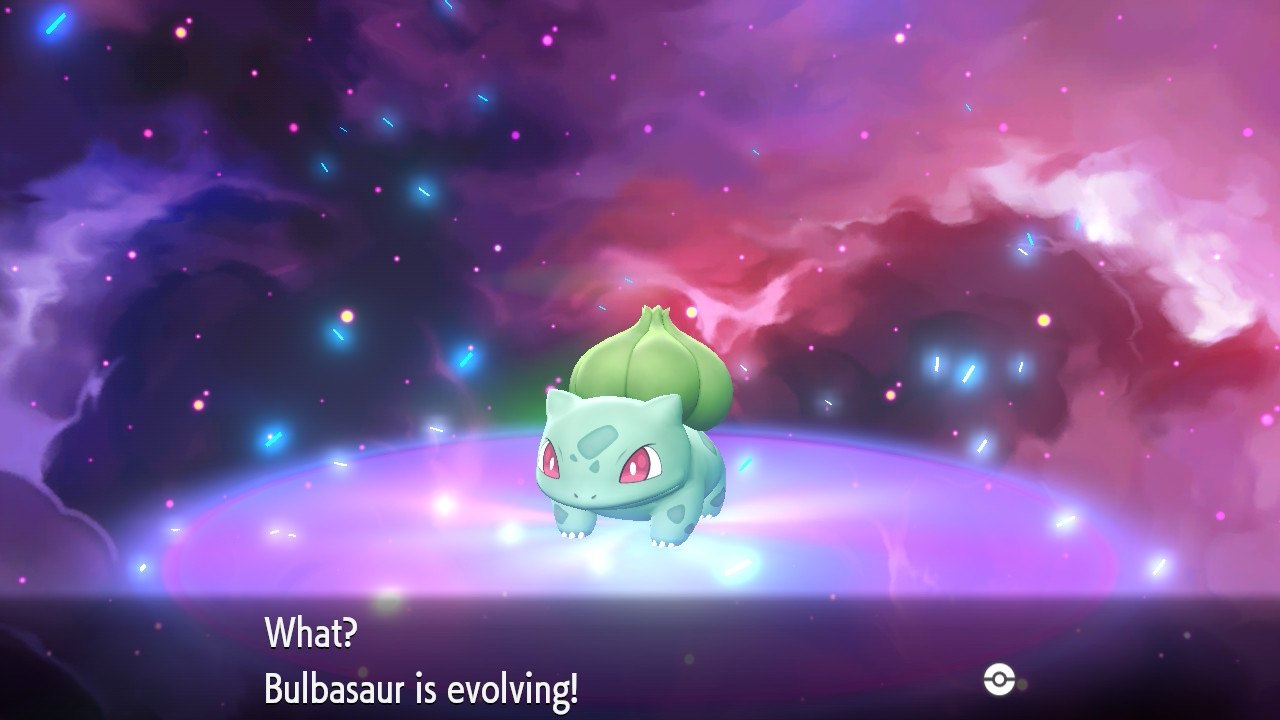


Twenty things Let’s Go does differently
- Wild Pokémon roam the overworld in plain sight, so there are no random encounters in tall grass.
- Ordinary wild Pokémon are caught with a Pokémon GO-style throw instead of being battled; only special encounters such as Snorlax, the Power Plant Electrode and the Legendary Pokémon must be beaten first, within five minutes.
- Every catch earns experience for the whole party.
- The starter is a partner Pikachu or Eevee with higher base stats and perfect IVs that cannot evolve, building on Yellow’s Pikachu.
- HMs are gone: the partner performs Secret Techniques such as Chop Down and Sea Skim without using a move slot.
- A second player can join at any time with the other Joy-Con as a support Trainer, sharing catches and Trainer battles.
- Any party Pokémon can walk alongside the player, and some can be ridden; after the Hall of Fame, Charizard, Aerodactyl and Dragonite fly the player over Kanto.
- Abilities, held items, breeding and Eggs are removed, and there is no day-and-night cycle.
- Effort values are replaced by Awakening Values, raised by feeding Candy.
- The Safari Zone is replaced by the GO Park, which receives Pokémon sent from Pokémon GO.
- The PC is replaced by a Pokémon Box kept in the Bag, so the team can be changed anywhere, even between Elite Four battles.
- Mega Evolution and Alolan forms arrive in Kanto, with Mega Stones activated from the Bag rather than held.
- Meltan and Melmetal make these the first core series remakes to introduce new Pokémon.
- Trace takes over the rival role; Blue becomes a helpful senior Trainer who later runs Viridian Gym.
- Green makes her first appearance in a core series game, in Cerulean Cave after the Hall of Fame.
- Jessie and James follow the player throughout and always fight as a Double Battle pair, while Archer, introduced in the Johto games, serves as Giovanni’s executive.
- Giovanni gives the player the Silph Scope as an apology, and his scenes with Archer and the Silph Co. president are shown for the first time.
- Gym guides check a condition before letting the player into several Gyms, such as a minimum level or a number of species registered.
- Master Trainers and Coach Trainers are new kinds of opponent.
- The Rocket Game Corner’s games can no longer be played, and the Bicycle is gone.
Trace, Blue, Green and Red
Trace always starts with the partner species your version doesn’t give you: Eevee, later Jolteon, in Let’s Go, Pikachu! and Pikachu, later Raichu, in Let’s Go, Eevee!. Every battle with him, and with the Kanto veterans who turn up later:
- Trace 1 – Professor Oak’s Lab (optional, no blackout): Eevee Lv. 6 (Let’s Go, Pikachu!) / Pikachu Lv. 6 (Let’s Go, Eevee!)
- Trace 2 – Route 22 (optional): Pidgey Lv. 3, Eevee Lv. 7 (Pikachu) / Pidgey Lv. 3, Pikachu Lv. 7 (Eevee)
- Trace 3 – Cerulean City: Pidgey Lv. 12, Oddish Lv. 12, Eevee Lv. 13 (Pikachu) / Pidgey Lv. 12, Oddish Lv. 12, Pikachu Lv. 13 (Eevee)
- Trace 4 – S.S. Anne: Pidgeotto Lv. 20, Oddish Lv. 20, Eevee Lv. 21 (Pikachu) / Pidgeotto Lv. 20, Oddish Lv. 20, Pikachu Lv. 21 (Eevee)
- Trace 5 – Pokémon Tower: Pidgeotto Lv. 27, Gloom Lv. 27, Jolteon Lv. 28 (Pikachu) / Pidgeotto Lv. 27, Gloom Lv. 27, Raichu Lv. 28 (Eevee)
- Silph Co. 5F Multi Battle – the player and Trace against Archer and a Team Rocket Grunt: Trace’s Cubone Lv. 36, Pidgeot Lv. 36, Gloom Lv. 36, Jolteon Lv. 37 (Pikachu) / Raichu Lv. 37 (Eevee); Archer’s Electrode Lv. 37, Golbat Lv. 37, Weezing Lv. 37
- Trace 6 – Route 22: Pidgeot Lv. 50, Vileplume Lv. 50, Marowak Lv. 50, Jolteon Lv. 51 (Pikachu) / Raichu Lv. 51 (Eevee)
- Champion Trace – Indigo Plateau: Pidgeot Lv. 56 (Mega Evolves at the start), Vileplume Lv. 56, Marowak Lv. 56, Rapidash Lv. 56, Slowbro Lv. 56, Jolteon Lv. 57 (Pikachu) / Raichu Lv. 57 (Eevee)
- Champion Trace rematch – Indigo Plateau: Pidgeot Lv. 66 (Mega Evolves), Vileplume Lv. 66, Marowak Lv. 66, Rapidash Lv. 66, Slowbro Lv. 66, Jolteon Lv. 67 (Pikachu) / Raichu Lv. 67 (Eevee)
- Blue – Silph Co.: Exeggutor Lv. 38, Charizard Lv. 40
- Boss – Mewtwo, Cerulean Cave B1F: Lv. 70 (must be defeated within five minutes before it can be caught)
- Green – Cerulean Cave, post-game: Clefable Lv. 66, Gengar Lv. 66, Kangaskhan Lv. 66, Victreebel Lv. 66, Ninetales Lv. 66, Blastoise Lv. 68 (Mega Blastoise); rematches later near Cerulean City’s bike shop with the same team
- Blue – Viridian Gym, post-game: Tauros Lv. 66, Gyarados Lv. 66, Aerodactyl Lv. 66, Alakazam Lv. 66, Exeggutor Lv. 66, Charizard Lv. 68 (Mega Charizard Y)
- Red – outside the Pokémon League, Indigo Plateau, after six Master Trainers: Pikachu, Machamp, Arcanine, Lapras, Snorlax, Venusaur, all Lv. 85
Trace, the friendly rival
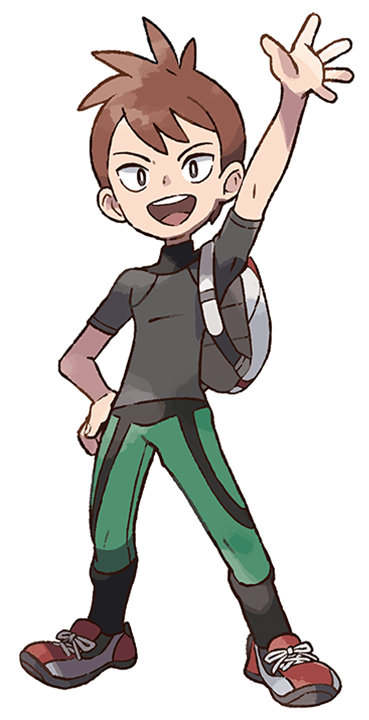
Trace, called Shin in Japan, is the player’s childhood friend from Pallet Town and a far kinder rival than Blue ever was: good-natured, a little timid and quick to share advice and items. His starter is the other version’s partner species, so he leads with Eevee, later Jolteon, in Let’s Go, Pikachu! and Pikachu, later Raichu, in Let’s Go, Eevee!. In Pokémon Tower he adopts an orphaned Cubone, he fights beside the player at Silph Co., and he reaches the Indigo Plateau first, reigning as Champion until the player beats him.

Mewtwo, the post-game legend
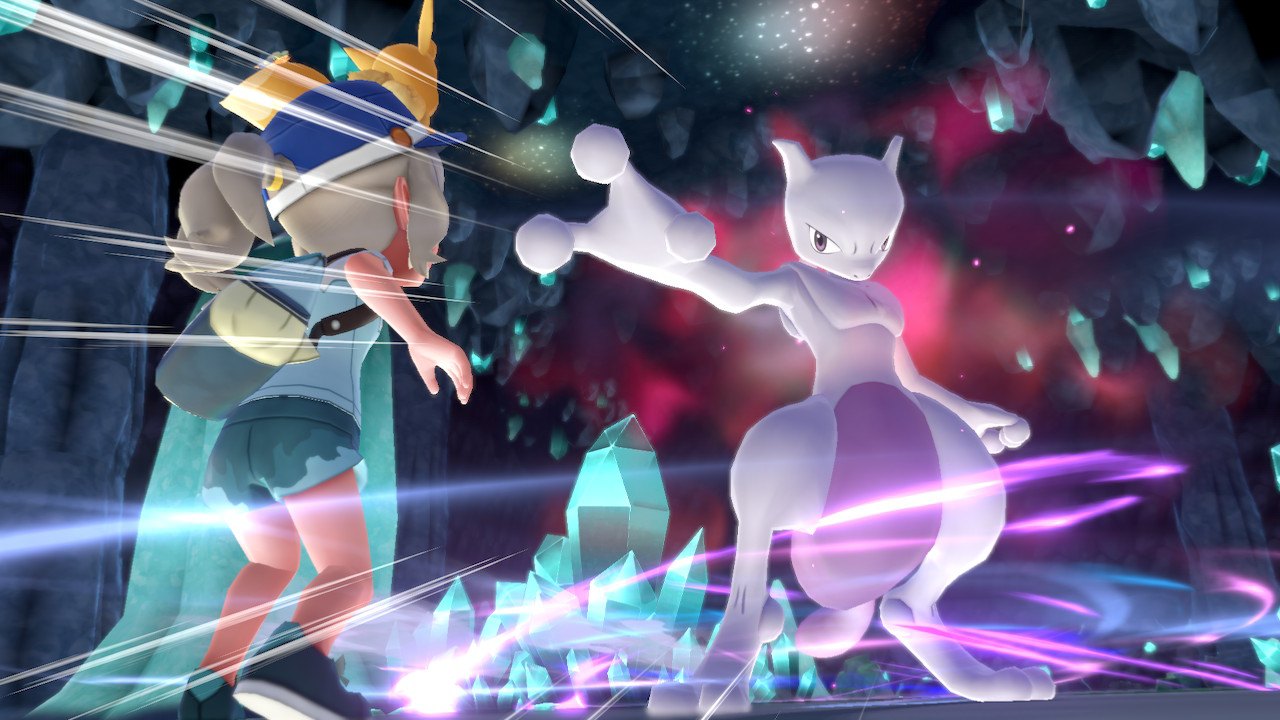
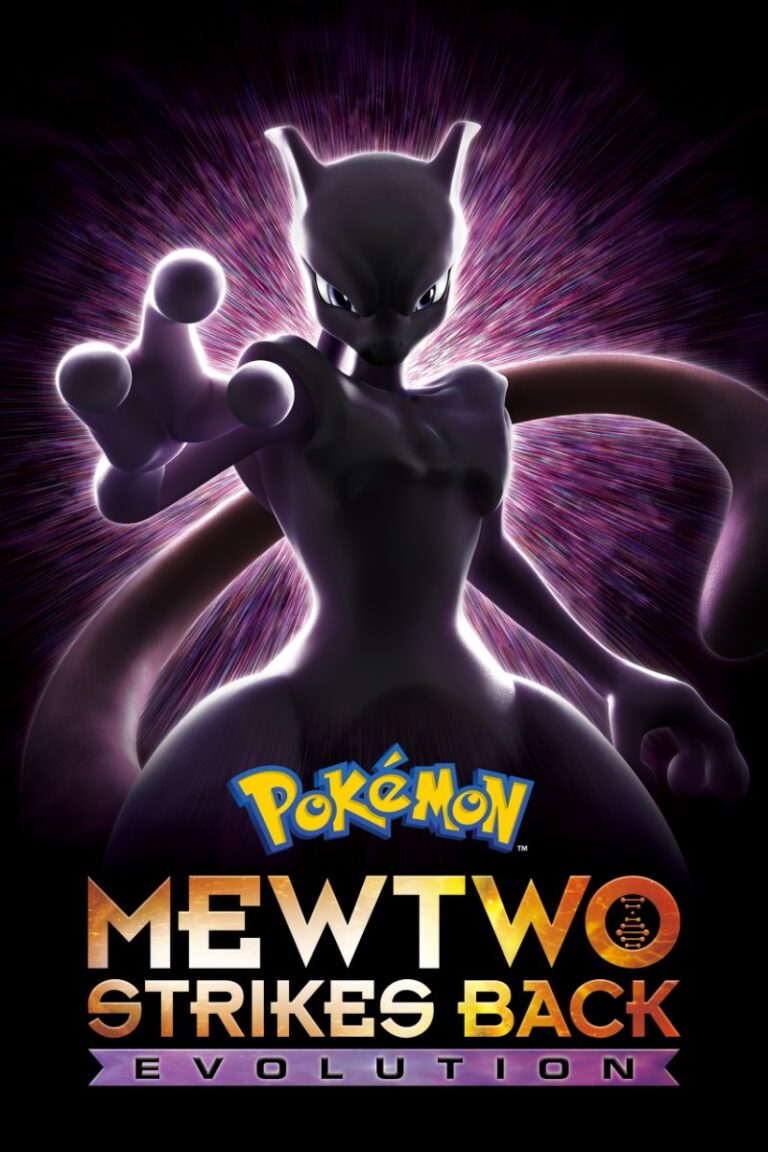
Mewtwo waits on the lowest floor of Cerulean Cave, the post-game dungeon beside Cerulean City. The cave stays sealed until the player has entered the Hall of Fame, and Trace then tells the player about a mysterious Pokémon hiding inside. Mewtwo is Level 70 and, like the other Legendary Pokémon, must be defeated within five minutes before the catching screen appears; during the catch it raises a barrier from time to time that blocks Poké Balls and Berries. If it faints or the player flees, it returns after the next Hall of Fame entry. Its two Mega Stones are not lying around: Green hands over Mewtwonite X and Mewtwonite Y after the player beats her in the cave.
In the anime and movies
Let’s Go draws on the anime just as Yellow did – Jessie, James and Meowth chase you across Kanto – and its new Mythical Pokémon reached the screen within weeks of launch.
In the anime
Anime seasons and films which tie in with Let’s Go (the Kanto of the first series, Mewtwo and Meltan):
 Season 1: Indigo League1997–1999The Kanto adventure that Pokémon Yellow, and so Let’s Go, is built on, with Jessie, James and Meowth on Ash and Pikachu’s trail from the very first episodes.
 Season 22: Ultra Legends2018–2019Meltan made its anime debut in Show Me the Metal! (SM111), and Ash caught it in the very next episode – the first Mythical Pokémon caught by a main character.

In the movies
Meltan in the anime
Where Meltan reaches the screen:
- SM111Show Me the Metal! – Meltan’s anime debut, a few months after it was revealed through Pokémon GO and Let’s Go.
- SM112Got Meltan? – Ash catches the Meltan that befriended Rowlet.
What’s new in Let’s Go
Let’s Go keeps Kanto’s map, Gyms and story beats but changes how almost everything around them works. The headline changes first, then the fine print:

Catching, GO-style
Wild Pokémon wander the routes in plain sight, so you can choose what to catch and walk around what you don’t want. Bump into one and the catching screen opens straight away: there’s no battle to weaken it first, just a well-timed throw – a flick of the Joy-Con on the TV, a press of a button in handheld mode, or a real throwing motion with the Poké Ball Plus. Berries make a Pokémon calmer or easier to catch, and every catch earns experience for your whole team.

Your partner Pikachu or Eevee
Professor Oak gives you Pikachu in Let’s Go, Pikachu! or Eevee in Let’s Go, Eevee!. Your partner rides on your shoulder or head, can be petted, fed and dressed up, and has boosted stats and moves of its own – but it can never evolve. It also takes over from the old HMs: instead of teaching a Pokémon Cut or Surf, your partner learns Secret Techniques such as Chop Down, Sea Skim and Sky Dash, which don’t take up a move slot.


Pokémon that follow you
Pick any Pokémon in your team and it leaves its ball to walk beside you, alongside your partner. Larger ones can be ridden, Lapras and Gyarados carry you across the water, and after the Hall of Fame a Charizard, Aerodactyl or Dragonite will fly you over the trees and the sea.


Play together
Hand the second Joy-Con to a friend and they join at once as a support Trainer. Both of you throw at the same wild Pokémon, and well-timed throws together make a catch more likely; in Trainer battles you each send out a Pokémon, so the opponent faces two at once. Your friend can drop out again whenever they like.
The GO Park and Pokémon GO
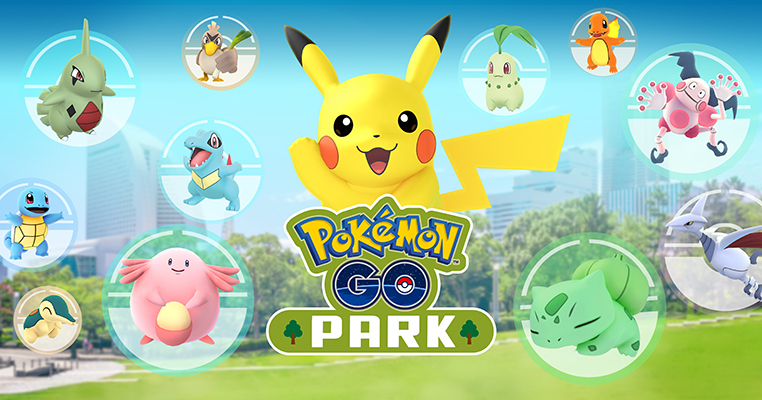
Fuchsia City’s Safari Zone has gone, and in its place stands the GO Park: Pokémon caught in Pokémon GO can be sent over Bluetooth and then caught again in the park. That covers the first 150 species and their Alolan forms, plus Meltan and Melmetal, which can only be found through GO. The link is one-way – nothing goes back to the phone.
The Poké Ball Plus
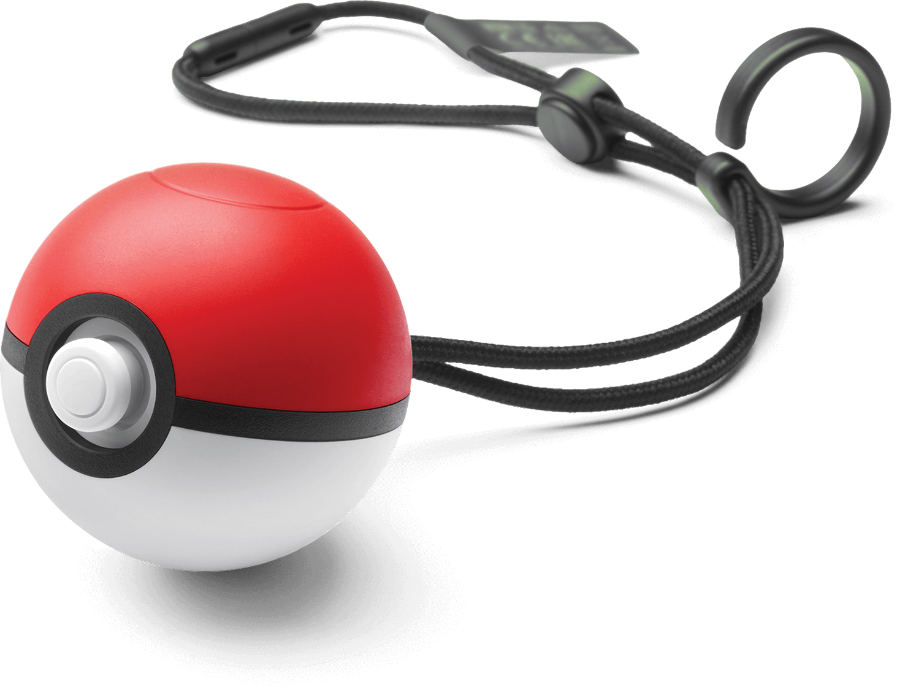
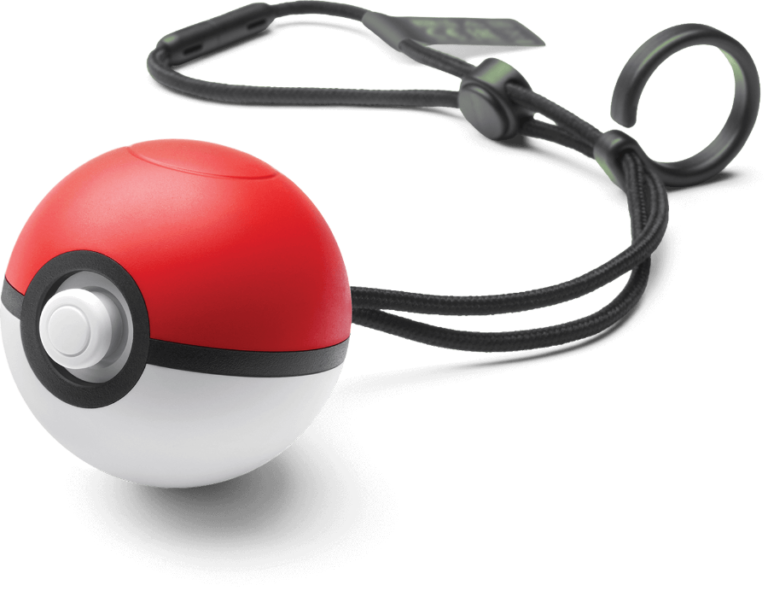
Released alongside the games, the Poké Ball Plus is a ball-shaped controller that can replace the Joy-Con for the whole adventure, with rumble, lights and a speaker that plays your Pokémon’s cry. Every one contains a Mew for Let’s Go – but only one, so a second-hand ball may already have given its Mew away.
Master Trainers
Once you are Champion, 153 Master Trainers appear across Kanto, each a specialist in one species. You can only take one on with the same species, one against one and with no items, so it is a test of training rather than type match-ups. Each win earns a title for link battles, and beating six of them brings Red to the Indigo Plateau.
In depth: how Let’s Go works
Each of the new systems, with the fine print.




Team Rocket

Team Rocket’s Kanto plot follows Pokémon Yellow, but Let’s Go gives it far more screen time. Jessie and James, with their Meowth, trail the player from Viridian City onwards and fight every battle as a Double Battle pair: Jessie with Ekans and later Arbok, James with Koffing and later Weezing. They clash with the player at Mt. Moon, the Rocket Hideout, Pokémon Tower and Silph Co., and once more on Route 17 after the Hall of Fame. Above them stands Archer, an executive shown taking orders directly from Giovanni. The Rocket Game Corner in Celadon City hides the gang’s base, where Giovanni is first beaten. In Lavender Town, grunts hold Mr. Fuji captive at the top of Pokémon Tower, where the ghost of Cubone’s mother, killed by the gang, still lingers. Finally the syndicate occupies Silph Co. in Saffron City to seize its Master Ball, until the player and Trace break the siege.
Giovanni, boss of Team Rocket

Giovanni is the boss of Team Rocket and, secretly, the leader of Viridian Gym. Let’s Go gives him more to do: he is shown approving Archer’s plan to take over Silph Co., and after losing to the player under the Rocket Game Corner he hands over the Silph Scope as an apology for mocking them. At Silph Co. he threatens staff while demanding the Master Ball, loses again, and finally faces the player as Viridian’s Ground-type leader, with Rhydon as his ace.
Jessie and James

Jessie and James, Team Rocket’s bickering duo from the anime, return from Pokémon Yellow with a much bigger role. With their Meowth in tow, they dog the player from Viridian City to Silph Co. and always battle together in a Double Battle: Jessie with Ekans and later Arbok, James with Koffing and later Weezing. Their Pokémon are stronger than an ordinary grunt’s, but their schemes fail every time, at Mt. Moon, the Rocket Hideout, Pokémon Tower and Silph Co. After the Hall of Fame, they try their luck one last time on Route 17.
Every Team Rocket battle
Jessie and James always battle as a pair in a Double Battle; Archer and Giovanni fight alone. In the order you meet them:
- Jessie & James – Mt. Moon (Double Battle)Jessie’s Ekans Lv. 12; James’s Koffing Lv. 12
- Jessie & James – Rocket Hideout (Double Battle)Jessie’s Arbok Lv. 32; James’s Weezing Lv. 32
- Archer – Rocket HideoutWeezing Lv. 33, Golbat Lv. 33
- Giovanni – Rocket HideoutPersian Lv. 35, Rhyhorn Lv. 35
- Jessie & James – Pokémon Tower (Double Battle)Arbok Lv. 34; Weezing Lv. 34
- Jessie & James – Silph Co. 11F (Double Battle)Arbok Lv. 36; Weezing Lv. 36
- Giovanni – Silph Co. 11FPersian Lv. 39, Rhyhorn Lv. 39, Nidoqueen Lv. 39
- Giovanni – Viridian GymDugtrio Lv. 49, Nidoqueen Lv. 49, Nidoking Lv. 49, Rhydon Lv. 50
- Jessie & James – Route 17, post-game (Double Battle)Arbok Lv. 52; Weezing Lv. 52
- Archer – Rocket Hideout, post-gameElectrode Lv. 54, Golbat Lv. 54, Magmar Lv. 54, Weezing Lv. 54
Kanto
Let’s Go recreates the Kanto of Red, Blue and Yellow almost town for town, from Pallet Town in the south-west to the Indigo Plateau, rebuilt in full 3D with wild Pokémon roaming every route. The biggest change is in Fuchsia City, where the Safari Zone makes way for the GO Park, while the post-game opens Cerulean Cave and sends Master Trainers to every corner of the region.


Where the journey takes you
Sixteen places that define Let’s Go, in roughly the order you reach them.

Pallet Town
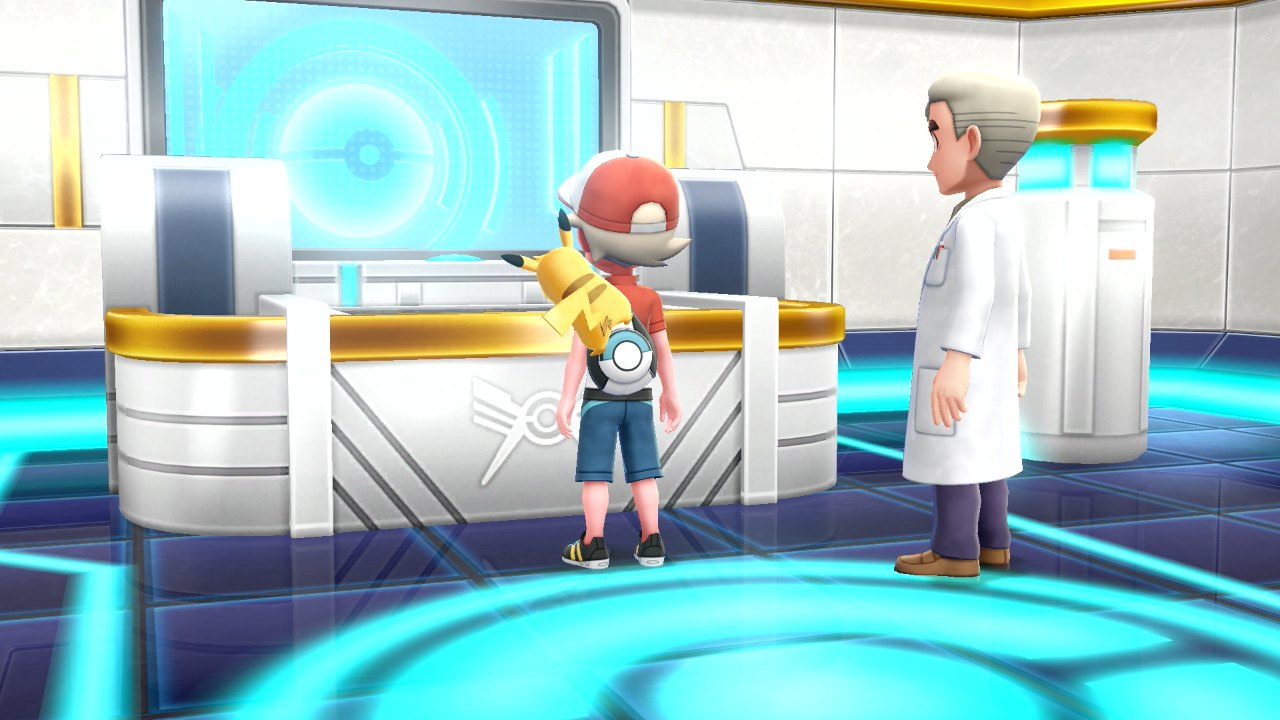
The quiet south-western town where it all begins is home to the player, Trace and Professor Oak. Let’s Go keeps the familiar layout but turns Oak’s laboratory into a recurring hub: the partner Pikachu or Eevee joins the player here, Trace fights an optional first battle inside, and later Blue waits in the lab to hand over the Key Stone and the Kanto starters’ Mega Stones. Pokémon sent to Oak from the Pokémon Box are exchanged for Candy. The television in the player’s home shows a film reference that changes with the game’s language.
Pokémon of note: Pikachu (partner in Let’s Go, Pikachu!), Eevee (partner in Let’s Go, Eevee!), Pidgey, Rattata. Items: Key Stone, Venusaurite, Charizardite X and Y, and Blastoisinite, Candy from sending Pokémon to Professor Oak.

Viridian Forest
The dense woodland between Viridian City and Pewter City is the first proper wilderness of the journey, filled with Bug Catchers and the Bug-types they love. In Let’s Go its Pokémon are visible as they wander among the trees, which makes it an ideal first place to practise throwing and to start a catch combo on Caterpie or Weedle. Wild Pikachu also turn up here, as they did in the original games. After the Hall of Fame, the Pikachu Master Trainer, Ikue, can be found in the forest.
Pokémon of note: Caterpie, Metapod, Weedle, Kakuna, Pikachu. Items: Hidden items revealed by the partner’s tail wag, Ikue, the Pikachu Master Trainer (post-game).

Pewter City
Pewter City, a stony town hemmed in by mountains, is where the first Gym challenge begins. Its Gym guide checks the player’s team for a Grass- or Water-type before the battle with Brock, and afterwards Blue appears outside to explain that he once mapped Kanto’s Pokémon without a Pokédex, handing over Great Balls. The Museum of Science holds a secret in its back room: once the player can use Chop Down, a scientist there gives up the Old Amber, which later becomes Aerodactyl.
Pokémon of note: Geodude (Brock), Onix (Brock), Aerodactyl. Items: Boulder Badge and TM01 Headbutt, Five Great Balls from Blue, Old Amber (Museum of Science, needs Chop Down).
Mt. Moon
This meteor-scarred mountain separates Pewter City from Cerulean City. Let’s Go uses it to introduce Jessie and James properly: Meowth is asleep above the entrance, wakes as the player enters and joins the duo as they run deeper inside. The Super Nerd Miguel guards the Fossils and lets the player choose one, and as the player leaves Jessie and James launch their first Double Battle. After the Hall of Fame, the Clefable Master Trainer, Alexandra, waits here. Team Rocket grunts also patrol the tunnels.
Pokémon of note: Zubat, Geodude, Paras, Clefairy. Items: Dome Fossil or Helix Fossil (choice, from Miguel), Moon Stone.
Cerulean City
Cerulean City sits by the river north of Mt. Moon and is a busy stop in Let’s Go. Trace battles the player near the Nugget Bridge, a Team Rocket grunt who burgled a local house hands back TM10, Dig, and Misty’s Water-type Gym only admits Trainers with a Pokémon of Level 15 or higher. A Trainer named Melanie gives away a Bulbasaur once enough Pokémon have been caught, and move tutors start teaching partner moves. After the Hall of Fame, Cerulean Cave opens on the city’s edge.
Pokémon of note: Bulbasaur (gift from Melanie), Charmander (gift on Route 24), Psyduck and Starmie (Misty), Alolan Rattata (in-game trade). Items: Cascade Badge and TM29 Scald, TM10 Dig, TM60 Megahorn.

Vermilion City & S.S. Anne
Kanto’s harbour city is home to the luxury liner S.S. Anne, where Trace battles the player and Blue drops by to warn them about Team Rocket. The ship’s captain teaches Chop Down, and that matters because a small tree blocks the entrance to Lt. Surge’s Gym. Officer Jenny gives away a Squirtle to Trainers who have caught plenty of Pokémon, and two version-specific gifts wait in town: a Persian in Let’s Go, Pikachu! for showing a Black Belt five Growlithe, or an Arcanine in Let’s Go, Eevee! for showing a Beauty five Meowth.
Pokémon of note: Squirtle (gift from Officer Jenny), Persian (Let’s Go, Pikachu! gift), Arcanine (Let’s Go, Eevee! gift), Alolan Geodude (in-game trade), Raichu (Lt. Surge). Items: Thunder Badge and TM36 Thunderbolt, Chop Down Secret Technique (S.S. Anne captain), Shalour Sable.

Lavender Town & Pokémon Tower
Lavender Town is a sombre place built around Pokémon Tower, a resting place for departed Pokémon. Let’s Go gives it a fuller story: the Silph Scope, taken from Giovanni in Celadon City, reveals that the ghost on the upper floors is the mother of a Cubone, killed by Team Rocket. Trace calms the spirit and adopts the Cubone, Jessie and James battle the player on the way up, and grunts hold Mr. Fuji captive at the top. Rescuing him earns the Poké Flute.
Pokémon of note: Gastly, Haunter, Cubone, Alolan Diglett (in-game trade). Items: Poké Flute, Silph Scope needed to identify the ghost.
Celadon City & the Rocket Game Corner
Celadon City is Kanto’s largest shopping centre, with a department store, Erika’s Gym and the Rocket Game Corner. In Let’s Go the Game Corner’s machines cannot be played, but the building still hides the entrance to Team Rocket’s underground Hideout, where the player battles Jessie and James and Archer before facing Giovanni himself. After losing he gives up the Silph Scope as an apology. The Celadon Condominiums house a Game Freak office where titles can be changed, and move tutors here teach more partner moves.
Pokémon of note: Vileplume, Tangela and Weepinbell (Erika), Alolan Sandshrew (trade in Let’s Go, Pikachu!), Alolan Vulpix (trade in Let’s Go, Eevee!), Arbok and Weezing (Jessie and James). Items: Rainbow Badge and TM53 Mega Drain, Silph Scope, Lift Key (Rocket Hideout).

Saffron City & Silph Co.
Saffron City is Kanto’s central metropolis and the headquarters of Silph Co., which Team Rocket seizes in its boldest move. Inside, the player and Trace team up for a Multi Battle against Archer, Blue tests the player’s strength, Jessie and James battle on the 11th floor and Giovanni is beaten while demanding the company’s Master Ball. A Silph employee hands over a Lapras, and another gives a Porygon once Giovanni is defeated. Sabrina’s Gym admits only Trainers with a Level 45 Pokémon.
Pokémon of note: Lapras (gift, Silph Co. 7F), Porygon (gift), Hitmonlee or Hitmonchan (Fighting Dojo gift), Alolan Raichu (in-game trade), Alakazam (Sabrina). Items: Marsh Badge and TM33 Calm Mind, Card Key (Silph Co.), TM23 Thunder Punch.

Fuchsia City & the GO Park
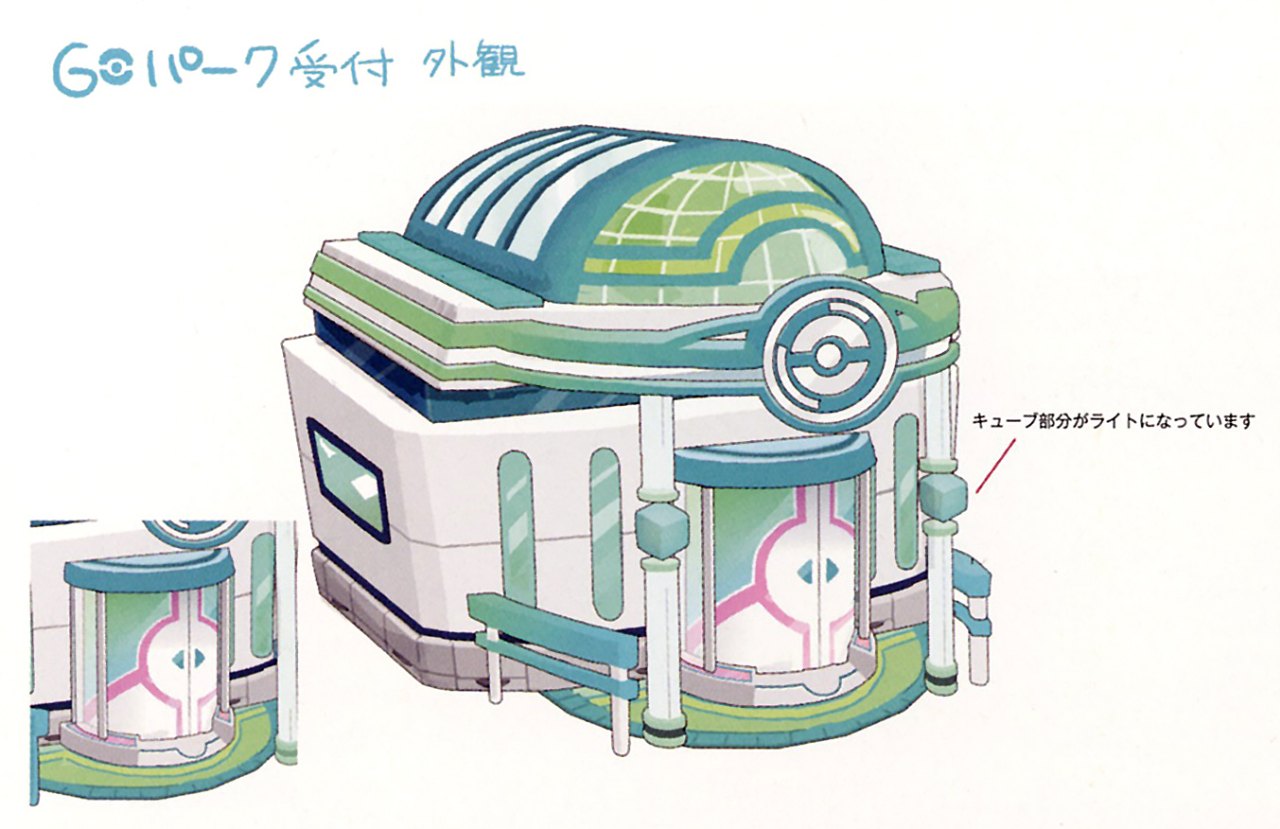
Fuchsia City, on Kanto’s southern coast, swaps its famous Safari Zone for the GO Park, a complex of 20 parks that hold Pokémon sent from Pokémon GO. The receptionist explains transfers, each park holds 50 Pokémon to re-catch, and Play Yard minigames reward Candy. Koga’s Poison-type Gym requires at least 50 species in the Pokédex. The city is also where the partner learns Sea Skim and Strong Push, opening the routes to the Seafoam Islands and Cinnabar Island. The Pokémon Centre also offers an Alolan Marowak trade.
Pokémon of note: Pokémon transferred from Pokémon GO, Meltan and Melmetal (via Pokémon GO), Alolan Marowak (in-game trade), Venomoth (Koga). Items: Soul Badge and TM27 Toxic, Sea Skim and Strong Push Secret Techniques, Candy from Play Yard minigames.

Power Plant
The abandoned Power Plant on Route 10 is an optional detour reached over water. Let’s Go keeps its classic trap: what look like Poké Balls lying on the floor are really wild Electrode, which battle the player when touched. At the far end waits Zapdos at Level 50, which must be beaten within five minutes before it can be caught. A Coach Trainer, Mable, also lurks inside with a fossil team of Omastar, Kabutops and Aerodactyl, and rewards victory with a Rare Candy.
Pokémon of note: Zapdos (Lv. 50), Electrode (Lv. 42, disguised as items), Omastar, Kabutops and Aerodactyl (Coach Trainer Mable). Items: Rare Candy, Fake item balls that are really Electrode.
Seafoam Islands
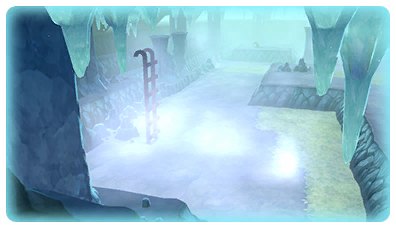
This pair of icy islets between Fuchsia City and Cinnabar Island is a cavern of currents and boulders. Reaching the bottom floor means using Sea Skim and Strong Push to shift rocks and redirect the water, a puzzle carried over from the original games. Articuno roosts in the depths at Level 50 and, like the other birds, must be defeated in a timed battle before it can be caught. After the Hall of Fame and once caught, the Legendary birds can also appear as very rare spawns flying in the sky.
Pokémon of note: Articuno (Lv. 50), Seel, Dewgong. Items: Strong Push boulders that must be moved to reach Articuno, A Coach Trainer battle.
Cinnabar Island & the Pokémon Mansion
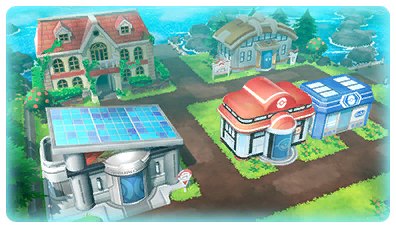
Volcanic Cinnabar Island hosts Blaine’s Gym, the Pokémon Lab and the ruined Pokémon Mansion. The Gym stays locked until the player brings back the Secret Key from the Mansion, and inside Blaine’s quiz questions replace most battles, with Blaine dolls as prizes. The Lab revives Fossils into Omanyte, Kabuto or Aerodactyl. After the Hall of Fame, the Mansion becomes the meeting place for the Master Trainers of Ditto, Mewtwo, Mew, Meltan and Melmetal, who only want to see a strong example.
Pokémon of note: Omanyte or Kabuto (revived), Aerodactyl (revived), Alolan Grimer (trade in Let’s Go, Pikachu!), Alolan Meowth (trade in Let’s Go, Eevee!), Arcanine (Blaine). Items: Volcano Badge and TM46 Fire Blast, Secret Key (Pokémon Mansion), Blaine dolls from the quiz.

Victory Road
Victory Road is the final cave before the Indigo Plateau, reached via Route 23 once all eight Badges are in hand. Its floors are a maze of ledges and boulders that need Strong Push, and two Coach Trainers wait among the regular opponents. Moltres sits on the third floor at Level 50 and must be defeated in a five-minute battle before it can be caught, making Victory Road the last stop for any Trainer collecting the three Legendary birds before the Elite Four.
Pokémon of note: Moltres (Lv. 50), Machoke, Onix. Items: Strong Push boulder puzzles, Two Coach Trainer battles.

Indigo Plateau
The Pokémon League sits on the Indigo Plateau, where Lorelei, Bruno, Agatha and Lance must be beaten in a row before the Champion’s room. In Let’s Go the Champion is Trace, who arrived first. Because the Pokémon Box lives in the Bag, the team can be rearranged between battles. After the Hall of Fame the plateau becomes a post-game base: a vendor sells the remaining Mega Stones, the Pokémon Centre offers an Alolan Exeggutor trade, the Elite Four field stronger rematch teams, and Red waits outside for anyone who has beaten six Master Trainers.
Pokémon of note: Lapras (Lorelei), Machamp (Bruno), Gengar (Agatha), Dragonite (Lance), Mega Pidgeot (Trace), Alolan Exeggutor (in-game trade). Items: Aerodactylite, Alakazite, Beedrillite, Gengarite and Gyaradosite (post-game shop), Kangaskhanite, Pidgeotite, Pinsirite and Slowbronite (post-game shop).
Cerulean Cave
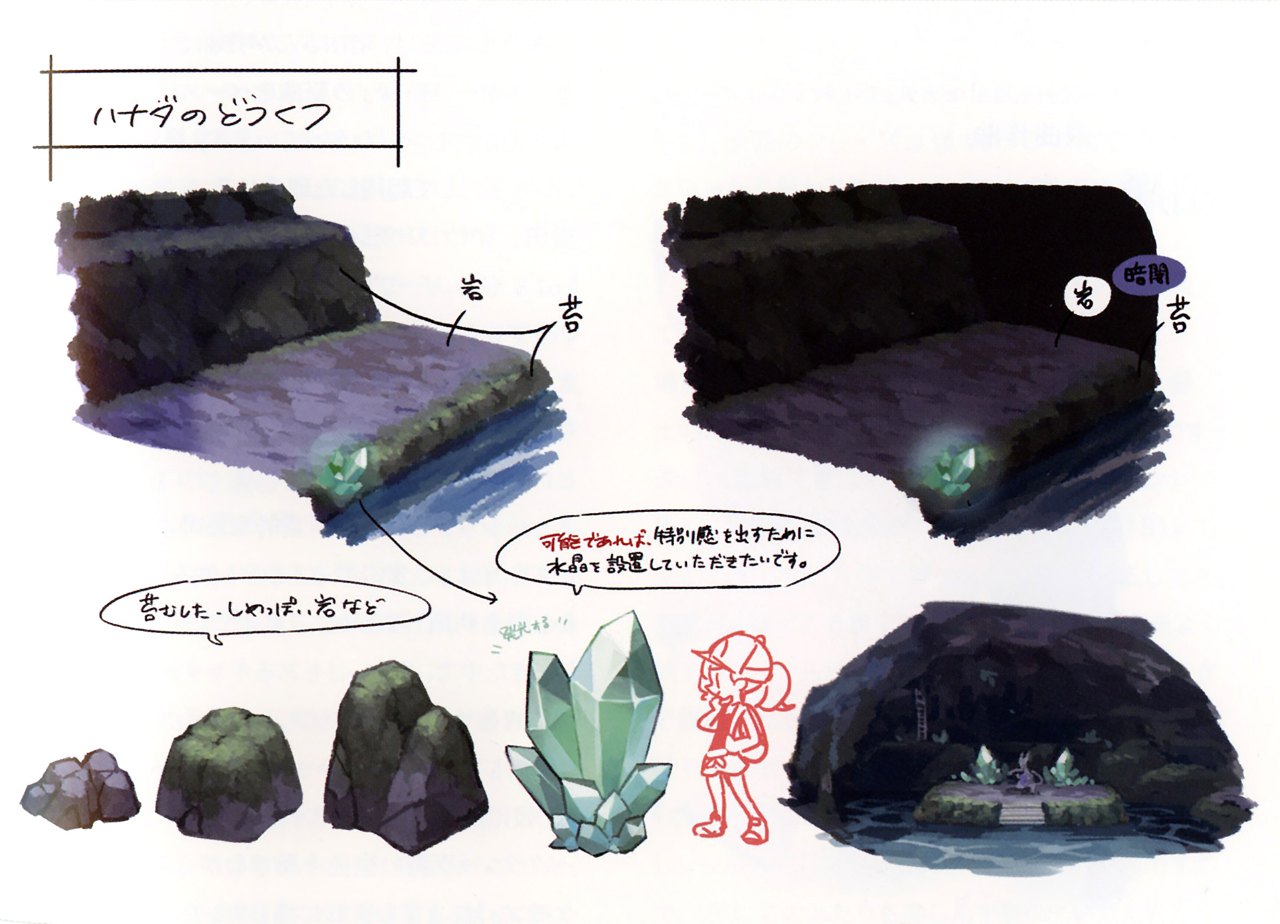
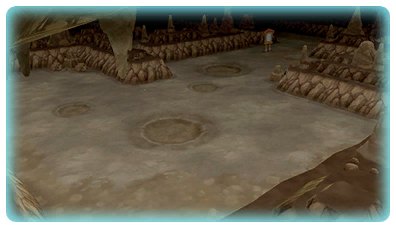
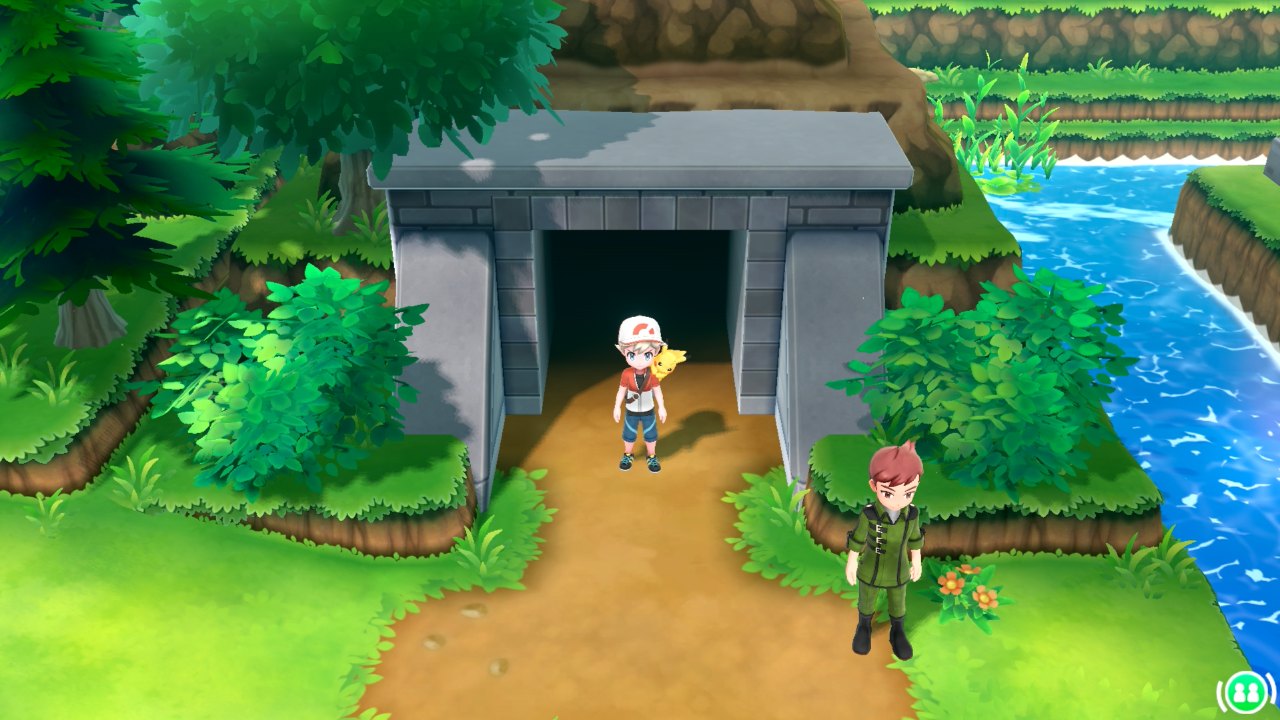
This sealed cave beside Cerulean City opens only after the player has entered the Hall of Fame. Its three floors keep the original Red and Green layout, with Pokémon around Levels 51 to 56 and a chance of a rare Snorlax. Mewtwo waits on the bottom floor at Level 70. Once it is caught, Green appears in the dark, mistakes the player for a wild Pokémon and then battles them with Mega Blastoise, handing over Mewtwonite X and Y on defeat.
Pokémon of note: Mewtwo (Lv. 70), Ditto, Chansey, Rhydon, Lickitung, Snorlax (rare spawn). Items: Mewtwonite X and Y, PP Max, Max Revive, Max Lure.
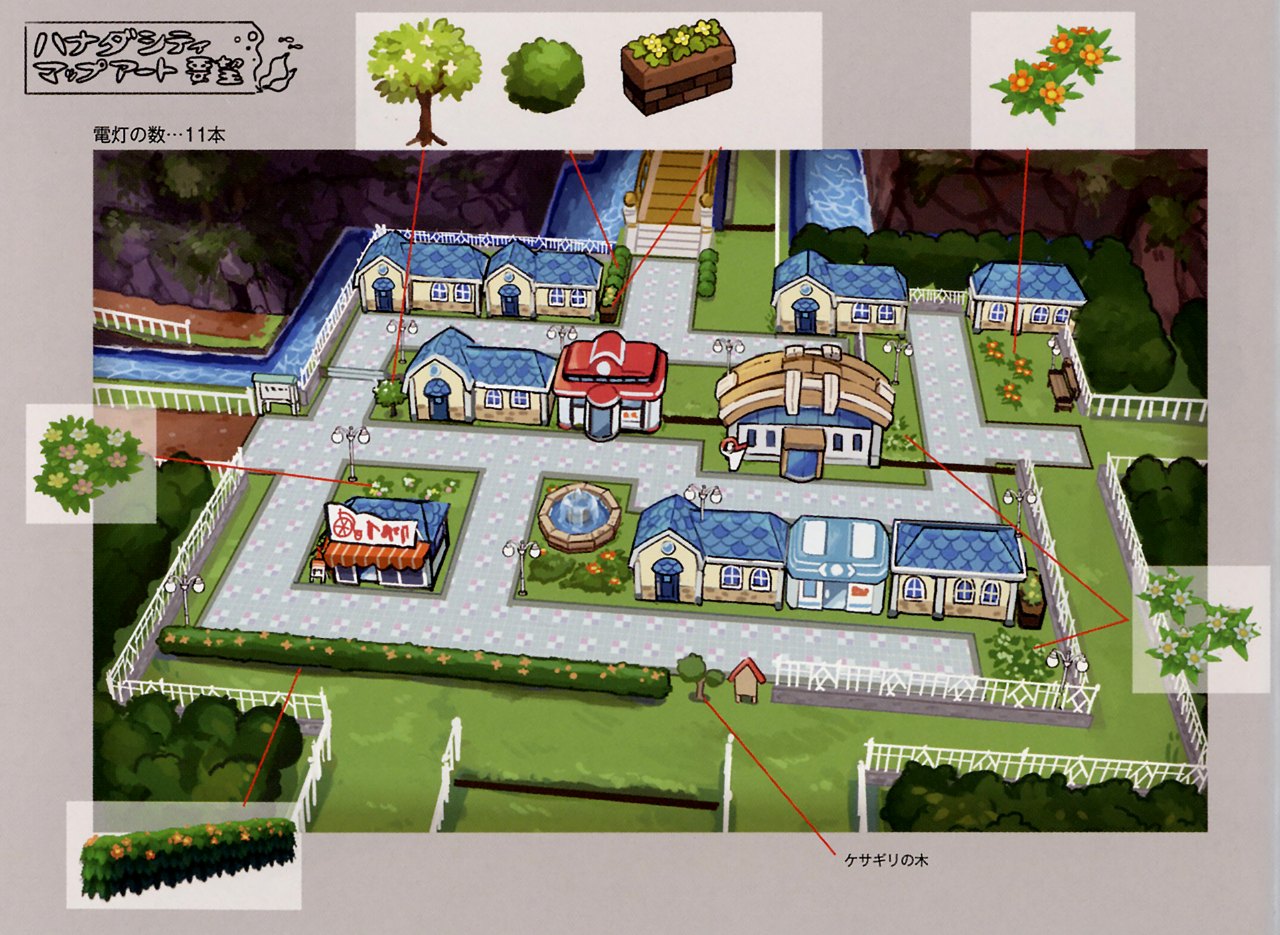
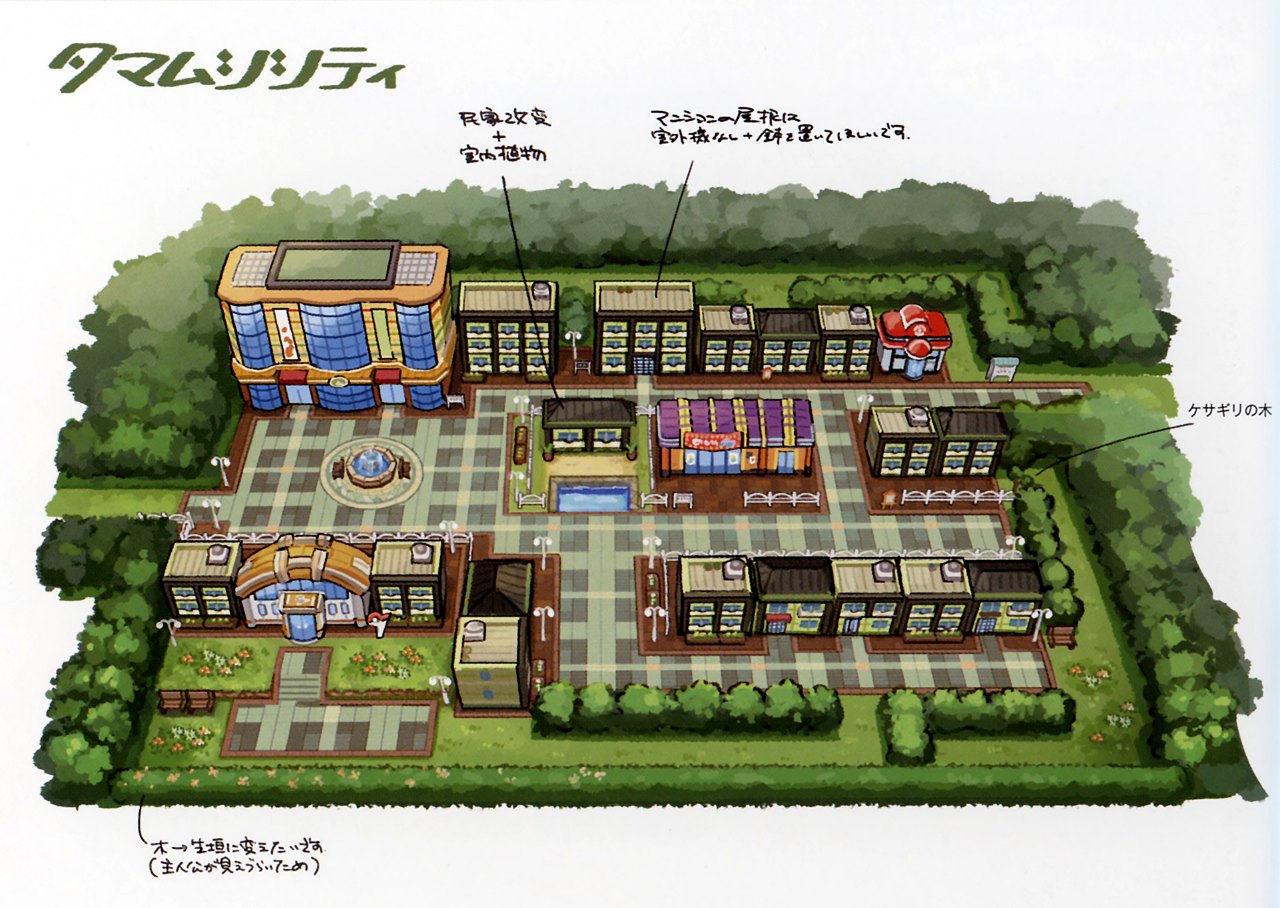
Kanto in concept art
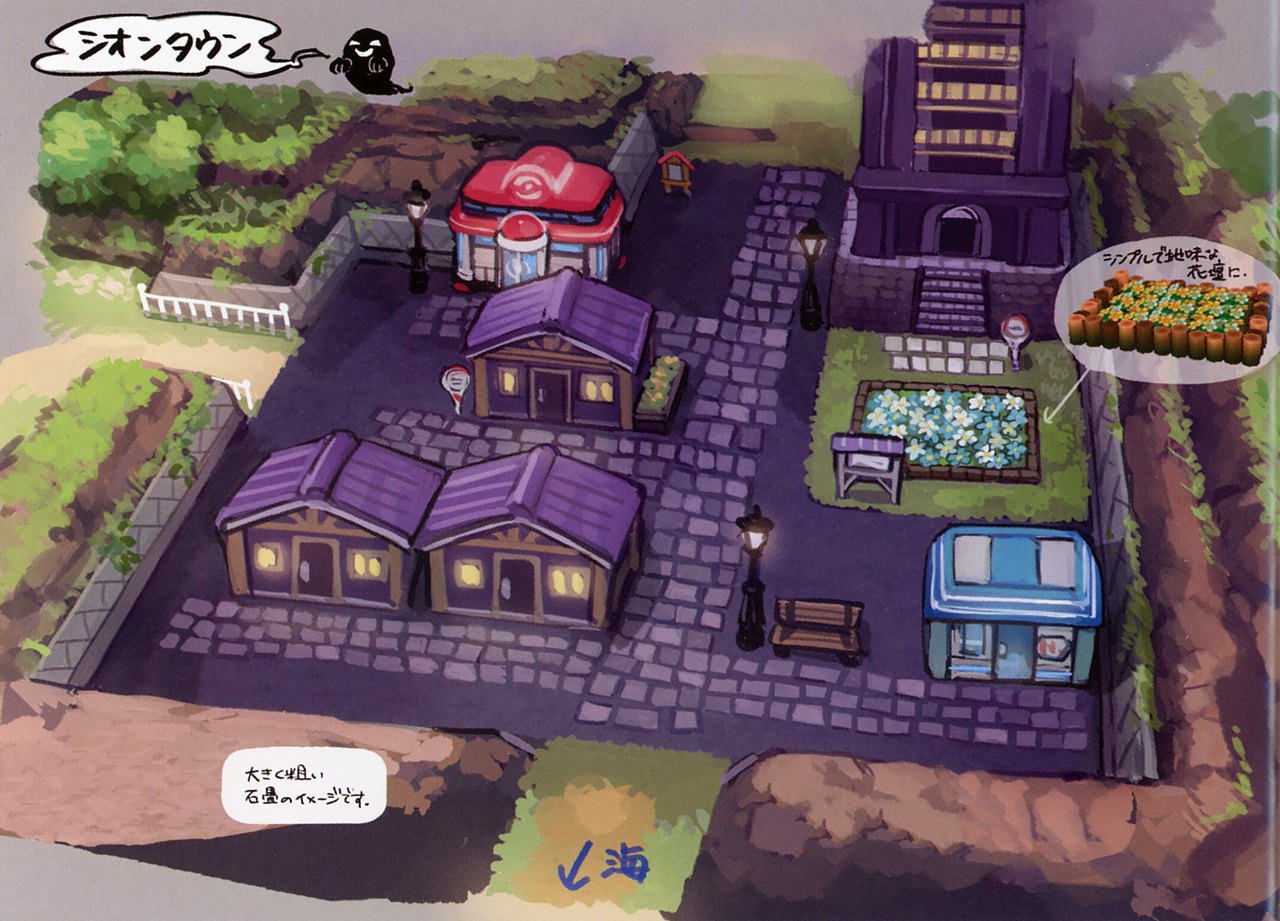
Game Freak’s concept art for four of Let’s Go’s towns:



Can I catch them all?
Let’s Go’s Pokédex is the original 151 plus two newcomers, Meltan and Melmetal, making 153 – and between the two versions, Pokémon GO and the Poké Ball Plus, every one of them can be caught. The Alolan forms of 18 Kanto Pokémon join them, mostly through in-game trades.
Version exclusives
Version exclusives: each version has 11 species the other can’t catch, plus the Alolan forms that go with them. Pokémon GO can fill the gaps without a trade.
Exclusive to Let’s Go, Pikachu!
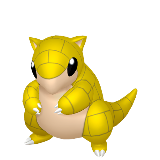 Sandshrew#027
- Alolan Sandshrew#027
 Sandslash#028
- Alolan Sandslash#028
 Oddish#043
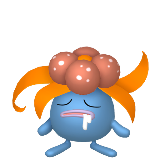 Gloom#044
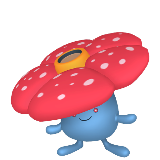 Vileplume#045
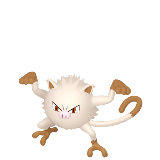 Mankey#056
 Primeape#057
 Growlithe#058
 Grimer#088
- Alolan Grimer#088
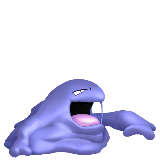 Muk#089
- Alolan Muk#089
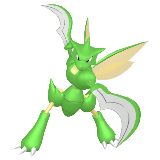 Scyther#123
Your partner is Pikachu, and Trace’s is Eevee, which becomes Jolteon. A Black Belt in Vermilion City gives you a Persian for showing him five Growlithe.
Exclusive to Let’s Go, Eevee!
 Ekans#023
 Arbok#024
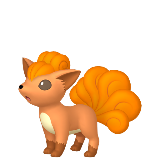 Vulpix#037
- Alolan Vulpix#037
 Ninetales#038
- Alolan Ninetales#038
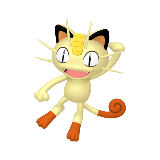 Meowth#052
- Alolan Meowth#052
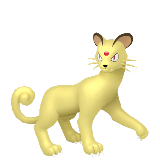 Alolan Persian#053
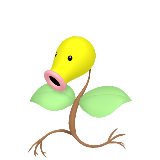 Bellsprout#069
 Weepinbell#070
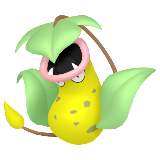 Victreebel#071
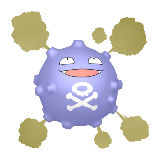 Koffing#109
 Weezing#110
 Pinsir#127
Your partner is Eevee, and Trace’s is Pikachu, which becomes Raichu. A Beauty in Vermilion City gives you an Arcanine for showing her five Meowth.
Persian and Arcanine aren’t true exclusives: each is a gift in the version where its line can’t be caught.
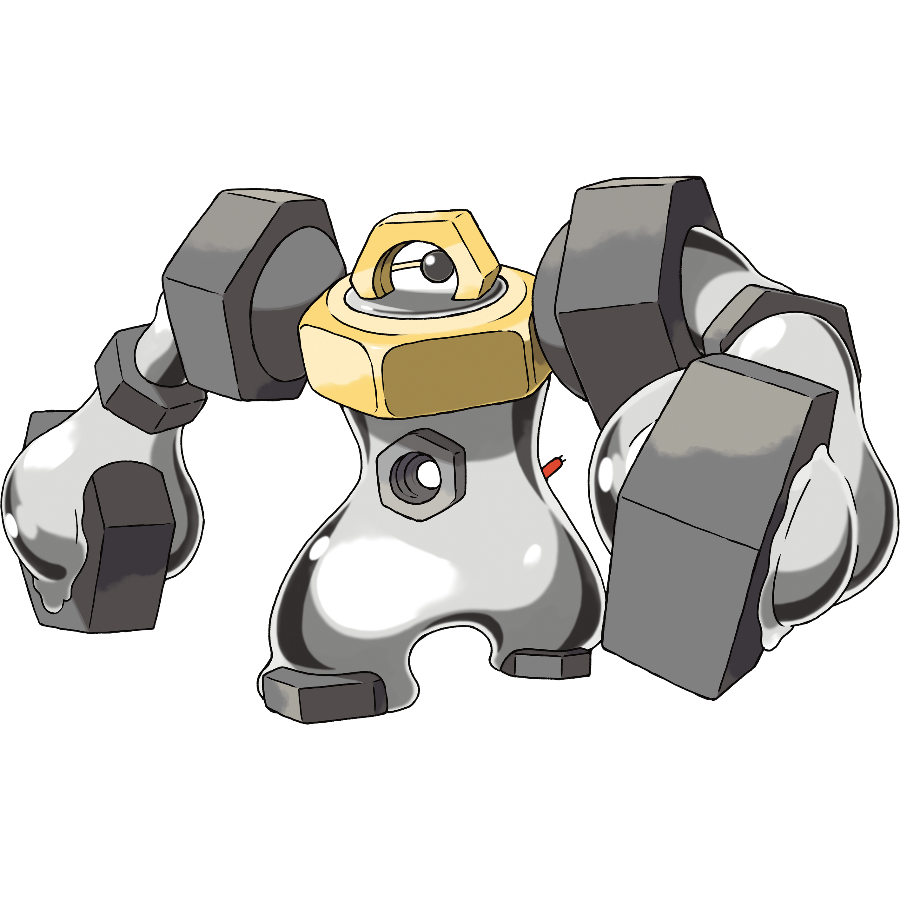
Meltan and Melmetal

Meltan and Melmetal cannot be found anywhere in Let’s Go itself. Sending any Pokémon from Pokémon GO to the GO Park unlocks a Mystery Box in GO; opening it makes Meltan appear for a short time, and the box can be reopened every three days. Meltan evolves into Melmetal in GO with 400 Meltan Candy, and either can then be transferred to the GO Park and re-caught. Pokémon GO is also a second source of Alolan forms, and the only way to get the other version’s exclusives without trading.

Mew and the Poké Ball Plus

Pair a Poké Ball Plus with the game and receive Mew through Mystery Gift over the internet; no Nintendo Switch Online membership is needed. Each Poké Ball Plus can deliver only one Mew.
The accessory still pairs with both Switch and Switch 2 for Let’s Go, but each ball releases its Mew only once, so a second-hand Poké Ball Plus may already be empty.
Mega Evolution
Thirteen species can Mega Evolve: Venusaur, Charizard (X or Y), Blastoise, Beedrill, Pidgeot, Alakazam, Slowbro, Gengar, Kangaskhan, Pinsir, Gyarados, Aerodactyl and Mewtwo (X or Y). After the seventh Badge, Blue gives the Key Stone with Venusaurite, Charizardite X and Y, and Blastoisinite in Oak’s lab. The other nine stones go on sale at the Indigo Plateau once the player is Champion. Mewtwonite X and Y come from Green after beating her in Cerulean Cave.
Alolan forms
The Alolan forms of 18 Kanto Pokémon appear, though none can be found in the wild. Pokémon Centre visitors from Cerulean City to the Indigo Plateau offer repeatable trades: a Kanto Pokémon for its Alolan counterpart, covering Rattata, Geodude, Diglett, Raichu, Marowak and Exeggutor in both versions, plus Sandshrew and Grimer in Pikachu or Vulpix and Meowth in Eevee. Evolving those fills in most of the rest, and every form can also be sent from Pokémon GO. Elite Four rematch teams include Alolan Sandslash, Golem, Marowak and Exeggutor.
Fossils
At the end of Mt. Moon, the Super Nerd Miguel offers a choice of the Dome Fossil or the Helix Fossil, which the Pokémon Lab on Cinnabar Island later revives into Kabuto or Omanyte at Level 44. The Old Amber, at the back of Pewter City’s Museum of Science, needs Chop Down to reach and becomes Aerodactyl.
What Let’s Go adds to Kanto
- Meltan and Melmetal – The first new Pokémon ever introduced in a remake, and the first revealed through Pokémon GO.
- Alolan forms – 18 of them, from Alolan Rattata to Alolan Exeggutor, through repeatable in-game trades.
- Mega Evolution – 13 species, with the Mega Stones used from the Bag rather than held.
- Partner Pikachu and Eevee – Stronger than ordinary Pikachu and Eevee, with exclusive moves – Eevee alone has nine.
Starter Pokémon
There are two kinds of starter in Let’s Go: the partner you’re given in Pallet Town, and the three Kanto starters, which are handed out as gifts once you’ve caught enough Pokémon.

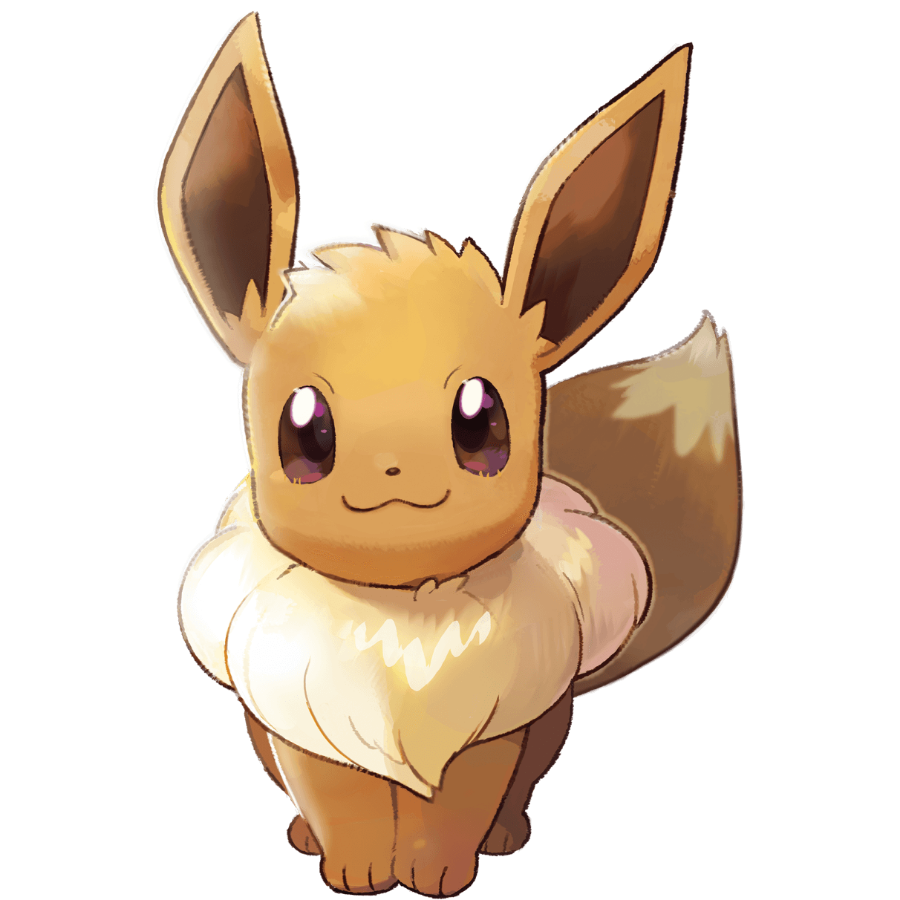
- Pikachu: The partner in Let’s Go, Pikachu!, received from Professor Oak at Level 5. It has higher base stats and perfect IVs but cannot evolve. Partner-only moves: Zippy Zap (tutor in Cerulean City), Floaty Fall (Celadon City), Splishy Splash (Fuchsia City) and Pika Papow, which grows stronger with friendship.
- Eevee: The partner in Let’s Go, Eevee!, received from Professor Oak at Level 5. It has higher base stats and perfect IVs but cannot evolve. Partner-only moves: Bouncy Bubble, Buzzy Buzz and Sizzly Slide (tutors in Cerulean City), Glitzy Glow and Baddy Bad (Celadon City), Sappy Seed, Freezy Frost and Sparkly Swirl (Fuchsia City), plus Veevee Volley, which grows stronger with friendship. Female partners show a flower-shaped pattern on the tail tip.
- Bulbasaur: Given at Level 12 by a Trainer named Melanie in Cerulean City once the player has caught 30 or more Pokémon.
- Charmander: Given at Level 14 by a Trainer named Damian on Route 24, just north of Cerulean City, once the player has caught 50 or more Pokémon.
- Squirtle: Given by Officer Jenny in Vermilion City once the player has caught 60 or more Pokémon.
Legendary, Mythical and event Pokémon
 ArticunoSeafoam Islands
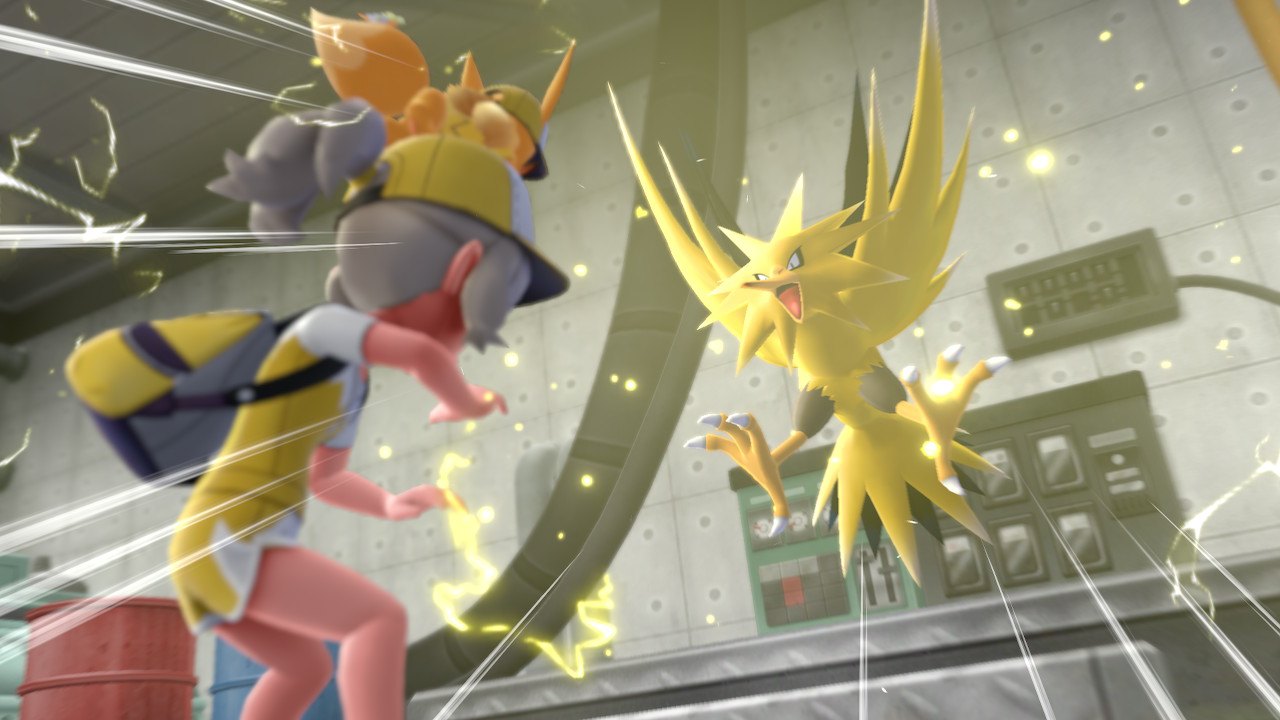
 ZapdosPower Plant
 MoltresVictory Road
 MewtwoCerulean Cave
 MewPoké Ball Plus
 MeltanPokémon GO
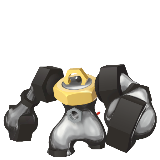 MelmetalPokémon GO
 SnorlaxRoute 12
- SnorlaxRoute 16
 ElectrodePower Plant
Articuno – Lv. 50, Bottom floor of the Seafoam Islands. Defeat it within five minutes, then catch it. If it flees or the timer runs out, it returns after the Elite Four are beaten again. After being caught it can reappear as a very rare flying spawn in the post-game.
Zapdos – Lv. 50, End of the Power Plant (Route 10). Defeat it within five minutes, then catch it. If it flees or the timer runs out, it returns after the Elite Four are beaten again.
Moltres – Lv. 50, Third floor of Victory Road. Defeat it within five minutes, then catch it. If it flees or the timer runs out, it returns after the Elite Four are beaten again.
Mewtwo – Lv. 70, Cerulean Cave B1F (after the Hall of Fame). Defeat it within five minutes, then catch it; it periodically raises a barrier that blocks Poké Balls and Berries. If it faints or the player flees, it returns after the next Hall of Fame entry.
Mew – Lv. 1, Poké Ball Plus accessory. Pair a Poké Ball Plus with the game and receive Mew through Mystery Gift over the internet; no Nintendo Switch Online membership is needed. Each Poké Ball Plus can deliver only one Mew.
Meltan – Pokémon GO, via the GO Park. Transfer any Pokémon to the GO Park to receive a Mystery Box in Pokémon GO; opening it makes Meltan appear in GO. Catch it there, then transfer it to the GO Park and catch it again.
Melmetal – Pokémon GO, via the GO Park. Evolve Meltan in Pokémon GO with 400 Meltan Candy, then transfer Melmetal to the GO Park and catch it. Meltan cannot evolve in Let’s Go itself.
Snorlax – Lv. 34, Route 12. Wake it with the Poké Flute from Mr. Fuji, then defeat and catch it. This Snorlax has boosted Attack.
Snorlax – Lv. 34, Route 16. Wake it with the Poké Flute, then defeat and catch it. This Snorlax has boosted Defense.
Electrode – Lv. 42, Power Plant. Several Electrode pose as items on the floor; touching one starts a battle that must be won before the Pokémon can be caught.

What one copy can’t give you
Without trading, Pokémon GO or a Poké Ball Plus, these are out of reach on a single copy, along with the other version’s exclusives:
 Alakazam#065
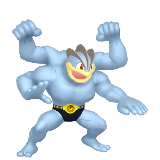 Machamp#068
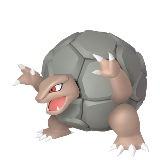 Golem#076
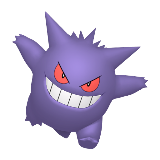 Gengar#094
- Mew#151
- Meltan#808
- Melmetal#809
135 of 153 on a single copy with no trading, no Pokémon GO and no Poké Ball Plus. Take away the 11 species exclusive to the other version, the four Pokémon that evolve only by trading (Alakazam, Machamp, Golem and Gengar), Mew, which needs the Poké Ball Plus, and Meltan and Melmetal, which need Pokémon GO. Because GO Park transfers are not trades, linking Pokémon GO can supply all of those except Mew, raising the total to 152; adding a Poké Ball Plus completes all 153.
Gift Pokémon and in-game trades
Pokémon you are simply handed:
- Pikachu (partner) – Professor Oak’s Laboratory, Pallet Town. Let’s Go, Pikachu! only; Level 5; cannot be Shiny
- Eevee (partner) – Professor Oak’s Laboratory, Pallet Town. Let’s Go, Eevee! only; Level 5; cannot be Shiny
- Bulbasaur – Cerulean City. From Melanie at Level 12 once 30 or more Pokémon have been caught
- Charmander – Route 24. From Damian at Level 14 once 50 or more Pokémon have been caught
- Squirtle – Vermilion City. From Officer Jenny once 60 or more Pokémon have been caught
- Persian – Vermilion City. Let’s Go, Pikachu! only; from a Black Belt at Level 16 for showing him five Growlithe
- Arcanine – Vermilion City. Let’s Go, Eevee! only; from a Beauty at Level 16 for showing her five Meowth
- Hitmonlee or Hitmonchan – Fighting Dojo, Saffron City. Choice of one at Level 30 after beating the Dojo’s master, Koichi
- Lapras – Silph Co. 7F, Saffron City. From a Silph Co. employee at Level 34
- Porygon – Saffron City. From a Silph Co. employee at Level 34 after Giovanni is beaten at Silph Co.
- Omanyte or Kabuto – Pokémon Lab, Cinnabar Island. Revived at Level 44 from the Helix or Dome Fossil chosen at Mt. Moon
- Aerodactyl – Pewter City Museum of Science, revived on Cinnabar Island. The Old Amber is reached with Chop Down; revived at Level 44
- Mew – Mystery Gift. Unlocked by pairing a Poké Ball Plus; one per accessory
In-game trades: every one of them is repeatable, so you can trade for as many Alolan forms as you like:
| You give | You get | Where |
|---|---|---|
| Rattata | Alolan Rattata | Cerulean City Pokémon Centre (both versions; repeatable) |
| Geodude | Alolan Geodude | Vermilion City Pokémon Centre, a Hiker (both versions; repeatable) |
| Diglett | Alolan Diglett | Lavender Town Pokémon Centre (both versions; repeatable) |
| Sandshrew | Alolan Sandshrew | Celadon City Pokémon Centre (Let’s Go, Pikachu!; repeatable) |
| Vulpix | Alolan Vulpix | Celadon City Pokémon Centre (Let’s Go, Eevee!; repeatable) |
| Raichu | Alolan Raichu | Saffron City Pokémon Centre, an Ace Trainer (both versions; repeatable) |
| Marowak | Alolan Marowak | Fuchsia City Pokémon Centre, a Gentleman (both versions; repeatable) |
| Grimer | Alolan Grimer | Cinnabar Island Pokémon Centre, a Punk (Let’s Go, Pikachu!; repeatable) |
| Meowth | Alolan Meowth | Cinnabar Island Pokémon Centre, a Punk (Let’s Go, Eevee!; repeatable) |
| Exeggutor | Alolan Exeggutor | Indigo Plateau Pokémon Centre (both versions; repeatable) |
Connectivity
Let’s Go connects to more than any Pokémon game before it – Pokémon GO, the Poké Ball Plus and, later, Pokémon HOME – but to nothing older: there is no link to the 3DS games or Pokémon Bank.
Trading and battling work locally over wireless play and online with a Nintendo Switch Online membership; players find each other by entering the same Link Code. Link battles offer a Normal ruleset, which sets every Pokémon to Level 50 and clears Awakening Values, or no restrictions at all. Mystery Gift, including Mew from the Poké Ball Plus, needs only an internet connection. The GO Park takes one-way transfers from Pokémon GO over Bluetooth. Pokémon HOME links to Let’s Go: only Pokémon that started out in Let’s Go can be moved back into it, and any that move on to Sword & Shield, Brilliant Diamond & Shining Pearl, Legends: Arceus, Scarlet & Violet or Legends: Z-A can never return. The partner Pikachu or Eevee cannot be deposited. The Poké Ball Plus doubles as a Pokémon GO Plus. On Nintendo Switch 2 the Switch game still plays, and Nintendo’s support pages cover pairing both the Poké Ball Plus and Pokémon GO with the newer console.

Characters
Kanto’s familiar faces, a gentler rival and, after the Hall of Fame, the first appearance of Green in a core series game.
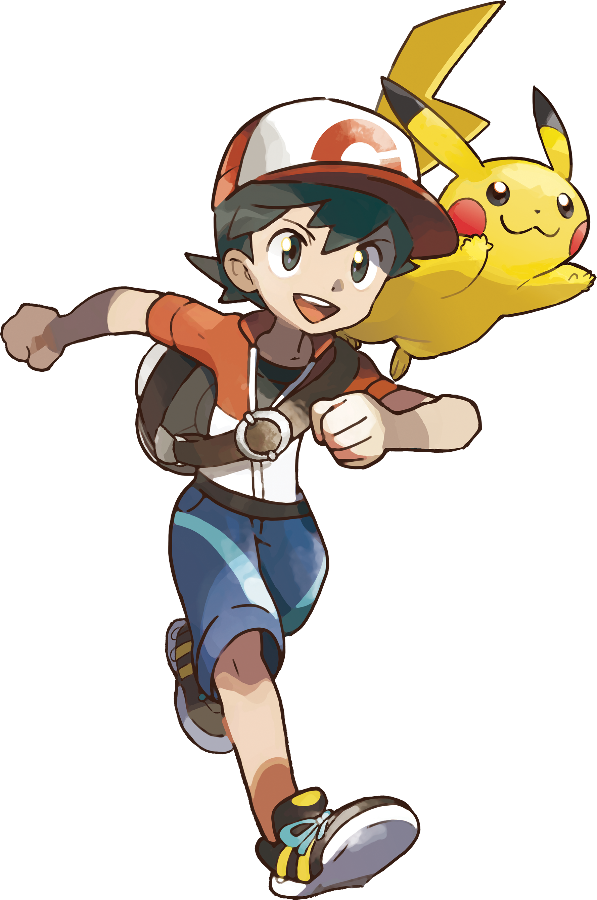
Chase
Chase is the boy you can play as, a young Trainer from Pallet Town. Like Elaine and Trace, his name comes from official promotion and is never used in the game. Professor Oak sends him off with the version’s partner, which rides on his shoulder or head, and he can wear outfits that match it. If you play as Elaine, Chase is the support Trainer who appears when a second player joins in.
Elaine
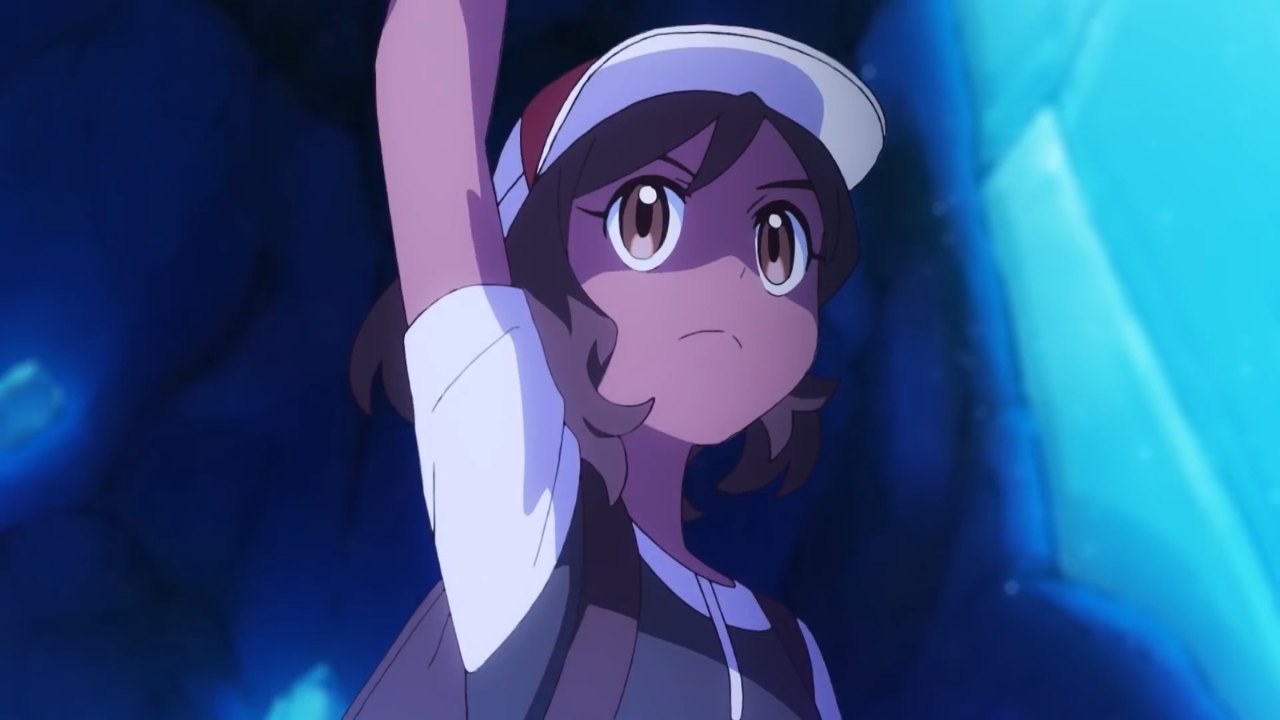
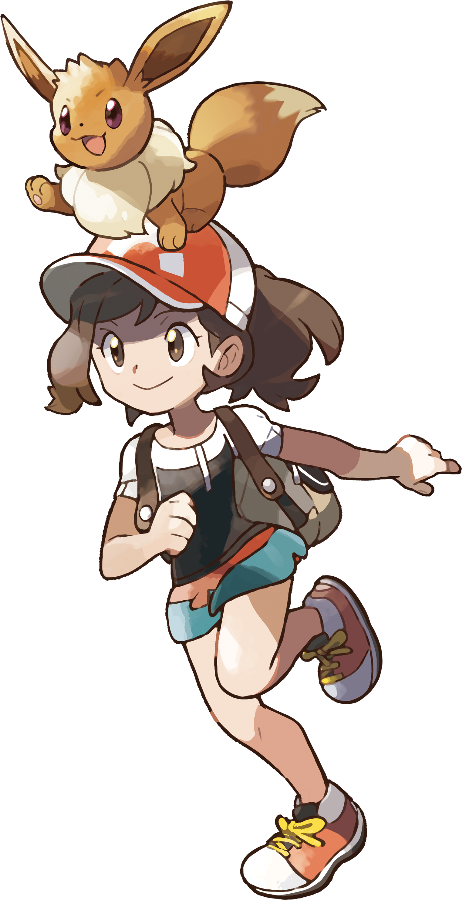
Elaine is the girl you can play as, known as Ayumi in Japan; like Chase, her name comes from official promotion rather than the game itself. She can match her outfit to her partner’s, and if you play as Chase she becomes the support Trainer for a second player. Elaine went on to star in the web series Pokémon Evolutions and joined Pokémon Masters EX with her partner Eevee in November 2023.

Professor Oak
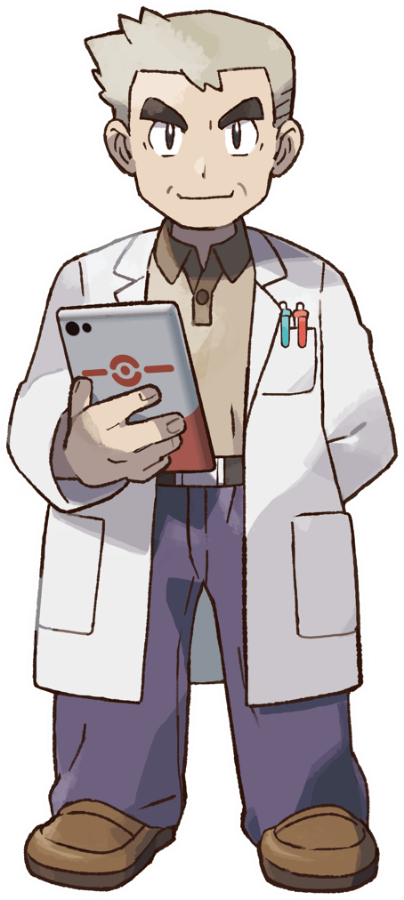
Professor Oak is Kanto’s leading Pokémon researcher and Blue’s grandfather. He starts the player and Trace on their journeys and asks them to complete the Pokédex. In Let’s Go he also runs a useful exchange: Pokémon sent to him from the Pokémon Box are traded for Candy, which raises Awakening Values. His laboratory is also where Blue hands over the Key Stone and the first Mega Stones.

Blue
Blue, Professor Oak’s grandson and the rival of the original games, is now an experienced senior Trainer. He hands out Great Balls in Pewter City, warns the player about Team Rocket on the S.S. Anne and tests them in battle at Silph Co. Before the last Gym he waits in Oak’s lab with a Key Stone and the Kanto starters’ Mega Stones. After the Elite Four he takes over Viridian Gym, where his Charizard Mega Evolves into Mega Charizard Y.
Red
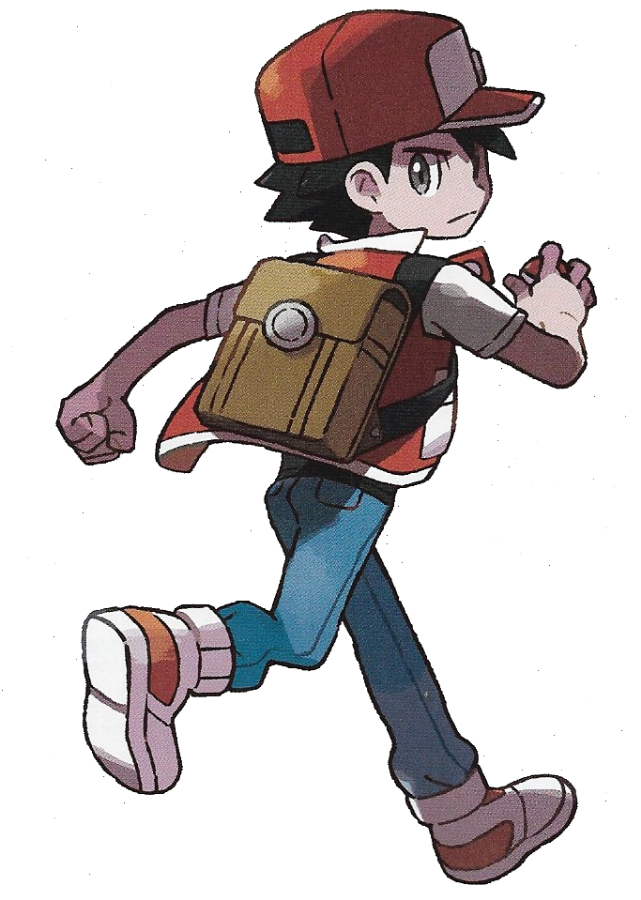
Red, the hero of the original games, appears only after the Hall of Fame. Once the player has beaten at least six Master Trainers, he waits outside the Pokémon League on the Indigo Plateau. His team of Pikachu, Machamp, Arcanine, Lapras, Snorlax and Venusaur, all at Level 85, is the highest-levelled in the game, and beating him earns the title Battle Master. He returns after each new Elite Four victory.
Green
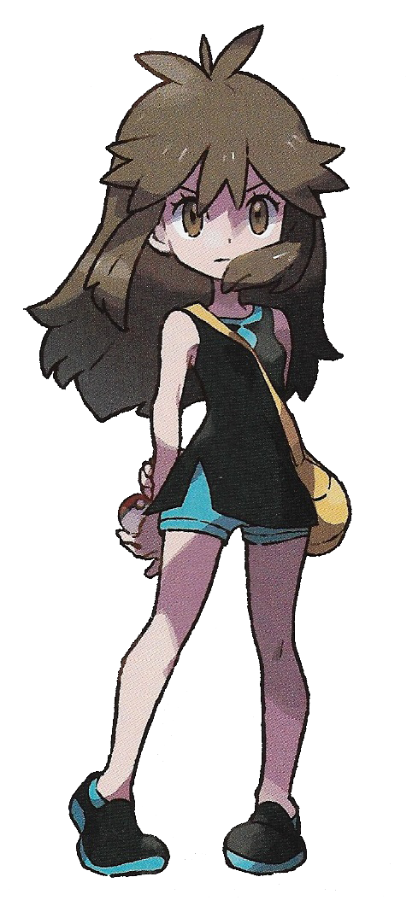
Green, a heroine first seen in concept art for the original Red and Green and later a star of the Pokémon Adventures manga, makes her core series debut here. Waiting in Cerulean Cave after Mewtwo is caught, she mistakes the player for a wild Pokémon and throws a ball at them, then battles with Mega Blastoise. Win, and she hands over Mewtwonite X and Y. Later she waits near Cerulean City’s bike shop for rematches.
Gym Leaders
Kanto’s eight Gym Leaders are back in their original order, from Brock in Pewter City to Giovanni in Viridian City, with new looks and lightly reshuffled teams. Several Gyms now have a guide at the door who checks that you’re ready before letting you in.
The Gym route – every Gym in order, with the leader’s ace, a team level to aim for and the TM you win:
- Boulder BadgeBrock · Pewter CityRock · ace Onix Lv. 12Aim for Lv. 12–15 · TM01 Headbutt
- Cascade BadgeMisty · Cerulean CityWater · ace Starmie Lv. 19Aim for Lv. 19–22 · TM29 Scald
- Thunder BadgeLt. Surge · Vermilion CityElectric · ace Raichu Lv. 26Aim for Lv. 26–29 · TM36 Thunderbolt
- Rainbow BadgeErika · Celadon CityGrass · ace Vileplume Lv. 34Aim for Lv. 34–37 · TM53 Mega Drain
- Soul BadgeKoga · Fuchsia CityPoison · ace Venomoth Lv. 44Aim for Lv. 44–47 · TM27 Toxic
- Marsh BadgeSabrina · Saffron CityPsychic · ace Alakazam Lv. 44Aim for Lv. 44–47 · TM33 Calm Mind
- Volcano BadgeBlaine · Cinnabar IslandFire · ace Arcanine Lv. 48Aim for Lv. 48–51 · TM46 Fire Blast
- Earth BadgeGiovanni · Viridian CityGround · ace Rhydon Lv. 50Aim for Lv. 50–53 · TM41 Earthquake
The Gym Leaders
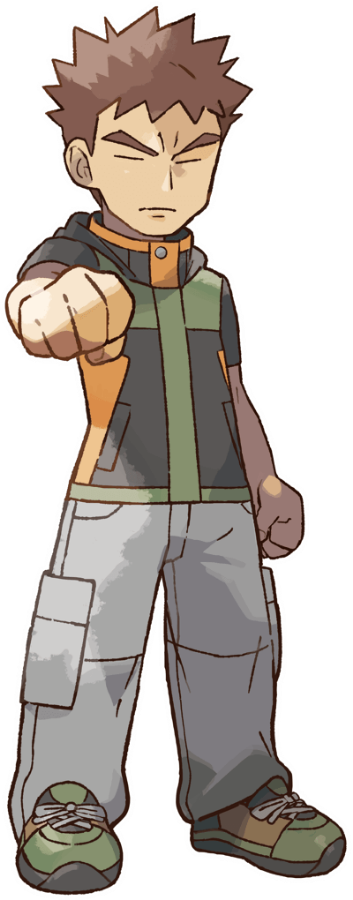
 Pewter Gym: Brock
Brock, Pewter City’s steady Rock-type leader, is the first real test of the journey. His Geodude and Onix are both part Ground-type, so a partner Pikachu’s Electric moves do nothing to them, and many players meet their first proper type puzzle here. The Gym guide’s check for a Grass- or Water-type nudges newcomers to catch and train something suitable before the battle. Water, Grass, Fighting and Ground attacks all work, and Eevee players can lean on Pokémon caught along the way.
Team: Geodude Lv. 11, Onix Lv. 12
To get in: The Gym guide asks for a Grass-type or Water-type Pokémon in the team. Blue greets the player outside after the battle, explains how he mapped Kanto’s Pokémon without a Pokédex and hands over five Great Balls. The Gym trainers before Brock can be skipped. Reward: TM01 Headbutt.

 Cerulean Gym: Misty
Misty, the Cerulean City Gym Leader, fights with Water-types in a poolside arena. Her Gym guide only lets in Trainers who can show a Pokémon of at least Level 15, which rewards players who kept catching on the way through Mt. Moon. Psyduck opens the match, but Starmie is the real danger, quick and hard-hitting. A partner Pikachu has an easy time; Eevee players can rely on Grass-types or learn Buzzy Buzz from a move tutor in the same city.
Team: Psyduck Lv. 18, Starmie Lv. 19
To get in: Show a Pokémon of Level 15 or higher. Trace battles the player in Cerulean City around the same time, and a burgled house nearby holds a Team Rocket grunt who returns TM10, Dig. The Gym trainers can be skipped. Reward: TM29 Scald.
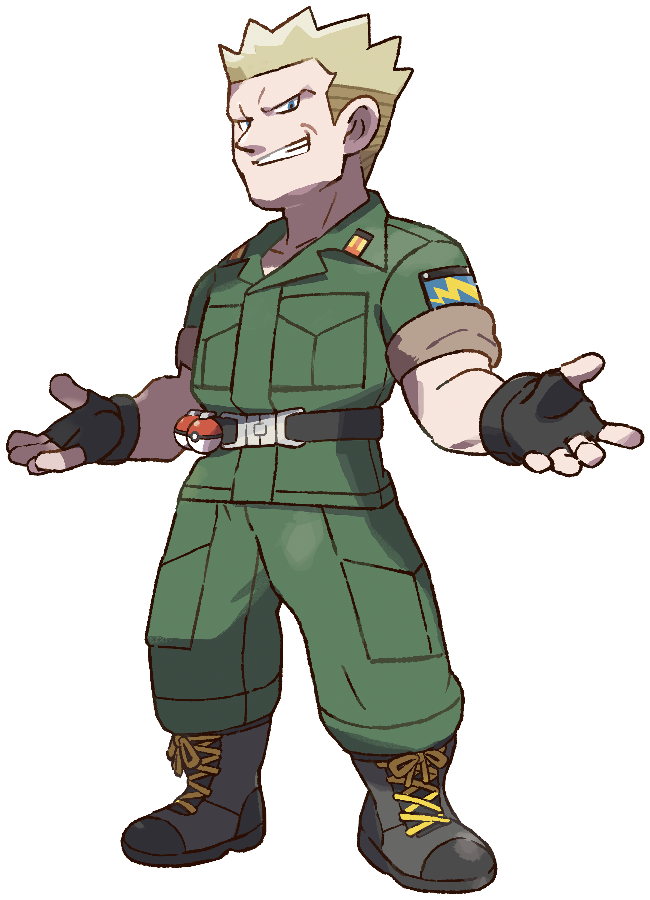
 Vermilion Gym: Lt. Surge
Lt. Surge, a towering former soldier, runs Vermilion City’s Electric-type Gym. A small tree blocks the door until the partner learns Chop Down from the S.S. Anne’s captain, so the cruise ship must come first. Voltorb and Magnemite open the battle, and Raichu closes it. Ground-types such as Diglett from the nearby Diglett’s Cave make the fight far easier, while Pokémon weak to Electric attacks, especially Water- and Flying-types, should stay on the bench.
Team: Voltorb Lv. 25, Magnemite Lv. 25, Raichu Lv. 26
To get in: The Gym can only be reached after learning the Chop Down Secret Technique from the S.S. Anne’s captain. Victory brings TM36, Thunderbolt, one of the strongest Special attacks available this early. Vermilion also offers the Squirtle gift and an Alolan Geodude trade at the Pokémon Centre. Reward: TM36 Thunderbolt.

 Celadon Gym: Erika
Erika, Celadon City’s gentle Grass-type leader, tends a Gym full of flowers. Her Gym guide only asks to see a cute Pokémon, a test the partner Pikachu or Eevee passes at once. Tangela and Weepinbell come first, with Vileplume as her ace, and all three are part of a sturdy, defensive line-up. Fire, Flying, Ice and Poison attacks all work well; Eevee’s Sizzly Slide, taught in Cerulean City, is a handy answer.
Team: Tangela Lv. 33, Weepinbell Lv. 33, Vileplume Lv. 34
To get in: Show a cute Pokémon (the partner Pikachu or Eevee qualifies). The Rocket Game Corner, home to Team Rocket’s Hideout, stands in the same city. Celadon’s Pokémon Centre also offers an Alolan Sandshrew or Alolan Vulpix trade, depending on the version. Reward: TM53 Mega Drain.

 Fuchsia Gym: Koga
Koga, the ninja master of Fuchsia City, commands Poison-types and wins by wearing opponents down. His Gym guide insists on at least 50 species registered in the Pokédex, so a little extra catching may be needed, and the GO Park next door can help. Weezing, Muk and Golbat lead into Venomoth. Psychic and Ground attacks cut through most of the team, though Golbat and Venomoth call for Rock, Electric or Fire moves instead.
Team: Weezing Lv. 43, Muk Lv. 43, Golbat Lv. 43, Venomoth Lv. 44
To get in: At least 50 species registered in the Pokédex. Fuchsia is also where the partner learns Sea Skim and Strong Push, and where the GO Park replaces the Safari Zone. Its Pokémon Centre offers an Alolan Marowak trade. Reward: TM27 Toxic.
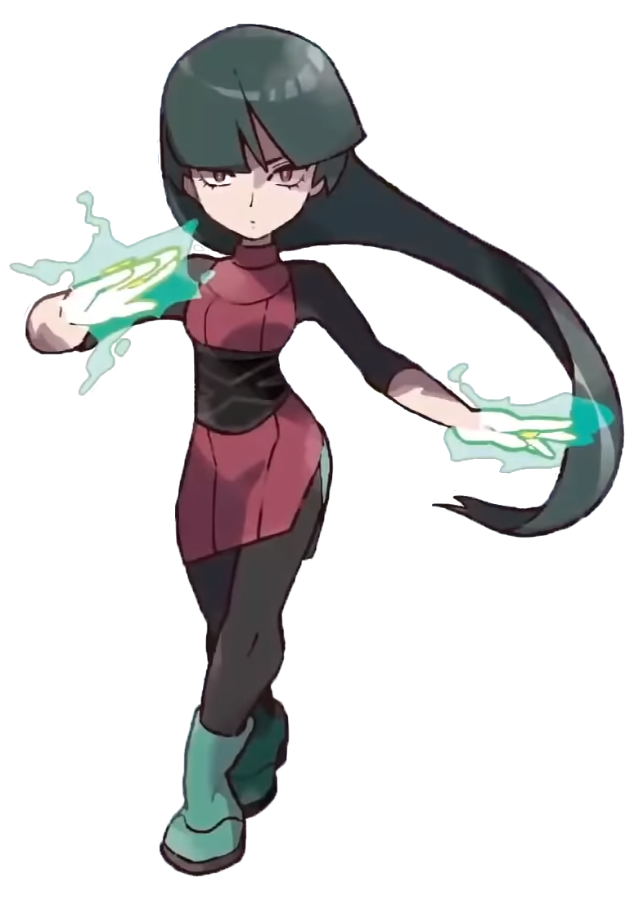
 Saffron Gym: Sabrina
Sabrina, Saffron City’s cool-headed Psychic-type leader, cannot be challenged until Team Rocket has been driven out of Silph Co. Her Gym guide then demands a Pokémon of at least Level 45. Mr. Mime, Slowbro and Jynx come before her Alakazam, whose fast Special attacks can sweep an unprepared team. Bug, Ghost and Dark moves are the answer, and Eevee’s Baddy Bad, taught in Celadon City, fits the job neatly.
Team: Mr. Mime Lv. 43, Slowbro Lv. 43, Jynx Lv. 43, Alakazam Lv. 44
To get in: Team Rocket must first be cleared out of Silph Co.; then a Pokémon of Level 45 or higher is needed. Her Gym sits next to the Fighting Dojo, whose master gives away Hitmonlee or Hitmonchan. Saffron’s Pokémon Centre offers an Alolan Raichu trade. Reward: TM33 Calm Mind.

 Cinnabar Gym: Blaine
Blaine, Cinnabar Island’s hot-headed quizmaster, keeps his Fire-type Gym locked until the player brings back the Secret Key from the burned-out Pokémon Mansion. Inside, quiz questions replace most of the Gym battles, and each correct answer wins a Blaine doll. His Magmar, Rapidash, Ninetales and Arcanine hit hard, so Water, Ground and Rock attacks are vital; the Lapras from Silph Co. is a natural choice.
Team: Magmar Lv. 47, Rapidash Lv. 47, Ninetales Lv. 47, Arcanine Lv. 48
To get in: Bring the Secret Key from the Pokémon Mansion; inside, answer quiz questions. Cinnabar’s Pokémon Lab revives Fossils, and its Pokémon Centre offers an Alolan Grimer trade in Let’s Go, Pikachu! or an Alolan Meowth trade in Let’s Go, Eevee!. Reward: TM46 Fire Blast.
 Viridian Gym: Giovanni
The last Gym belongs to Giovanni, Team Rocket’s boss, who has been using the Viridian Gym as a hideout. It stays shut until the player has seven Badges and has broken Team Rocket’s hold on Silph Co., after which he returns for one final battle. Dugtrio, Nidoqueen, Nidoking and Rhydon all know Earthquake, so Water, Grass and Ice attacks are essential, and Flying-types dodge the worst of it.
Team: Dugtrio Lv. 49, Nidoqueen Lv. 49, Nidoking Lv. 49, Rhydon Lv. 50
To get in: Seven Badges and Team Rocket defeated; the Gym stands empty until then. Before the battle, Blue gives the player a Key Stone and Mega Stones in Pallet Town. Afterwards Blue takes over the Gym and becomes a post-game opponent there. Reward: TM41 Earthquake.
Inside the Gyms
Three of the rebuilt Gyms:


The Elite Four & the Champion
The Indigo Plateau’s Elite Four are the same four as in 1996 – Lorelei, Bruno, Agatha and Lance – and they must be beaten one after another. Because the Pokémon Box now lives in your Bag, you can change your team between battles.
Waiting at the end is Trace, who reached the Champion’s room first. Beat him and the title is yours; after that the Elite Four and Trace all come back with stronger teams for rematches, and Lance’s Charizard Mega Evolves.
Lorelei, Bruno, Agatha and Lance, then Champion Trace
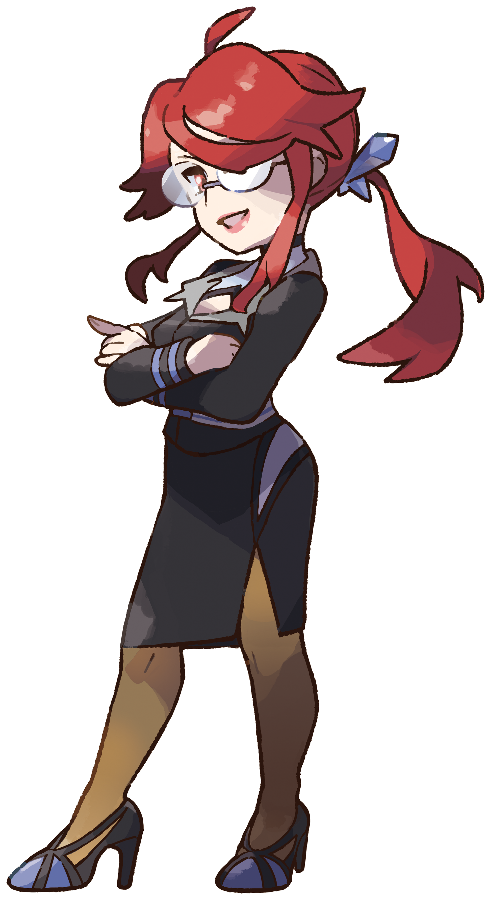
Lorelei, Elite Four
Lorelei, the Elite Four’s Ice-type opener, makes an early cameo in Let’s Go: on Route 10 she steps in to deal with a group of Team Rocket grunts, leaving one for the player. At the Indigo Plateau her Dewgong, Jynx, Cloyster and Slowbro lead to a Lapras ace. Electric, Fighting, Rock and Grass moves cover most of her line-up, though many of her Pokémon are part Water-type, so Grass needs care.
Team: Dewgong Lv. 51, Jynx Lv. 51, Cloyster Lv. 51, Slowbro Lv. 51, Lapras Lv. 52
Rematch: Dewgong Lv. 61, Jynx Lv. 61, Alolan Sandslash Lv. 61, Cloyster Lv. 61, Slowbro Lv. 61, Lapras Lv. 62
Her rematch team adds an Alolan Sandslash. As the Pokémon Box can be opened from the Bag, the player can reshuffle the team after beating her.

Bruno, Elite Four
Bruno, the Elite Four’s Fighting-type powerhouse, trains his Pokémon and himself to the limit. Onix, Hitmonlee, Hitmonchan and Poliwrath lead to a Machamp at Level 53. Psychic and Flying attacks are the obvious counters, but Onix calls for Water or Grass moves instead. In rematches he adds an Alolan Golem, whose Rock and Electric typing turns Flying-type tactics on their head.
Team: Onix Lv. 52, Hitmonlee Lv. 52, Hitmonchan Lv. 52, Poliwrath Lv. 52, Machamp Lv. 53
Rematch: Onix Lv. 62, Hitmonlee Lv. 62, Hitmonchan Lv. 62, Alolan Golem Lv. 62, Poliwrath Lv. 62, Machamp Lv. 63
Bruno’s team is the same in both versions. A fast Psychic-type such as Alakazam, or a Flying-type like Pidgeot, handles most of his line-up.

Agatha, Elite Four
Agatha, the veteran Ghost-type specialist of the Elite Four, fields a team heavy on Poison. Arbok, Golbat and Weezing sit alongside two Gengar, the second at Level 54. Psychic and Ground attacks hit most of her team hard, Ghost and Dark moves handle the Gengar, and Flying-types should watch out for Golbat. In rematches she adds an Alolan Marowak, a Fire and Ghost combination.
Team: Arbok Lv. 53, Gengar Lv. 53, Golbat Lv. 53, Weezing Lv. 53, Gengar Lv. 54
Rematch: Arbok Lv. 63, Alolan Marowak Lv. 63, Golbat Lv. 63, Gengar Lv. 63, Weezing Lv. 63, Gengar Lv. 64
Agatha does not Mega Evolve, but players who buy Gengarite after the Hall of Fame can turn her favourite Pokémon against her with a Mega Gengar of their own.
Lance, Elite Four
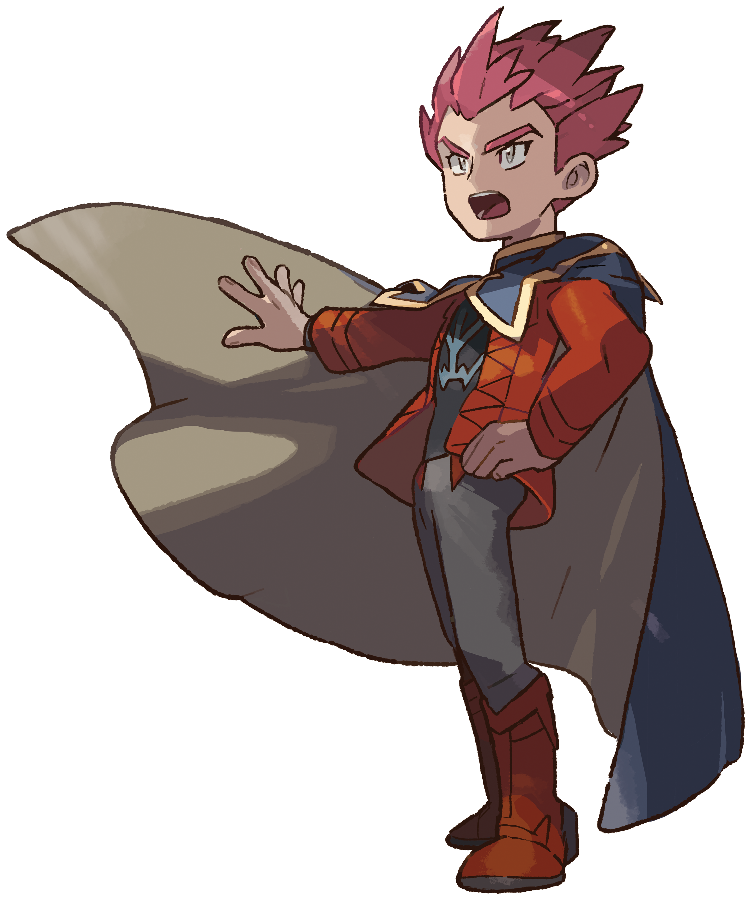
Lance, the Dragon master who heads the Elite Four, fields dragons and dragon-like Pokémon: Seadra, Aerodactyl, Gyarados and Charizard before a Level 55 Dragonite. Ice attacks are the best answer to Dragonite, with Electric moves for Gyarados and Rock moves for Charizard. His rematch team adds an Alolan Exeggutor, a Dragon-type in its Alolan form, and his Charizard Mega Evolves into Mega Charizard X.
Team: Seadra Lv. 54, Aerodactyl Lv. 54, Gyarados Lv. 54, Charizard Lv. 54, Dragonite Lv. 55
Rematch: Seadra Lv. 64, Aerodactyl Lv. 64, Gyarados Lv. 64, Charizard Lv. 64 (Mega Charizard X), Alolan Exeggutor Lv. 64, Dragonite Lv. 65
Lance is the last of the Elite Four. Beating him leads straight to the Champion’s room, where Trace is waiting.

Trace, Champion
Trace beats the Elite Four before the player and waits in the Champion’s room, making Let’s Go the rare Kanto story where the final battle is against a friend rather than a bully. He opens by Mega Evolving his Pidgeot into Mega Pidgeot, then sends in Vileplume, the Marowak that grew from the Cubone he adopted in Pokémon Tower, Rapidash and Slowbro, with Jolteon or Raichu last. A balanced team with Rock, Electric and Ground moves handles him well.
Team: Let’s Go, Pikachu!: Pidgeot Lv. 56 (Mega Evolves), Vileplume Lv. 56, Marowak Lv. 56, Rapidash Lv. 56, Slowbro Lv. 56, Jolteon Lv. 57. Let’s Go, Eevee!: the same, with Raichu Lv. 57 in place of Jolteon.
Rematch: Let’s Go, Pikachu!: Pidgeot Lv. 66 (Mega Evolves), Vileplume Lv. 66, Marowak Lv. 66, Rapidash Lv. 66, Slowbro Lv. 66, Jolteon Lv. 67. Let’s Go, Eevee!: the same, with Raichu Lv. 67 in place of Jolteon.
After losing the title, Trace keeps returning to the Pokémon League to challenge the player again with a stronger team, and he points the player towards Mewtwo in Cerulean Cave.

Glitches, exploits and oddities
Let’s Go shipped with few bugs of note, and the two updates of 2019 fixed most of what there was.
Partner power Berry overflow
Feeding Berries to the partner during Partner Play builds up a hidden partner power counter. If the first Berry given on a particular day is a Golden Razz Berry that the partner especially likes, and the counter already stands at 10 or more, the game adds the Berry’s full bonus before applying its usual cap of 100. The total then exceeds the counter’s maximum value of 255 and wraps round to a much lower number, so the partner ends up with far less partner power than the player intended.
Mystery Gift Pokédex registration bug
At launch, Pokémon received through Mystery Gift were sometimes not registered in the Pokédex when they arrived, leaving a gap in the player’s records even though the Pokémon itself had been delivered. The fault applied to Pokémon arriving through Mystery Gift rather than those caught or traded in the usual way. Version 1.0.1, released in January 2019, fixed it, and that update is required for online play, so any copy that connects to the internet today will already carry the fix.
Swapped marking symbols
The original release showed the square and star symbols in the IV judge in the opposite order to the rest of the game, including the markings players use to tag Pokémon in their Box. It was a small inconsistency rather than a game-breaking bug, but it could confuse anyone comparing the two screens. Version 1.0.1, released in January 2019, swapped the two symbols in the IV judge so that it follows the same order as everywhere else. The change was listed in the patch notes alongside the Mystery Gift Pokédex fix.
Pokémon GO reconnection failure
In the months after launch, some players found that after pairing Pokémon GO with Let’s Go and then closing the Switch game, the two would refuse to reconnect, blocking further GO Park transfers. The fault lay on the console side, and Nintendo fixed it with a Nintendo Switch system update in February 2019 rather than a game patch. Nintendo’s support pages still list troubleshooting steps for connecting Pokémon GO, the Poké Ball Plus and the Switch, and Switch 2, so players hitting trouble today should check those first.
999:59 link-trade disconnection
Long-running save files ran into trouble once the play-time clock reached its 999:59 limit. If such a player was disconnected during a link trade, the trade could fail to recover properly. Version 1.0.2, released on 24 July 2019, corrected this behaviour. It mainly affected dedicated players who had put enormous hours into catch combos, Shiny hunting or Master Trainer battles, the very people most likely to be trading in the post-game. Anyone affected only needs to update the game, which is required for online play anyway.
Mystery Gift code lockout
Before version 1.0.2, entering a wrong Mystery Gift code ten times could leave the player unable to enter codes at all, blocking later distributions until the problem was fixed. The July 2019 update restored normal behaviour, so a few mistyped codes no longer shut out future events. The fix arrived while distribution codes for the games were still being handed out, which mattered for players redeeming serial codes from shops and events. As with the other fixes, updating to version 1.0.2 is all that is needed.
What no longer works
The bugs fixed by versions 1.0.1 and 1.0.2 can no longer be triggered on an updated copy, and an update is required to go online at all. The Pokémon GO reconnection fault was fixed by a 2019 Switch system update. In the mainland China edition released in 2024, the GO Park cannot be visited: a Youngster blocks the doorway and a sign reads No entry ahead. No downloadable content or free content updates were ever released, so there are no later patches that change the game itself.
Videos & media
Trailers and introduction videos for Let’s Go, Pikachu! and Let’s Go, Eevee!.
The official trailer introducing the Kanto adventure, the partners and GO-style catching.
Nintendo UK’s announcement trailer from the May 2018 reveal.
The launch trailer, released for the games’ arrival on 16 November 2018.
The official Japanese introduction video.
A Japanese update video from September 2018 on the Pokémon GO link and the Legendary Pokémon.
Trivia & facts
- Eevee was chosen as the second mascot because of its popularity and the amount of fan art it inspires; Psyduck was considered but rejected because its yellow colouring was too close to Pikachu’s.
- These were the first core series Pokémon games released for a home console.
-

Meltan. They are the first core series remakes to introduce brand-new Pokémon, Meltan and Melmetal.
- They mark the first time an enhanced third version, Pokémon Yellow, has been remade.
- On the physical packaging, the player character’s reflection can be seen in the partner Pikachu’s or Eevee’s eyes.
Let’s Go, Pikachu! Let’s Go, Eevee! - Neither Trace nor the player characters are ever named in the games; their names come from official promotion.

Further trivia
- The Pikachu and Eevee Master Trainers, Ikue and Aoi, share their first names with the partners’ voice actors, Ikue Otani and Aoi Yūki.
- Partner Eevee has nine signature moves, more than any other Pokémon.
- The flower-shaped tail tip of a female partner Eevee was later given to all female Eevee in Pokémon Sword and Shield and in Pokémon GO.
- The film playing on the television in the player’s home changes with the game’s language, with references that include Stand by Me, The Wizard of Oz and Harry Potter.
Legacy
What came after
- Reveal at The Pokémon Company’s press conference in Tokyo – 30 May 2018. The games were announced alongside Pokémon Quest, with a new core RPG promised for 2019.
 E3 2018 Nintendo Direct – 12 June 2018. Revealed that every Poké Ball Plus contains Mew.
- Meltan officially revealed – 25 September 2018. Teased in Pokémon GO first, then presented as a new Mythical Pokémon linking GO with Let’s Go.
- Worldwide launch, with the Pikachu & Eevee Edition Switch bundle, Poké Ball Plus packs and the Poké Ball Plus – 16 November 2018. Released in Japan, North America, Europe, Australia, South Korea, Hong Kong and Taiwan on the same day.
- Super Smash Bros. Ultimate released – 7 December 2018. Let’s Go save data unlocks a Partner Pikachu or Partner Eevee spirit; both later became available from the Spirit Board.
- Version 1.0.1 – 22 January 2019. Fixed Mystery Gift Pokédex registration, matched the marking order and made other fixes; required for online play.
- Nintendo Switch system update fixes Pokémon GO reconnection – February 2019. Resolved Let’s Go failing to reconnect to Pokémon GO after the game had been closed.
- Pokémon Sword and Shield announced – 27 February 2019. Revealed in a Pokémon Direct as the core RPG promised for 2019.
- Version 1.0.2 – 24 July 2019. Fixed the 999:59 link-trade problem and the Mystery Gift code lockout.
- Pokémon Sword and Shield released – 15 November 2019. Let’s Go save data unlocks a Gigantamax-capable Pikachu or Eevee plus League Card designs.
- Pokémon HOME launches – 12 February 2020. Let’s Go Pokémon can be stored and moved on to later Switch games; 11 February in the Americas.
 Pokémon GO joins Pokémon HOME – 11 November 2020. A separate, one-way route from GO to HOME; the first transfer grants a Melmetal that can Gigantamax.
- Pokémon Brilliant Diamond and Shining Pearl released – 19 November 2021. Let’s Go save data unlocks Mew as a gift in Floaroma Town.
- Pokémon Legends: Arceus released – 28 January 2022. Let’s Go save data unlocks a Pikachu or Eevee Festival Mask.
- Pokémon Scarlet and Violet released – 18 November 2022. Let’s Go save data unlocks the Pika-Vee Case from the Rotom Phone case shop, Rotometry, in Mesagoza.
- Elaine and Eevee join Pokémon Masters EX – 17 November 2023. The Let’s Go heroine became a playable sync pair.
- Mainland China release – 26 September 2024. Simplified Chinese edition with the GO Park closed; a Meltan event ran from 26 October 2024 to 30 April 2025.
- Nintendo Switch 2 launches – 5 June 2025. The Switch game plays on the new console, and the Poké Ball Plus can be paired with it.
- Pokémon Legends: Z-A released – 16 October 2025. Released for Nintendo Switch and Nintendo Switch 2.
- Pokémon HOME adds Legends: Z-A – 2 April 2026. Version 4.0.0 of HOME; Let’s Go Pokémon can be moved on into Z-A but cannot come back.
Where to play Let’s Go today
As of October 2026, Let’s Go, Pikachu! and Let’s Go, Eevee! are still Nintendo Switch games, available on Game Card or as downloads, and they play on both Switch and Switch 2; there is no Switch 2 Edition or remaster. Version 1.0.2 is the final update. The Pokémon GO link, Poké Ball Plus pairing and Pokémon HOME transfers are all still covered by Nintendo’s support pages, and online trading and battles need Nintendo Switch Online.
How Let’s Go was made
Let’s Go was directed by Junichi Masuda, the Game Freak veteran who had composed the music for the original Red and Green. When the games were unveiled in Tokyo on 30 May 2018, he said they had been in development for around two years. He described them as remakes of Pokémon Yellow because that version, with its anime touches, had resonated best with younger players, and the games were pitched at newcomers, including the many players who had discovered Pokémon through Pokémon GO. Masuda had worked on GO’s original concept, and the link between the two was central to the plan: GO-style catching, transfers into the GO Park, the Bluetooth Poké Ball Plus and the idea of introducing a new Pokémon, Meltan, through the mobile game. Eevee became the second mascot because of its popularity and the wealth of fan art it inspires. Composer Shota Kageyama rearranged Masuda’s Kanto music. Masuda said this would probably be the last main Pokémon RPG he directed, and the same press conference had promised a new core RPG for 2019, which arrived as Sword and Shield.
Let’s Go in other media

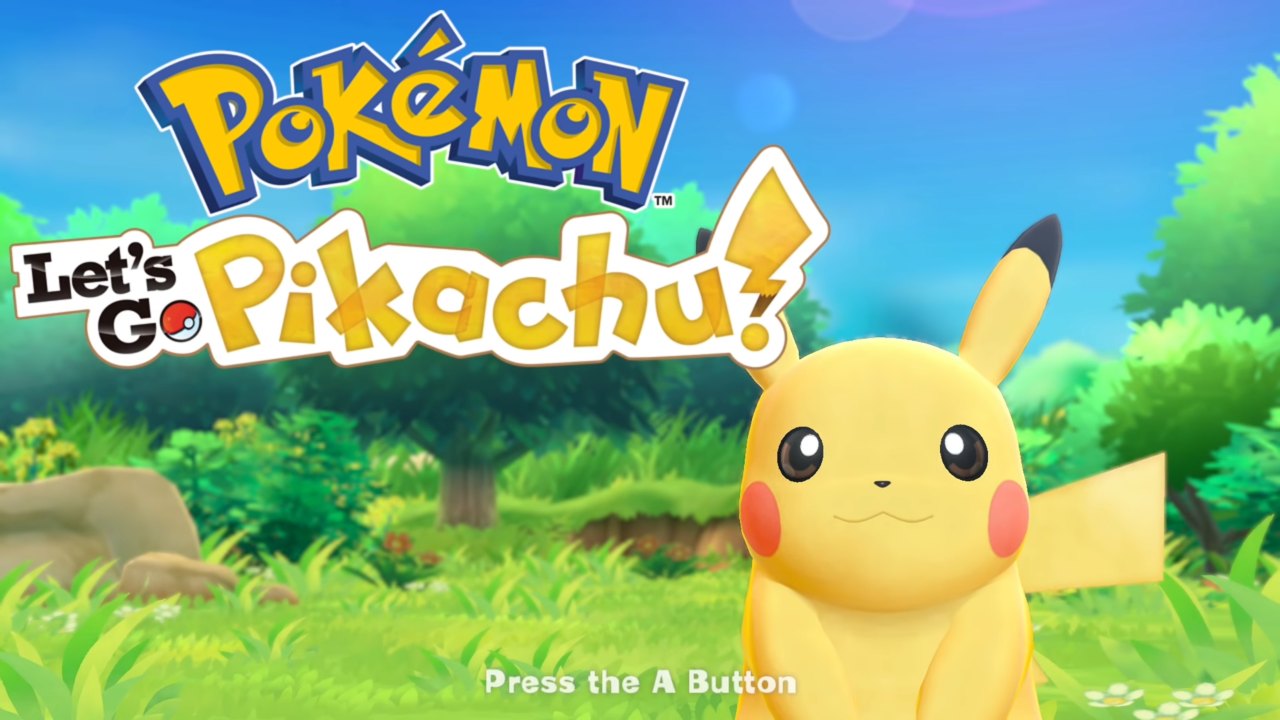
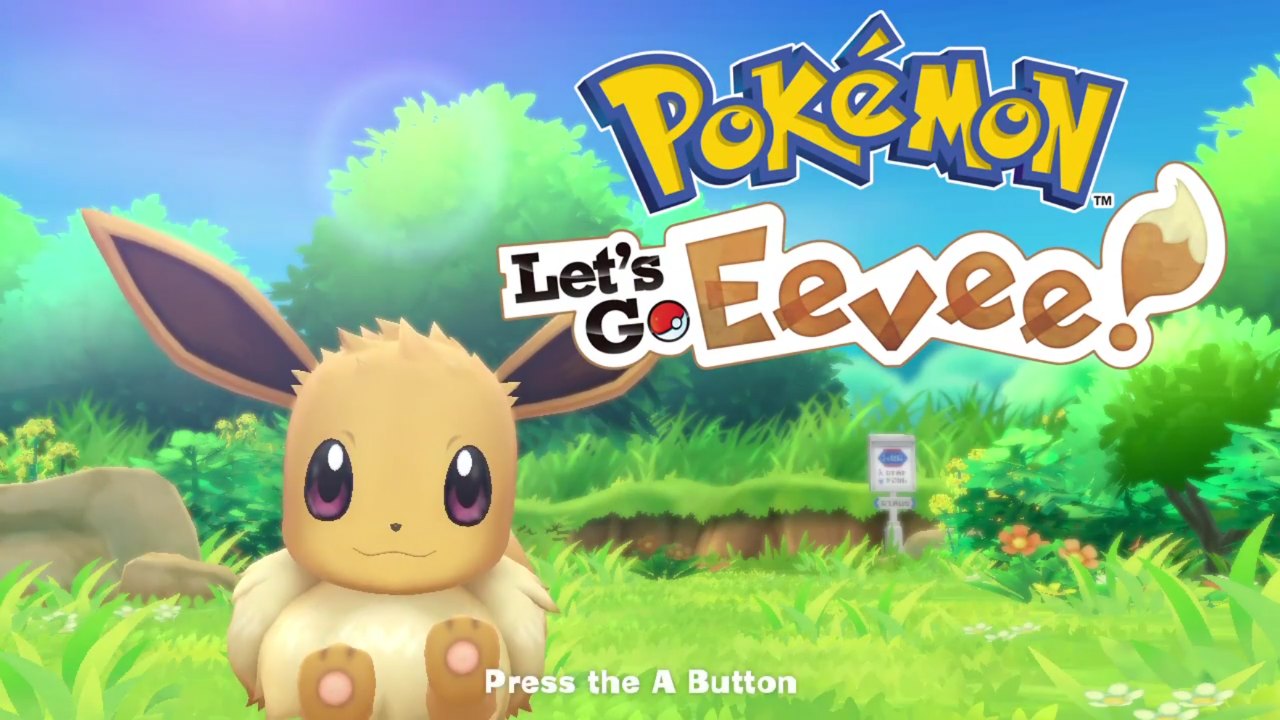
The English and Japanese title screens:


Sales & reviews
Sales figures
Let’s Go got off to a flying start: more than three million copies worldwide in the first week, which made the pair the fastest-selling Switch games up to then. In Japan, 661,240 physical copies sold in launch week (364,105 of Let’s Go, Pikachu! and 297,135 of Let’s Go, Eevee!); in the US more than 1.5 million went in the first ten days; and in the UK Let’s Go, Pikachu! entered the chart at No. 3 and Let’s Go, Eevee! at No. 6.
By the end of March 2019 the games had sold 10.63 million copies, and Nintendo’s count reached 15.07 million by 30 September 2023 – more than the original Pokémon Yellow. Sword & Shield, the full new generation that followed a year later, went on to sell 27.26 million.
- 15.07mworldwide, September 2023
- 3m+worldwide in the first week
- 661kJapan launch week
- No. 3UK chart debut (Pikachu)



Review scores
Critics mostly enjoyed the trip back to Kanto, with the motion controls the main sticking point. Some of the verdicts:
- Miranda Sanchez of IGN scored it 8.3/10: “Powerful friends and new mechanics make for a delightful return to the Kanto region”.
- GameSpot’s Jake Dekker gave it 8/10, calling it “a beautiful reimagining of one of the series’ most beloved adventures”.
- Chris Tapsell recommended it on Eurogamer, saying it “deftly toes the line between returning fans and all-new ones”.
- Brian Shea of Game Informer (8.5/10) saw it as “a strong entry point to the series for newcomers”.
- Not everyone was won over: Nintendo World Report’s Adam Abou-Nasr gave it 6.5/10.
Critics were broadly warm, and Metacritic rated both versions as generally favourable, at 79 for Pikachu and 80 for Eevee. Reviewers enjoyed returning to a lovingly rebuilt Kanto and singled out the partner Pikachu and Eevee, the Pokémon that roam the overworld and the freedom to catch exactly what you want without endless wild battles. Many saw it as an ideal first console Pokémon game for children and for players who had come from Pokémon GO, while the drop-in co-op mode drew a more mixed response. The main complaints concerned the motion controls, which several writers found imprecise in TV mode and harder for players with limited movement, alongside a simplified battle system and a lack of challenge. Long-time fans tended to call it a charming but slight detour while they waited for the next full generation.
Awards and honours:
Media & artwork
Further reading
Other Let’s Go links on the site, plus the games it grew from: