
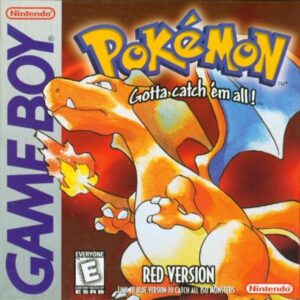
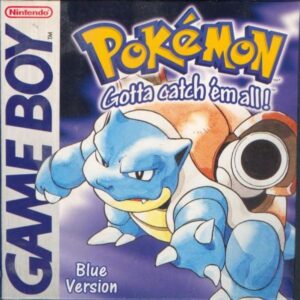
  |
|
| Platform | Game Boy (also Game Boy Color and Super Game Boy enhanced); Nintendo 3DS Virtual Console (2016) |
| Developer | Game Freak |
| Publisher | Nintendo |
| Director | Satoshi Tajiri |
| Producers | Shigeru Miyamoto, Takashi Kawaguchi, Tsunekazu Ishihara |
| Art & music | Ken Sugimori (art, with Atsuko Nishida), Junichi Masuda (music & programming) |
| Players | 1–2 (Game Boy Link Cable) |
| Generation | Generation I |
| Region | Kanto |
| New Pokémon | 151 |
| New moves | 165 |
| Released (Japan) | 27 February 1996 as Red & Green; Japanese Blue by mail order from 15 October 1996 (retail 10 October 1999) |
| Released (North America) | 28 September 1998 |
| Released (Australia) | 23 October 1998 |
| Released (Europe) | 5–8 October 1999 |
| Rating | ESRB E; 3DS Virtual Console PEGI 12 |
| Sales | 31.38 million worldwide (Red, Green and Blue combined) |
| Predecessor | Pokémon Red & Green (Japan, 1996) |
| Successor | Pokémon Yellow (1998) |
| Remakes | FireRed & LeafGreen (2004); Let’s Go, Pikachu! & Eevee! (2018, based on Yellow) |
Overview
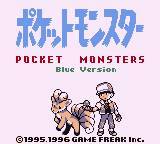
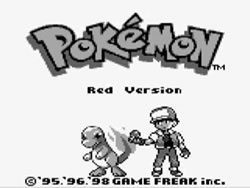 Pokémon Red & Blue are where the series began, in terms of international releases at least; they were initially released in Japan and were called Pocket Monsters: Red and Pocket Monsters: Green. Pokémon Red and Blue as we know them in the west are enhanced remakes of the original Japanese releases, Pokémon Red and Green. Nintendo drew upon criticism received in Japan over Red & Green and made changes prior to releasing them internationally; one of the points of criticism against the original releases was the sprites, so lo and behold the international releases got entirely new ones.
It was the unique and innovative appeal of these titles that the Pokémon videogame franchise as we know it now owes the foundation of its success. It should also be noted that whilst Red & Blue were the first games introduced to the western world, it was actually Red & Green which were released first in Japan; Green was never released in the west, however its remake Pokémon LeafGreen did make it to western gamers many years later.
The games loosely tie in with the first seasons of the Pokémon animated series. The main differences between the titles were that Pokémon Blue, as the newer of the two, naturally offered some sound and visual improvements as well as fixes to common bugs which were present in Red & Green.
Although these titles were released at the tail end of the original Game Boy’s life they quickly became popular and earned the accolade of being the best selling non-bundled titles on the Game Boy.
The main aims of the game are to catch all the Pokémon you can to complete your Pokédex in order to help Professor Oak with his research, take on gym leaders to earn badges to enable you to compete in the Pokémon League and for you and your Pokémon to form an unbreakable bond and become the ultimate team, the very best. This set the precedent for all of the core RPG series of Pokémon games that would follow.
You’ve finally been granted your Pokémon Trainer’s license. Now, it’s time to head out to become the world’s greatest Pokémon Trainer. It’s going to take all you’ve got to collect 150 Pokémon in this enormous world. Catch and train monsters like the shockingly-cute Pikachu. Face off against Blastoise’s torrential water cannons. Stand strong when facing Pidgeot’s stormy Gust. Trade with friends and watch your Pokémon evolve. Important—no single Pokémon can win at all. Can you develop the ultimate Pokémon strategy to defeat the eight Gym Leaders and become the greatest Pokémon Master of all time?
— Official description (Nintendo of America, 1998)
Quick Answers
The questions people ask Google most about Pokémon Red and Blue, answered briefly; each one links to the fuller section below.
What is the difference between Pokémon Red and Blue?
The story, map, Gym Leaders and rival are identical. The difference is which Pokémon appear in the wild. Each version has 11 exclusives: Red gets the Ekans, Oddish, Mankey and Growlithe families plus Scyther and Electabuzz, and Blue gets Sandshrew, Vulpix, Meowth and Bellsprout plus Pinsir and Magmar. Encounter rates and the box mascots (Charizard or Blastoise) also differ. More →
Can you catch Mew in Pokémon Red and Blue?
Not through normal play. Mew, No. 151, was handed out at official events: Nintendo Power contests, Toys “R” Us in December 1999, UK magazine tours in 2000 and a London festival in November 2016 for the 3DS versions. Without an event, the only way is the Mew glitch, an exploit involving trainers on Route 8 and Route 25. More →
How do you get Mewtwo in Pokémon Red and Blue?
First enter the Hall of Fame. Only then does the guard step away from Cerulean Cave, which you reach by surfing on the water north-west of Cerulean City. Mewtwo waits on the deepest floor (B1F) at level 70, knowing Psychic, Recover, Barrier and Swift. You only get one encounter, so save first, or use the Master Ball. More →
Which starter is best in Pokémon Red and Blue?
Bulbasaur gives the easiest start. It beats Brock and Misty, the first two Gym Leaders, and resists Lt. Surge’s Electric moves. Squirtle is a close second, handling Brock and later Blaine. Charmander makes the opening hours hardest, but Charizard ends up as the fastest of the three final forms, with the highest Attack. More →
Can you play Pokémon Red and Blue on Nintendo Switch?
No. As of October 2026, the Game Boy originals aren’t sold on Switch and aren’t part of Nintendo Switch Online. You need original cartridges, or the 3DS Virtual Console versions if you already own them, since the 3DS eShop closed on 27 March 2023. The FireRed and LeafGreen remakes came to Switch on 27 February 2026. More →
How long does it take to beat Pokémon Red and Blue?
A first run to the Hall of Fame usually takes around 25 to 30 hours. Catching the legendary birds and Mewtwo adds a few more. Completing the Pokédex takes much longer and needs trades with another cartridge; GameFAQs voters most often report 53 hours. Glitchless speedrunners reach the credits in under 1 hour 45 minutes. More →
What is MissingNo. in Pokémon Red and Blue?
MissingNo. is a glitch Pokémon. You meet it by watching the Viridian City old man’s catching demonstration, then flying to Cinnabar Island and surfing along its east coast, where leftover data from your player name fills the wild encounter list. Encountering it adds 128 to the sixth item in your Bag, and it can scramble the Hall of Fame graphics. More →
How do you evolve Kadabra, Machoke, Graveler and Haunter?
Trade them. Alakazam, Machamp, Golem and Gengar only evolve when traded to another game over the Link Cable, or over local wireless on the 3DS versions. You need a friend with Red, Blue or Yellow, and the friend can trade the evolved Pokémon straight back. No item is needed, and there is no way round it. More →
Where do you get Surf in Pokémon Red and Blue?
HM03 Surf is in the Secret House deep inside the Safari Zone in Fuchsia City. Entry costs 500 yen and gives you 30 Safari Balls and 500 steps. While you’re there, pick up the Warden’s Gold Teeth and return them for HM04 Strength. To use Surf outside battle you need the Soul Badge from Koga. More →
Is Pokémon Yellow better than Red and Blue?
Yellow (Japan, 12 September 1998) is a polished third version. Pikachu follows you around, your rival starts with Eevee, all three Kanto starters can be received as gifts, and Jessie and James from the anime appear. However, Yellow drops several species, including the Ekans, Meowth and Koffing families, so Red and Blue still matter for completing the Pokédex. More →
Plot / Story
It’s finally here… the day you can finally become a Pokémon Trainer. You’ve just turned 10 years old and it’s time to go and get your first Pokémon. You start out at home, Pallet Town in the Kanto region, and head over to see Professor Oak to get your first Pokémon. The good professor explains to you about Pokémon and all the adventures that lie ahead of you and then lets you choose between Squirtle (Water type), Charmander (Fire type) and Bulbasaur (Grass type) to accompany you on your journey.
But it’s not all fun and games, as unfortunately someone you used to be friends with but is now a terrible rival is also there to collect their first Pokémon, and they are so hell bent on beating you in a Pokémon battle that they choose their first Pokémon specifically based on what yours is weak against!
As you set off on the excitement of your adventure with your new friend you are wary that your rival is never going to be far behind. But catching them all, beating 8 gym leaders and multiple battles with your rival isn’t all you have to worry about…. the sinister Team Rocket is at large in your region… a criminal organisation who will stop at nothing to achieve their goals – not even the exploitation of defenceless Pokémon. Later on in the game you make a shocking discovery about the Team Rocket leader! No, not that he’s Ash Ketchum’s father… but he is the eighth and final gym leader in the game.


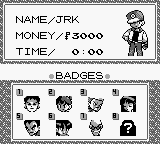
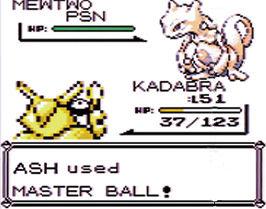

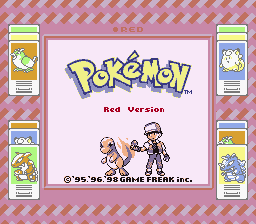
Screenshots from our own Pokémon Red and Pokémon Blue galleries.
In the anime and movies
The games loosely tie in with the first seasons of the Pokémon animated series in terms of locations, NPCs such as gym leaders and Pokémon – and the first two movies lean on Kanto’s legends too. Here is how each one lines up.
In the anime
 Season 1: Indigo League1997–1999Ash Ketchum leaves Pallet Town with a stubborn Pikachu instead of choosing a starter, then roughly follows the games’ route: Viridian Forest, Brock in Pewter, Misty in Cerulean, Lt. Surge’s Raichu, and finally the Indigo Plateau, where he goes out in the top 16. Some badges are won on technicalities or given as gifts. Team Rocket is mainly Jessie, James and Meowth rather than nameless grunts.
 Season 2: Adventures in the Orange Islands1999This season goes somewhere the games never did. Ash, Misty and new companion Tracey Sketchit tour the Orange Archipelago, win four Orange League badges and beat Drake to become Orange League Champion. Brock stays behind with Professor Ivy, and Ash travels between the islands on a Lapras. The arc has no game counterpart.
In the movies
 Pokémon: The First Movie – Mewtwo Strikes Back1998Scientists funded by Giovanni clone Mewtwo from a fossilised Mew eyelash. It destroys their lab and lures trainers to New Island. The story builds directly on the Pokémon Mansion journals on Cinnabar Island, which describe Mew’s discovery in a South American jungle and the violent escape of its offspring, Mewtwo. Released in Japan on 18 July 1998.
 Pokémon: The Movie 20001999The plot centres on Articuno, Zapdos and Moltres, the three birds hidden in the Seafoam Islands, the Power Plant and Victory Road in Red and Blue. When the collector Lawrence III captures them, the world’s weather goes haywire and Lugia rises to restore balance. Released in Japan on 17 July 1999.
Can I catch them all?
The maximum Pokédex you can complete in Pokémon Red or Blue without trading is 140/151. Each version has 11 of their own exclusive Pokémon.
That 140 counts the eleven version exclusives as the only gap; take away the four trade evolutions, Mew, the fossil and Fighting Dojo Pokémon you didn’t pick and the two Eeveelutions you can’t reach with a single Eevee and a solo cartridge tops out at about 130.
Version exclusives
Pokémon Red exclusives
 Ekans#023
 Arbok#024
 Oddish#043
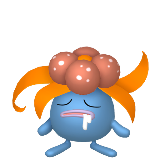 Gloom#044
 Vileplume#045
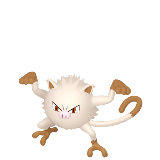 Mankey#056
 Primeape#057
 Growlithe#058
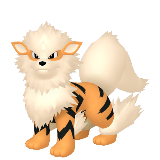 Arcanine#059
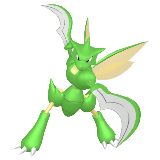 Scyther#123
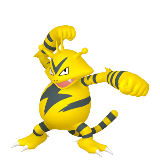 Electabuzz#125
023 Ekans (Poison type) and its evolved form 024 Arbok, 043 Oddish (Grass/Poison type) and its evolution chain: 044 Gloom & 045 Vileplume, the Fighting type 056 Mankey and its evolved form 057 Primeape, 058 Growlithe (Fire type) and its evolved form 059 Arcanine, 123 Scyther (Bug/Flying type) and 125 Electabuzz (Electric type).
Pokémon Blue exclusives
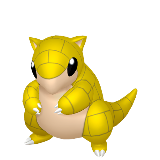 Sandshrew#027
 Sandslash#028
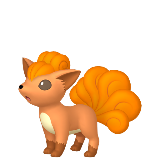 Vulpix#037
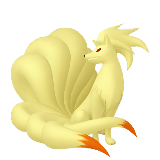 Ninetales#038
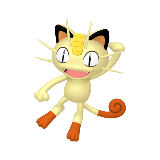 Meowth#052
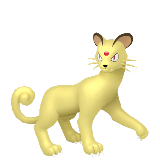 Persian#053
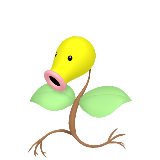 Bellsprout#069
 Weepinbell#070
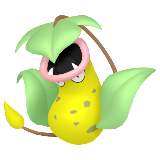 Victreebel#071
 Magmar#126
 Pinsir#127
027 Sandshrew (Ground type) and its evolved form 028 Sandslash, 037 Vulpix (Fire type) and its evolution 038 Ninetales, 052 Meowth (Normal type) and 053 Persian, 069 Bellsprout (Grass/Poison type) and its evolution chain 070 Weepinbell & 071 Victreebel as well as 126 Magmar and 127 Pinsir.
Additionally you can also trade from any other compatible Gen I or II title which has those Pokémon available to help complete your Pokédex. Mew was obtainable via a couple of exclusive Nintendo events when these games were current but if you didn’t get him then that leaves glitches and cheating as the only remaining options. There’s a rather vicious rumour he’s hiding under a truck!
Choosing your starter
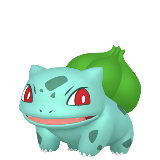 BulbasaurGrass/Poison · Ivysaur (16) → Venusaur (32)
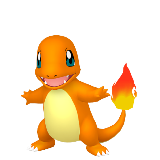 CharmanderFire · Charmeleon (16) → Charizard (36)
 SquirtleWater · Wartortle (16) → Blastoise (36)
Your rival takes whichever starter beats yours, so the choice shapes the whole game: Bulbasaur breezes through Brock and Misty, Squirtle is the steady all-rounder, and Charmander gives you the hardest start but the most popular Pokémon in the world at the end of it.
Legendary and Mythical Pokémon
 ArticunoSeafoam Islands B4F, Lv. 50
 ZapdosPower Plant, Lv. 50
 MoltresVictory Road, Lv. 50
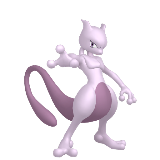 MewtwoCerulean Cave B1F, Lv. 70
 MewNot available in normal play
Articuno: One chance, so save first. Needs Surf and Strength for the boulder puzzles. Zapdos: One chance, so save first. Reached by surfing along Route 10. Moltres: One chance, so save first. On the way to the Pokémon League. Mewtwo: After entering the Hall of Fame. One chance, so save first; the usual target for the Master Ball.
Mew was never meant to be caught in normal play. In North America it came through Nintendo Power contests (151 winners in winter 1998–99, then Issue 127 in late 1999), the Pokémon League Training Tour ’99 and Toys “R” Us Peel & Win events from 8 to 12 December 1999, which gave out about 140,000. UK players got theirs on the Nintendo Official Magazine Tour in April 2000, and a London festival on 22 November 2016 gave Mew to the 3DS versions.
One-offs, trade evolutions and in-game trades
Some Pokémon are only ever offered once per game, so choose carefully: Eevee (Celadon Mansion rooftop); Lapras (Silph Co.); Hitmonlee or Hitmonchan (Fighting Dojo); Omanyte or Kabuto (Mt. Moon fossil); Aerodactyl (Old Amber); Snorlax ×2; Magikarp (Route 4 salesman); Porygon (Game Corner prize); Articuno, Zapdos, Moltres and Mewtwo (single encounters).
Four Pokémon only evolve when traded over the Link Cable – Kadabra into Alakazam, Machoke into Machamp, Graveler into Golem, Haunter into Gengar – which is the single biggest reason you need a friend with a cartridge of their own.
| You give | You get | Where |
|---|---|---|
| Abra | Mr. Mime (Marcel) | Route 2 |
| Nidoran♂ | Nidoran♀ (Spot) | Underground Path (Route 5) |
| Poliwhirl | Jynx (Lola) | Cerulean City |
| Spearow | Farfetch’d (Dux) | Vermilion City |
| Nidorino | Nidorina (Terry) | Route 11 gate |
| Slowbro | Lickitung (Marc) | Route 18 gate |
| Ponyta | Seel (Sailor) | Cinnabar Lab |
| Raichu | Electrode (Doris) | Cinnabar Lab |
| Venonat | Tangela (Crinkles) | Cinnabar Lab |
Trading & connectivity
As you’d expect from games released so long ago (they turned thirty in 2026) the connectivity options were limited; the sole way to connect to another player was via the Game Boy Link Cable. No WiFi, Infrared or other first world luxuries here!
The Link Cable joins two Game Boys through the Cable Club upstairs in any Pokémon Center for trades and battles Gold, Silver and Crystal can trade with them through the Time Capsule, Generation I species only. The games get colour palettes on the Game Boy Color, and a custom border and colours on the Super Game Boy. The N64’s Pokémon Stadium and Stadium 2 read the cartridge through the Transfer Pak, putting your team into 3D battles and playing the game on a TV through the GB Tower. The 2016 3DS Virtual Console versions use local wireless instead of the cable, and Poké Transporter sends their Pokémon to Pokémon Bank and on to Sun and Moon.
The Kanto region
Both Pokémon Red & Pokémon Blue are set in the Kanto region which in terms of its place in the Pokémon World is positioned to the south of the Sinnoh region and has the Johto region to its west. Every town/place in the Kanto region is named after a colour with the exception of Pallet Town. But Pallet also relates to colour in the sense that colours come in palettes. Check out maps of the major locations and routes in Kanto:

Places of Kanto, in the order you reach them

Pallet Town
Pallet Town is a quiet hamlet on Kanto’s southern coast, with two family houses and Professor Oak’s laboratory. The adventure starts in Red’s upstairs bedroom, where a Potion waits in the PC. Walk towards the tall grass of Route 1 and Oak hurries out to stop you, then leads you back to his lab to choose Bulbasaur, Charmander or Squirtle. His grandson, your rival, then takes the type that beats yours and battles you on the spot. Oak later gives you the Pokédex, and the rival’s sister Daisy gives you the Town Map. No wild Pokémon live here. Like most Kanto towns, it has a colour name in Japanese: Masara, from masshiro, meaning pure white.
Pokémon of note: Bulbasaur, Charmander, Squirtle. Items: Potion (bedroom PC), Pokédex, Town Map.

Viridian City
Route 1 is a short walk north through tall grass, where Pidgey and Rattata are the first wild Pokémon you meet and a Poké Mart clerk gives out a free sample Potion. In Viridian City, the Mart asks you to take Oak’s Parcel back to Pallet, and only after that errand does Oak hand over the Pokédex. A grumpy old man lies across the northern road because he hasn’t had his coffee. Later he shows you how to catch a Weedle, and that demonstration is what sets up the MissingNo. glitch. The Viridian Gym stays locked until the very end, when its leader turns out to be Giovanni. In Japanese the city is Tokiwa, meaning evergreen.
Pokémon of note: Pidgey, Rattata. Items: Oak’s Parcel, Potion (free sample), Pokédex (from Oak after the parcel).
Viridian Forest
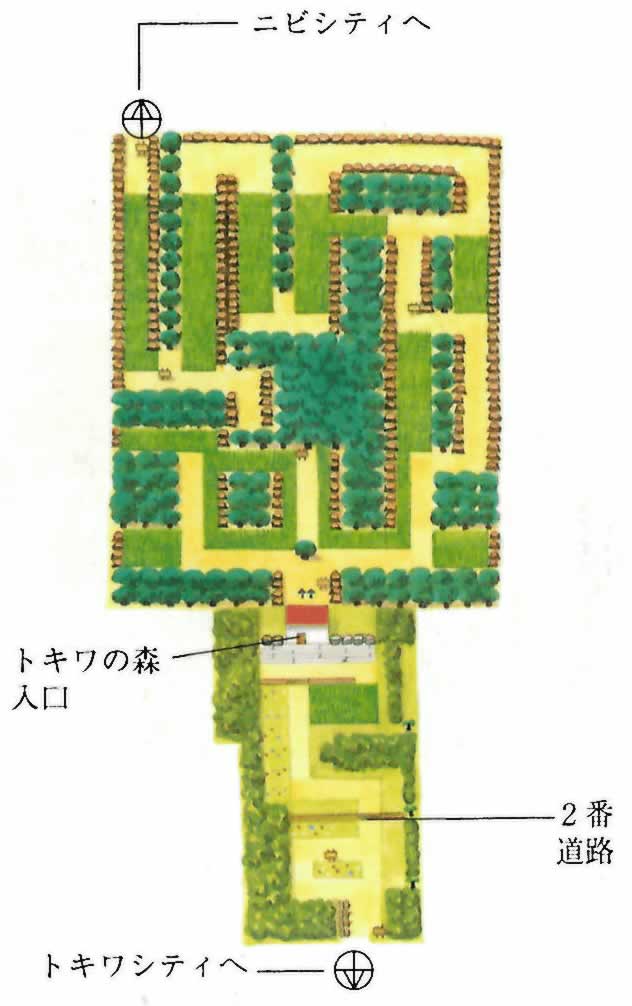
Viridian Forest is Kanto’s first maze, a tangle of trees and long grass between Route 2 and Pewter City. Bug Catchers patrol it, keen to battle with their Caterpie, Weedle and Metapod. Wild Caterpie, Weedle and their cocoon forms fill the grass, so many players come out with an early Butterfree or Beedrill. The real prize is Pikachu, a rare encounter here; the only other place it appears in the wild is the Power Plant. TRAINER TIPS signs among the trees explain the basics of battling. The Japanese name, Tokiwa no Mori, means Evergreen Forest, matching Viridian City to the south. Charmander players often stay here to train before taking on Brock.
Pokémon of note: Pikachu, Caterpie, Metapod, Weedle, Kakuna. Items: Antidote, Potion, Poké Ball.

Pewter City
Pewter City sits below the mountains north of Viridian Forest. Its Japanese name, Nibi, means grey, which suits a town of stone. Brock’s Gym is the first real test. His Geodude and level 14 Onix give Charmander a hard time, while Bulbasaur and Squirtle beat them easily. A boy blocks the eastern exit to Route 3 until you have the Boulder Badge. The Pewter Museum of Science charges 50 yen to see fossils of Kabutops and Aerodactyl, a model space shuttle and a Moon Stone. Once you have Cut you can reach the museum’s back entrance, where a scientist gives you the Old Amber, which later becomes Aerodactyl.
Pokémon of note: Onix (Brock), Geodude (Brock), Aerodactyl (from the Old Amber). Items: TM34 Bide, Old Amber.

Mt. Moon
Mt. Moon is the long cave between Route 3 and Route 4. Local legend says meteorites fell here, which explains the Moon Stones on its floors and the Clefairy, which live nowhere else in the wild. Zubat fill every corridor, and Geodude and Paras are common too. Team Rocket makes its first appearance here, with Grunts digging for fossils. On the lowest level a Super Nerd guards two fossils: take the Dome Fossil or the Helix Fossil, and the other is gone for good. At the Pokémon Center by the entrance, a salesman offers a Magikarp for 500 yen. In Japanese the mountain is Otsukimi-yama, meaning moon-viewing mountain.
Pokémon of note: Clefairy, Zubat, Geodude, Paras, Omanyte or Kabuto (fossil). Items: Moon Stone, Helix Fossil, Dome Fossil.

Cerulean City
Cerulean City is named in Japanese after hanada, a light blue. Misty’s Gym tests you with Staryu and a level 21 Starmie that knows BubbleBeam. North of town, your rival ambushes you at the foot of Nugget Bridge on Route 24, then five trainers battle you one after another across it. The man at the far end gives you a Nugget, then reveals he’s Team Rocket and tries to recruit you. Further on, on Route 25, Bill has fused himself with a Pokémon after a teleporter accident. Separate him and he gives you the S.S. Ticket. Back in town, a Rocket burgles a house and drops TM28 Dig, and the Bike Shop wants 1,000,000 yen for a Bicycle.
Pokémon of note: Starmie (Misty), Abra (Routes 24 and 25). Items: TM11 BubbleBeam, Nugget, S.S. Ticket, TM28 Dig, Bicycle (with the Bike Voucher).
Vermilion City & the S.S. Anne
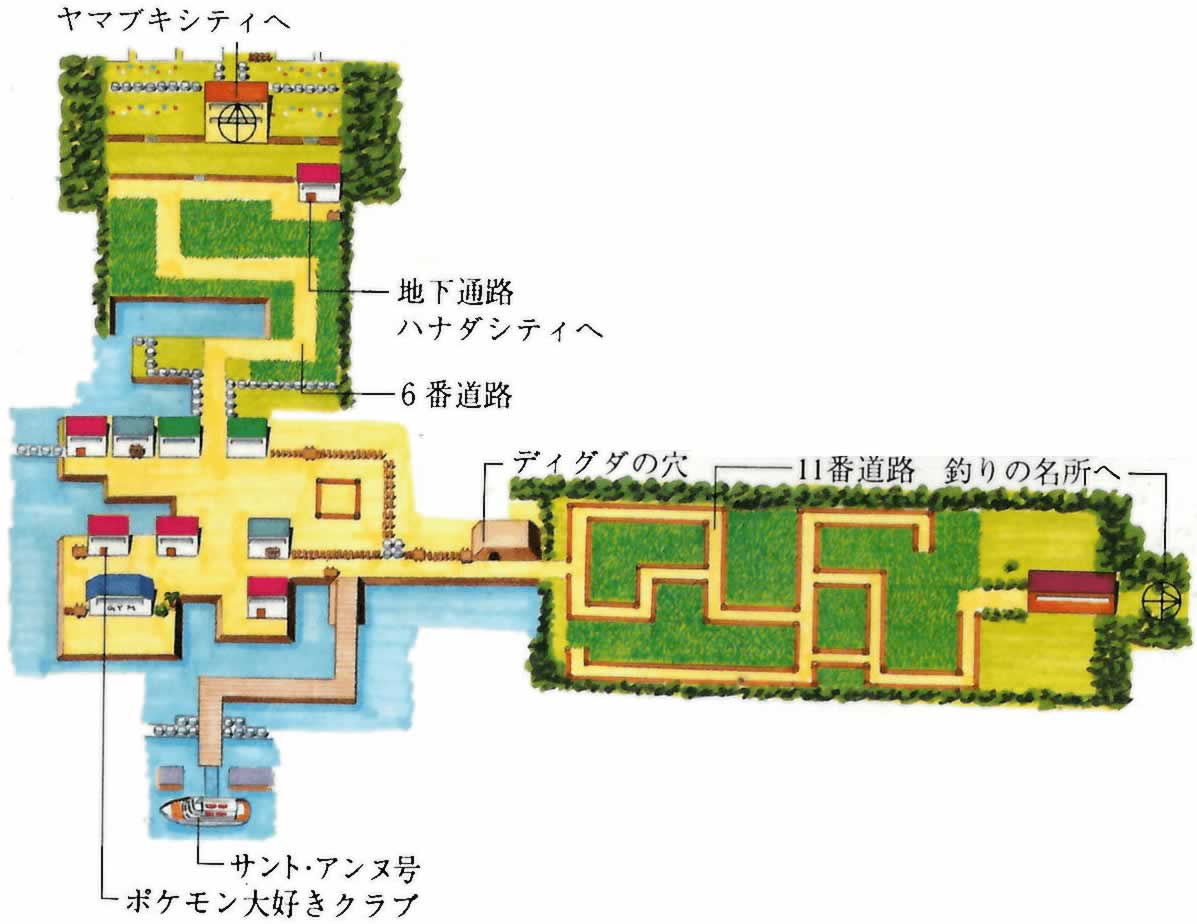
Vermilion City is Kanto’s port. Its Japanese name, Kuchiba, is the russet colour of fallen leaves. When you arrive, the luxury liner S.S. Anne is in dock, its cabins full of trainers and a party in full swing. Your rival challenges you on board, and the seasick captain thanks you for rubbing his back with HM01 Cut. Once you leave, the ship sails away for good. Cut clears the tree in front of Lt. Surge’s Gym. Inside, you search the rubbish bins for two hidden switches before facing his level 24 Raichu. The Pokémon Fan Club chairman gives you a Bike Voucher for sitting through his boasting, and a fishing guru hands out the Old Rod.
Pokémon of note: Raichu (Lt. Surge), Diglett (Diglett’s Cave, nearby), Farfetch’d (in-game trade). Items: HM01 Cut, Bike Voucher, Old Rod, TM24 Thunderbolt.

Lavender Town & Pokémon Tower
To reach Lavender Town you cross Rock Tunnel, a pitch-black cave on Route 10. It’s best lit with HM05 Flash, which one of Oak’s aides gives you once you have registered ten species. Lavender, named in Japanese after the shion (aster) flower, is a small, sombre town dominated by Pokémon Tower, a seven-storey graveyard for Pokémon. The upper floors are haunted: Channelers are possessed, and a ghostly figure blocks the stairs. The Silph Scope from Celadon’s Rocket Hideout reveals it as the spirit of a Marowak killed by Team Rocket. Rescue kindly Mr. Fuji from the top floor and he gives you the Poké Flute, which wakes the Snorlax blocking Routes 12 and 16.
Pokémon of note: Gastly, Haunter, Cubone, Marowak (ghost), Machop and Onix (Rock Tunnel). Items: HM05 Flash (Route 2 aide), Silph Scope (needed), Poké Flute.

Celadon City
Celadon City is Kanto’s big-city playground; its Japanese name, Tamamushi, is the shimmering green of the jewel beetle. The Department Store sells TMs and evolution stones, and its rooftop vending machines sell the drinks that persuade Saffron’s thirsty guards to let you through. Erika’s Grass Gym is behind a Cut tree. The most famous building is the Rocket Game Corner. A poster at the back hides a switch to the Rocket Hideout, a maze of spinning arrow tiles where Giovanni first battles you and drops the Silph Scope. The Game Corner’s prize counter swaps coins for Porygon, Dratini and other rare Pokémon. A back door at Celadon Mansion leads to a rooftop room with a free Eevee.
Pokémon of note: Eevee (Celadon Mansion), Porygon (Game Corner prize), Dratini (prize), Vileplume (Erika). Items: Silph Scope, Lift Key, Coin Case, TM21 Mega Drain, Fire, Water, Thunder and Leaf Stones.

Saffron City & Silph Co.
Saffron City (Japanese Yamabuki, golden yellow) sits at the heart of Kanto, and its gate guards won’t let you in until you bring one of them a drink. Inside, Team Rocket has taken over the eleven-floor headquarters of Silph Co. You need the Card Key and the building’s teleport pads to reach the president’s office, battling your rival on the way and Giovanni at the top. The grateful president gives you the Master Ball, and an employee gives you a level 15 Lapras. Next door is the Fighting Dojo, once the city’s official Gym, where you can take Hitmonlee or Hitmonchan as a prize. Sabrina’s Psychic Gym is a grid of warp tiles, and Mr. Psychic gives out TM29 Psychic.
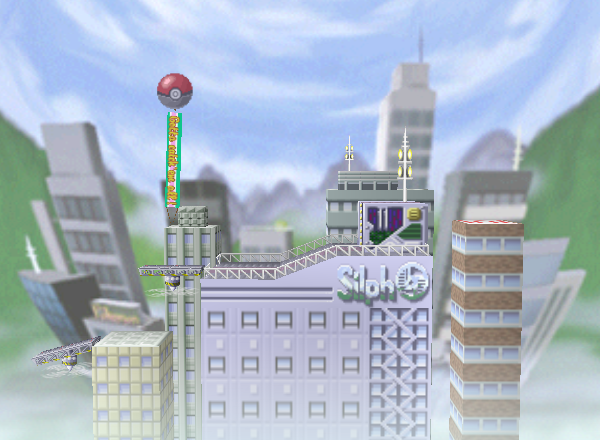
Saffron City was the first Pokémon stage in Smash: in Super Smash Bros. (1999), Pokémon pop out of the Silph Co. building.
Pokémon of note: Lapras (gift), Hitmonlee or Hitmonchan (Dojo), Alakazam (Sabrina). Items: Master Ball, Card Key, TM29 Psychic, TM46 Psywave.
Fuchsia City & the Safari Zone
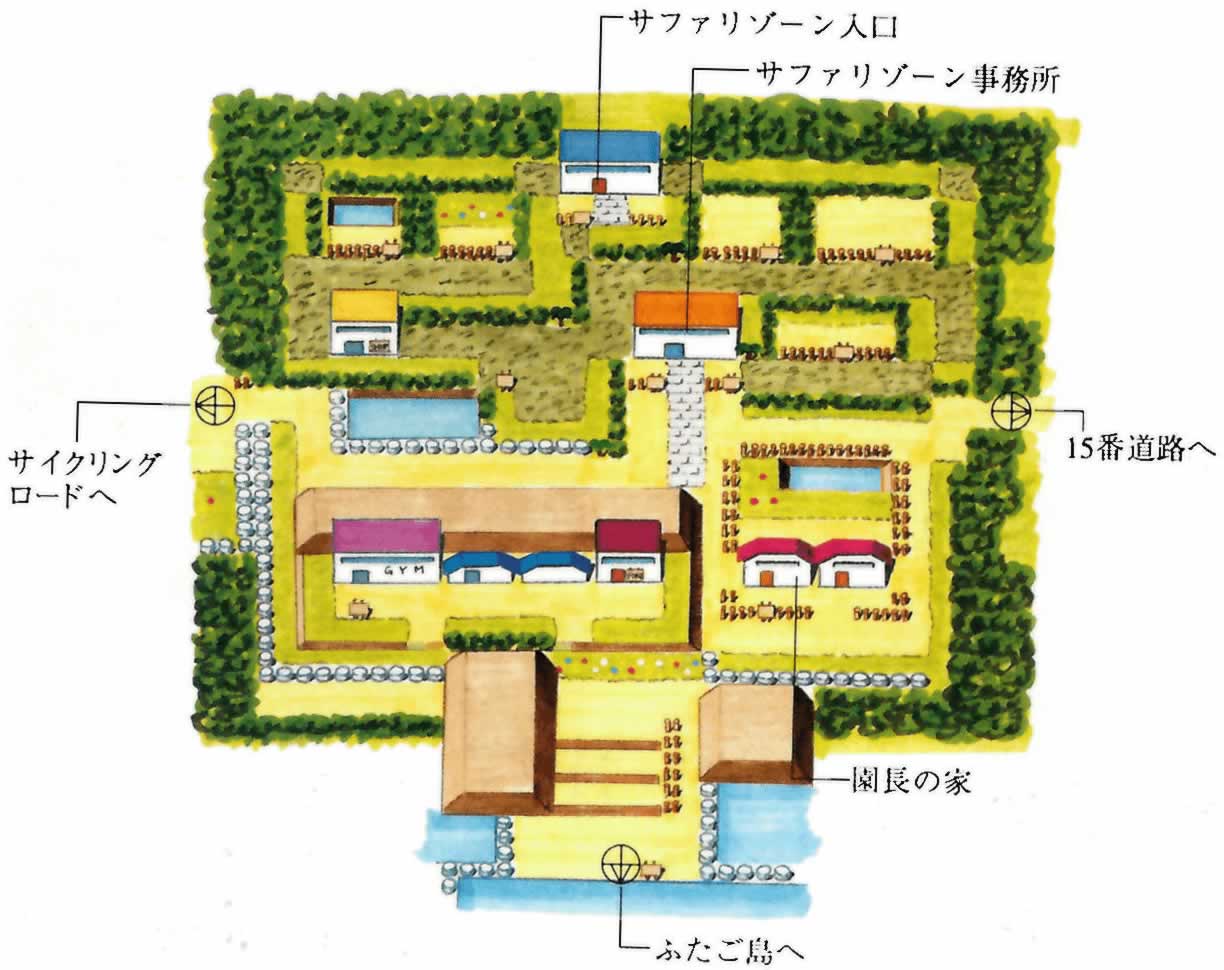
Fuchsia City (Japanese Sekichiku, the pink of the dianthus flower) is on Kanto’s southern coast. It’s home to Koga’s Poison Gym, a maze of invisible walls. The main attraction is the Safari Zone, where 500 yen buys 30 Safari Balls and 500 steps to catch Pokémon found nowhere else: Chansey, Kangaskhan, Tauros and Exeggcute, plus Dratini if you have a Super Rod. You can’t battle here; you can only throw bait, rocks or balls. Deep inside, the Secret House gives you HM03 Surf. Gold Teeth lying in the zone earn you HM04 Strength from the Warden back in town, and a fisherman in Fuchsia gives you the Good Rod.
Pokémon of note: Chansey, Kangaskhan, Tauros, Dratini, Scyther (Red) / Pinsir (Blue). Items: HM03 Surf, Gold Teeth, HM04 Strength, TM06 Toxic, Good Rod.
Seafoam Islands
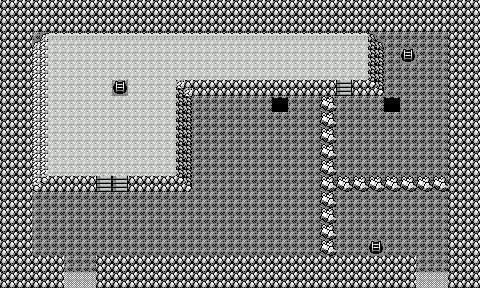
The Seafoam Islands are a pair of icy islands on Route 20, between Fuchsia City and Cinnabar Island. Their Japanese name, Futago-jima, means Twin Islands. Inside, five cave floors are linked by currents too fast to Surf against. To calm them, you use Strength to push boulders down holes and into the water. The reward on the lowest floor, B4F, is Articuno at level 50, knowing Peck and Ice Beam. You only get one chance, so save first. The caves are full of water Pokémon, including Seel, Dewgong, Slowpoke, Shellder, Horsea, Krabby, Staryu and Psyduck, along with Zubat and Golbat. A Nugget is among the hidden items.
Pokémon of note: Articuno (Lv. 50), Seel, Dewgong, Slowpoke, Shellder, Horsea. Items: Hidden Nugget (B2F), Hidden Ultra Ball (B4F).

Cinnabar Island
Cinnabar Island (Japanese Guren, crimson) is a volcanic island you reach by surfing from Pallet Town or Route 20. Its Gym is locked until you find the Secret Key in the basement of the burnt-out Pokémon Mansion. There, statues work hidden switches, and scientists’ journals tell how a Mew found in a South American jungle gave birth to Mewtwo, which later turned on the people who made it. Blaine’s Gym mixes Fire trainers with true-or-false quiz machines that let you skip battles. Cinnabar Lab revives the Helix and Dome Fossils and the Old Amber, and its staff offer three in-game trades. MissingNo. appears along the island’s east coast.
Pokémon of note: Ditto, Growlithe (Red) / Vulpix (Blue), Grimer, Koffing, Magmar (Blue), Omanyte, Kabuto, Aerodactyl (revived). Items: Secret Key, TM38 Fire Blast, TM14 Blizzard (Mansion), TM22 SolarBeam (Mansion).

Power Plant
The abandoned Power Plant stands beside Route 10. Its Japanese name, Mujin Hatsudensho, means unmanned power station. You can only get there by surfing along Route 10’s canal near the Rock Tunnel Pokémon Center. Nothing in the story sends you here; it’s an optional detour full of Electric types: Pikachu, Raichu, Magnemite, Magneton, Voltorb and, in Red, Electabuzz. Many of its Poké Balls are traps, because six Voltorb and two Electrode are disguised as items. At the far end waits Zapdos at level 50, the Electric member of the legendary bird trio. The items include TM25 Thunder, TM33 Reflect, a Rare Candy, an HP Up and Carbos. The exit by Zapdos leads back to the front door.
Pokémon of note: Zapdos (Lv. 50), Electabuzz (Red), Magnemite, Voltorb, Pikachu. Items: TM25 Thunder, TM33 Reflect, Rare Candy, HP Up, Carbos.
Victory Road & the Indigo Plateau
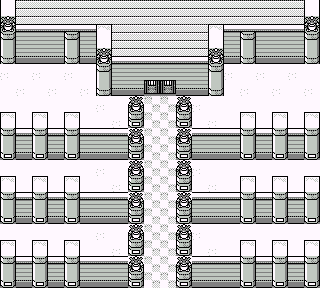
Along Route 23, guards in a series of gatehouses check your badges one by one before you reach Victory Road. This cave is full of Strength boulders that must be pushed onto floor switches to open the way, and Moltres, the last of the legendary birds, roosts inside at level 50. Beyond lies the Indigo Plateau (Japanese Sekiei Kōgen, quartz plateau), home of the Pokémon League. Once you walk through its doors there’s no way out. Lorelei (Ice), Bruno (Fighting), Agatha (Ghost) and Lance (Dragon) battle you one after another, and you can only heal with your own items. Then your rival is waiting as the newly crowned Champion. Win, and Oak leads you into the Hall of Fame.
Pokémon of note: Moltres (Lv. 50), Lapras (Lorelei), Machamp (Bruno), Gengar (Agatha), Dragonite (Lance). Items: Hall of Fame record.
Cerulean Cave
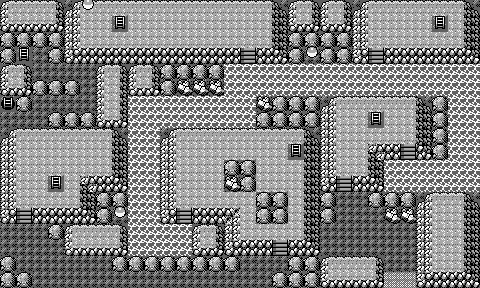
Cerulean Cave lies across the water from Cerulean City, and a guard keeps it sealed until you have entered the Hall of Fame. The Japanese games can’t agree on its name: the Town Map calls it the Nameless Cave, while people in town call it Hanada Cave. It is the hardest place in Kanto, with wild Pokémon between levels 46 and 67: Ditto, Chansey, Rhydon, Raichu, Parasect, Golbat, and Arbok or Sandslash depending on the version. The items include a Max Revive, Ultra Balls, a Nugget and a hidden Rare Candy. On the deepest floor, B1F, Mewtwo waits at level 70, knowing Psychic, Recover, Barrier and Swift. You get one chance to catch it.
Pokémon of note: Mewtwo (Lv. 70), Ditto, Chansey, Rhydon, Arbok (Red) / Sandslash (Blue). Items: Max Revive, Ultra Ball, Nugget, Hidden Rare Candy.
Route maps
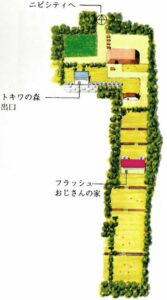 Route 2
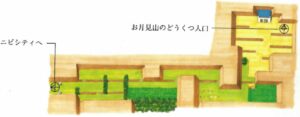 Route 3
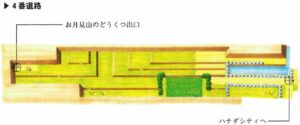 Route 4
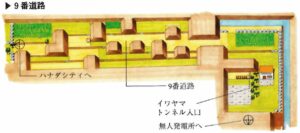 Route 9
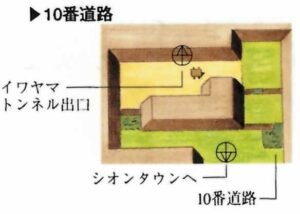 Route 10
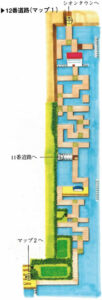 Route 12
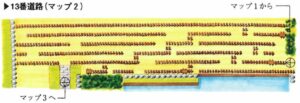 Route 13
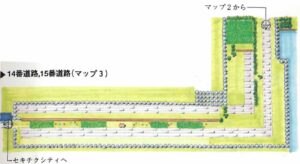 Routes 14 and 15
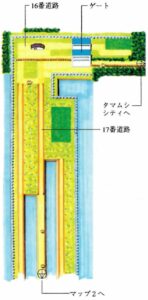 Route 16
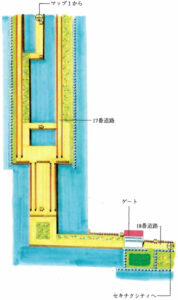 Route 17
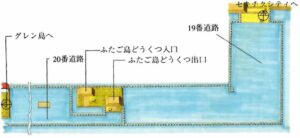 Route 19
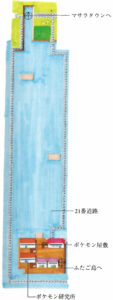 Route 21
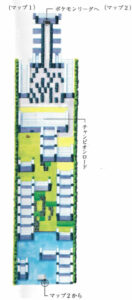 Route 23
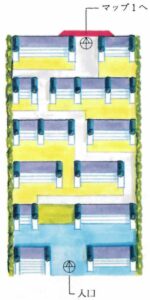 Route 23 (continued)
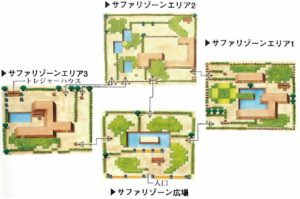 Safari Zone
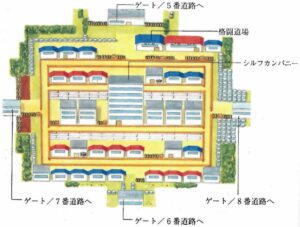 Saffron City map
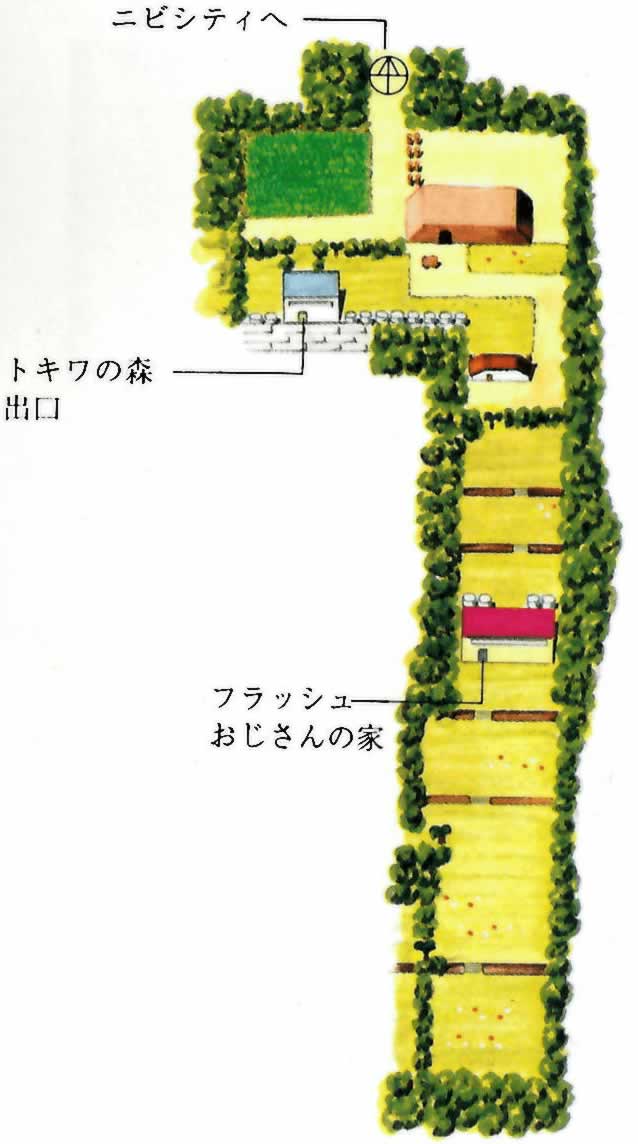
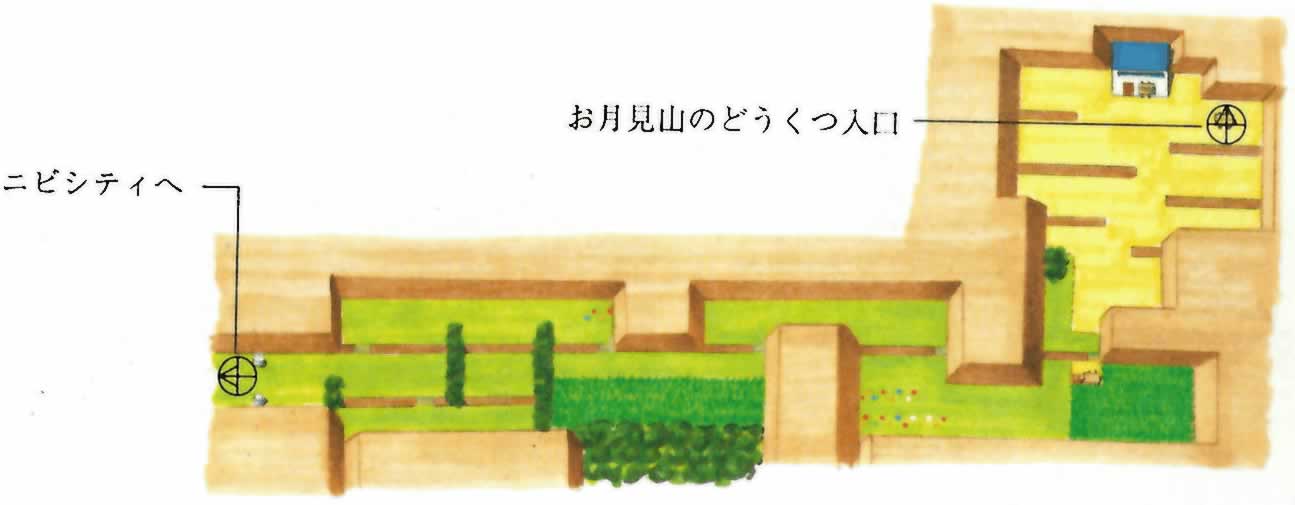
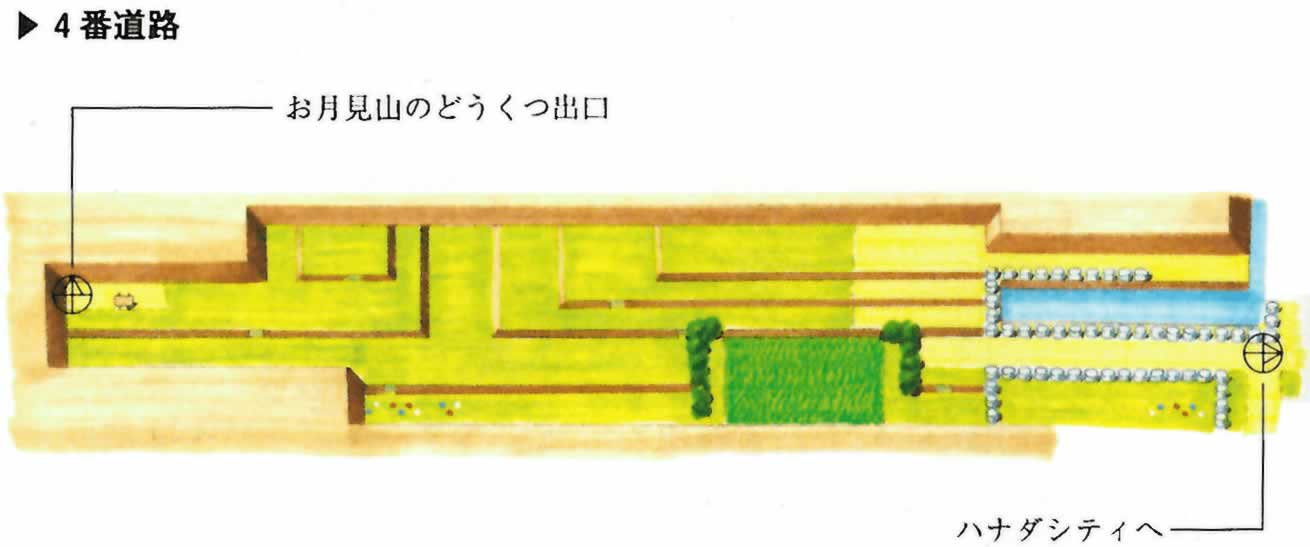
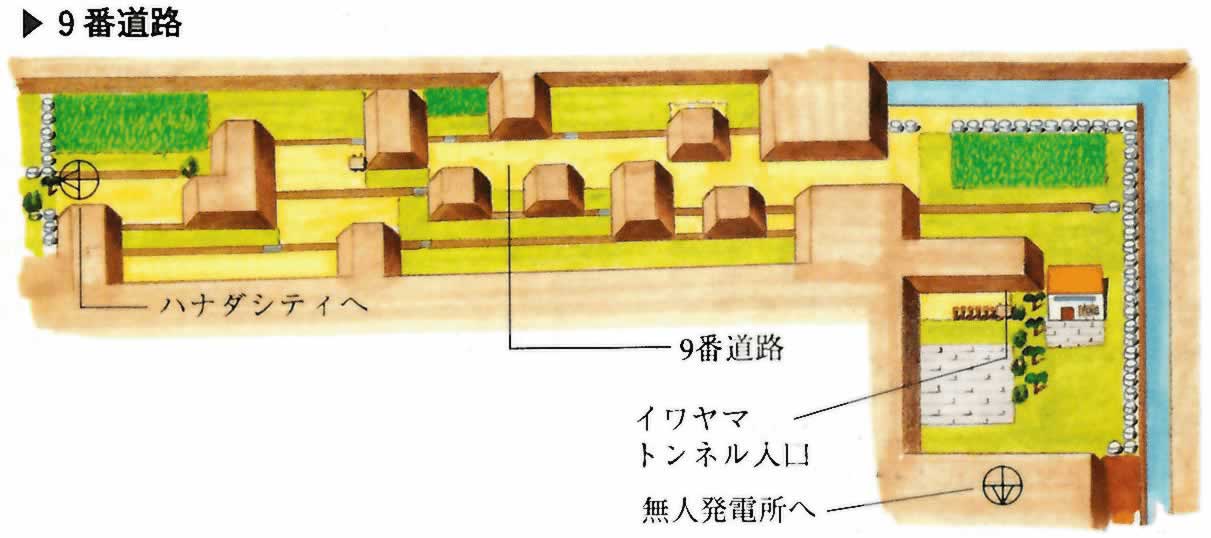
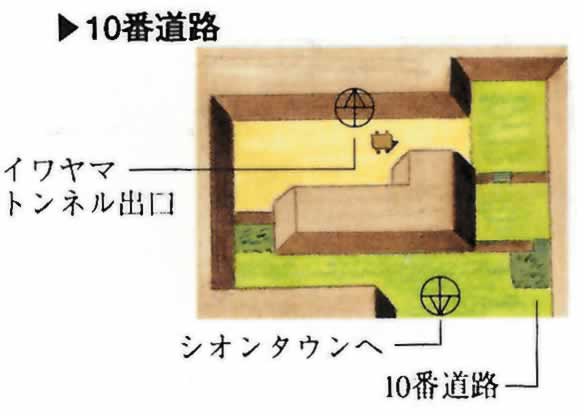
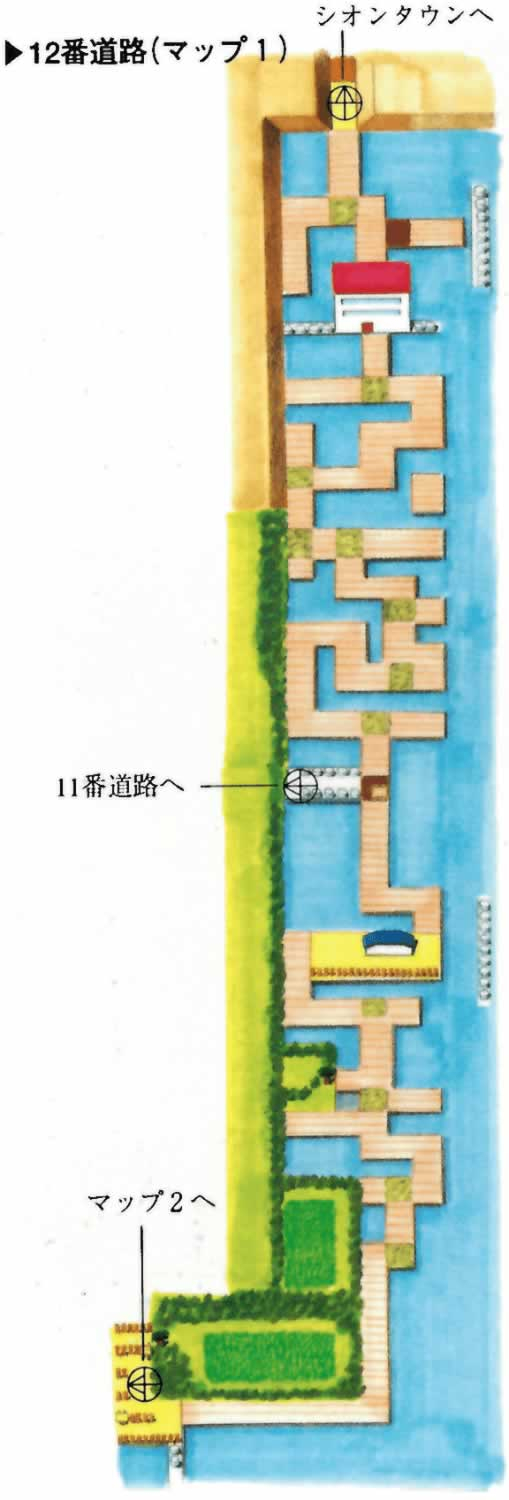
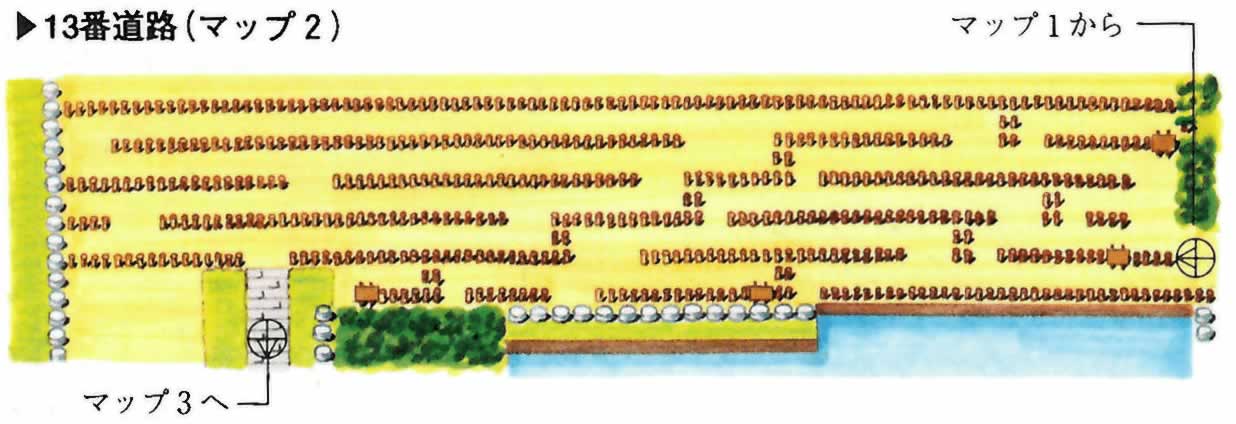
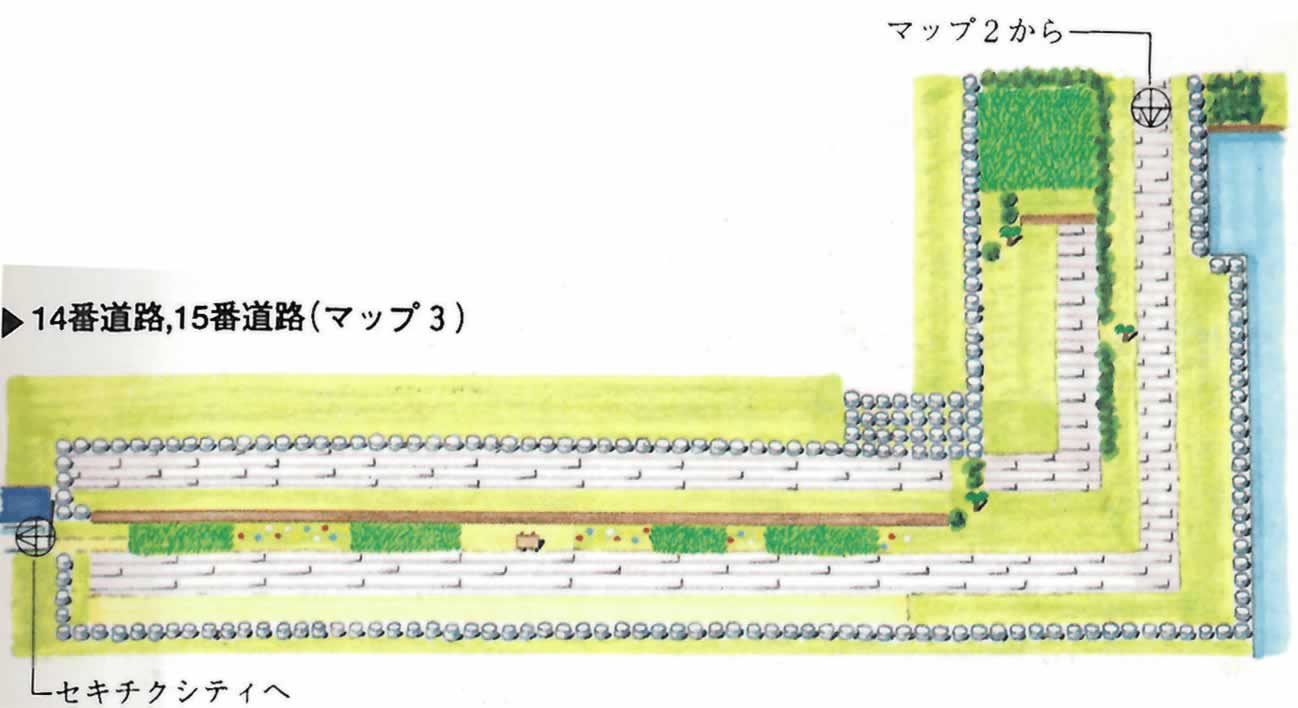
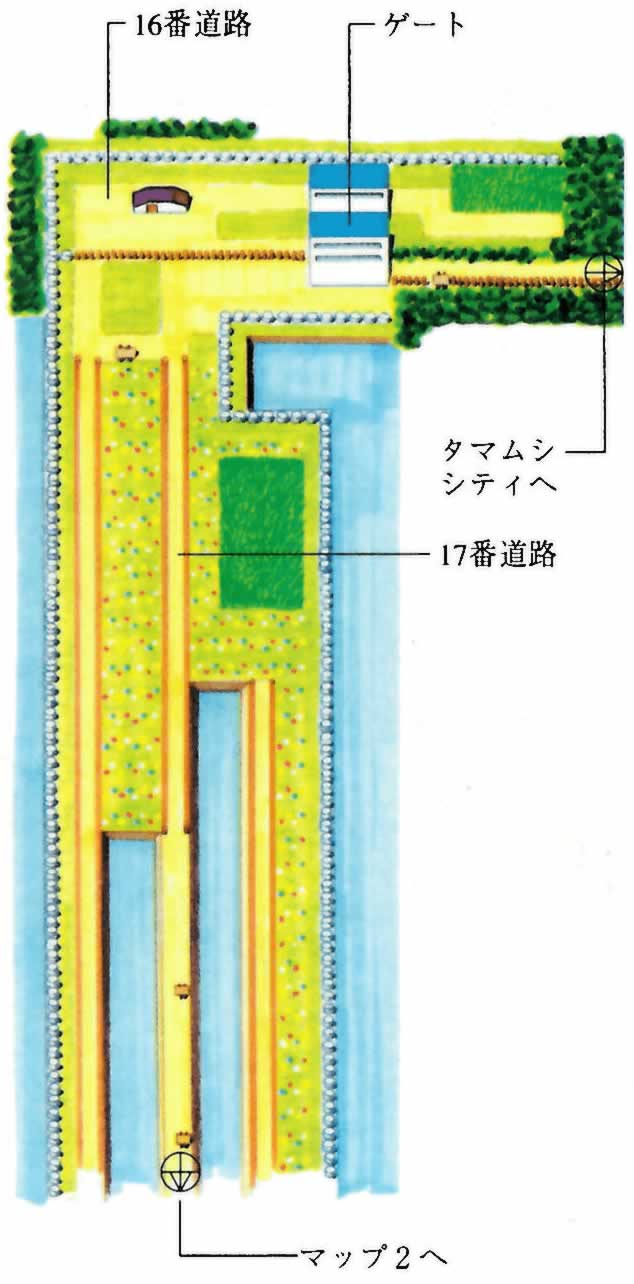
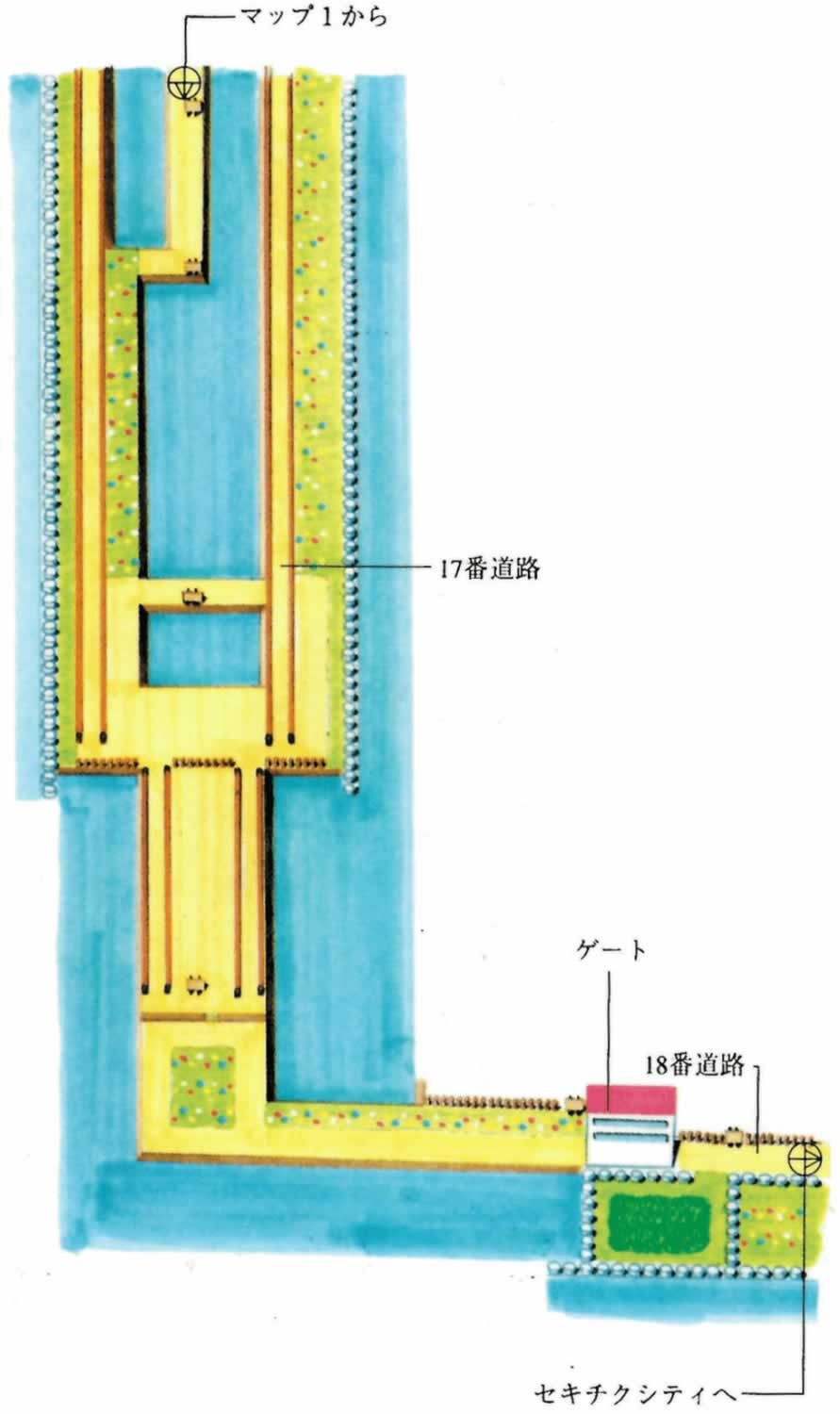
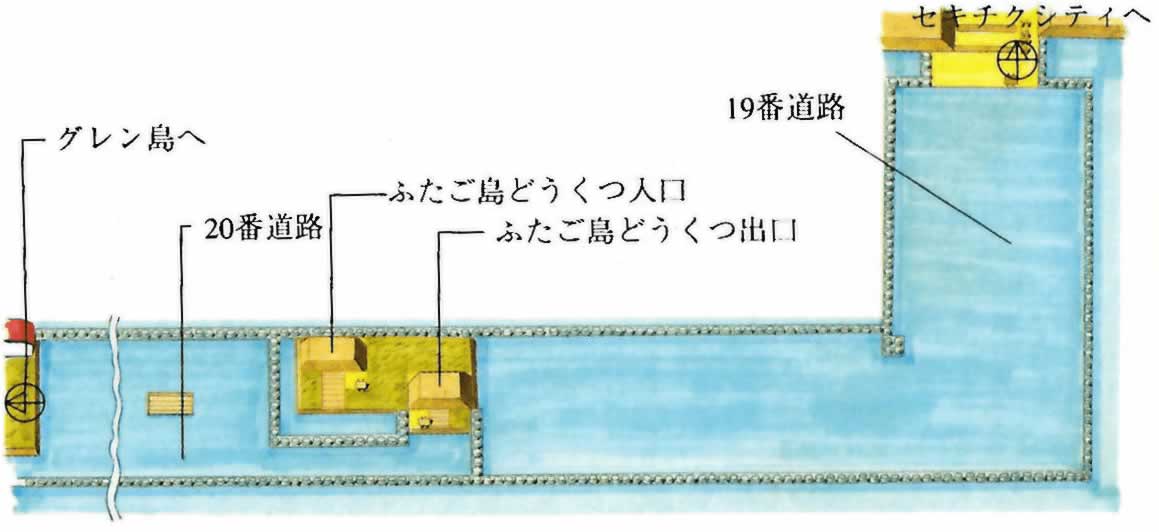
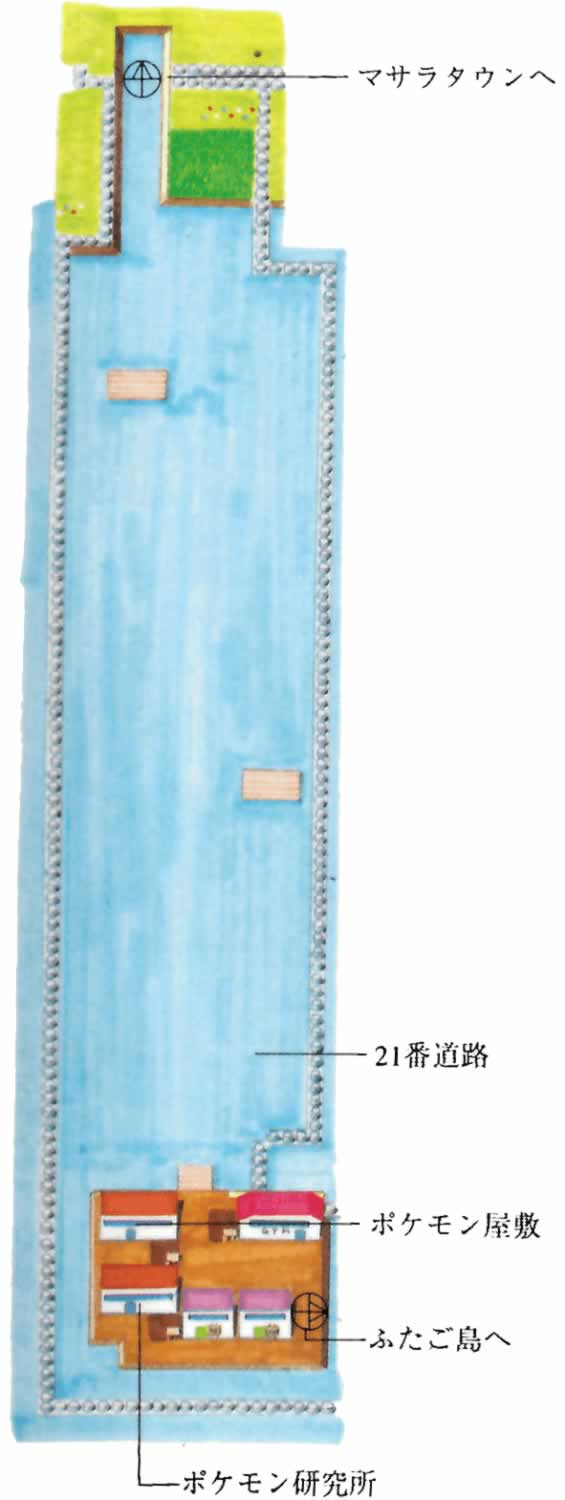
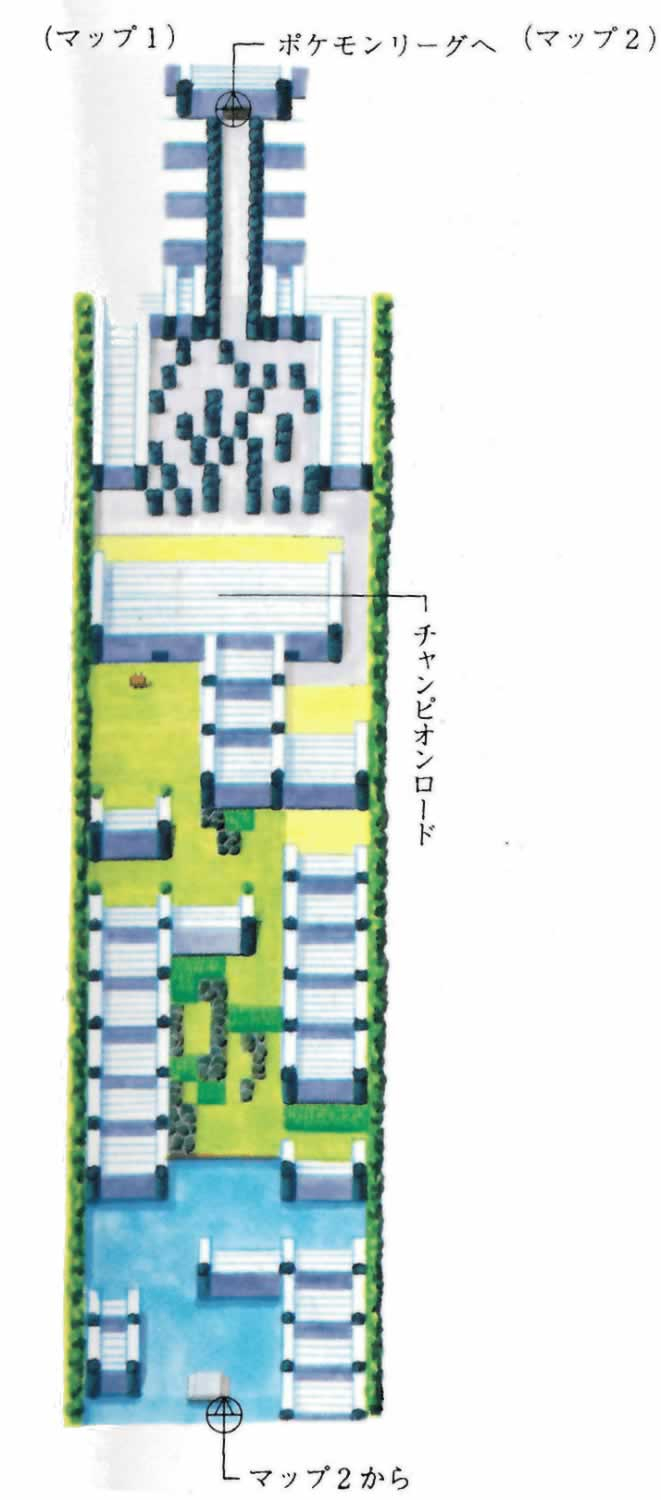
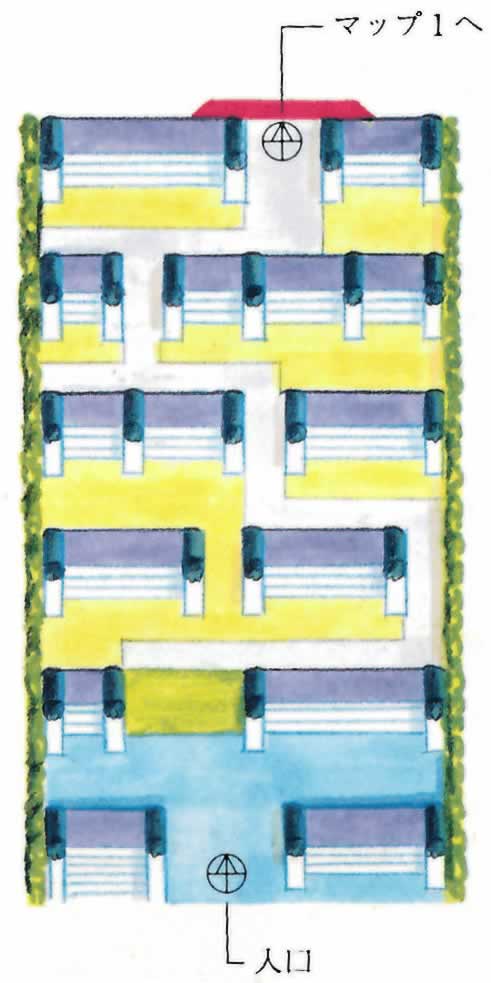
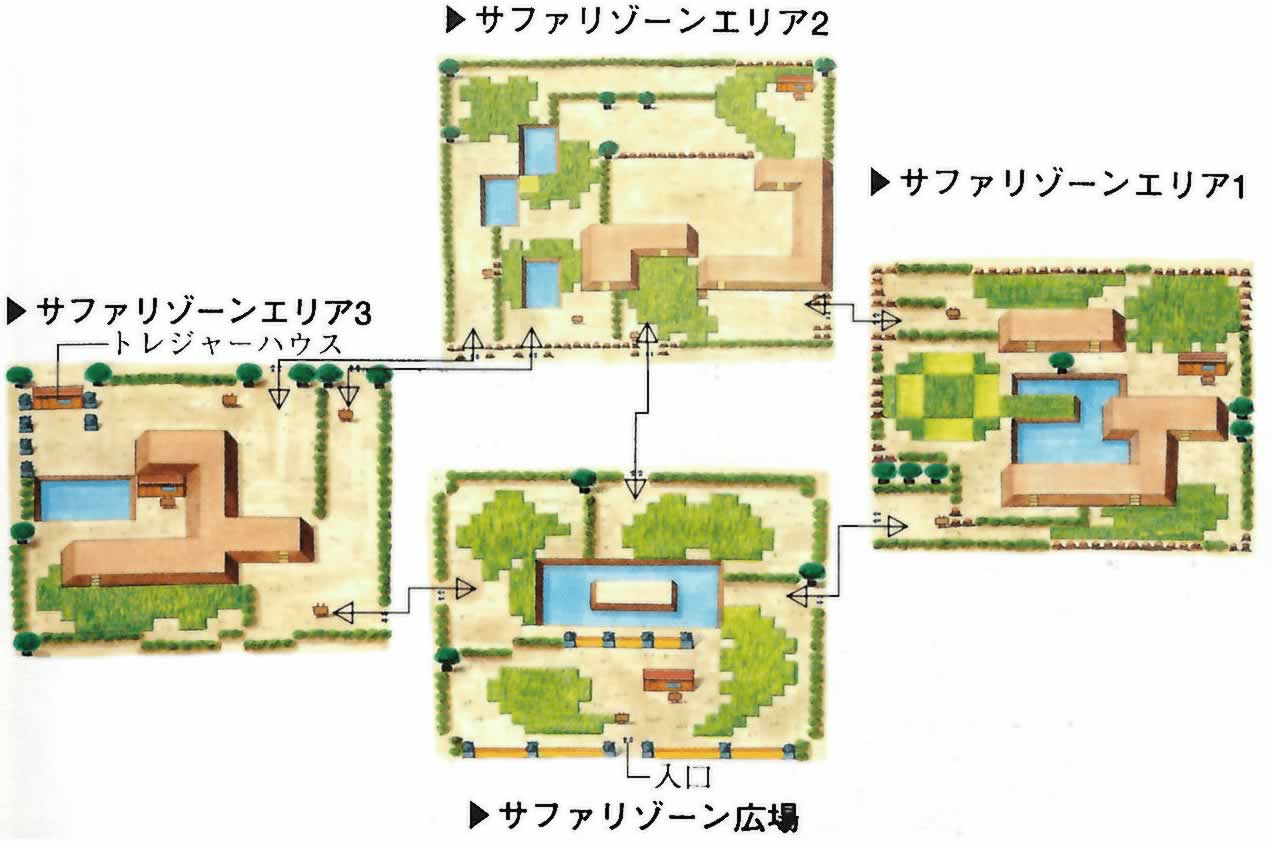
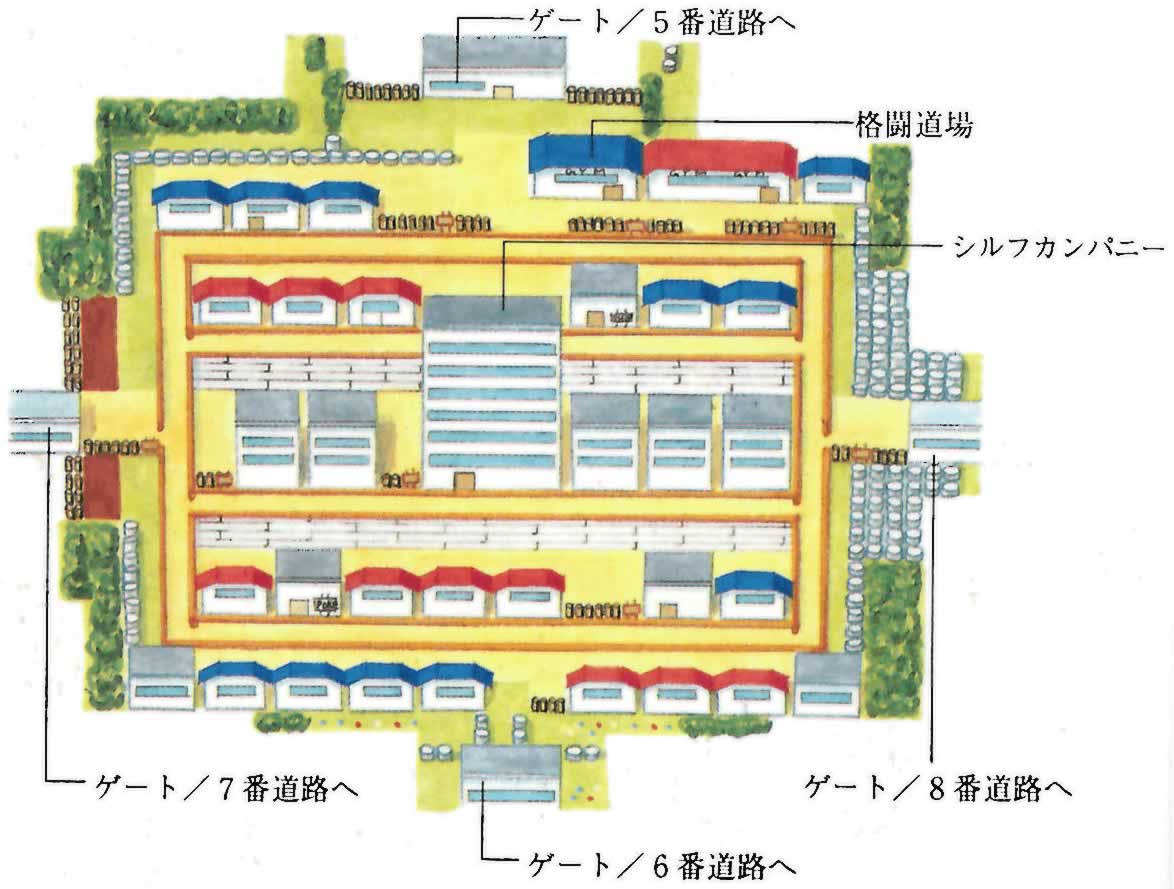
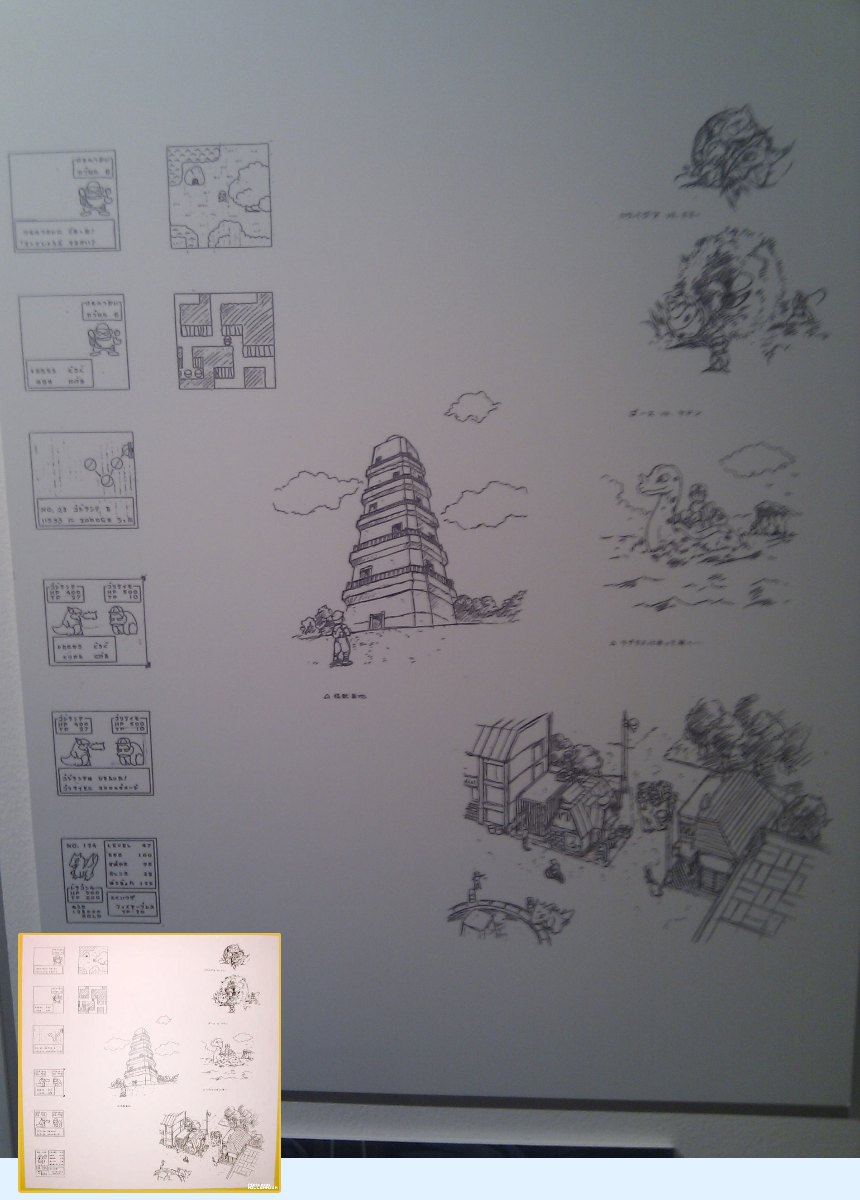
The maps are part of the official artwork by Ken Sugimori.
Characters
The main cast
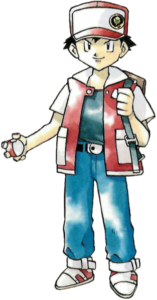
Red
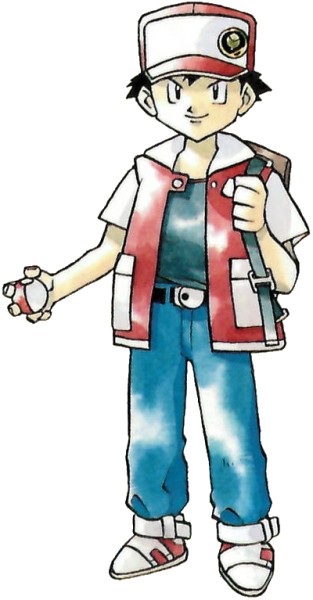
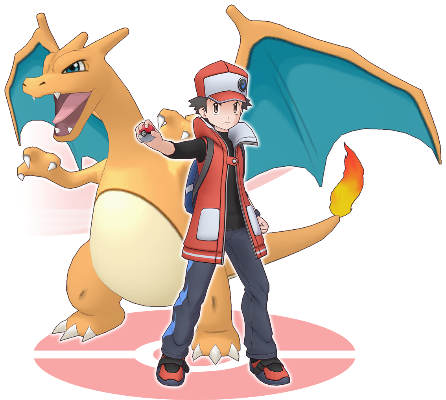
Red is the silent player character (Japanese レッド, Reddo). In Pokémon Red he is called Red by default, with Ash and Jack as the other preset names; in Pokémon Blue the defaults switch to Blue, Gary and John. Ken Sugimori’s design (red-and-white cap, sleeveless jacket, jeans) became the model for every Pokémon hero since. He beats eight Gym Leaders, breaks up Team Rocket and takes the Champion title from his rival. Gold, Silver and Crystal show what he did next: he waits silently on the summit of Mt. Silver as the hidden final opponent, saying nothing but an ellipsis, with a level 81 Pikachu leading his team (level 88 in HeartGold and SoulSilver). He later appears in Sun and Moon’s Battle Tree and in Let’s Go. His counterparts include Ash Ketchum in the anime, Red in the Pokémon Adventures manga and Pokémon Origins, and the Pokémon Trainer fighter in Super Smash Bros. Brawl and Ultimate.

Blue, your rival
Professor Oak’s grandson is the rival of the original games. In Red his default name is Blue (Gary and John are the alternatives), and in Blue it is Red. His Japanese name is Green (グリーン), carried over from Red and Green. He always picks the starter that has the type advantage over yours, then follows you across Kanto, battling you in Oak’s lab, on Route 22, at Nugget Bridge, aboard the S.S. Anne, in Pokémon Tower, inside Silph Co. and on Route 22 again before Victory Road. He reaches the Pokémon League first and becomes Champion minutes before you arrive, which makes him the game’s final opponent. After you win, Oak tells him off for not treating his Pokémon with trust and love. Three years later, in Gold and Silver, he runs the Viridian Gym in Giovanni’s place. The anime turned him into Gary Oak, while Pokémon Origins and the Adventures manga keep him closer to the game.
Champion team if you chose Bulbasaur (he has Charmander): Pidgeot 61, Alakazam 59, Rhydon 61, Exeggutor 61, Gyarados 63, Charizard 65. If you chose Charmander (he has Squirtle): Pidgeot 61, Alakazam 59, Rhydon 61, Arcanine 61, Exeggutor 63, Blastoise 65. If you chose Squirtle (he has Bulbasaur): Pidgeot 61, Alakazam 59, Rhydon 61, Gyarados 61, Arcanine 63, Venusaur 65.
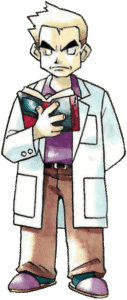
Professor Oak
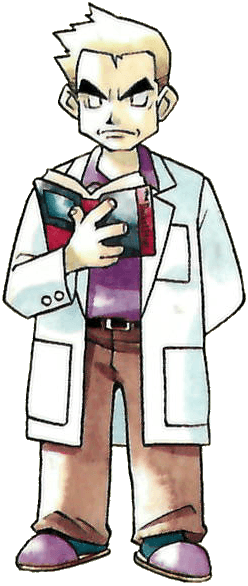
Professor Samuel Oak (Japanese: Ōkido Yukinari) is Kanto’s leading Pokémon researcher and the first character you meet. In the opening he introduces the world of Pokémon with a Nidorino, then asks for your name and, famously, for help remembering his own grandson’s. When you try to walk into Route 1’s tall grass without a Pokémon, he stops you and offers a choice of three starters. Later he asks you to fill the Pokédex and rates your progress whenever you visit him or log on to his PC at a Pokémon Center. His aides around Kanto give out HMs and items once you’ve caught enough species. In Gold and Silver he hosts a radio show. In Japan he was voiced by Unshō Ishizuka in the anime until Ishizuka’s death in 2018.
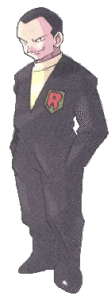
Giovanni
Giovanni (Japanese: Sakaki) leads Team Rocket and also runs the Viridian City Gym. You meet him three times. The first is under the Celadon Game Corner, where the Rocket Hideout’s lift leads to his office. The second is at the top of Silph Co., which he is trying to seize. The third is as the eighth Gym Leader, with a Ground team led by a level 50 Rhydon. After that last defeat he announces that Team Rocket is finished and leaves to train alone. In Gold and Silver, what’s left of the gang tries to call him back over the radio. HeartGold and SoulSilver show him in a time-travel episode with Celebi, and Ultra Sun and Ultra Moon make him head of Team Rainbow Rocket. In the First Movie he funds the creation of Mewtwo.
Team Rocket
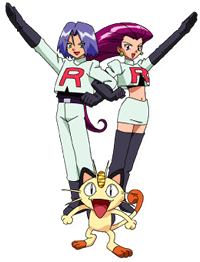
Much like in the real world every region of the Pokémon World has its problems and in the Kanto region that problem is Team Rocket. Stealing Pokémon from trainers and raffling them off as prizes in their Rocket Game Corner in Celadon City. But what of the noble leader of Celadon gym, is Erika taking a bribe? Who knows! But she doesn’t intervene so it’s up to us to sort it on our journey!
But Team Rocket doesn’t stop there; they’re also desecrating the ruins of Mt. Moon in their frantic search for the fossils of ancient Pokémon with the sole motive of selling them off at a profit. They have even been known to break into the homes of those with items of interest to them such as TMs and HMs.
It’s even reported that Team Rocket have been involved in taking hostages and stealing Cubone skulls in Lavender Town, even killing a Marowak in the process. It goes without saying that the responsibility for routing these guys from their strongholds, saving people and Pokémon from their sinister deeds falls to us, the trainers. Don’t underestimate them, these guys are truly bad, not like the endearing version of bad presented by Jessie, James and Meowth in the Anime.
Gym Leaders
Pokémon Red and Blue introduce the first eight Pokémon Gyms of the series. Each gym is led by a tougher than average trainer who specialises in a specific type of Pokémon.
The badge route – the order the game expects, with the ace Pokémon, a sensible team level and the TM each leader hands over:
- Boulder BadgeBrock · Pewter CityRock · ace Onix Lv. 14Aim for Lv. 12–15 · TM34 Bide
- Cascade BadgeMisty · Cerulean CityWater · ace Starmie Lv. 21Aim for Lv. 18–22 · TM11 BubbleBeam
- Thunder BadgeLt. Surge · Vermilion CityElectric · ace Raichu Lv. 24Aim for Lv. 22–26 · TM24 Thunderbolt
- Rainbow BadgeErika · Celadon CityGrass · ace Vileplume Lv. 29Aim for Lv. 28–32 · TM21 Mega Drain
- Soul BadgeKoga · Fuchsia CityPoison · ace Weezing Lv. 43Aim for Lv. 38–43 · TM06 Toxic
- Marsh BadgeSabrina · Saffron CityPsychic · ace Alakazam Lv. 43Aim for Lv. 40–45 · TM46 Psywave
- Volcano BadgeBlaine · Cinnabar IslandFire · ace Arcanine Lv. 47Aim for Lv. 42–47 · TM38 Fire Blast
- Earth BadgeGiovanni · Viridian CityGround · ace Rhydon Lv. 50Aim for Lv. 45–50 · TM27 Fissure
The eight Gym Leaders
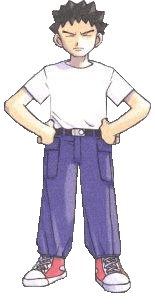
Brock
Brock is the leader of the Pewter City Gym and specialises in Rock type Pokémon. His team includes a Geodude Lv.12 and Onix Lv. 14. If you can overcome Brock’s rock hard will, you will earn yourself a Boulder Badge.
“My rock-hard willpower is evident in even my Pokémon. My Pokémon are all rock hard and have true-grit determination. That’s right – my Pokémon are all the Rock type!” – Brock
Japanese name Takeshi. In the anime he travels with Ash for years as an aspiring Pokémon Breeder and later trains as a Pokémon Doctor. He is still Pewter City’s Gym Leader in Gold, Silver and Crystal.

Misty
Misty “The Tomboyish Mermaid” leads the Cerulean Gym and is well known to be an enthusiastic Water Pokémon trainer. You’ll have to defeat her Staryu Lv.18 and Starmie Lv. 21 to win her Cascade Badge.
“My policy is an all-out offensive with Water-type Pokémon!” – Misty
Japanese name Kasumi. In the anime she follows Ash because his Pikachu wrecked her bicycle, and she travels with him through Kanto, the Orange Islands and Johto. She is still the Cerulean Gym Leader in Generation II.

Lt. Surge
The Vermilion City Gym is led by Lt. Surge: a veteran of the military, generally imposing figure and strong trainer of Electric types. His team includes a Voltorb Lv.21, Pikachu Lv.18 and Raichu Lv.24. Defeat him to obtain the Thunder Badge.
“I tell you, kid, electric Pokémon saved me during the war!” – Lt. Surge
Japanese name Matis. He calls himself the Lightning American. In the anime episode Electric Shock Showdown his Raichu flattens Ash’s Pikachu, who refuses a Thunder Stone and wins the rematch on speed alone.
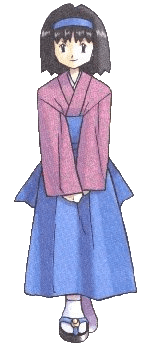
Erika
The fourth gym leader you will face is Erika of the Celadon Gym in Celadon City. She’s a kind hearted and calm young trainer who specialises in Grass type Pokémon. Her team consists of a Victreebel Lv.29, Tangela Lv. 24 and Vileplume Lv. 29.
“I am a student of the art of flower arranging. My Pokémon are solely of the Grass type.” – Erika
Japanese name Erika. Her Gym is a greenhouse run almost entirely by women trainers, and Celadon’s perfume shop is part of her story in the anime episode Pokémon Scent-sation!, where Ash sneaks into the Gym in disguise.
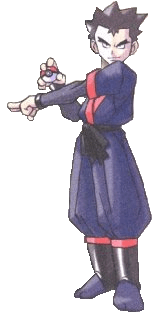
Koga
Koga was the original leader of the Fuchsia City Gym. This formidable adversary is an astute student of ninjutsu and a strong trainer of Poison type Pokémon. His team consists of 2x Koffing Lv.37, 1x Lv.39 Muk and a Weezing Lv.43. Once beaten Koga will grant you the Soul Badge. As you leave Koga’s gym you have the feeling you haven’t seen the last of him.
“Despair to the creeping horror of Poison-type Pokémon!” – Koga
Japanese name Kyō. He is a ninja master whose Gym is full of invisible walls. In Gold and Silver he joins the Elite Four, and his daughter Janine (Japanese Anzu) takes over the Fuchsia Gym.
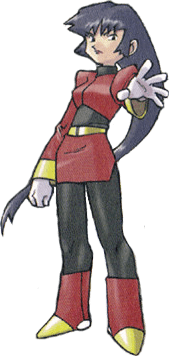
Sabrina
Sabrina is the leader of the Saffron Gym in Saffron City. Having had powerful psychic abilities from a young age Sabrina is naturally a powerful master of Psychic type Pokémon. She can even communicate with her team via telekinesis. Her Pokémon consist of: a Kadabra Lv. 38, Mr. Mime Lv. 37, Venomoth Lv.38 and an Alakazam Lv.43. Given the potency of Psychic type Pokémon in the early games she is one of the tougher gym leaders. Once beaten she will award you the Marsh Badge.
“I have had psychic powers since I was a child. It started when a spoon I carelessly tossed, bent.” – Sabrina
Japanese name Natsume. The anime gives her frightening psychic powers and a creepy doll. Ash wins her badge after his Haunter makes her laugh, not by winning a battle.

Blaine
The penultimate gym leader you will face in Red & Blue is Blaine, the leader of the Cinnabar Gym on Cinnabar Island. Blaine is well known for being a very intelligent and knowledgeable trainer as well as for his mastery of Fire types. His team consists of Growlithe Lv. 42, Ponyta Lv. 40, Rapidash Lv. 42 and Arcanine Lv.47. Defeat him to win a Volcano Badge.
“My fiery Pokémon are all rough and ready with intense heat! They incinerate all challengers!” – Blaine
Japanese name Katsura. He tests challengers with quizzes. By Gold and Silver a volcanic eruption has destroyed Cinnabar’s Gym, so he battles from a cave in the Seafoam Islands.
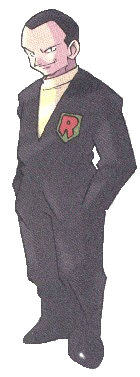
Giovanni
As you arrive at the Viridian Gym for your final challenge you find that you have to face none other than the boss of Team Rocket, Giovanni. A sinister figure specialising in powerful Ground type Pokémon. He has a team of 5 Pokémon including Rhyhorn Lv. 45, Dugtrio Lv. 42, Nidoqueen Lv. 44, Nidoking Lv. 45 and Rhydon Lv.50. Leave your Electric types at the door! Defeating Giovanni will earn you an Earth Badge.
“Welcome to my hideout! It shall be so until I can restore Team Rocket to its former glory.” – Giovanni
Japanese name Sakaki. He is the only Gym Leader who is also a villain, and his Gym is the last one to unlock. The Let’s Go games and Ultra Sun and Ultra Moon bring him back.
The Elite Four & the Champion
After defeating the eight gym leaders and collecting all of their badges you earn the right to take on the Elite Four. The Elite Four of the Kanto region lie in wait for challengers at the Indigo Plateau. They are more powerful than any of the gym leaders you faced on your adventure so far… presumably the Elite Four were once gym leaders themselves although that’s just my own speculation. Here’s who you will face, in order:-
The Elite Four
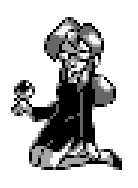
Lorelei
A master of Ice type Pokémon. Her Pokémon include: Dewgong Lv.54, Cloyster Lv. 53, Slowbro Lv.54, Jynx Lv.56 and Lapras Lv.56. Interestingly Slowbro isn’t Ice type and her Slowbro doesn’t have any Ice type moves.
“No one can best me when it comes to icy Pokémon.” – Lorelei
Japanese name Kanna. She specialises in Ice, with a team of Dewgong, Cloyster, Slowbro, Jynx and Lapras (Lv. 56). FireRed and LeafGreen show her home on Four Island in the Sevii Islands.
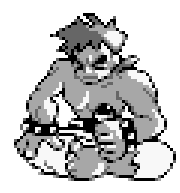
Bruno
A master of Fighting type Pokémon. Bruno values strength above all else which sort of explains the composition of his team which includes an Onix Lv.53, Hitmonchan Lv.55, Hitmonlee Lv.55, Onix Lv.56 and Machamp Lv. 58. It is said that Bruno joined the Elite Four out of his desire to battle the strongest trainers.
“I’ve lived and trained with my fighting Pokémon.” – Bruno
Japanese name Shiba. A Fighting specialist who also brings two Onix, ending with Machamp (Lv. 58). He is the only Kanto Elite Four member still in the League in Gold and Silver.
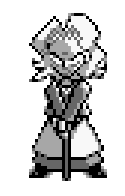
Agatha
A master of Ghost type Pokémon. Her team consists of a Gengar Lv. 56, Golbat Lv. 56, Haunter Lv. 55, Arbok Lv.58 and Gengar Lv.60. It is rumoured that Agatha was once a major rival of Professor Oak when they were both starting out as trainers.. and she certainly has few kind words to say about him even to this day.
“Agatha’s Ghost-type Pokémon are horrifically terrifying in toughness.” – Agatha
Japanese name Kikuko. She was Professor Oak’s rival when they were young and calls him a has-been. The only Ghost Pokémon in Generation I were the Gastly family, so she fills out her team with Golbat and Arbok before her Gengar (Lv. 60). Koga replaces her in Gold and Silver.
Lance
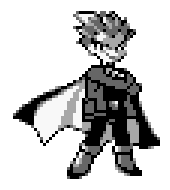
The final member and leader of the Elite Four in Kanto and master of Dragon type Pokémon. His team consists of Gyarados Lv.58, Dragonair Lv.56, Dragonair Lv.56, Aerodactyl Lv.60 and Dragonite Lv. 62. As well as being one of the toughest trainers in the world of Pokémon, Lance is also famed for his unmatched collection of capes.
“You know that dragons are mythical Pokémon. They’re hard to catch and raise, but their powers are superior. They’re virtually indestructible. There’s no being clever with them.” – Lance
Japanese name Wataru. A dragon master whose team includes Gyarados and Aerodactyl, because Dratini’s family were the only Dragon types. He ends with Dragonite (Lv. 62). In Gold and Silver he is the Champion.
Having pushed your Pokémon to the limit as you battled your way through the Elite Four one final challenge lies ahead…. a showdown with the Pokémon Champion of Kanto themselves. But who could it be? It’s none other than your Rival from Pallet Town! As you already know at this point this match won’t be like a gym leader or member of the Elite Four… as your rival has no specialisation and has a balanced team of strong Pokémon.
Glitches, myths and Twitch Plays Pokémon
No games have a richer folklore than Red and Blue. Some of it is real and exploitable, some of it is pure playground legend, and one chapter of it was written live by a million strangers.
MissingNo. and the Old Man glitch

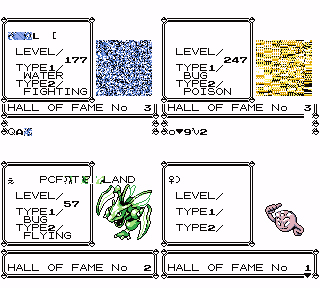
MissingNo. (short for Missing Number) is the most famous glitch in Red and Blue. Talk to the old man in Viridian City and let him show you how to catch a Weedle. While he does, the game stores your player name in the memory it normally uses for the area’s list of wild Pokémon. Fly to Cinnabar Island and surf up and down its east coast. The shoreline tiles count as grass, but Cinnabar has no grass list of its own, so the game reads the leftover letters of your name as Pokémon. Depending on your name you meet MissingNo., the glitch ‘M (00) or unusually high-level ordinary Pokémon. Simply encountering MissingNo. adds 128 to the sixth item in your Bag, which is how a generation of players stocked up on Rare Candies and Master Balls. The side effects are real but limited: scrambled sprites and garbled Hall of Fame graphics. Nintendo’s customer-service FAQ called it a programming quirk and told players to release it, but stories of wiped saves are mostly myth.
The Mew glitch

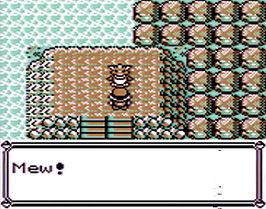
The Mew glitch gets you a wild Mew without an event, using nothing but trainer battles and Fly. In the standard method you stand just below the Route 8 Gambler near the Underground Path entrance and take one step while holding Start, so the menu opens before he spots you. Then you Fly to Cerulean City. With the Start button now not working, you walk to Route 25 and battle the Youngster whose Slowpoke has a Special stat of 21. When you return to Route 8 the menu opens by itself, and closing it starts a battle with a level 7 Mew. The wild Pokémon you get depends on the Special stat of the last Pokémon you fought, so other trainers lead to other species. Bulbapedia traces the first report to a JesseWorld cheat post dated 31 May 2002.
The truck and the S.S. Anne
A lone pickup truck sits at the end of the dock where the S.S. Anne berths, and in normal play nobody can reach it: the ship sails once you leave it with HM01 Cut, and the dock is then closed. Playground rumour said Strength would push the truck aside to reveal Mew. Players who got there, by trading in a Pokémon that already knew Surf or by leaving the ship without walking off it, found nothing. It is pure scenery. FireRed and LeafGreen played along with the legend by hiding an item beside it.
Lavender Town
Lavender Town’s theme, composed by Junichi Masuda, really is unsettling: a looping, high-pitched square-wave melody for a town built around a seven-storey Pokémon graveyard. Around 2010, an internet creepypasta called Lavender Town Syndrome claimed that the 1996 Japanese version of the music used frequencies only children could hear, and that it drove about a hundred of them to illness or suicide. There is no record of any such deaths and no news coverage from the time. The story is fiction built on top of a genuinely eerie piece of music, and the site should present it that way.
Glitch City and the Safari Zone
Glitch City is a scrambled map you can reach by abusing the Safari Zone’s step counter. Trick the game into letting you leave the zone while the 500-step counter is still running, then walk into another area and let it reach zero. The game tries to send you back to the Safari Zone gate using the wrong map’s data, and drops you into a garbled maze of mismatched tiles. Fly or Dig gets you out, but saving there without either can leave you stuck for good.
Twitch Plays Pokémon

On 12 February 2014, an anonymous Australian programmer hooked Pokémon Red up to a Twitch chat, so every viewer’s typed command (up, down, A, Start) moved the hero. The result was chaos: the player spun in circles, opened menus at random and released Pokémon by accident. The worst case was Bloody Sunday on 23 February, when about a dozen were lost while trying to withdraw a Zapdos. A Democracy mode, added on 18 February to get past the Rocket Hideout’s arrow tiles, let viewers vote on each command instead. The community turned the constantly selected Helix Fossil into a joke religion, Lord Helix, and nicknamed its star Pidgeot Bird Jesus. The run reached the Hall of Fame on 1 March after 16 days, 7 hours and 50 minutes. Twitch estimated more than 1.16 million participants, and Guinness recognised 1,165,140 as the most users to input commands in a live-streamed video game.
Speedrunning
Red and Blue are among the most popular games on speedrun.com. In any% glitchless, pokeguy set a time of 1:44:03 in January 2023. Jadiwi’s 1:43:52 from December 2023 was removed in January 2024 when he was banned for cheating. The leaderboard now lists SlNNED’s 1:43:40 as the fastest glitchless run. Glitched categories, which use save corruption and memory manipulation, finish in a small fraction of that time.
Videos & media
Check out these videos relating to Pokémon Red and Blue versions. The videos include TV commercials, trailers and an info video about how the idea behind Pokémon was conceived.
TV commercials for Pokémon Red and Blue.
The story of the conception of Pokémon and Satoshi Tajiri.
The trailer for Pokémon Red, Blue and Yellow versions when they re-released on the 3DS eShop.
Some unused music found in the games’ files. The first track is damaged and doesn’t sound the best; the second track is a fan restored version of what we believe it SHOULD have sounded like.
Trivia & facts
- It was revealed on Ken Sugimori’s twitter account that Brock was originally intended to be the second gym leader with a Youngster as the first.
-

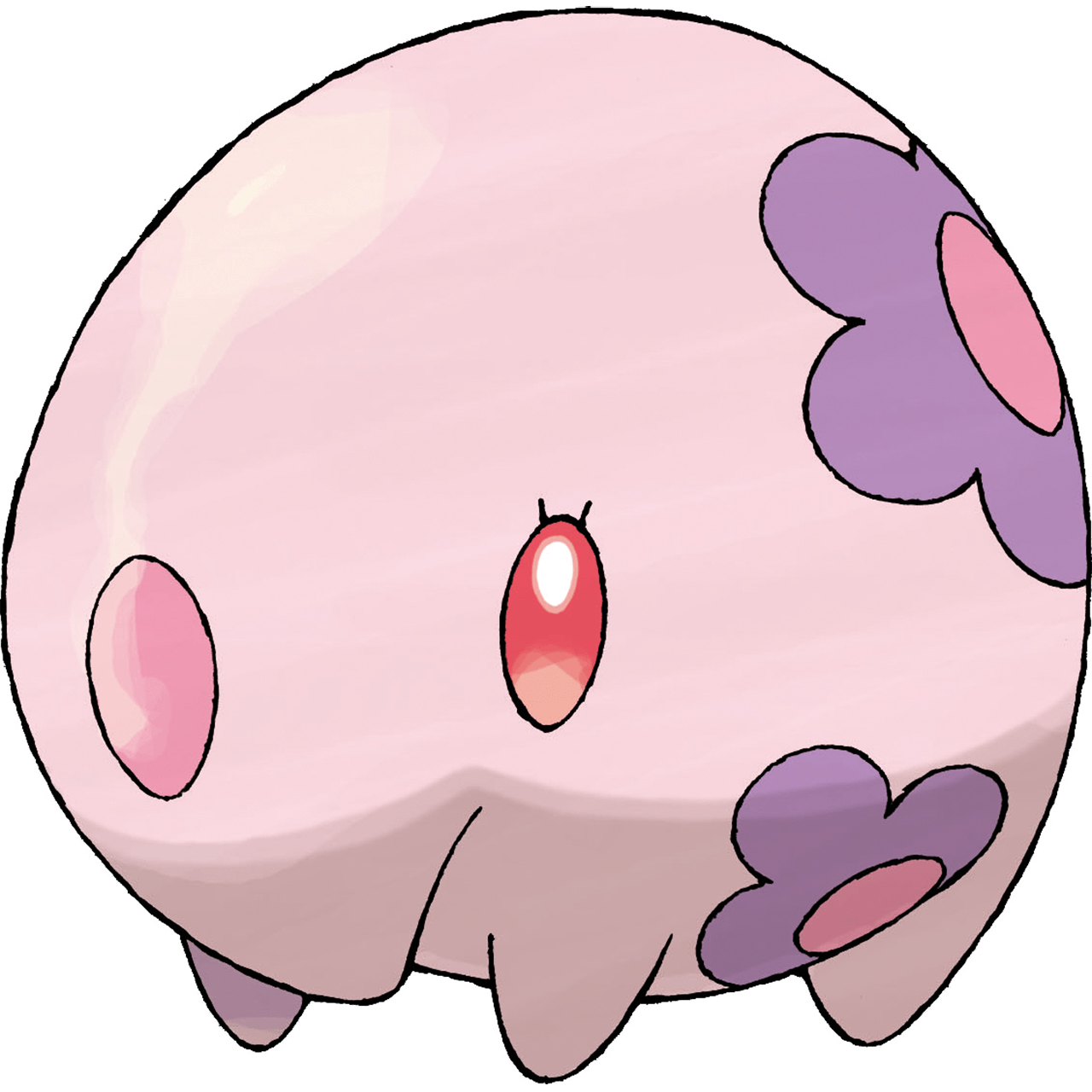
Munna: the pink Pokémon with the floral pattern that picnicker Coral seems to describe on Route 10. If you speak to picnicker Coral on route 10 she says “The Pokémon here are so chunky! There should be a pink one with a floral pattern.” – This is a pretty close description to Munna who wasn’t discovered until over a decade later in Black & White’s Unova region. Had they had it planned all that time?
- Lance has a Dragonite which can use Barrier…. but Dragonite can’t learn Barrier via any known conventional means.
- There are only 37 Pokémon cry sound files in the games, despite there being 151 Pokémon. These 37 sounds are sped up, slowed down and have the pitch altered to make each Pokémon’s sound unique.
- In the beta version of these titles Cubone was known as Orphon. A play on the word Orphan and the fact that this species of Pokémon are abandoned at birth.
- The international versions of Red and Blue are based on the Japanese version of Blue which featured improved graphics, sounds and some common bug fixes over the original Japanese releases.
- When Game Freak approached Nintendo saying they wanted to develop the games Nintendo rejected the idea several times. It was only later on when Shigeru Miyamoto eventually took interest in the project that it went ahead.
- The names of the characters in the original coding for Pokémon Red and Blue were Ninten and Sony. Presumably testament to the Nintendo vs. Sony rivalry in the videogame industry.
- Charizard was unable to fly in Pokémon Red & Blue.
- There was supposed to be a female trainer as well as the male trainers Red and Blue but due to technical / hardware restrictions she did not make it to the final release. Despite this she does appear on both the official artwork and the games’ strategy guides.
- There is a NES in Copycat’s bedroom and if you interact with it it says it’s a game where Mario has a bucket on his head which can only be a direct reference to Mario & Wario (Japan only).
-
Professor Oak’s unused battle is still in the code. A battle with Professor Oak is programmed into these games but wasn’t included in the final release version. You can still battle Professor Oak by using GameShark. Professor Oak’s team will include the starter Pokémon neither you nor your rival chose, in its final evolved form at level 69 as well as an Arcanine lvl68, Exeggutor lvl67, Tauros lvl66 and a lvl70 Gyarados.
- On 27 May 2000, Kent’s Bluewater shopping centre renamed itself Mewwater for the day while giving Mew to UK players.
- Six Voltorb and two Electrode in the Power Plant are disguised as item Poké Balls and attack players who try to pick them up.
- MissingNo. has the unused Bird type alongside Normal, a leftover type that otherwise appears only on glitch Pokémon.
- Japanese players call the Mew glitch the fifth method, a name that comes from a post on the 2channel forum.
- The Japanese games can’t agree on Cerulean Cave’s name: the Town Map calls it the Nameless Cave, while people in Cerulean call it Hanada Cave.
Legacy
Remakes and re-releases
- Pokémon Yellow – 12 September 1998. Third version (Japan); North America 18 October 1999, Europe 16 June 2000
- Nintendo 3DS Virtual Console – 27 February 2016. 20th anniversary; Poké Transporter to Sun/Moon; can’t be bought since the 3DS eShop closed on 27 March 2023 (re-downloads still work); 1.5 million sold by 31 March 2016
- Nintendo 2DS special editions – 27 February 2016. Translucent red, blue and yellow 2DS consoles sold with the matching Virtual Console game pre-installed
- Pokémon FireRed & LeafGreen (remakes) – 29 January 2004. Game Boy Advance; about 12 million sold
- Pokémon: Let’s Go, Pikachu! & Eevee! – 16 November 2018. reimagining of Yellow; over 13 million sold combined
- FireRed & LeafGreen on Nintendo Switch eShop – 27 February 2026. Pokémon Day; £16.99 / $19.99 each, sold separately and not part of Nintendo Switch Online; runs on Switch and Switch 2 (VGC)
Where to play Red & Blue today
As of October 2026, Red and Blue themselves are not sold on Nintendo Switch and are not part of Nintendo Switch Online. The original cartridges still work on any Game Boy, Game Boy Color or Game Boy Advance, though many old save batteries have now run out. If you bought the 3DS Virtual Console versions before the eShop closed on 27 March 2023, you can still re-download and play them. The closest official option on current hardware is FireRed and LeafGreen, released on the Switch eShop on 27 February 2026 for £16.99 each.
Red & Blue in other media
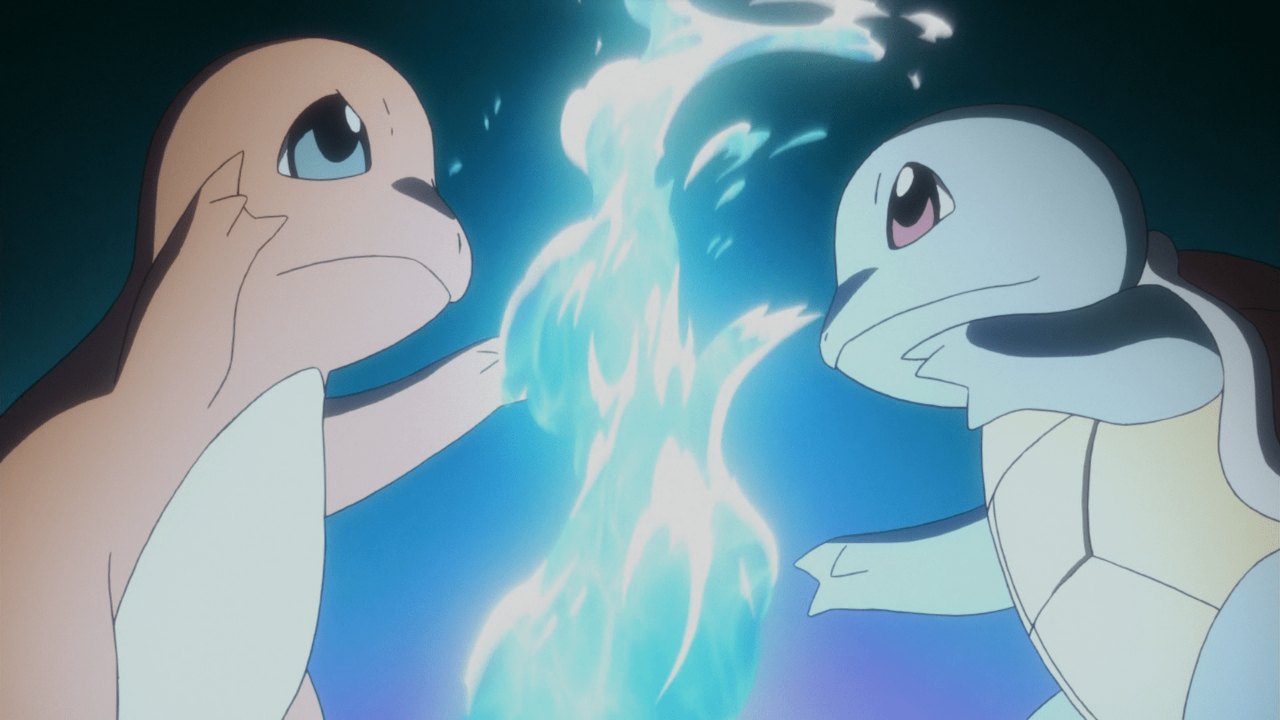
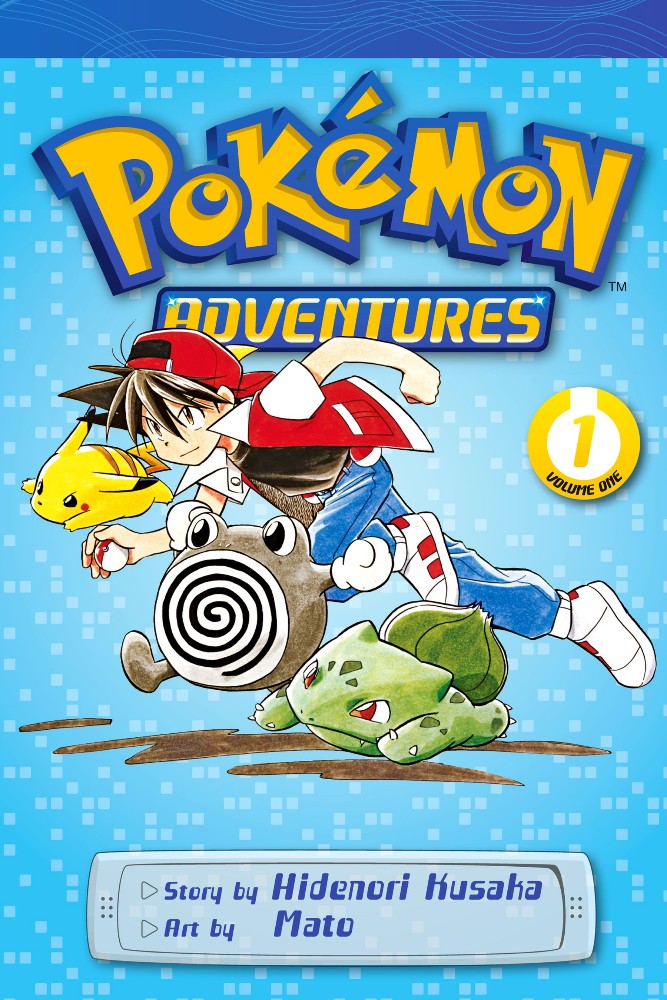


Sales & reviews
Sales figures
Pokémon Red, Blue and Green versions sold a combined total of 31.38 million copies on the Game Boy. Unfortunately there is no breakdown as to how many units of each colour were sold. Green was never released out of Japan so a good majority of those sales were from Red and Blue but it would still be nice to know which was the most popular. If anyone does know please get in touch!
- 31.38mworldwide (Red, Green & Blue)
- 10.23mJapan
- 9.85mUnited States, by 2007
- 1.5m3DS Virtual Console (Red, Blue & Yellow) by March 2016
Best-selling Pokémon game according to Guinness World Records (31.38 million, figure as of March 2024). Fastest-selling Game Boy game in the US at launch: 200,000 copies in two weeks and 4 million by the end of 1998. France: over 2.5 million sold within a year. Europe-wide, Red and Blue grossed €60,388,924 in 1999.

Review scores
As I said at the start of this article Pokémon Red and Blue versions were universally well received; let’s take a look at how it did on major review sites:-
- GameSpot reviewed both Red and Blue versions individually (Peter Bartholow’s review of Blue is the one still online) and scored the games 8.8/10 which equates to ‘Great’ on the GS scale.
- Craig Harris from IGN was clearly impressed, scoring the games 10 out of 10 – “Masterful” on their scale – and calling them “the most popular videogames ever to hit Nintendo’s little black-and-white portable”.
- Interestingly Nintendo Power Magazine only scored the games 7.2 out of 10. Unfortunately that review is no longer around to link to.
- The aggregated score from GameRankings weighed in at 88% – a fine effort by anyone’s standards.
Overall Pokémon Red and Blue versions got the third and fourth best Game Boy game scores ever overall, and second best core series ratings of all the main series titles on GameRankings.
Critics in 1998 and 1999 were won over by how Red and Blue played rather than how they looked. Reviewers praised the sheer size of the collecting challenge and the idea of splitting the Pokémon across two versions, which turned the Link Cable into a social tool: finishing the Pokédex meant finding friends to trade with. The turn-based battles were seen as easy to learn but surprisingly deep, thanks to the type system and the thought that goes into building a team, and the game was widely noted for how long it lasted. The main complaints were the basic, mostly monochrome graphics and the simple sound. Even so, aggregate scores settled in the high 80s, and IGN gave it a perfect mark.
Awards and honours:
Media & artwork
- Official artwork gallery from Pokémon Red & Blue – a large gallery featuring many of the Pokémon from the game
- Official artwork gallery from Pokémon Red & Blue – characters, places and supporting art
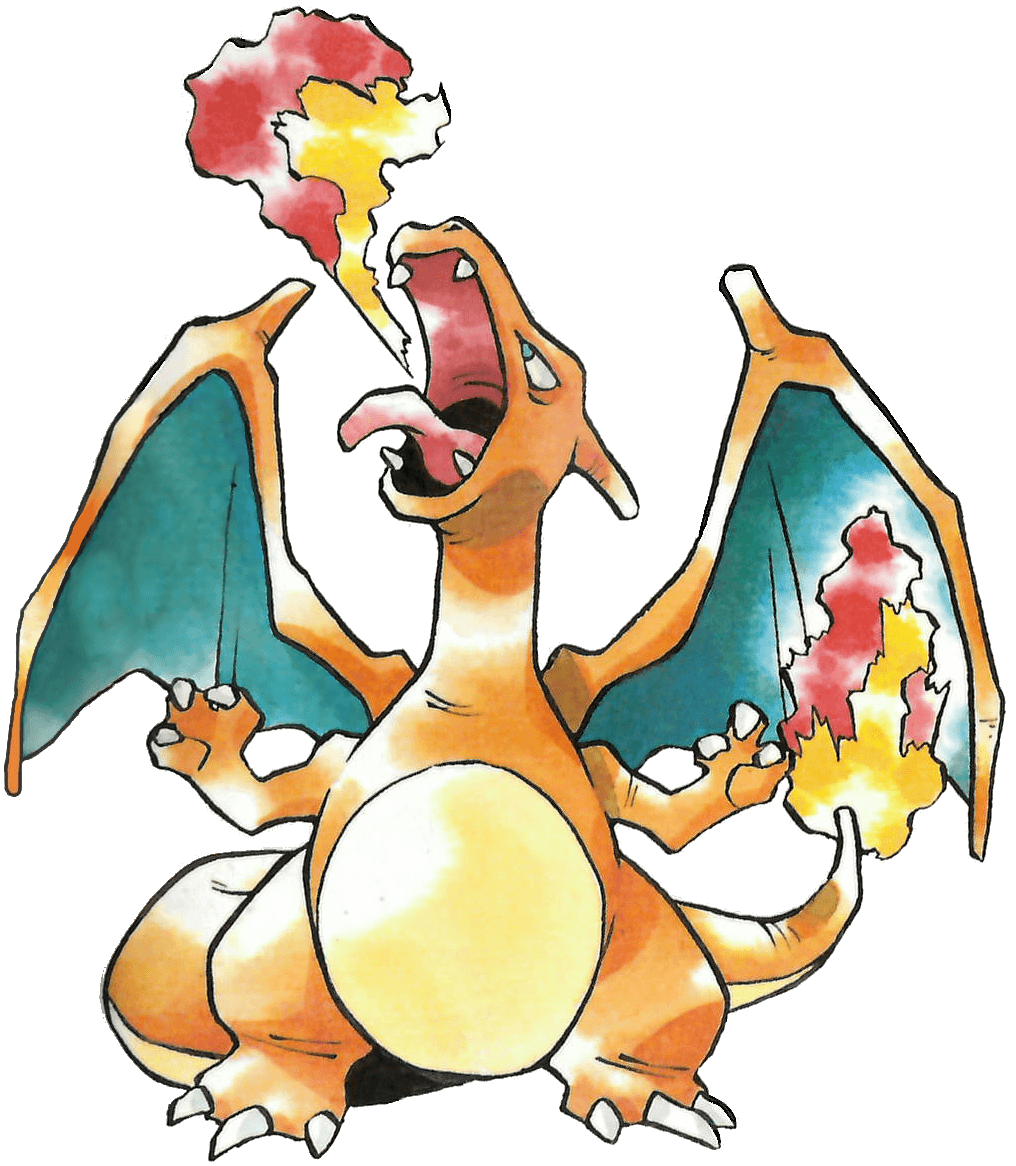
- Box art from Pokémon Red including numerous regional variations + editions
- Box art from Pokémon Blue including numerous regional variations + editions
- Screenshots from Pokémon Red Version
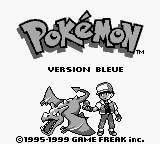
- Screenshots from Pokémon Blue Version
Further reading
Need the full lists? Every TM and HM, item, attack and recommended moveset for Red, Blue and Yellow has a page of its own in The Library, alongside the games either side of this one: