 |
|
| Directed by | Kunihiko Yuyama · Motonori Sakakibara |
| Written by | Takeshi Shudō (screenplay) · Kunihiko Yuyama (composition) |
| Produced by | Satoshi Shimodaira · Ayaka Sekiguchi · Yosuke Nagafuchi |
| Narrated by | Unshō Ishizuka (Japanese, recorded in 2018) · Rodger Parsons (English) |
| Runtime | 98 minutes (listed as 97 minutes on home video) |
| Box office | ¥2.98 billion in Japan (about $27 million) · $27.3 million tracked worldwide (Japan and South Korea; streamed on Netflix everywhere else) |
| Released (Japan) | 12 July 2019 (world premiere 4 July, Anime Expo, Los Angeles) · 18 December 2019 (DVD and Blu-ray) |
| Released (Australia) | 27 February 2020 (Netflix) · 3 March 2021 (DVD and Blu-ray, Shock Entertainment) |
| Released (US) | 27 February 2020 (Netflix, Pokémon Day) · 17 November 2020 (DVD and Blu-ray, Viz Media) |
| Released (Europe) | 27 February 2020 (Netflix) · no UK disc release to date |
| Japanese cast | Rica Matsumoto · Ikue Ōtani · Mayumi Iizuka · Yūji Ueda · Masachika Ichimura · Kōichi Yamadera · Sachiko Kobayashi · Raymond Johnson · Kenta Miyake · Hiroshi Kamiya · Ayane Sakura · Hiroyuki Yoshino · Minoru Inaba · Megumi Hayashibara · Shin-ichirō Miki · Inuko Inuyama · Unshō Ishizuka |
| Predecessor | Pokémon the Movie: The Power of Us |
| Successor | Pokémon the Movie: Secrets of the Jungle |
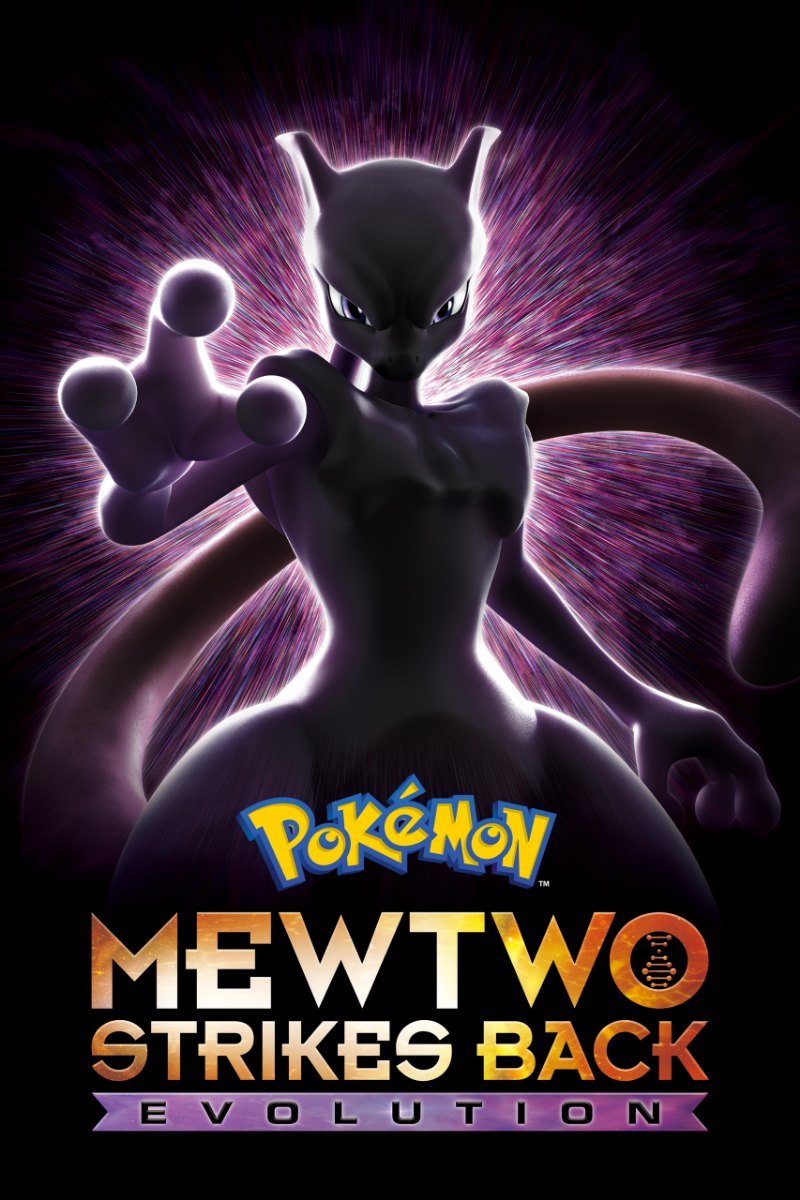
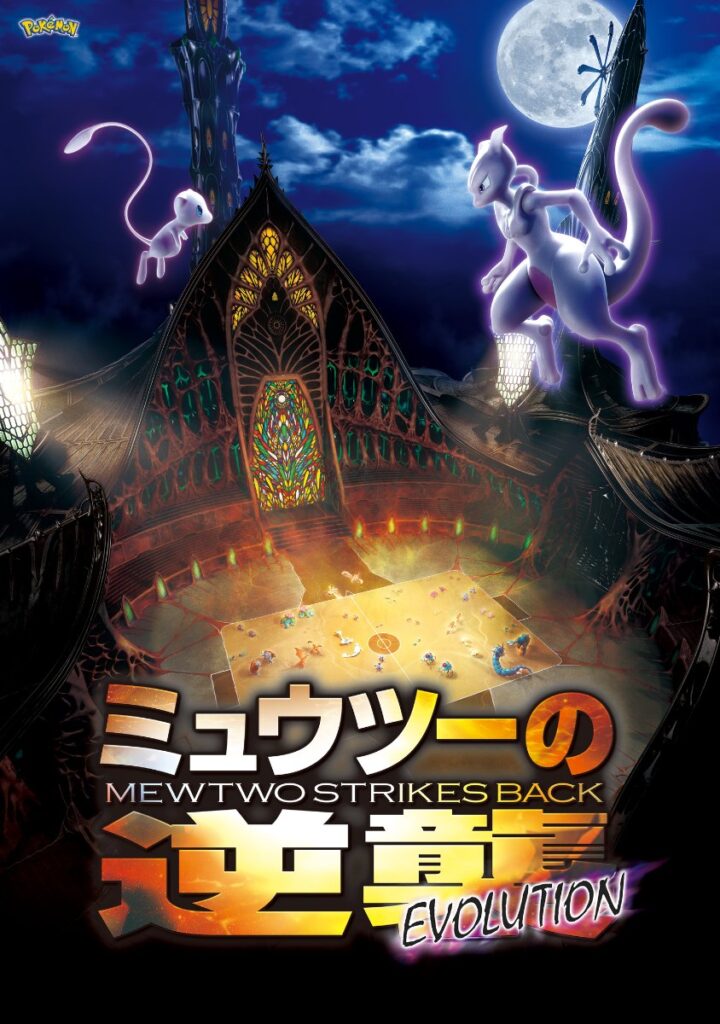
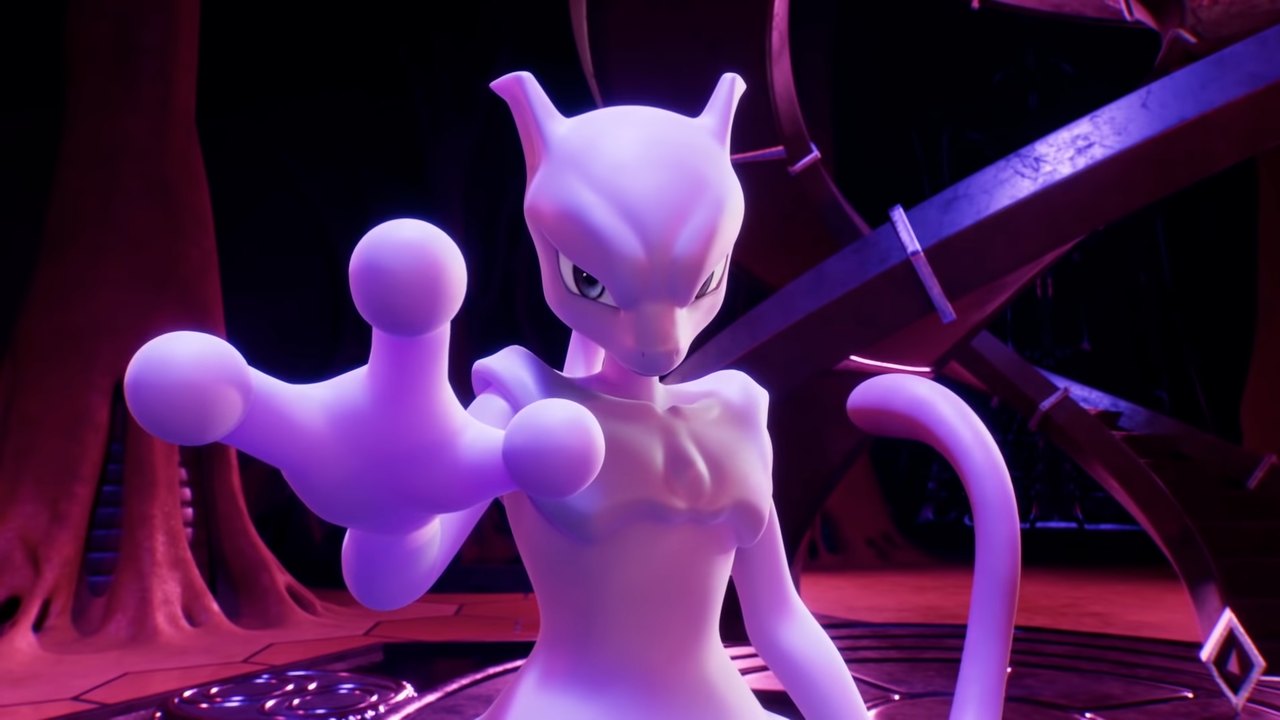
Pokémon: Mewtwo Strikes Back – Evolution is the 22nd Pokémon movie and the third released during Pokémon the Series: Sun & Moon – and it is something the series had never attempted before: a remake. Twenty-one years after Mewtwo Strikes Back opened in Japan, the same story was retold almost shot for shot, from Takeshi Shudō’s original screenplay, entirely in computer-generated animation. Ash, Misty and Brock are back in their original-series designs, Mewtwo is born in Dr. Fuji’s laboratory, Giovanni fits it with armour, and the storm, the invitation, New Island, the clones and the tears all follow in order. Its Japanese title, Mewtwo no Gyakushū Evolution (ミュウツーの逆襲 EVOLUTION), is the first in the series to drop the usual Pocket Monsters the Movie prefix.
The film was directed by Kunihiko Yuyama, back in the chair after handing The Power of Us to Tetsuo Yajima, together with CG director Motonori Sakakibara, who had co-directed Final Fantasy: The Spirits Within and whose Los Angeles studio, Sprite Animation Studios, built the film with OLM Digital in Tokyo over two and a half years. Shudō, who died in 2010, receives a posthumous screenplay credit, and the narration by Unshō Ishizuka was recorded in March 2018, five months before his death, making this the last Pokémon movie with his voice. It was announced in December 2018 with a teaser poster of Mewtwo’s eye that deliberately mirrored the 1998 teaser, and arrived in the middle of what Japan called “Mewtwo Year”, two months after the live-action Detective Pikachu.
Release around the world
The world premiere was not in Japan at all but at Anime Expo in Los Angeles on 4 July 2019 – the first official US screening of a Pokémon film in Japanese with English subtitles, with Yuyama, Sakakibara and Rica Matsumoto on stage and Matsumoto singing live. Japan followed on Friday 12 July 2019, where it opened at number two behind Toy Story 4 with the best Pokémon opening in five years. The rest of the world had to wait: instead of cinemas or television, The Pokémon Company International took the film to Netflix, which released it everywhere outside Japan and South Korea on 27 February 2020 – Pokémon Day – the first Pokémon movie to premiere internationally on a streaming service. South Korea got a cinema release on 30 September 2020 and mainland China on 4 December 2020.
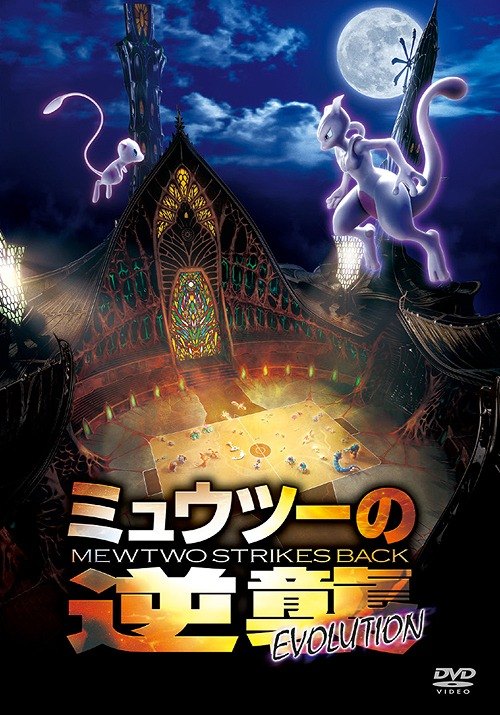
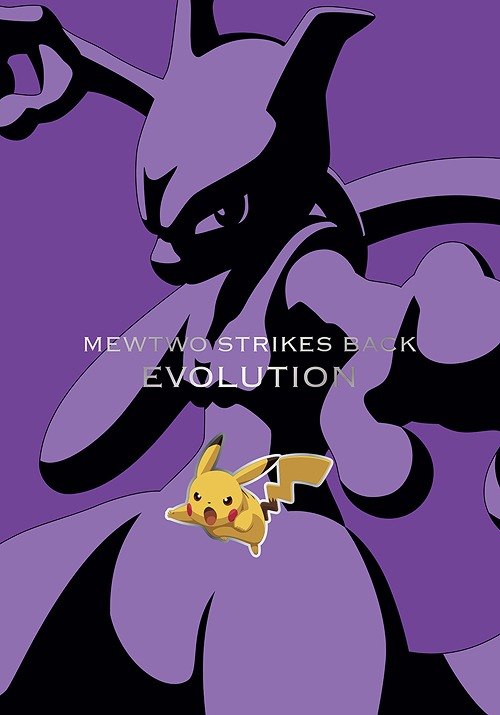
Japan’s DVD and Blu-ray arrived on 18 December 2019, with a special limited edition that packed in miniature reproductions of both the 1998 and 2019 cinema pamphlets. Viz Media’s US DVD and Blu-ray followed on 17 November 2020 and Shock Entertainment’s Australian discs on 3 March 2021 (also in a triple pack with I Choose You! and The Power of Us); there has been no UK disc. TV Tokyo gave it its Japanese television premiere on 18 December 2020, a week before Secrets of the Jungle opened.
There was no Pikachu short. The Japanese print opens with a 2019 remaster of the very first theme song, Mezase Pokémon Master, over a sequence in which Pikachu leaps out of a two-dimensional game window into the three-dimensional world – a sequence the English version drops in favour of a “Mewtwo Mix” of the Pokémon Theme.
Chronology in relation to the anime
In Japan the film opened on 12 July 2019, between Battle Royal 151! (SM129, 7 July) and Battling Besties! (SM130, 14 July), in the Alola League arc at the end of Sun & Moon – the night before, TV Tokyo had given The Power of Us its television premiere. On television Ash was competing in the Manalo Conference with Pikachu, Rowlet, Lycanroc, Torracat and Meltan at his side; Sun & Moon ended that November and Pokémon Journeys began a fortnight later. None of this touches the film, which rewinds twenty-one years to the Kanto of the original series: Ash travelling with Misty and Brock, Togepi in Misty’s arms, and Bulbasaur, Charizard and Squirtle in his Poké Balls, exactly where Mewtwo Strikes Back left him in 1998. It is not part of the parallel world of I Choose You! and The Power of Us; it stands alone, and its final shot of Mount Quena points instead towards the TV special Mewtwo Returns. Western viewers met it on Netflix on 27 February 2020, while Disney XD was still airing Season 22.
When researchers discover and exploit a fossil of the Mythical Pokémon Mew, they unleash a creation that goes against the very laws of nature: Mewtwo, a Legendary Pokémon intended for use as a tool of destruction. But as Mewtwo becomes aware of its own dubious origin, it begins to resent its human creators and seeks revenge—and Ash, Pikachu, and their friends find themselves at the center of its rampage!
With the future of the Pokémon world at stake, will our heroes be able to overcome Mewtwo’s challenge…and will Mewtwo be able to find a new meaning for its life?
— Official synopsis
Mewtwo Strikes Back – Evolution is broken down into the following parts
- Pokémon: Mewtwo Strikes Back – Evolution – the main feature, 98 minutes, opening in Japan with a 2019 remaster of Mezase Pokémon Master and in English with the Pokémon Theme (Mewtwo Mix)
- No Pikachu short – the Anime Expo premiere screened the film in Japanese with English subtitles, and the Netflix release carries both the English dub and, in the US, the Japanese audio track
Story

Mew in the jungle
Deep in a jungle in Guyana, Dr. Fuji leads a team of scientists in search of Mew, the Mythical Pokémon said to be the ancestor of every Pokémon and long believed extinct. They find a ruin carved with Mew’s likeness, and – though none of them sees it – Mew itself, flitting past and peering into their tent before soaring away. What they do find is a fossil, and Fuji takes it home. In a white laboratory on New Island the clone grown from it drifts through a dream in which Mew leads it along a crystal river towards a mountain, then wakes inside a glass tank and shatters it with a thought. Fuji and his staff greet their creation – Mewtwo – and explain, with some pride, that it was made from the rarest Pokémon in the world and engineered to be far stronger. Mewtwo wants to know who and what it is. When the scientists treat the question as data, it tears the laboratory apart in a chain of explosions.


Giovanni’s weapon
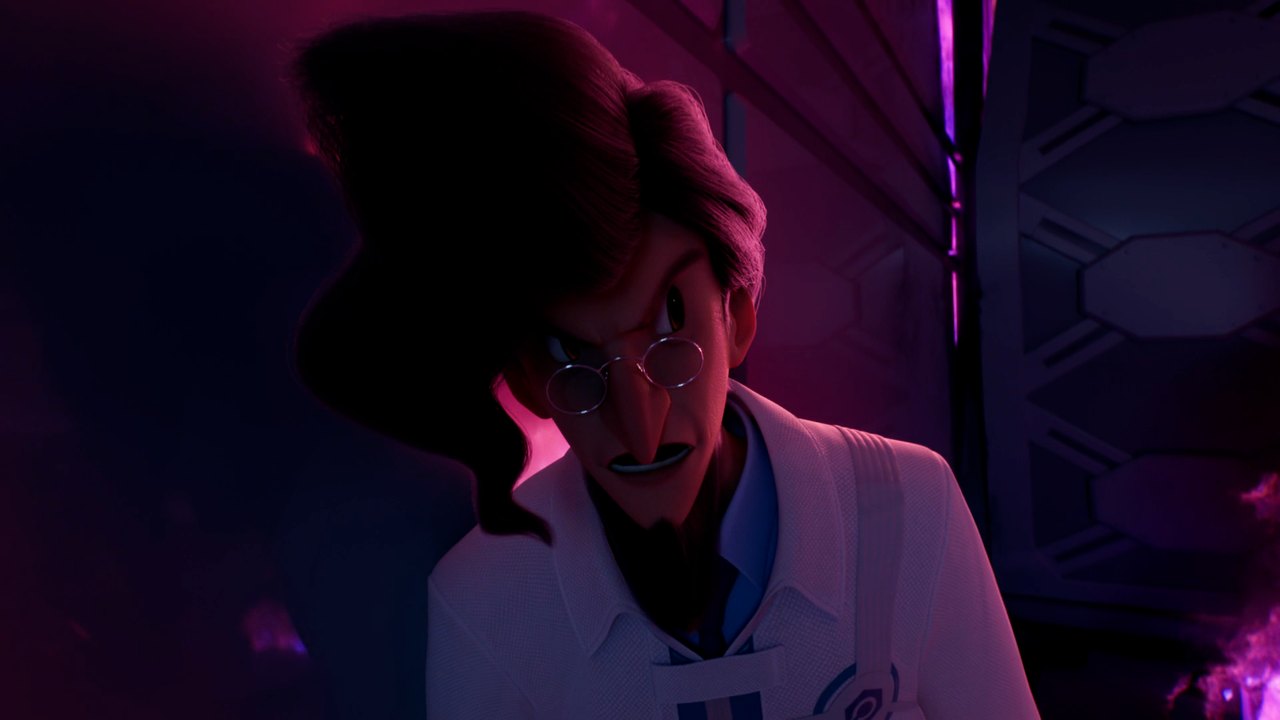
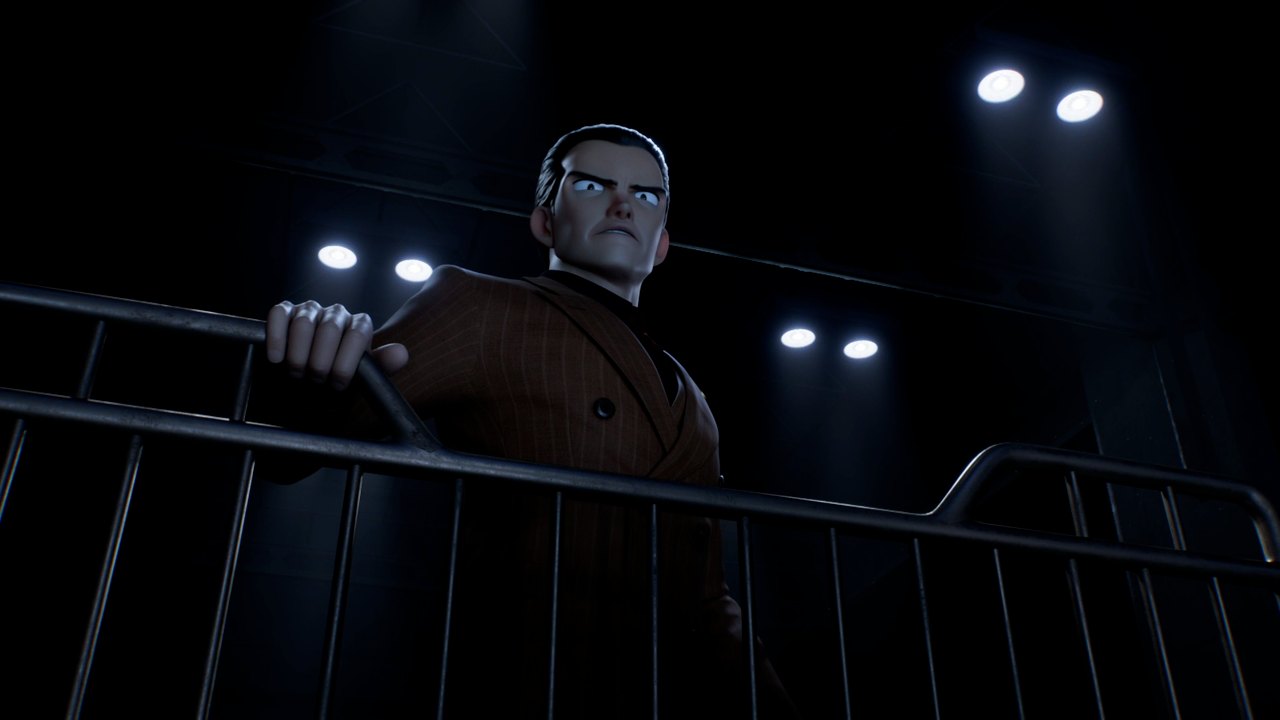
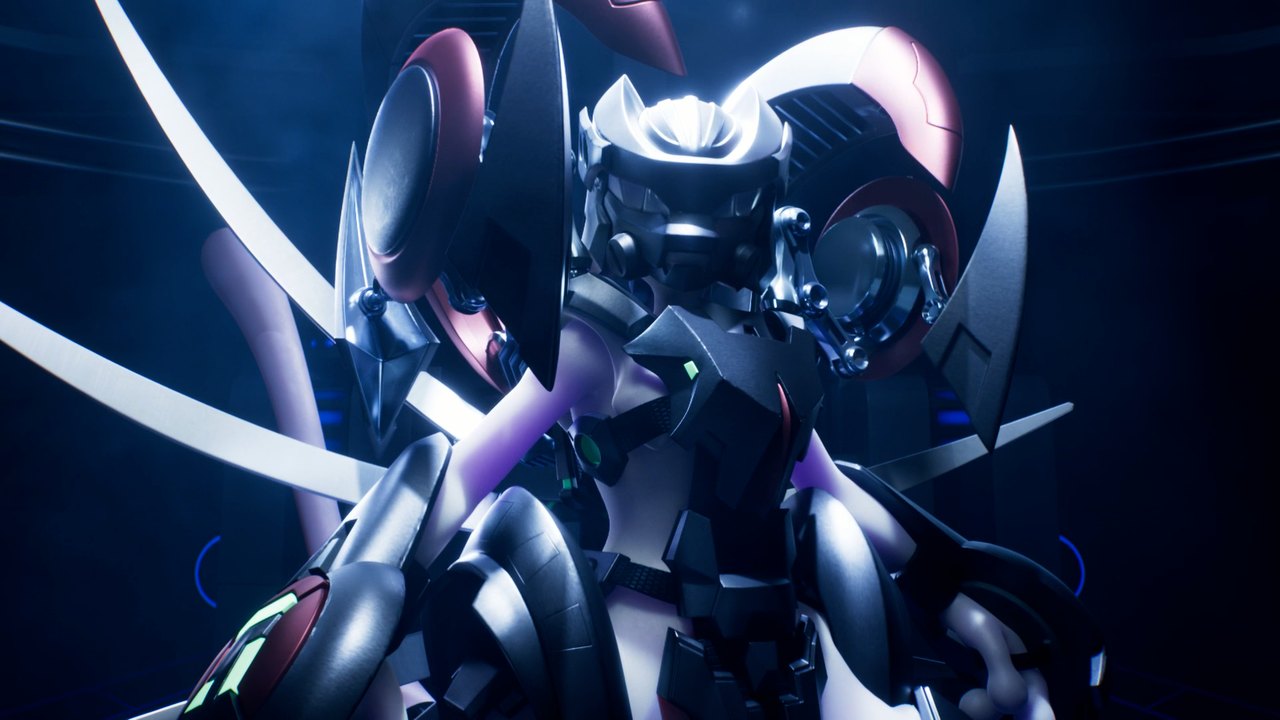
Giovanni, the Boss of Team Rocket and the money behind the project, lands by helicopter in the wreckage and offers Mewtwo a partnership: work with him and learn to master its power. Mewtwo is fitted with a suit of armour that channels its abilities – and, as Giovanni knows, can restrain them – and is paraded before an assembled army of Team Rocket grunts, a scene new to this version. It is put to work rounding up a herd of wild Tauros while Giovanni watches from the air, and at the Viridian Gym it flattens one challenger after another, Gary Oak and his Arcanine and Nidoking among them. When Mewtwo asks once too often what it is for, Giovanni finally tells it: it exists to serve him. Mewtwo rips the armour away, blasts out of Team Rocket’s headquarters and flies back to New Island, swearing revenge on the humans who made it.



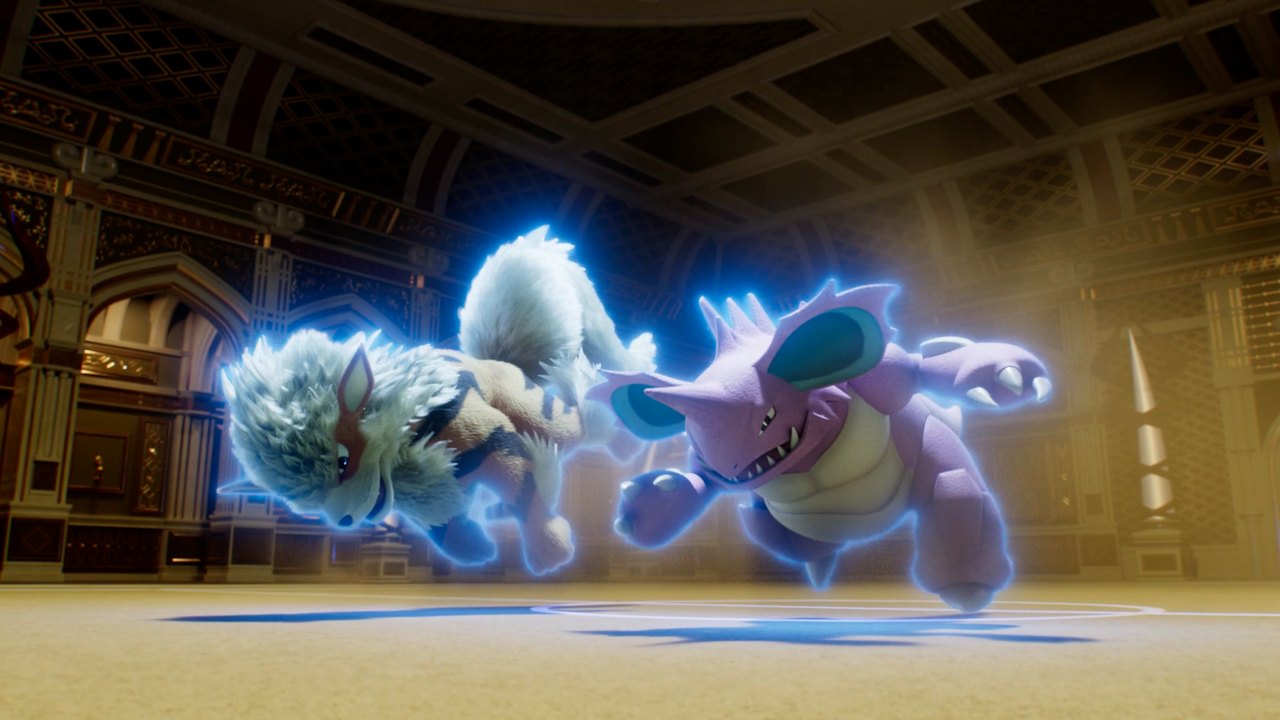
An invitation to New Island
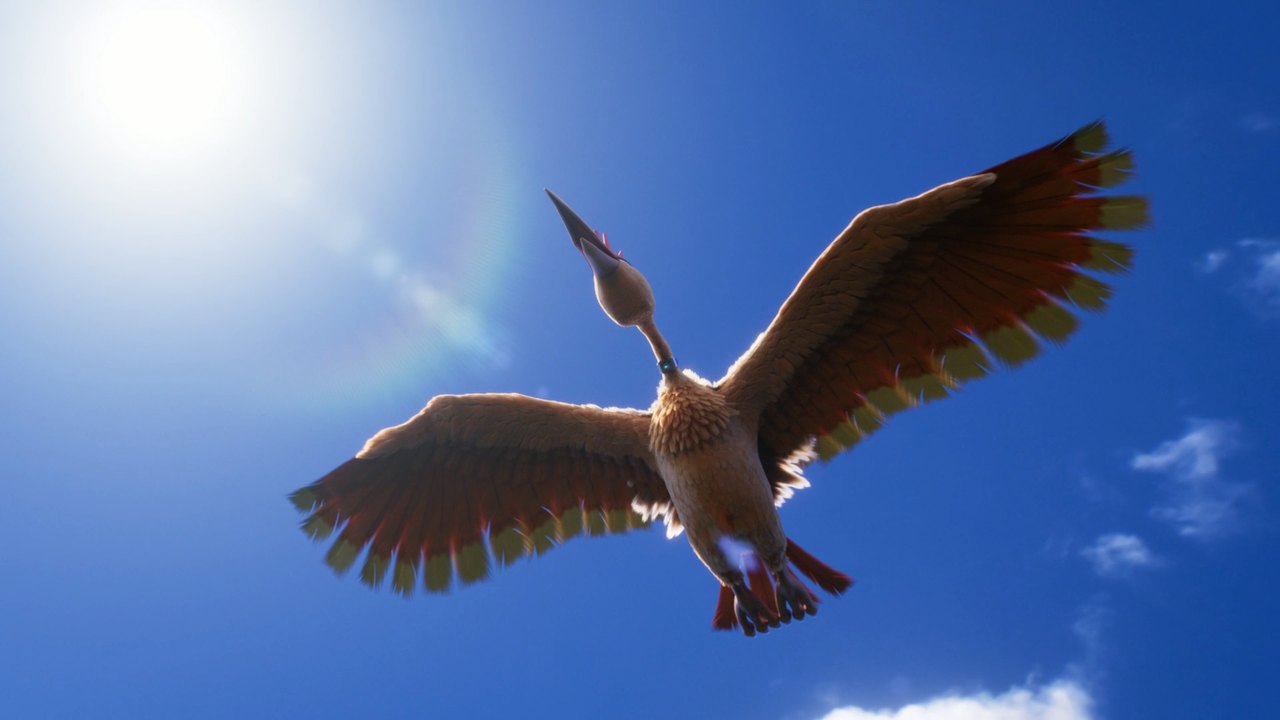
Mewtwo rebuilds the laboratory as a fortress and sends out hologram invitations to the strongest Trainers it can find, to battle “the world’s greatest Pokémon Trainer” on New Island. Through a Fearow fitted with a camera it watches Ash take on a swaggering, pirate-styled Trainer named Raymond: Bulbasaur’s Solar Beam fells Donphan, Squirtle’s Bubble Beam beats Machamp, and Pikachu takes on Pinsir, Venomoth and Drowzee at once and finishes all three with a single enormous Thunderbolt. (In 1998 the third Pokémon was a Golem, a Ground type that should never have fallen to an Electric attack; the remake quietly fixes it.) Over lunch, with Charizard, Psyduck and Vulpix out to eat too, a Dragonite lands – Charizard greets it with a Flamethrower – and delivers a hologram of a woman inviting Ash to the island. Brock swoons, Ash is thrilled, and Team Rocket, who have been watching from the bushes, bring the Dragonite down with a frying pan on its way out and help themselves to a spare invitation.



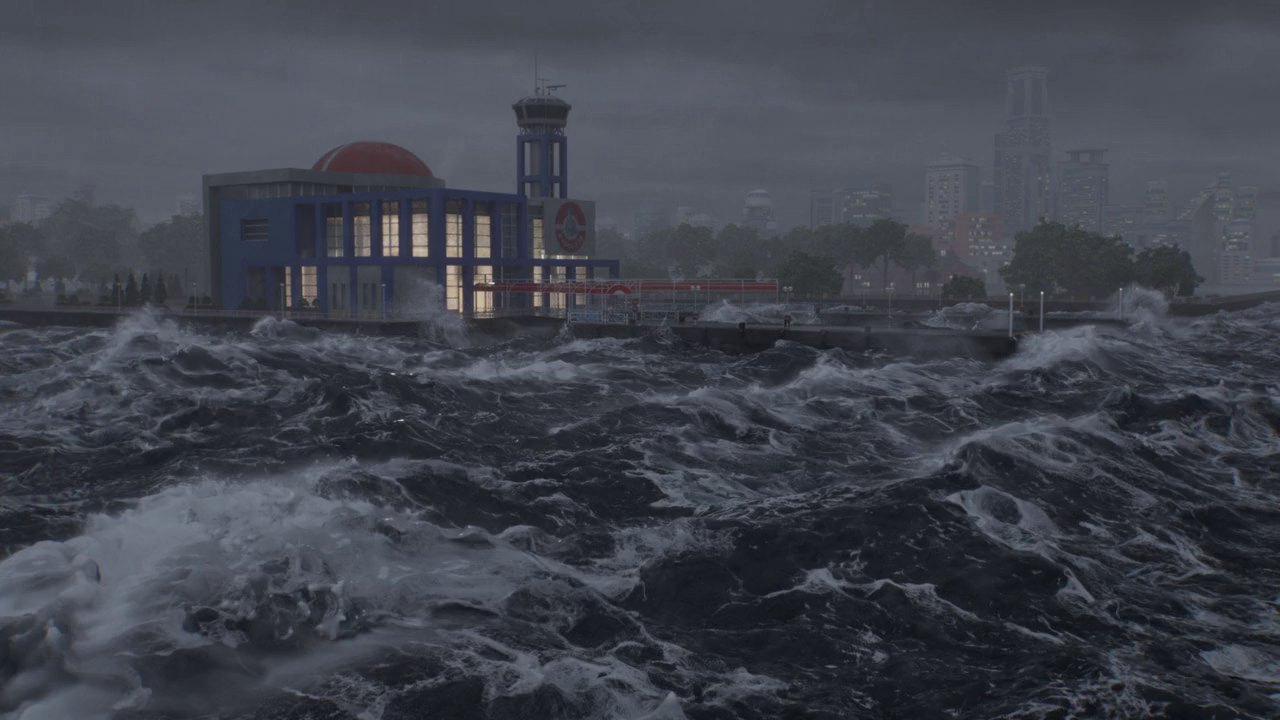
The storm at Old Shore Wharf
Mewtwo whips the sea into a hurricane, which also draws Mew towards the island. At Old Shore Wharf, Officer Jenny and the harbour manager Miranda forbid anyone to sail, and Jenny adds that the Pokémon Center is unstaffed because its Nurse Joy has been missing for a week – Brock finds the face on the poster oddly familiar. Fergus announces that he will simply ride his Gyarados across, and he is not the only one: Corey takes off on his Pidgeot, Neesha on her Dewgong, and a whole flotilla of Trainers follows on Fearow and anything else that will carry them, far more than the lone rider of the original. Ash’s Pokémon are too small to carry three people, so when two “sailors” offer them a berth in a pedal-powered Lapras boat the trio climb aboard – and it is Team Rocket, of course, singing as they pedal, until a wave swamps the boat, washes off the disguises and flings everyone into the sea. Misty’s Staryu carries her and Brock, Ash rides Squirtle, and they thread the rocks to New Island while Team Rocket arrive separately on James’s Weezing with Mew trailing unseen behind them.


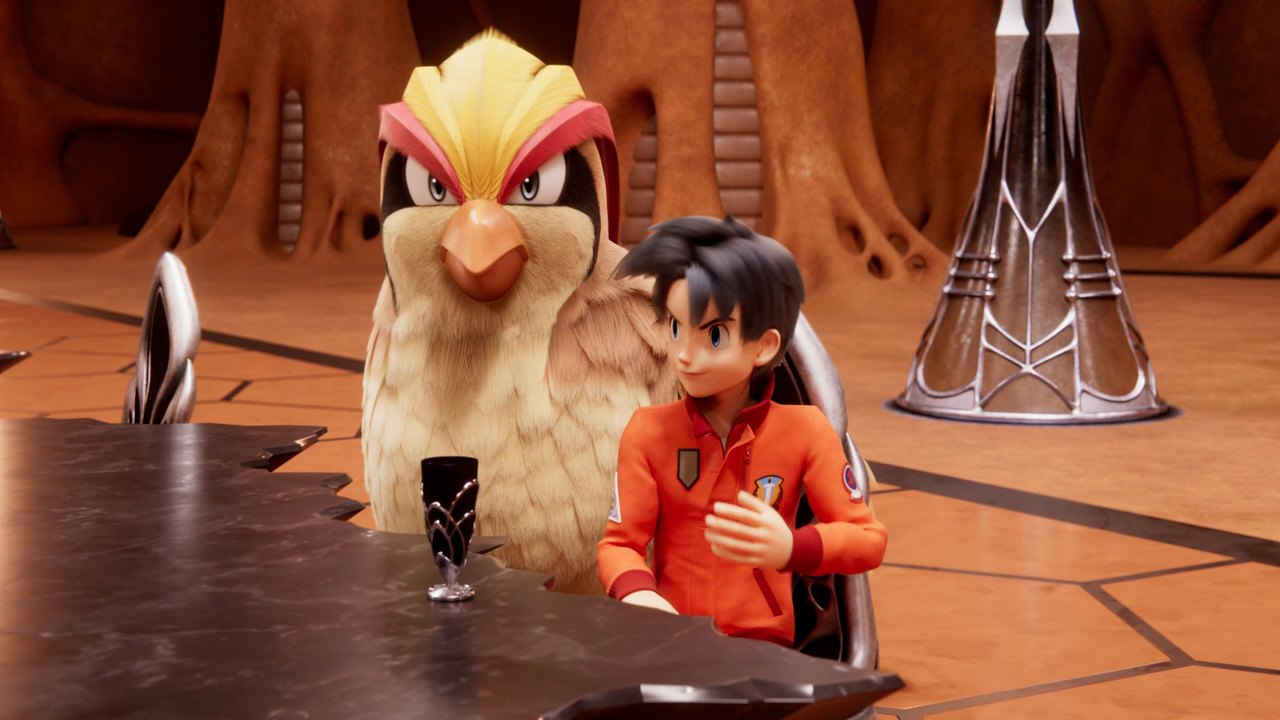


The world’s greatest Pokémon Trainer
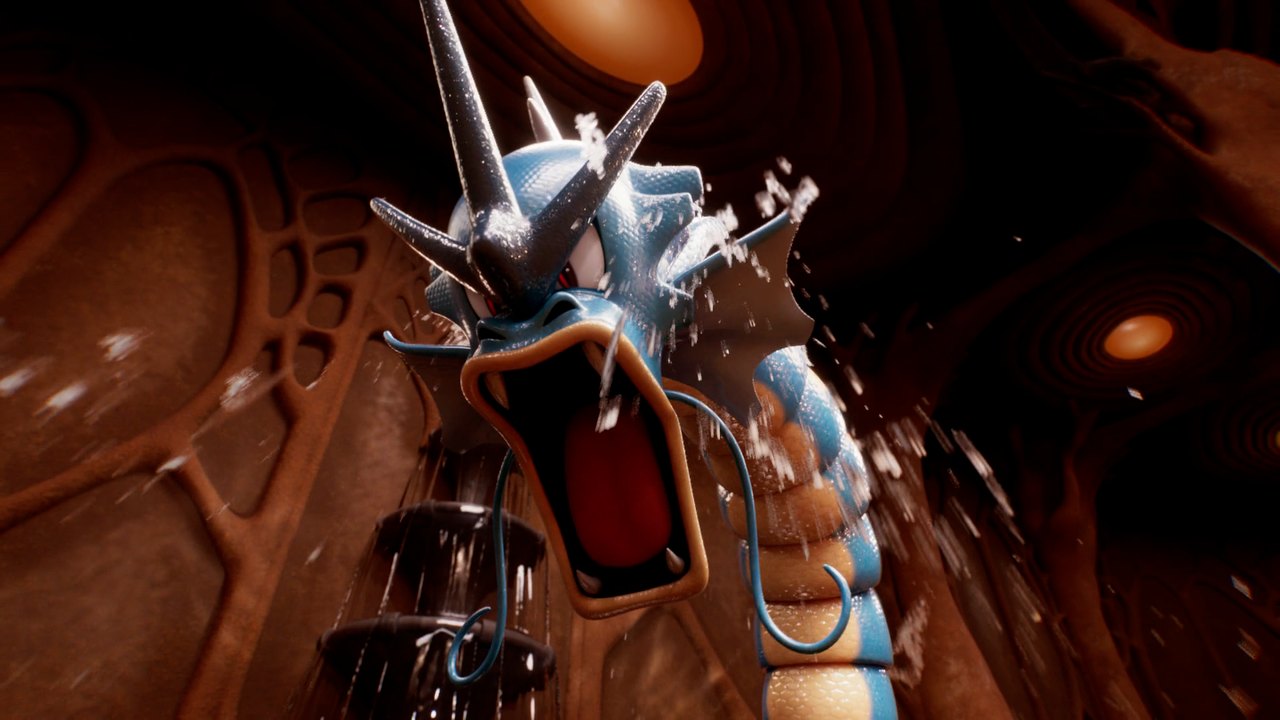
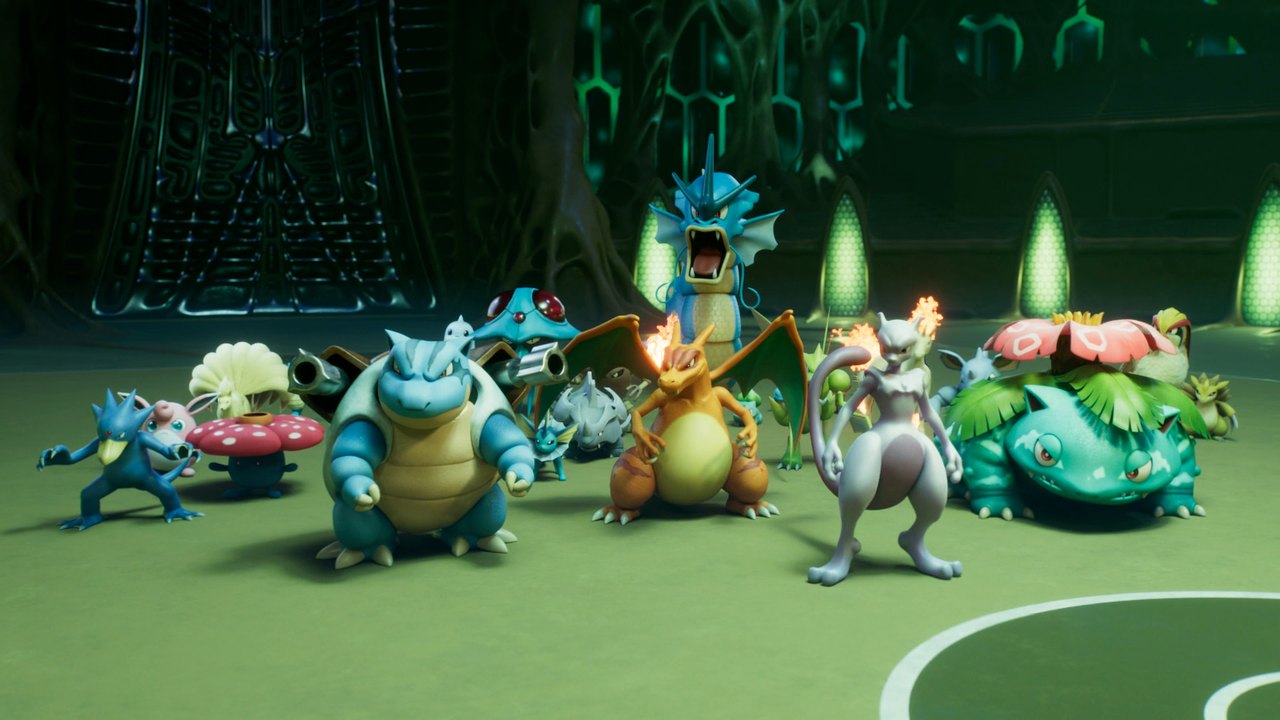
A hostess greets them at the pier and checks Ash’s invitation. Brock insists she is the missing Nurse Joy; she says she has always served the castle. Inside, only three other Trainers have made it – the only ones, the hostess says, strong enough: Corey, with his Venusaur “Bruteroot”; Fergus, with a team of blue Water-types that delights Misty; and Neesha, with her Blastoise “Shellshocker”, who has to be rescued from Brock’s attentions. The doors seal behind them, so Team Rocket slip in through a drainpipe. Then Mewtwo descends the hall’s double-helix staircase and is introduced as both the world’s greatest Trainer and its greatest Pokémon. Fergus objects that a Pokémon cannot be a Trainer, is hurled into the pool for his trouble, and watches his Gyarados’s Hyper Beam reflected straight back at it. Mewtwo releases the hostess – the kidnapped Nurse Joy, taken for her knowledge of Pokémon and about to remember none of it – and announces that humans and their Pokémon exist only to be ruled. Pikachu’s protest earns it a psychic shove that Ash has to catch; Corey’s charging Rhyhorn is swatted the length of a banquet table. Challenged by Ash to prove it, Mewtwo summons a Venusaur, a Charizard and a Blastoise of its own.

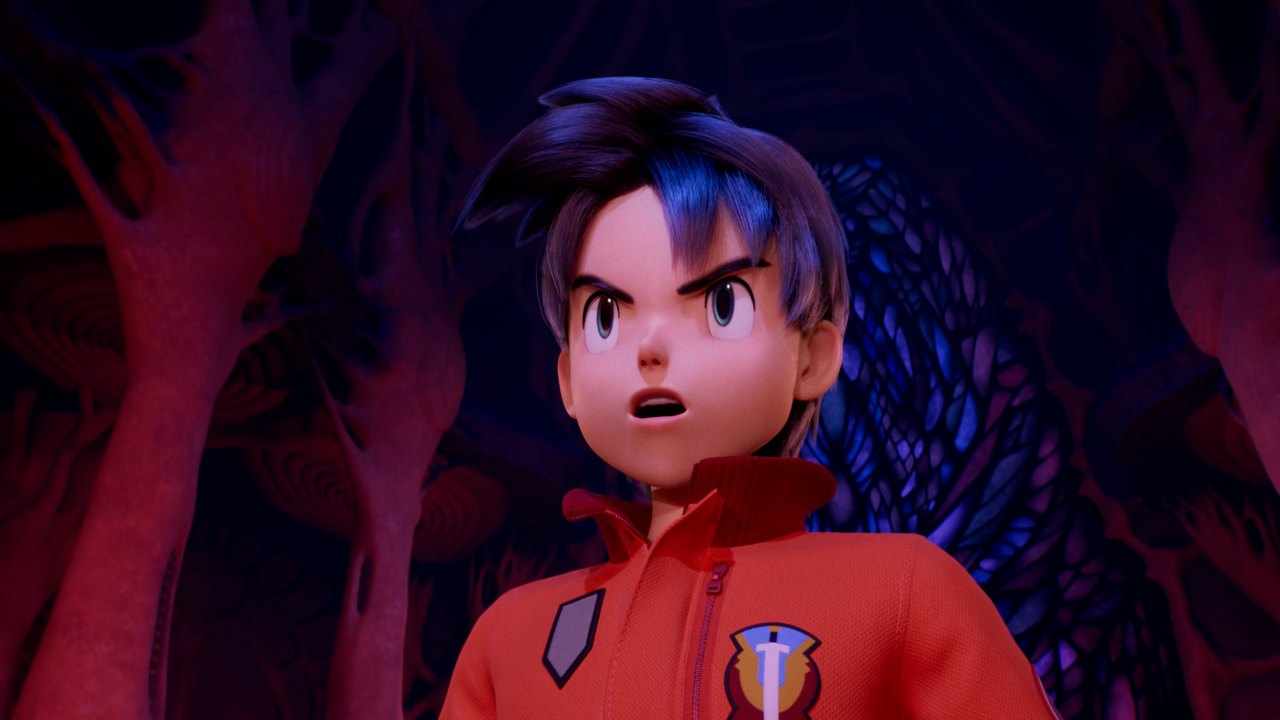

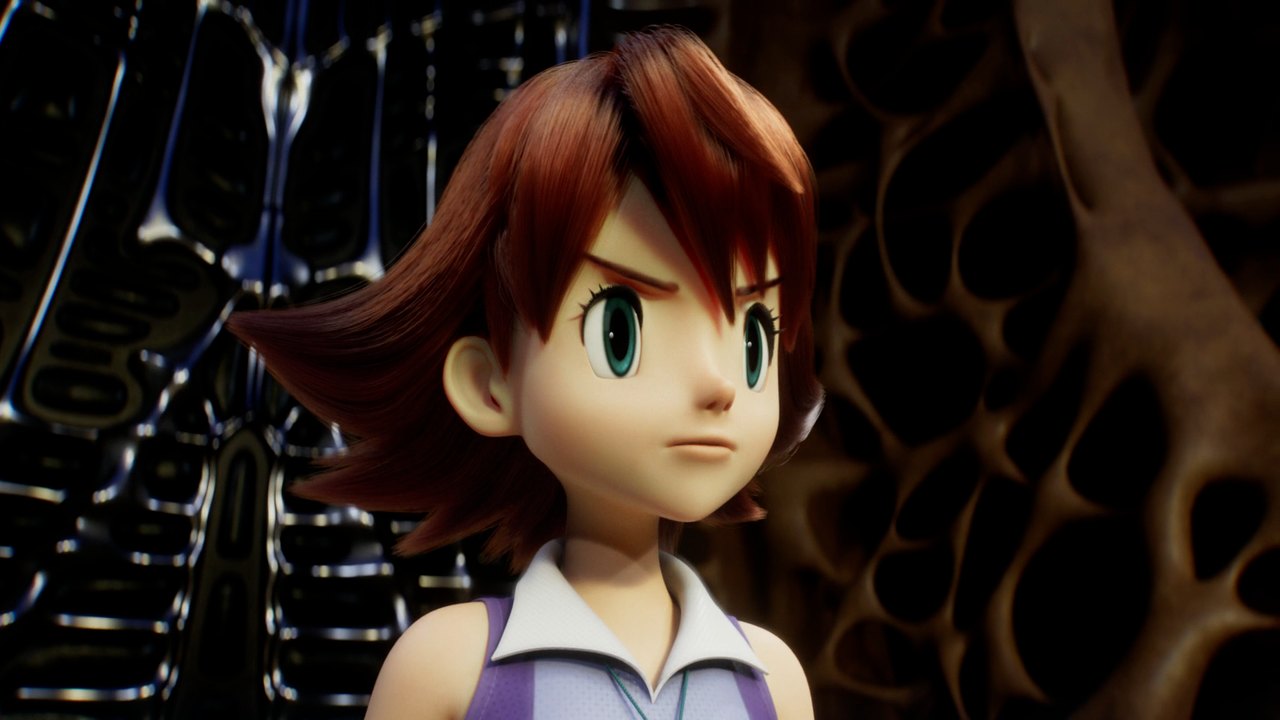

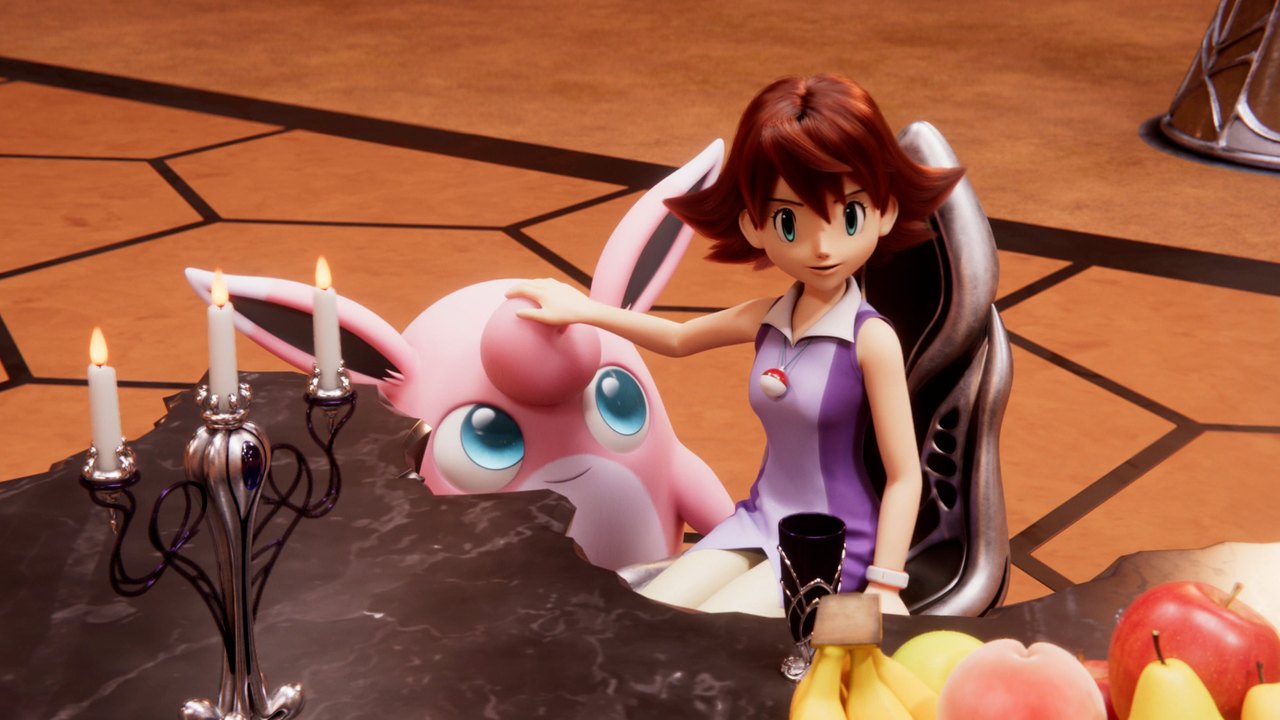
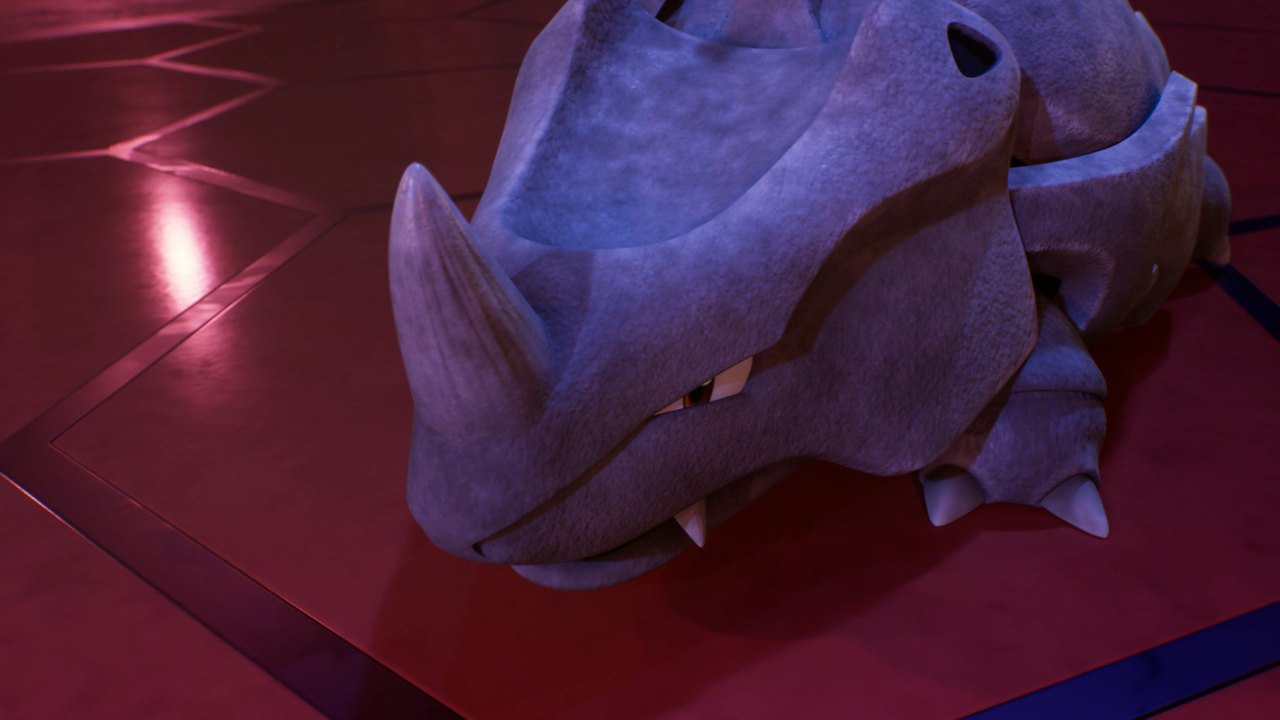
Originals against clones
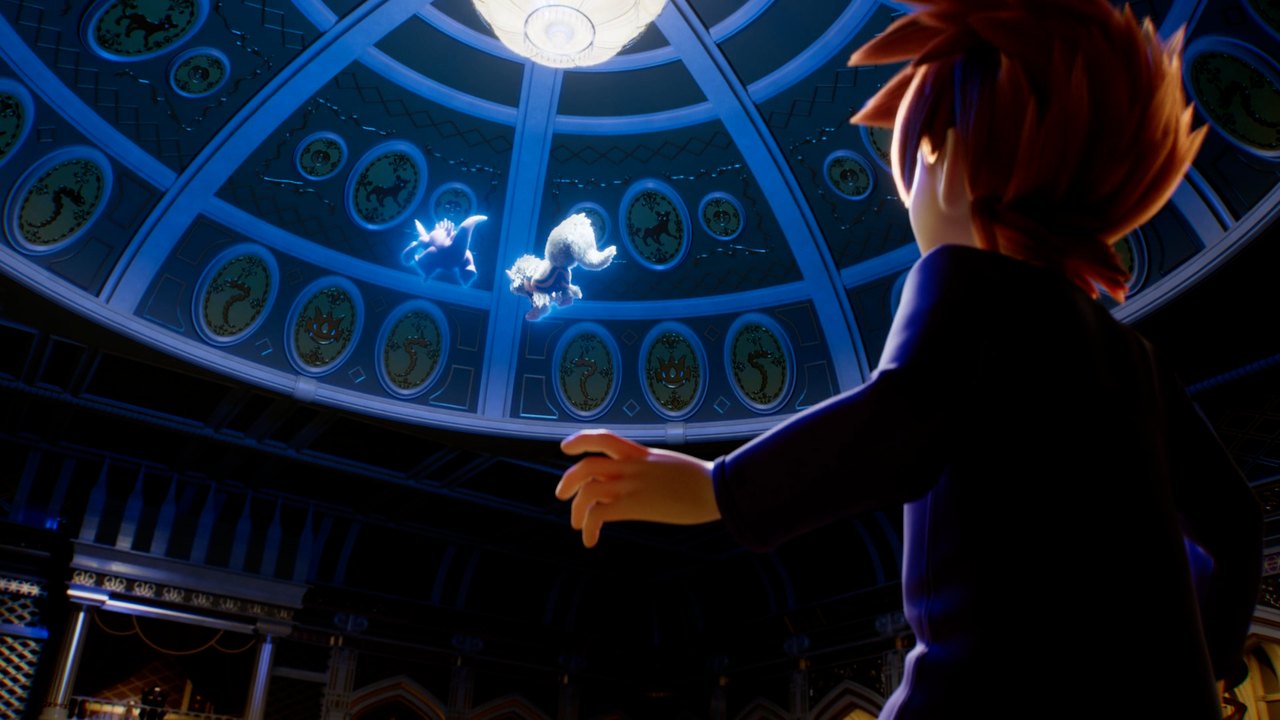
Below the hall Team Rocket have blundered into the laboratory and found the tanks that grew those three Pokémon. Jessie triggers a recording of Dr. Fuji explaining the cloning process – and revealing that Mewtwo itself is a clone of Mew – and the machine grabs Meowth, plucks a few hairs from his tail and starts growing a Meowth of its own. Upstairs a stadium rises from the floor. Bruteroot and Shellshocker fight hard and lose to Mewtwo’s Venusaur and Blastoise; Ash’s Charizard yawns out of its ball, roasts its double with an unasked-for Flamethrower, is lectured on discipline by the clone and beaten. Mewtwo produces black-and-blue Poké Balls of its own and captures the three losers to copy them, then declares it will build an army of clones from every Pokémon in the room. A storm of Mewtwo Balls sweeps the hall. The Trainers try to shield their Pokémon and fail one by one; Ash recalls Bulbasaur and Squirtle only for their Poké Balls to be caught too; Misty hides Togepi in her bag; Brock and Nurse Joy throw themselves at the doors before Vulpix is taken; and Pikachu, fleeing up the staircase, is finally caught as well. Ash dives for the ball, misses, and tumbles down a chute into the laboratory, where he fights his way into the machinery to pull Pikachu free – and is scanned and copied himself in the process. The machine overloads, explodes, and sets every captured Pokémon loose, while the new clones march up to join their master.

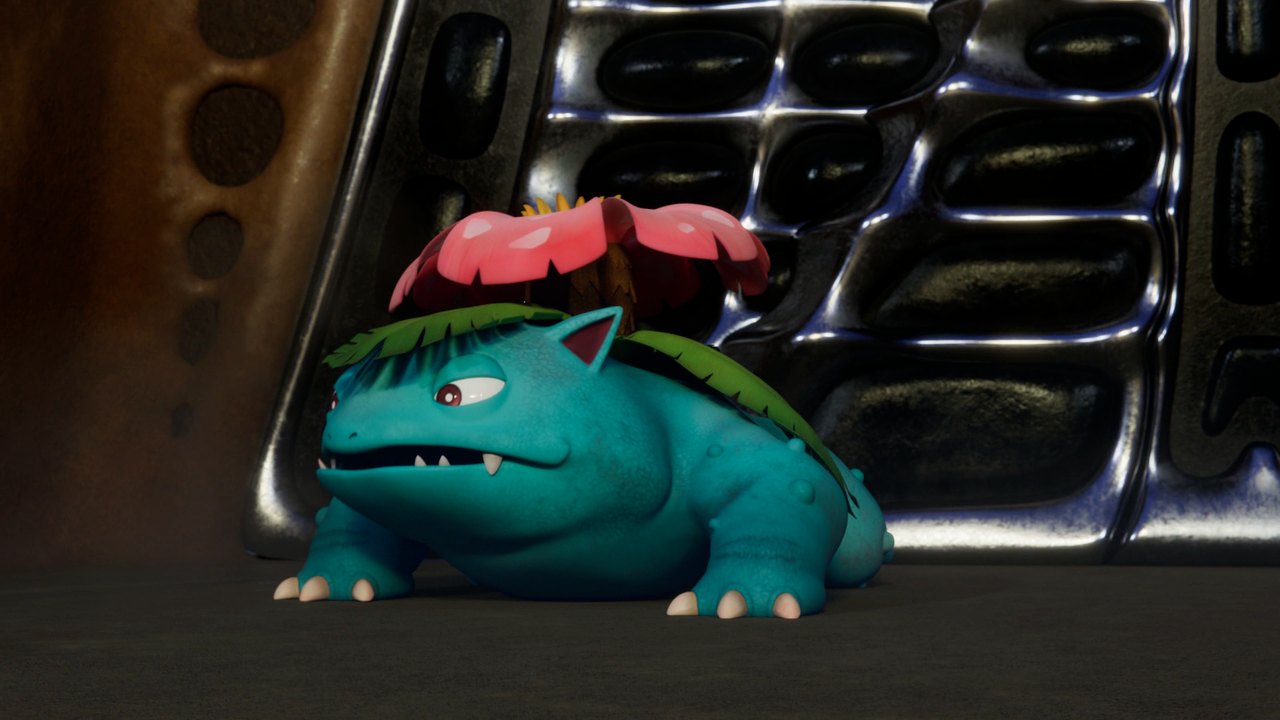
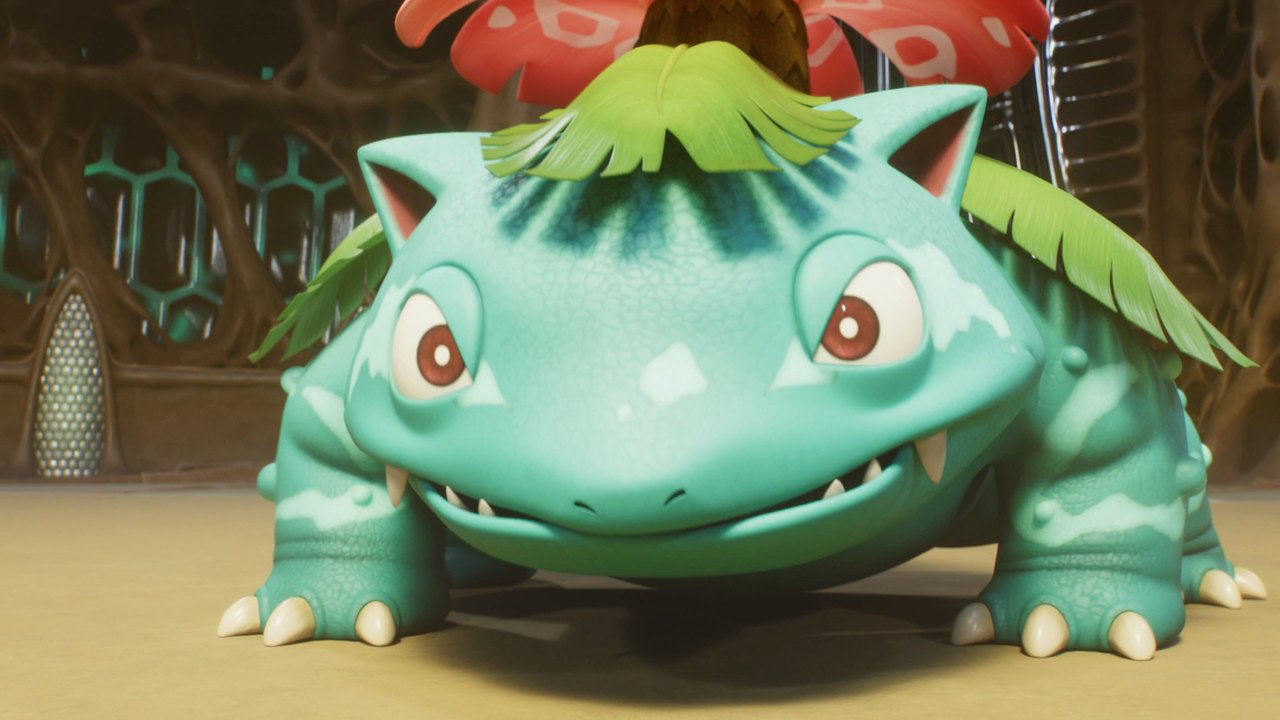


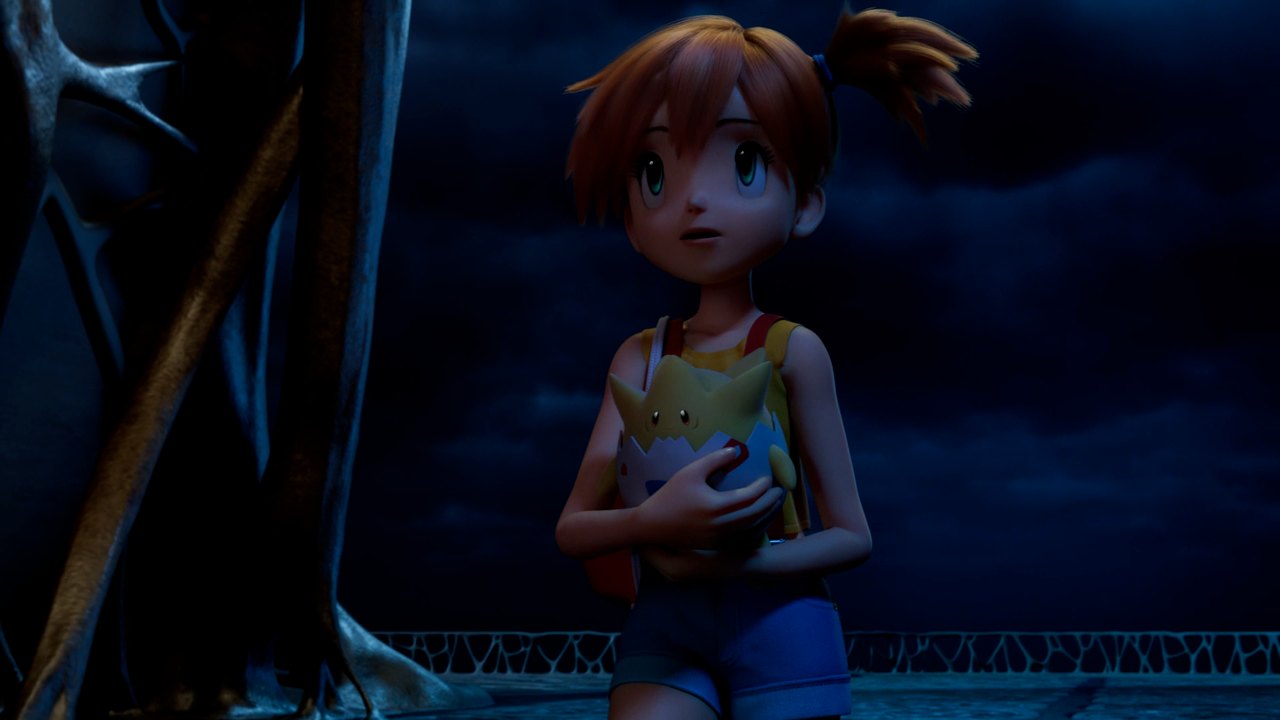

Mew
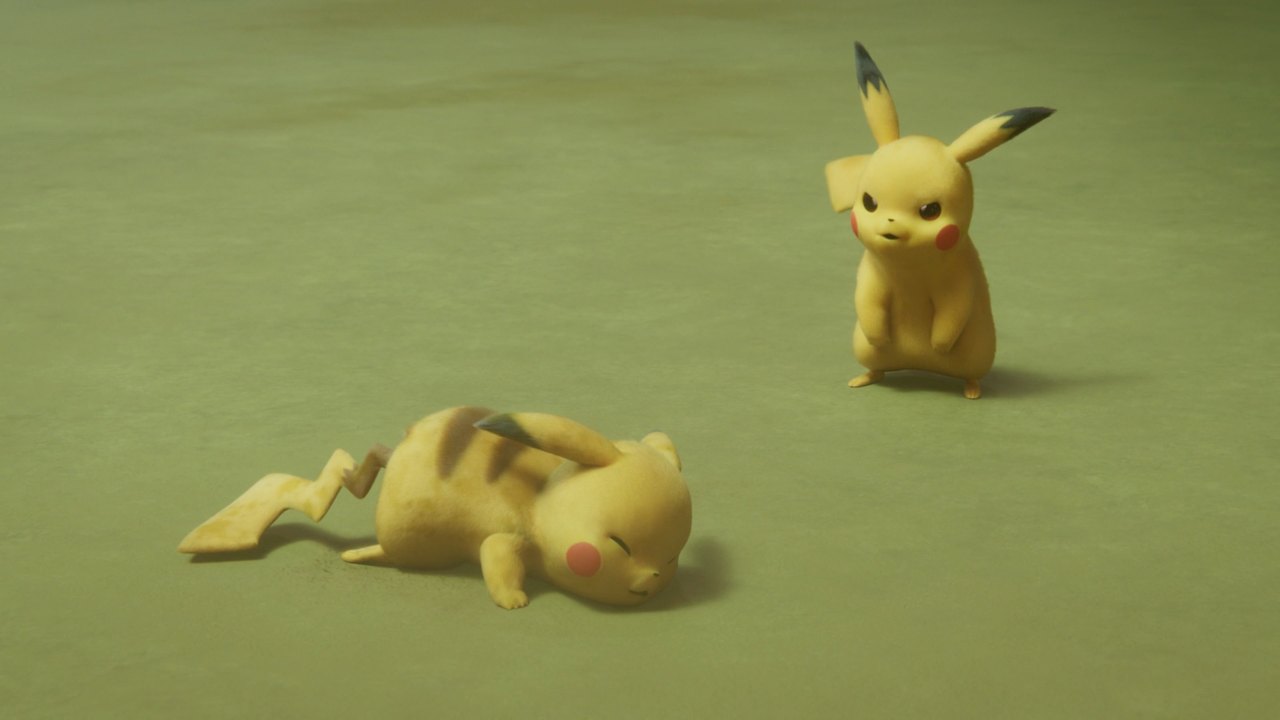
Mewtwo offers the humans their lives if they will leave into the storm; nobody moves. Ash bursts in at the head of the freed Pokémon, charges, and is flung across the hall – into a pink bubble. Mew floats into view, more interested in playing with Ash than in fighting anyone. Mewtwo bursts the bubble, insists the copy has surpassed the original and attacks; Mew dodges, takes a hit, and strikes back. Meowth translates: Mew holds that real strength lies in the originals, Mewtwo that clones are superior, and the two agree to settle it by raw power, blocking every Pokémon’s special abilities so that the battle must be fought with bodies alone. What follows is the film’s showpiece, a single unbroken shot of Mew and Mewtwo trading blasts across the sky while every Pokémon in the hall battles its own exhausted double. Meowth will not fight his clone, and the two decide they have more in common than not. Pikachu will not hit back as its clone slaps it again and again, both of them in tears. Ash cannot watch any more, runs onto the field, and throws himself between Mew and Mewtwo just as they fire. The two blasts strike him together and his body hardens into black stone. Pikachu shocks him again and again to wake him, then breaks down – and one by one every Pokémon on the island, original and clone, begins to cry. Their tears drift to Ash, and he stirs in Pikachu’s arms.




Mewtwo’s choice
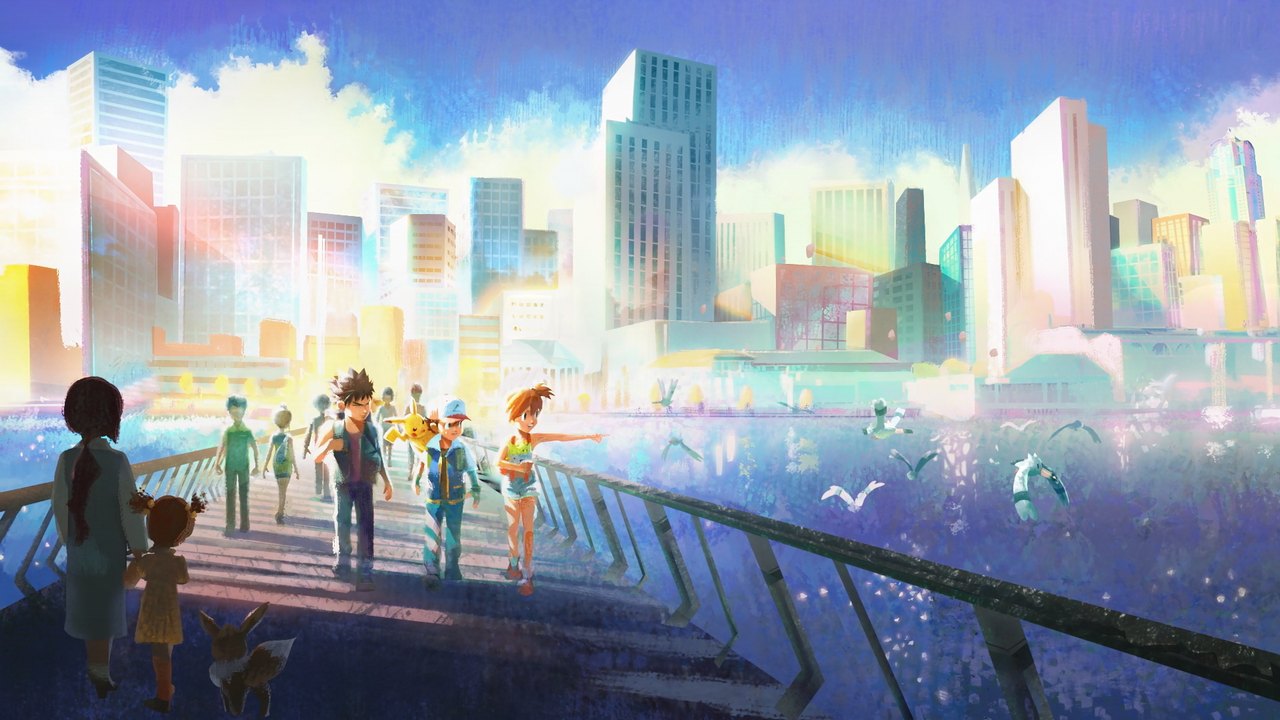
A human who would die to stop a fight between Pokémon is not something Mewtwo had allowed for. Watching the originals and the clones weep together, it understands that the circumstances of its birth do not decide what it is, and that it has its own place in the world just as Mew has. It decides that nobody should remember what happened here. With Mew, it gathers the clones and leaves to find somewhere they can live in peace, wiping the memories of everyone on the island and returning them to Old Shore Wharf, where Jenny and Miranda are still telling the crowd that no boats can sail and Nurse Joy, unaware she was ever gone, is reopening the Pokémon Center as a shelter. The storm vanishes as suddenly as it came. Ash glimpses something flying across the sky – Misty and Brock see only clouds – and remembers the mysterious bird he saw on the first day of his journey, resolving to meet many more Pokémon on the way to becoming a Pokémon Master. On New Island, now green and quiet, Team Rocket decide that having it to themselves is not so bad. The credits roll over paintings of Ash and his friends, and after them Mewtwo and the clones fly towards a remote peak in Johto – Mount Quena, the setting of Mewtwo Returns.

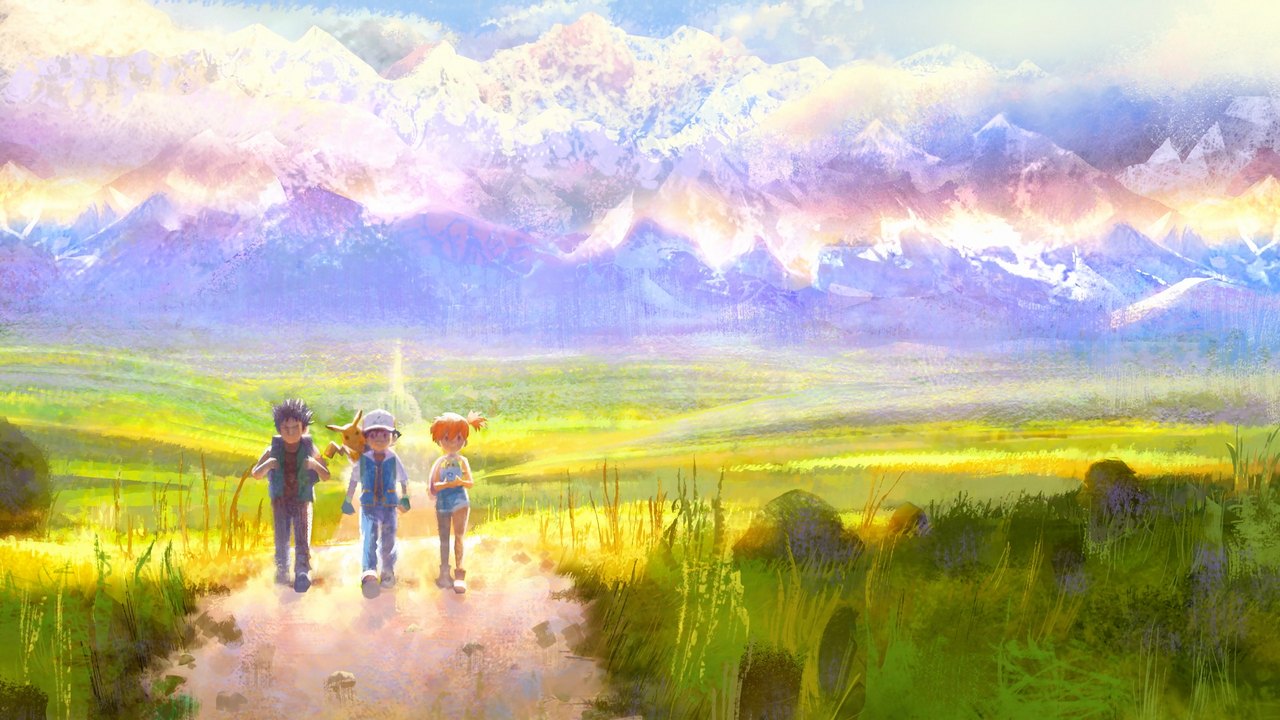

Major Characters
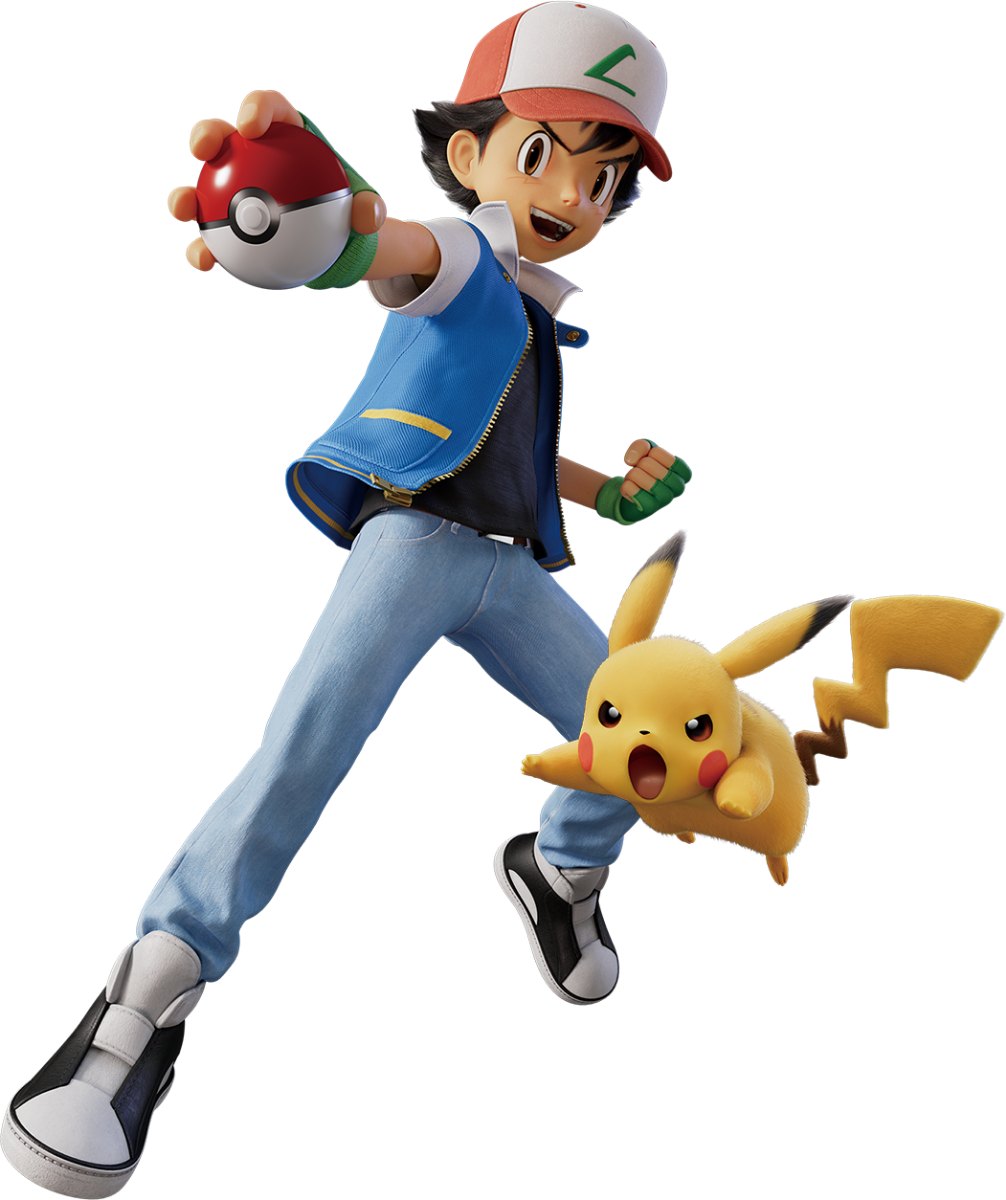
Ash Ketchum (Satoshi), Misty (Kasumi) and Brock (Takeshi) are their 1998 selves rebuilt in three dimensions – Misty’s first leading role in a movie since Pokémon Heroes and Brock’s since Zoroark. Ash brings Pikachu, Bulbasaur, Squirtle and a Charizard that, unlike its television self, does as it is told in every scene but one; Misty has Togepi, Staryu and Psyduck, Brock his Vulpix.
Mewtwo is voiced in Japanese, as it was in 1998, by the stage and musical star Masachika Ichimura, and in English by Dan Green, who had played it in Mewtwo Returns; its armour is redesigned so that it moves in combat and can be locked by Giovanni as a restraint. Mew is Kōichi Yamadera in both languages, exactly as before. Giovanni (Sakaki; Kenta Miyake / Ted Lewis, who also voiced him in the 1999 dub under the name Ed Paul) gains a scene presenting his new weapon to a Team Rocket army, and Dr. Fuji (Minoru Inaba / Billy Bob Thompson) leads the Guyana expedition and dies, presumably, when his laboratory does; the Amber backstory of the Birth of Mewtwo prologue is not in this version.
The three invited Trainers are redesigned but recognisable. Corey (Sorao; Hiroshi Kamiya / Ted Lewis) flies in on Pidgeot with his Venusaur Bruteroot and a jacket now bearing a sword and a shield – a nod to the games due that November; Neesha (Sweet; Ayane Sakura / Lisa Ortiz) rides her Dewgong and commands the Blastoise Shellshocker; and Fergus (Umio; Hiroyuki Yoshino / Carter Cathcart, who voiced him in 1999 as Jimmy Zoppi) crosses on his Gyarados with a team made entirely of blue Water-types. Miranda (Voyager), the harbour manager, is once again the enka singer Sachiko Kobayashi in Japanese – she also sings the ending theme – and Lisa Ortiz in English, and Raymond, the pirate Trainer Ash beats at the start, is once again the Oha Suta personality Raymond Johnson, now with dreadlocks, a beard and a long coat.

Other Characters & Pokémon Debuts
Jessie, James and Meowth do everything they did in 1998 – spy on Ash’s battle, pinch an invitation, ferry the heroes across the strait in disguise and stumble into the cloning laboratory – except that their Viking longboat is now a pedal-powered Lapras and they sing as they go. Meowth meets his own clone, Meowthtwo, and the two agree not to fight; Pikachutwo, the clone with the black-tipped ears, is voiced in Japanese by Megumi Hayashibara as before. Gary Oak loses to the armoured Mewtwo at the Viridian Gym with Arcanine and Nidoking, Nurse Joy (Chika Fujimura / Alyson Leigh Rosenfeld) spends most of the film as Mewtwo’s brainwashed hostess, and Officer Jenny (Chinami Nishimura, who also played her in the original, / Emily Bauer) holds the line at the wharf. A mother and daughter with an Eevee and a Wingull appear in the painted credits.
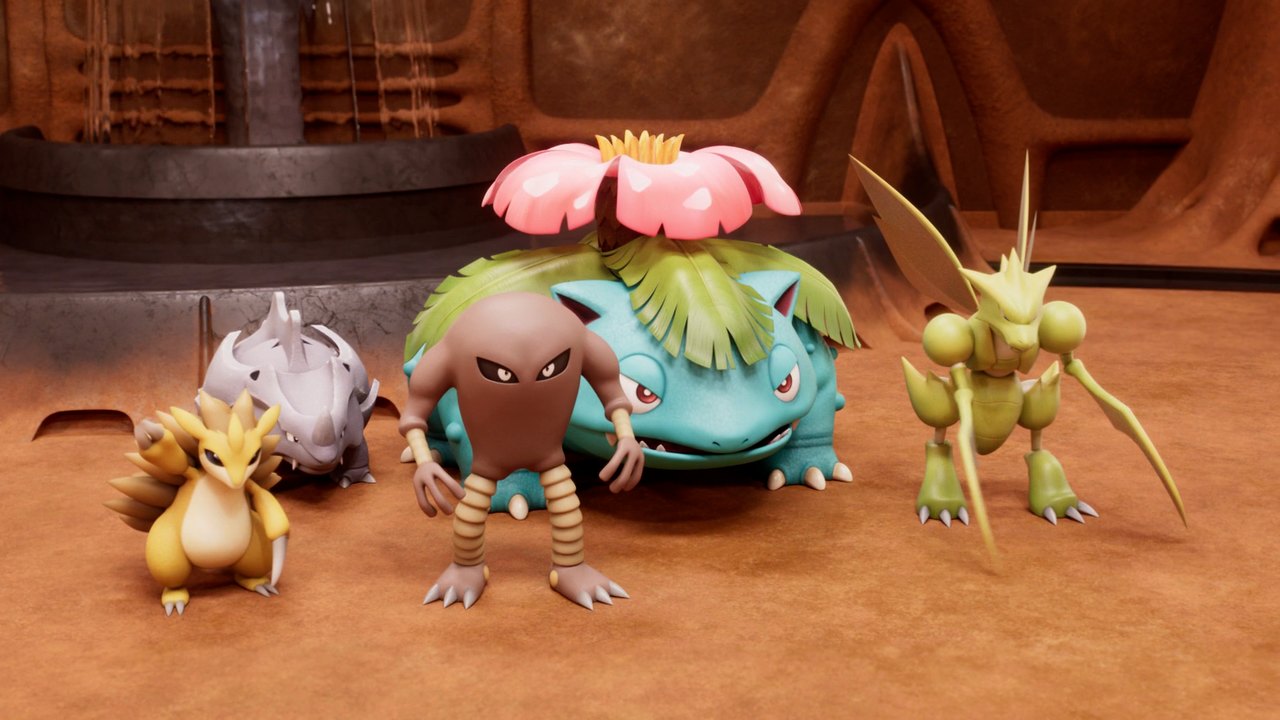
No Pokémon makes its anime debut – the first Pokémon movie since Genesect without one, and the first with no Alola Pokémon at all despite arriving in the middle of Sun & Moon. The cast is almost entirely the original 151, with Togepi and Donphan carried over from the 1998 film and that single Wingull, in the credits, the only Pokémon from any later generation. The clones take centre stage instead: Venusaur, Charizard and Blastoise first, then copies of every Pokémon on the island, from Pidgeot and Scyther to Dewgong, Vileplume and Rapidash.
Cast
The voice cast of both the Japanese and English versions. Almost the entire 1998 Japanese cast returned – Rica Matsumoto, Ikue Ōtani, Mayumi Iizuka, Yūji Ueda, Masachika Ichimura, Kōichi Yamadera, Sachiko Kobayashi, Raymond Johnson and the Team Rocket trio among them – with Kenta Miyake replacing the late Hirotaka Suzuoki as Giovanni and Unshō Ishizuka’s narration recorded before his death in 2018. The English dub, directed by Lisa Ortiz and recorded in New York, pairs the current television cast with three voices from the 1999 dub: Ted Lewis (Giovanni and Corey), Carter Cathcart (Fergus) and Ortiz herself (Miranda), plus Dan Green as Mewtwo from Mewtwo Returns. Its script was translated afresh from the Japanese rather than reusing the 4Kids version.
| Character | English voice actor | Japanese voice actor |
|---|---|---|
| Ash Ketchum (Satoshi) | Sarah Natochenny | Rica Matsumoto |
| Pikachu | Ikue Ōtani | Ikue Ōtani |
| Misty (Kasumi) | Michele Knotz | Mayumi Iizuka |
| Brock (Takeshi) | Bill Rogers | Yūji Ueda |
| Togepi | Satomi Kōrogi | Satomi Kōrogi |
| Mewtwo | Dan Green | Masachika Ichimura |
| Mew | Kōichi Yamadera | Kōichi Yamadera |
| Giovanni (Sakaki) | Ted Lewis | Kenta Miyake |
| Dr. Fuji | Billy Bob Thompson | Minoru Inaba |
| Corey (Sorao) | Ted Lewis | Hiroshi Kamiya |
| Neesha (Sweet) | Lisa Ortiz | Ayane Sakura |
| Fergus (Umio) | Carter Cathcart | Hiroyuki Yoshino |
| Miranda (Voyager) | Lisa Ortiz | Sachiko Kobayashi |
| Raymond | Aaron Phillips | Raymond Johnson |
| Nurse Joy (Joy) | Alyson Leigh Rosenfeld | Chika Fujimura |
| Officer Jenny (Junsar) | Emily Bauer | Chinami Nishimura |
| Pikachutwo | – | Megumi Hayashibara |
| Jessie (Musashi) | Michele Knotz | Megumi Hayashibara |
| James (Kojirō) | Carter Cathcart | Shin-ichirō Miki |
| Meowth (Nyarth) | Carter Cathcart | Inuko Inuyama |
| Narrator | Rodger Parsons | Unshō Ishizuka |
Trailer
The official English trailer for Mewtwo Strikes Back – Evolution, released by Netflix on 21 January 2020.
The second Japanese trailer (April 2019), from the official Pokémon YouTube channel in Japan.
Trading Cards
Japan’s cinema gift, for the first three million people through the doors from 12 July 2019, was Armored Mewtwo (365/SM-P) – Mewtwo in the film’s redesigned black armour, with a Mewtwo disc for the Pokémon Ga-Olé arcade game thrown in. A holofoil Charizard (366/SM-P) showing Mewtwo’s cloned Charizard came in a 7-Eleven-exclusive advance-ticket set from 12 April 2019, with a tin, booster packs from Miracle Twin and Remix Bout and the serial code for a Mewtwo in Let’s Go, Pikachu! and Let’s Go, Eevee!; a Pikachu (367/SM-P) and a jumbo Mewtwo & Mew-GX with the movie logo filled the Mewtwo & Mew-GX Special Jumbo Card Pack of 5 July 2019; a second Pikachu (369/SM-P), with Ash on the card, was tucked into the deluxe edition of Sachiko Kobayashi and Shōko Nakagawa’s theme single; and the cinema pamphlet carried a fourth printing of the legendary Ancient Mew from The Power of One.
Netflix viewers got no card, but the three cinema promos crossed over as SM226 Charizard, SM227 Pikachu and SM228 Armored Mewtwo in the Fall 2019 Collector Chest (22 November 2019), while the Ash-and-Pikachu artwork stayed Japan-only. The headline card of “Mewtwo Year”, the TAG TEAM Mewtwo & Mew-GX, debuted in Miracle Twin in May and reached the West in Unified Minds that August. Everything is catalogued in our Trading Card Game section.
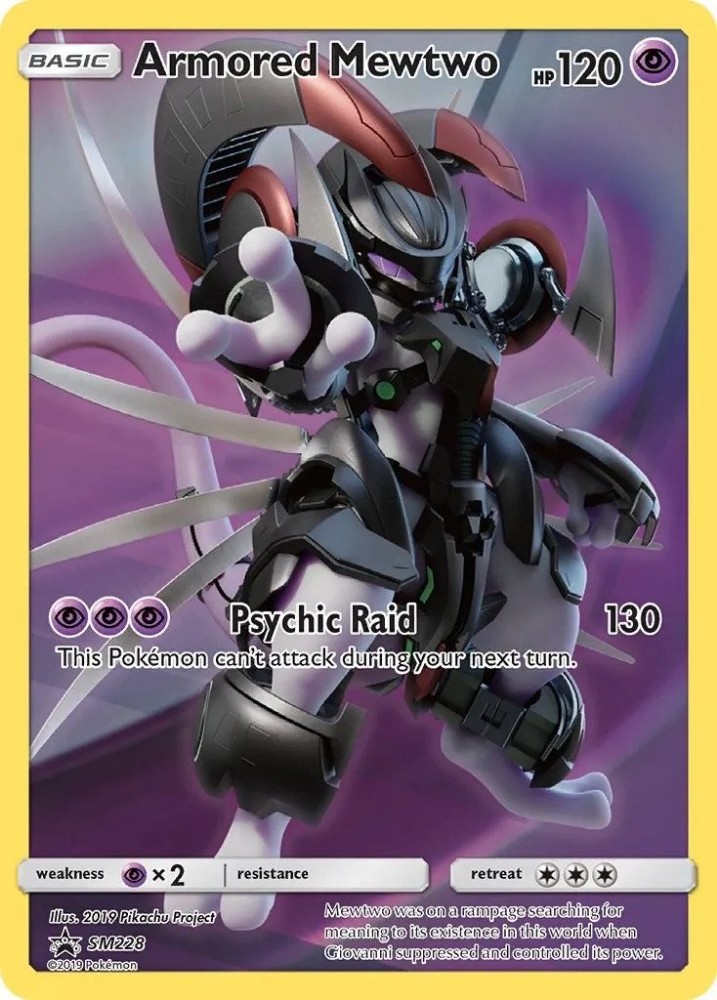 Armored Mewtwo365/SM-P · cinema gift, 12 July 2019; SM228 in English
 Charizard366/SM-P · 7-Eleven advance-ticket set, 12 April 2019; SM226 in English
 Pikachu367/SM-P · Mewtwo & Mew-GX Special Jumbo Card Pack, 5 July 2019; SM227 in English
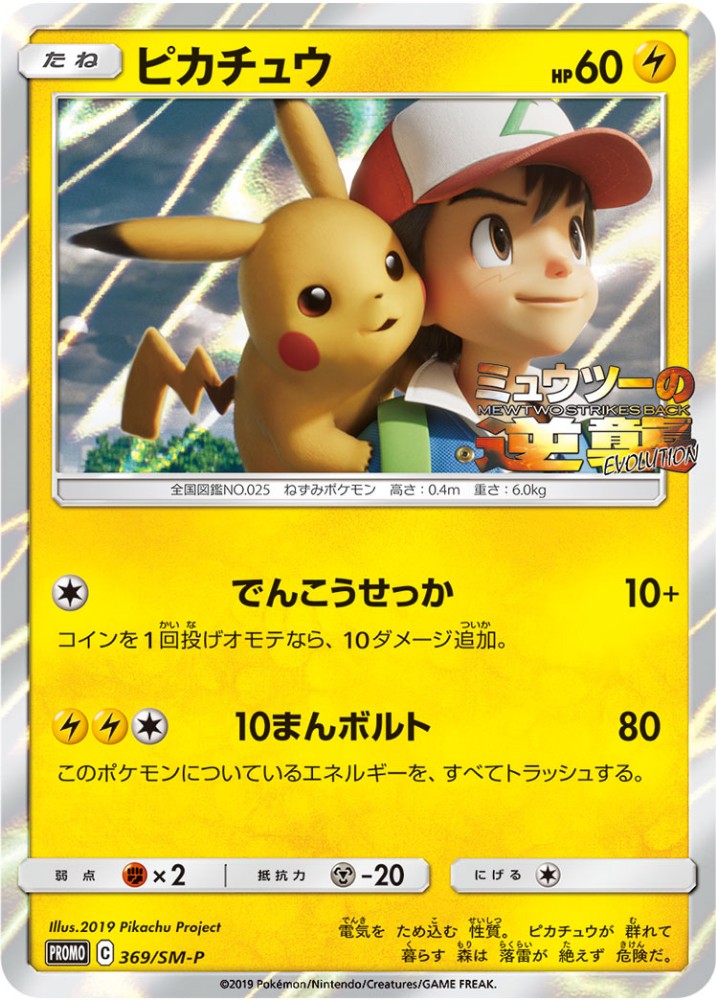 Pikachu369/SM-P · with the deluxe “Together With the Wind” single, 10 July 2019
 Ancient MewFourth Japanese printing · with the cinema pamphlet, 12 July 2019
 Mewtwo & Mew-GX Special Jumbo Card Pack5 July 2019 · the jumbo Mewtwo & Mew-GX with the movie logo, plus Pikachu 367/SM-P
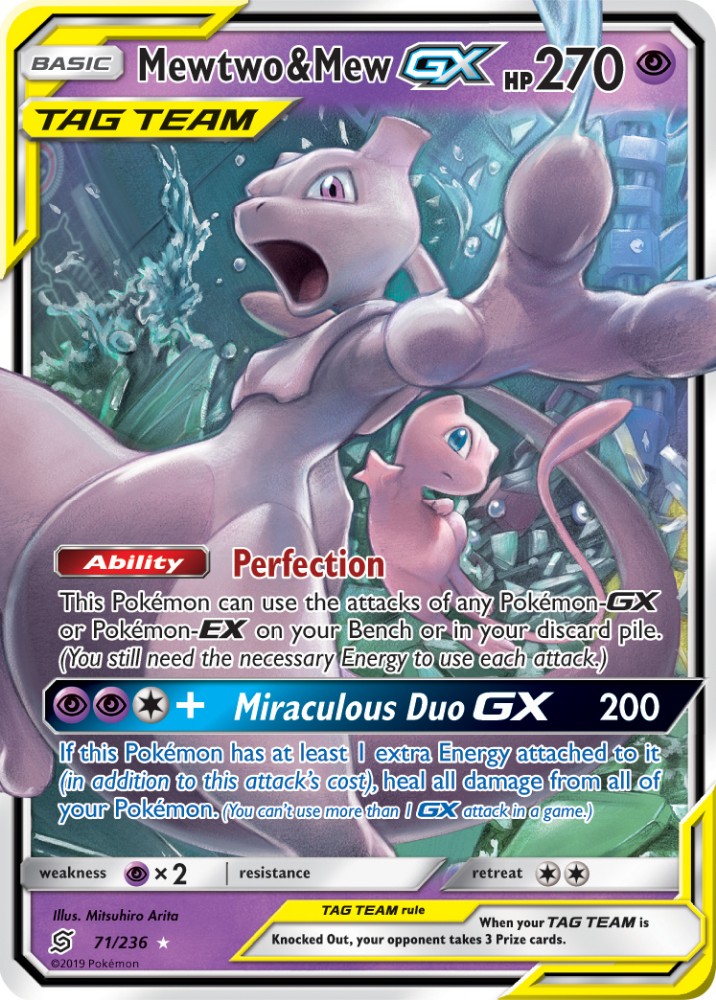 Mewtwo & Mew-GXUnified Minds 71/236 · Miracle Twin 029/094 in Japan
Movie Ads & Posters
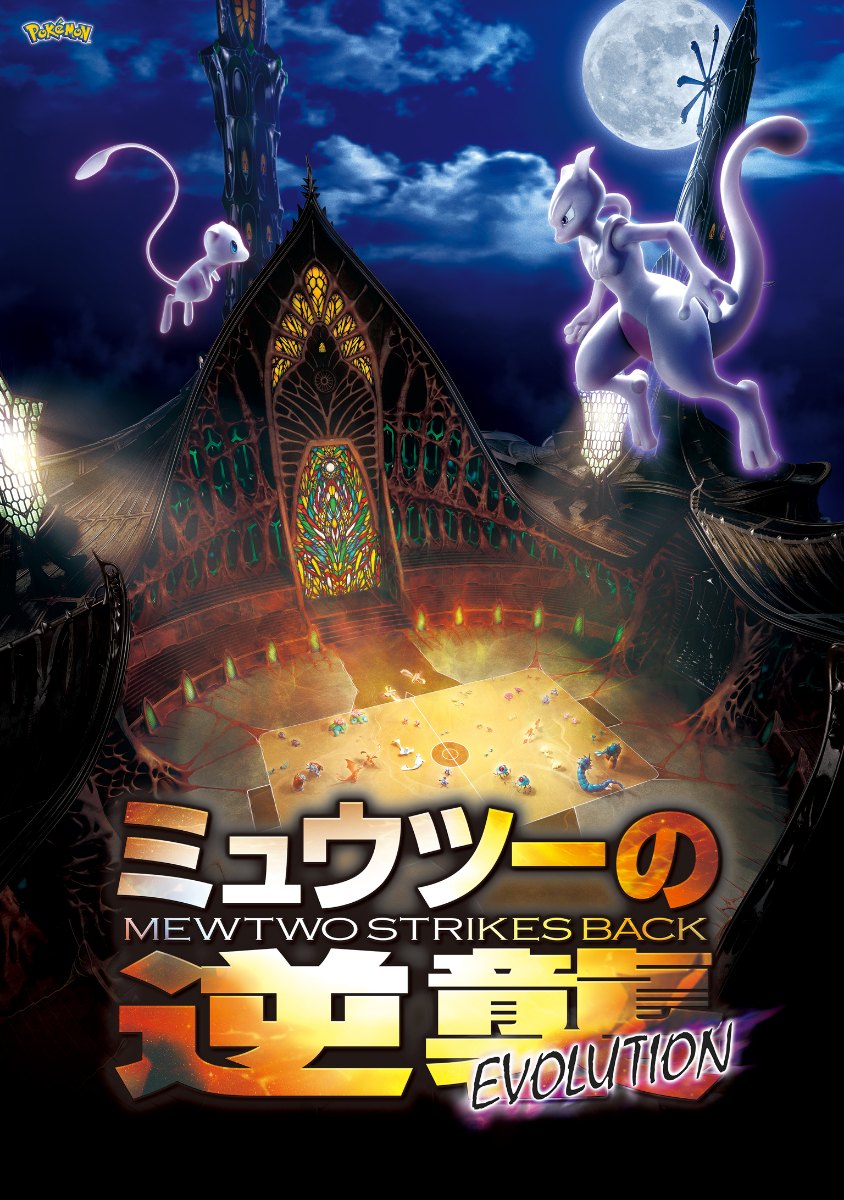
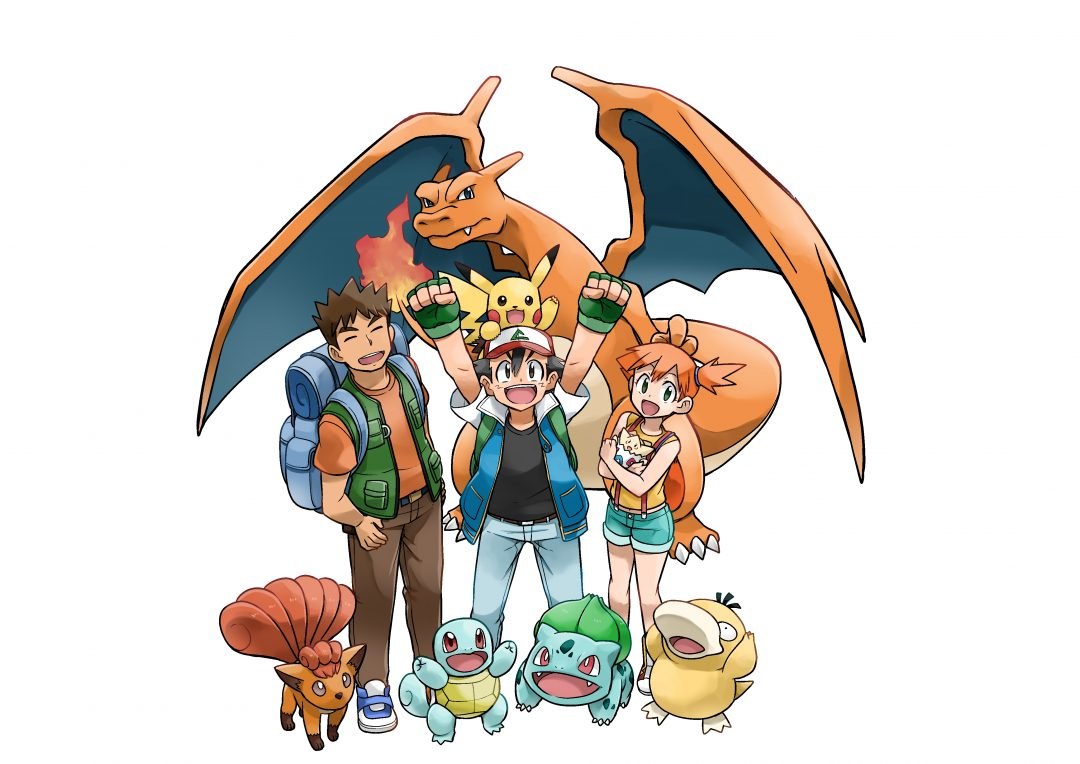
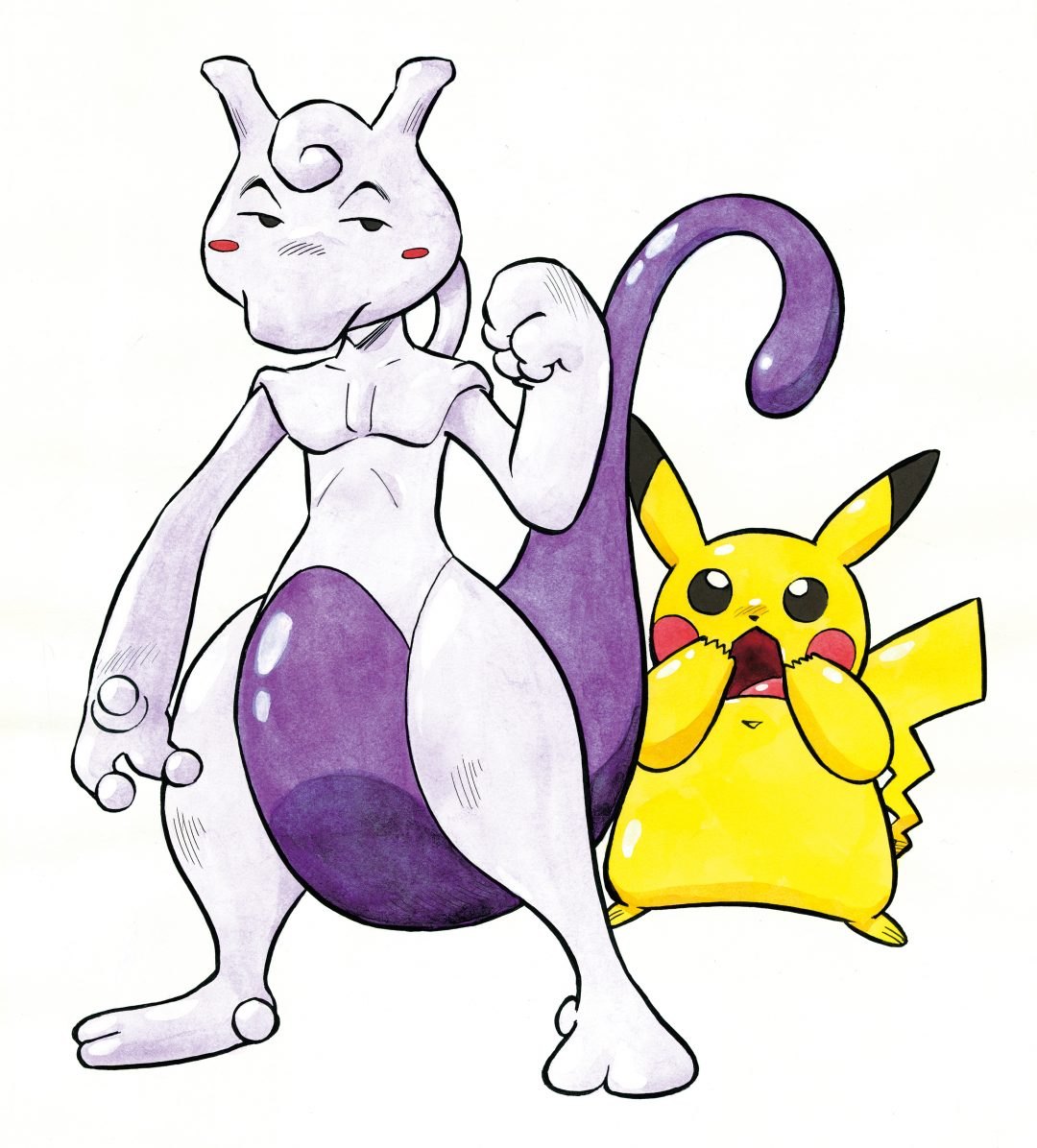
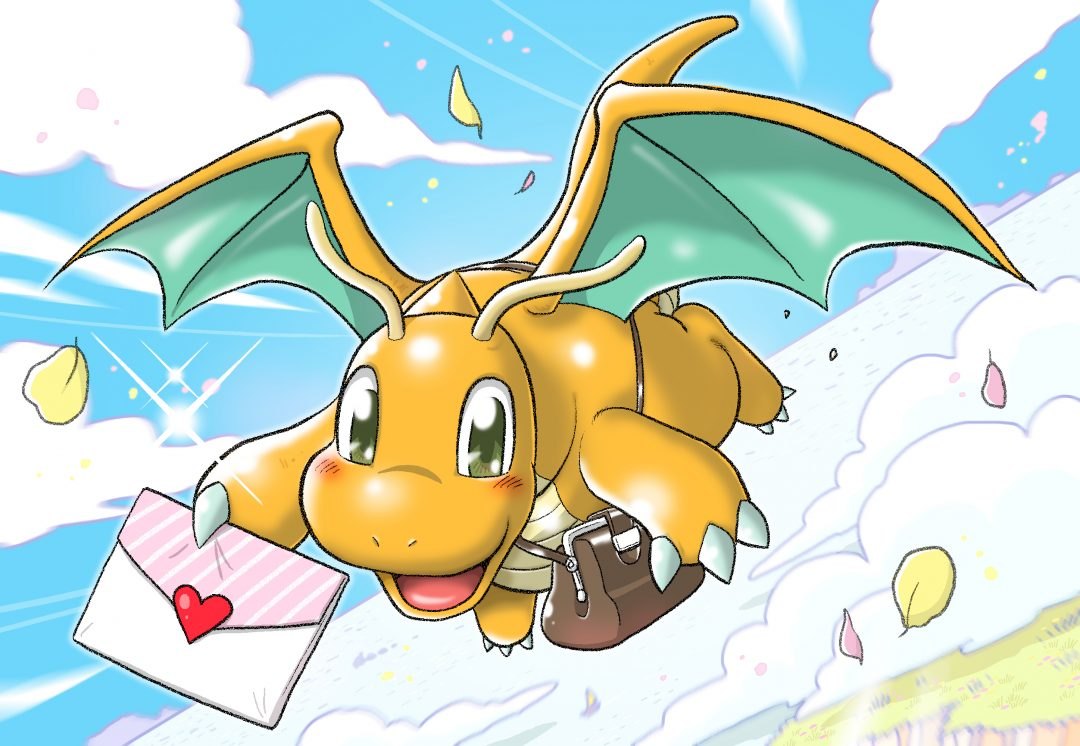
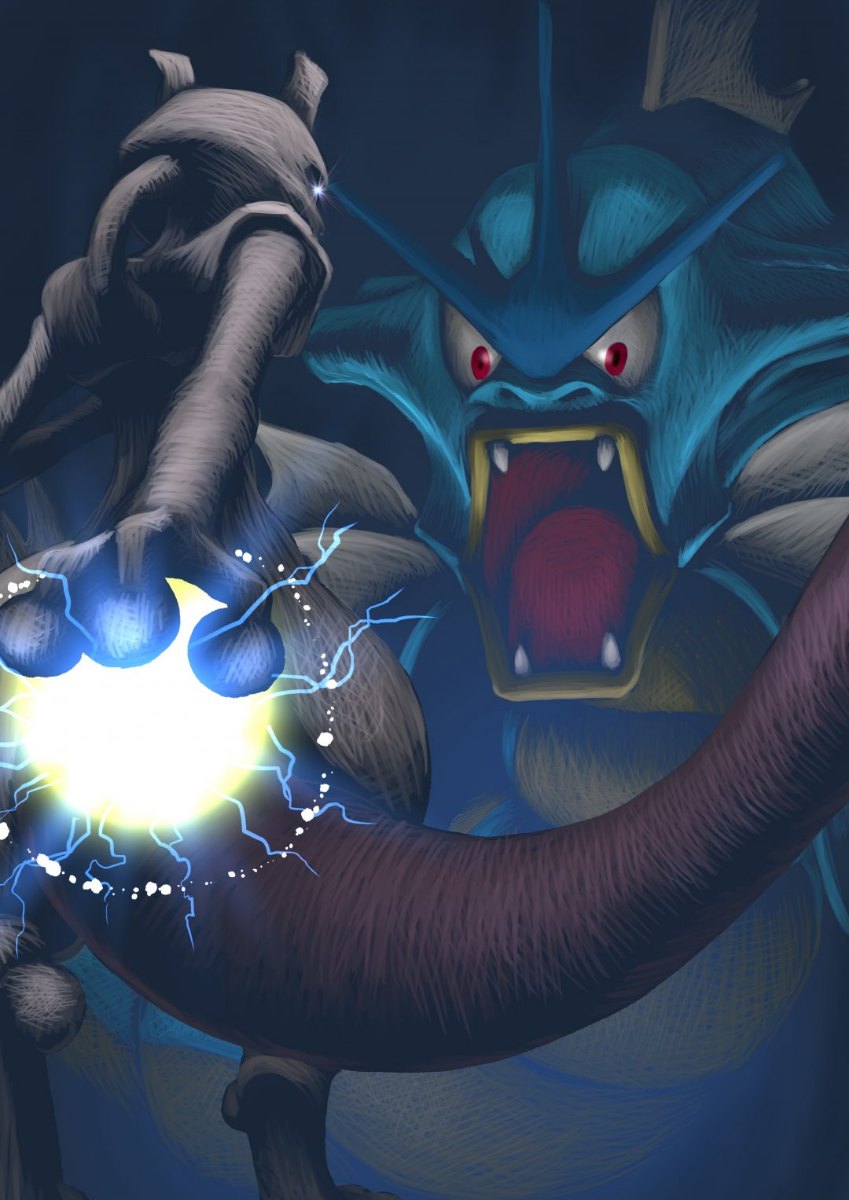
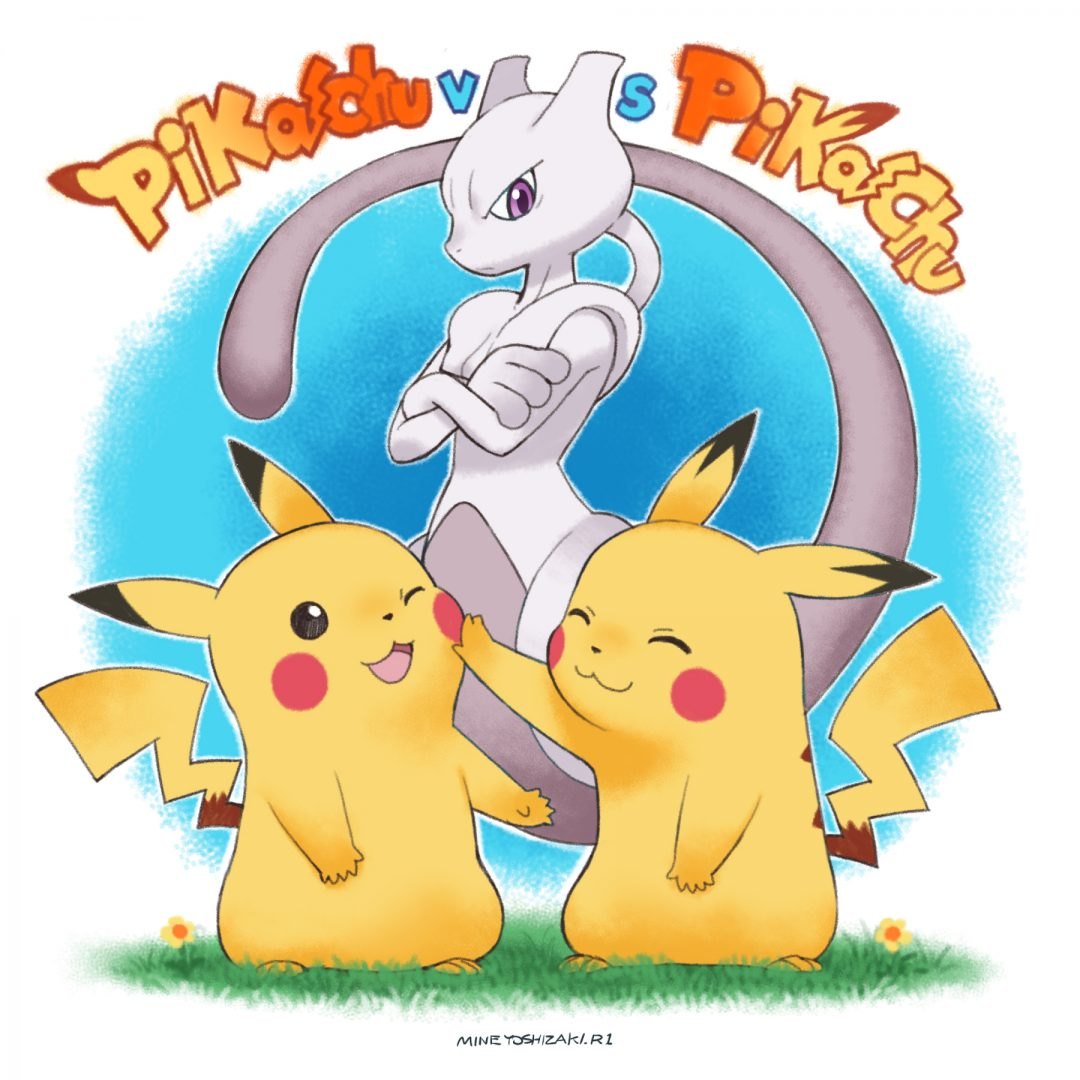
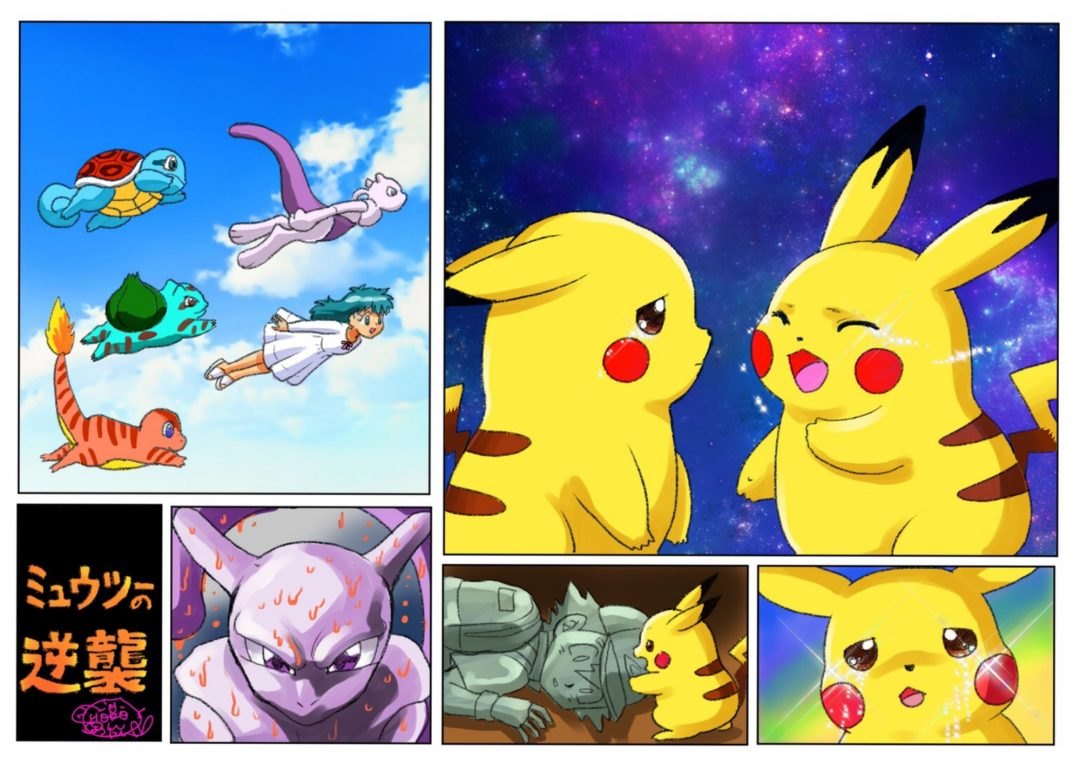
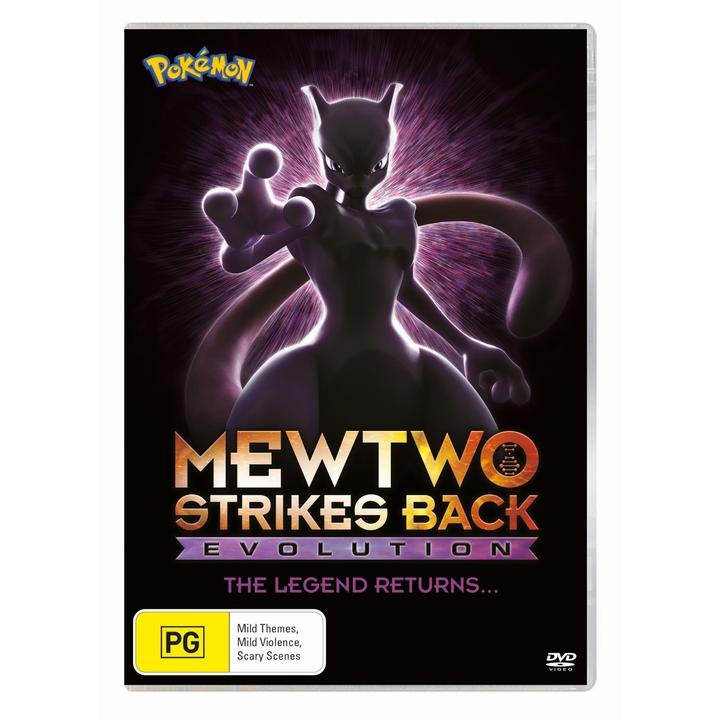
Posters and home-video artwork for Mewtwo Strikes Back – Evolution – the December 2018 teaser of Mewtwo’s eye that echoed the 1998 teaser, the Japanese theatrical poster, the key art, both English posters, the logos, CoroCoro’s tribute artwork by seven guest artists, and the Japanese and Australian DVD and Blu-ray releases. The Viz Media covers and any magazine adverts are still wanted.







Trivia & Facts
- A film of firsts: the first fully computer-animated Pokémon movie, the first remake, the first with two directors, the first released in the Reiwa era, the first whose Japanese title drops the Pocket Monsters the Movie prefix, and the first to premiere internationally on a streaming service rather than in cinemas or on television.
- Takeshi Shudō, who wrote the original and died in 2010, is credited for the screenplay because the remake follows his 1998 script almost shot for shot; The Pokémon Company obtained the rights from his estate. Unshō Ishizuka’s narration was recorded in March 2018, five months before he died, so this is the last Pokémon movie with his voice. The two directors split the work between Tokyo and Los Angeles: around 250 people, 1,168 shots and 208 CG models, and – according to the production’s own account – meetings devoted solely to making sure Pikachu looked cute enough.

The new post-credits shot: Mewtwo and the clones heading for Mount Quena, where Mewtwo Returns picks up the story. Screenshot: Mewtwo Strikes Back – Evolution · via Bulbapedia - Almost everything is the same, and the differences are the fun of it: the laboratory is white, the castle staircase is a double helix, Mewtwo’s armour moves and doubles as a restraint, Giovanni gets a helicopter and a speech to his troops, Raymond’s Golem becomes a Drowzee (so that Pikachu’s Thunderbolt no longer beats a Ground type), far more Trainers brave the storm, Team Rocket’s Viking boat is a pedal-powered Lapras, Charizard behaves, Ash turns to black stone rather than grey, Corey’s jacket carries a sword and a shield, Miranda wears Māori fish-hook earrings, a Wingull appears in the credits, and the final shot points to Mount Quena rather than Mew flying off into the mountains.
- The Japanese ending theme is a 2019 recording of Kaze to Issho ni (Together With the Wind), the 1998 film’s theme, by Sachiko Kobayashi – Miranda’s voice – and Shōko Nakagawa; the opening is a remaster of Rica Matsumoto’s Mezase Pokémon Master ’98. The English version replaces them with Ed Goldfarb’s Pokémon Theme (Mewtwo Mix) and Keep Evolving, sung by Haven Paschall, but otherwise keeps Shinji Miyazaki’s score, which weaves in themes from four earlier movies; the 1999 dub’s pop soundtrack does not return.
- The game tie-ins were a level 70 Mewtwo for Let’s Go, Pikachu! and Let’s Go, Eevee!, via serial codes with Japanese advance tickets from 12 April 2019, whose Trainer ID – 980718 – is the original film’s release date, and Armored Mewtwo’s debut in Pokémon GO raids from 10 to 31 July 2019, announced on stage at Anime Expo; it returned for Pokémon Day 2020 alongside raids against the clone starters and a photobombing clone Pikachu, while Sword and Shield ran Max Raids against an uncatchable Mewtwo.

The redesigned armour, which went straight into Pokémon GO as Armored Mewtwo. Screenshot: Mewtwo Strikes Back – Evolution · via Bulbapedia - The dub was re-translated from the Japanese rather than built on the 1999 script, though it winks at it: Brock’s rice balls are once again “jelly doughnuts”. Other changes include Fuji’s talk of God becoming “nature”, a researcher’s “devil or angel” becoming “good or evil”, the loss of Raymond’s line about Ash’s eight badges, and every Pokémon being heard crying in the final scene where the Japanese track lets only Pikachu be heard.
- For the Japanese release CoroCoro commissioned tribute artwork from seven artists, among them Pokémon Adventures illustrator Satoshi Yamamoto, Pocket Monsters manga creator Kosaku Anakubo and Shōko Nakagawa herself; a special promotional video was cut to Rita Ora’s Let You Love Me – she had played Dr. Ann Laurent in Detective Pikachu – and on the morning of the TV countdown special Kōichi Yamadera and Raymond Johnson co-hosted Oha Suta together for the first time in eighteen years.

Satoshi Yamamoto’s CoroCoro tribute artwork. Image via Bulbapedia - Netflix reported it as the most-watched anime title on its US service in 2020, and because it was released there as a Netflix original it stayed on the service when every other Pokémon film and series left in April 2022. It is also the only Pokémon title on US Netflix with a Japanese audio track. A manga adaptation by Machito Gomi (Shogakukan, July 2019; Viz, August 2020) drops the Guyana prologue and the Meowth clone, and has Giovanni’s Rhydon fight Mewtwo.
Errors
- The remake is unusually clean – Bulbapedia catalogues no animation or continuity errors in the film itself, and it fixes the most famous one from 1998 by swapping Raymond’s Golem, a Ground type felled by an Electric attack, for a Drowzee.

Pinsir, Venomoth and Drowzee – no Golem this time. Screenshot: Mewtwo Strikes Back – Evolution · via Bulbapedia - In the Czech dub, when Nurse Joy introduces Ash, Misty and Brock before asking whether they need to be invited, she describes Brock as Misty’s brother.
Reviews & Reception
In Japan the film did exactly what a nostalgic remake was supposed to do. It opened on 12 July 2019 at number two behind Toy Story 4 with ¥553 million and 454,000 admissions in its first two days – a tenth up on The Power of Us and the best Pokémon opening in five years – and finished on ¥2.98 billion, tenth among Japanese films of the year, a shade behind its predecessor’s ¥3.09 billion and almost exactly level with Detective Pikachu’s take in the same market. South Korea added $693,000 from its cinema run in autumn 2020. Everywhere else the film went straight to Netflix, where it was reported as the most-watched anime title in the US in 2020.
Western critics, who saw it on Netflix in February 2020, were cooler. Its Rotten Tomatoes score settled at 44% from nine reviews, with an audience score of 46%, and there is no Metacritic page at all. The Los Angeles Times’ Charles Solomon thought the human characters had the plastic look of early CGI and that after twenty years it all felt very familiar; Anime News Network’s Callum May, reviewing the Anime Expo premiere, gave it a D+ and called the direction tame and safe; RPGFan could not recommend it over the original. On the other side, Polygon’s Julia Lee found a childhood favourite with better graphics a treat, Thrillist called it a triumph of nostalgia that Detective Pikachu had not quite managed, and Common Sense Media gave it three stars and an 8+ rating while noting that the real takeaway was the switch to 3D.
Fans split along the same line. The faithful retelling, Ichimura’s and Green’s Mewtwo, the effects animation and the single-take battle of the clones were widely admired, and the Anime Expo audience reportedly applauded Mewtwo’s first line and wept at the petrification; but the uncanny human models, the flat lighting and the absence of the 1999 dub’s soundtrack drew heavy criticism, and many simply asked why a near shot-for-shot remake was needed. Letterboxd’s average, the lowest of any Pokémon movie there, reflects that. On home video it reached Japan on 18 December 2019, the US via Viz Media on 17 November 2020 and Australia via Shock on 3 March 2021, and it remains on Netflix worldwide.
Scores at a glance (as of October 2026)
- IMDb – 5.7/10 user rating
- Rotten Tomatoes – 44% Tomatometer (9 reviews) · 46% audience score“After 20 years, it all feels very familiar” – Charles Solomon, Los Angeles Times
- Letterboxd – 2.5/5 average from 28,000+ ratings
- Common Sense Media – 3/5 stars · recommended for ages 8+“The ultimate takeaway is the change to 3D animation” – Brian Costello
- Anime News Network – D+ overall (story B, animation C−)“Inconsistent, tame, and ultimately safe” – Callum May