  |
|
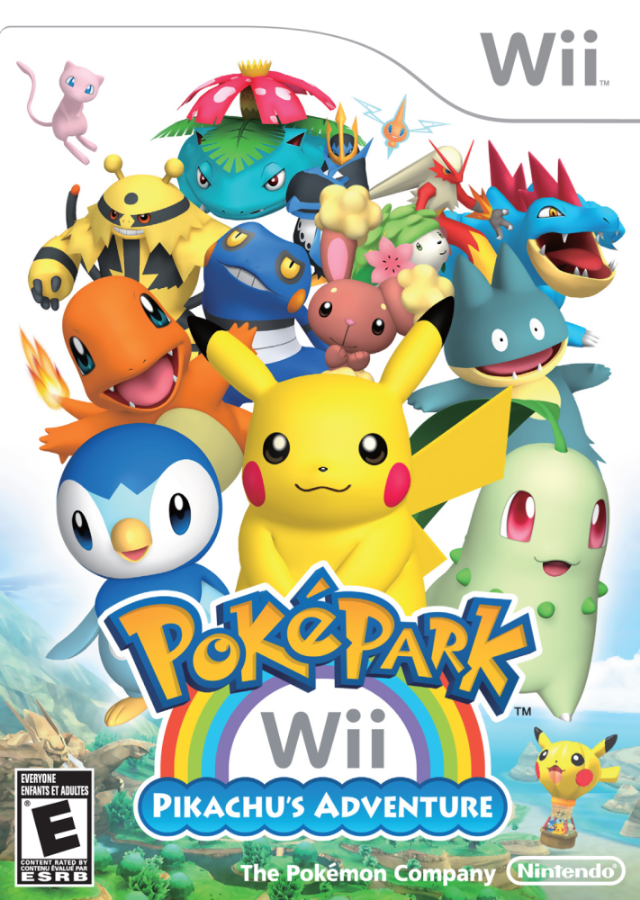
| Titles | PokéPark Wii: Pikachu’s Adventure ポケパークWii ~ピカチュウの大冒険~ (Poképāku Wii: Pikachū no Daibōken) |
| Platform | Wii (played with the Wii Remote; an SD card holds extra photos) |
| Developer | Creatures Inc., with Bauhaus Entertainment (programming and graphics) |
| Publisher | Nintendo (The Pokémon Company in Japan) |
| Director | Kenji Takahashi |
| Music | Ken-ichi Koyano · Manami Kiyota · SIGERO |
| Players | Single player |
| Genre | Action-adventure |
| Pokémon | 193 to befriend from Generations I–IV (P-001 Chatot to P-193 Deoxys), plus Pikachu |
| Attractions | 14, each holding one of the 14 Sky Prism Pieces |
| Released | 5 December 2009 (Japan) · 1 November 2010 (North America) · 23 September 2010 (Australia) · 9 July 2010 (Europe) · 25 February 2010 (Hong Kong) |
| Re-releases | Nintendo Selects (Europe), 18 October 2013 · Wii U eShop: 16 July 2015 (Europe, Australia), 19 May 2016 (North America), 5 July 2017 (Japan) |
| Rating | ESRB E · PEGI 3 · CERO A · ACB G |
| Predecessor | None (the first PokéPark game) |
| Successor | PokéPark 2: Wonders Beyond (2011) |
| Sales | 1.25 million shipped by December 2022 (CESA) · 323,279 in Japan by June 2010 (Famitsu) |
Overview
 Released on the Nintendo Wii, PokéPark Wii: Pikachu’s Adventure is an adventure and action spin-off Pokémon game, in which the player uses Pikachu as the main character to collect Sky Prism Pieces in different locations by clearing their respective attractions. In order to finish these challenges, Pikachu will have to cooperate with other Pokémon and earn their friendship, through fun Skill Games that range from games of tag to quizzes.
The game features 193 Pokémon to befriend from the first four generations, all represented by smooth and vivid 3D models and animations. Like most of the Pokémon games, the music themes and soundtracks were also well composed and fitting for the various environments. Additionally, one would notice that the game uses actual Pokémon voices from the anime instead of generic cries.
Run, Jump, Smash! Play as Pikachu and save the PokéPark!
Experience the action-packed Attractions at the PokéPark! Zip across land, sea, and sky to show off your speed and skill! Dive into a new world of adventure in the PokéPark!
— Official description
Quick Answers
The questions people ask about PokéPark Wii: Pikachu’s Adventure, answered first and explained further down the page.
How many Pokémon can you befriend in PokéPark Wii?
193. The Friend List runs from P-001 Chatot to P-193 Deoxys and covers Pokémon from the first four generations; Pikachu, the player character, is not counted. Most are won over through Skill Games or small errands, while the last 14 entries, mostly Legendary and Mythical Pokémon, need attraction bonuses, passwords or the ending. More →
How do you unlock Mew, Latios, Deoxys and the other Legendary Pokémon?
Most are rewards for top results in the attractions. Post strong enough bonus scores in an attraction and its star performer turns up, such as Latios for Salamence’s Air Ace or Deoxys for Rayquaza’s Balloon Panic. Groudon, Jirachi, Darkrai and Celebi also need a password, and Mew joins after the Sky Pavilion. More →
Are the PokéPark Wii passwords real, and how do you enter them?
Yes. There are seven eight-digit passwords, and the numbers differ between the Japanese, North American and European/Australian versions. They unlock Pikachu’s surfboard, snowboard and balloons and make Groudon, Jirachi, Darkrai and Celebi appear. Pick your save file, choose the password option on the main menu and dial in the digits. More →
How many Sky Prism Pieces and attractions are there?
Fourteen of each. Every attraction holds one Sky Prism Piece, awarded the first time its bonus score is beaten. The attractions are spread across eight zones, from Bulbasaur’s Daring Dash in the Meadow Zone to Rayquaza’s Balloon Panic in the Flower Zone, and entry costs between 5 and 40 Berries. More →
Can you still play PokéPark Wii today? Is it on Nintendo Switch?
Only on older Nintendo hardware. The disc runs on a Wii or a backward-compatible Wii U, and a download version was sold on the Wii U eShop from 2015, but that shop stopped selling games in March 2023. As of October 2026 the game is not part of Nintendo Classics on Switch or Switch 2. More →
Does PokéPark Wii have multiplayer?
No. It is a single-player adventure: Pikachu explores the park alone, with Chikorita, Charmander and Piplup as story companions, and attractions are played against computer rivals. Befriended Pokémon can stand in for Pikachu in attractions, but only one person ever plays. The missing multiplayer was one of GameSpot’s main complaints. More →
Story

The game begins with a scene of Pikachu, Charmander, Piplup and Chikorita playing together, when suddenly Mew appears and summons a dark portal into the ground. Piplup accidentally bumps Pikachu into the hole, so its friends decide to follow it, to discover that the hole actually leads to the PokéPark, a giant park where many Pokémon live. In a dream, Mew explains that the PokéPark is in danger, as the Sky Prism, holding the Sky Pavilion in the air, has been shattered into 14 pieces, and the Sky Pavilion will inevitably fall on the park. He then asks Pikachu to collect all the Sky Prism Pieces, which are won by beating the bonus scores of the park’s attractions, while befriending the Pokémon there through Skill Games.
Upon collecting the final piece, won from Rayquaza’s Balloon Panic in the Flower Zone, Pikachu and his companions meet Shaymin, who helps them fly to the Sky Pavilion: once Pikachu has watered the Gracidea flower, Shaymin takes its Sky Forme and leads the way, while the friends follow in a Pikachu hot-air balloon. There, the Pokémon search together for Mew, but in vain. They soon notice there is another Piplup, who turns out to be Mew. Mew then informs Pikachu that they need more friendship energy to restore the Sky Prism to its original state, and that building friendship between him and Pikachu should suffice. To do so, he invites Pikachu to three Skill Games: Obstacle Hop, Battle – in which Mew transforms into Magmortar, Garchomp and Tyranitar in turn – then Chase. Upon finishing all three, the two Pokémon become friends and the Sky Prism is finally restored, bringing peace to the troubled PokéPark.

Who’s who

Pikachu
The hero and the only Pokémon the player controls while exploring. After tumbling into the PokéPark he sets out to rebuild the Sky Prism, making friends wherever he goes. He speaks with his anime voice, Ikue Ōtani, and is the only Pokémon who can take part in every attraction, though four of them need his surfboard, snowboard or balloons first.
- Mew: The playful Mythical Pokémon who opens the hole that brings Pikachu to the PokéPark and then asks him, in a dream, to collect the Sky Prism Pieces. It lives in the Sky Pavilion, plays a last trick by posing as Piplup, and makes Pikachu prove his friendship in three final Skill Games. Afterwards it becomes the fastest runner in Bulbasaur’s Daring Dash.
- Chikorita: One of the three friends playing with Pikachu when the adventure begins. Chikorita follows him into the hole, is found again in the park and becomes a Best Friend automatically. It joins the trip to the Sky Pavilion and, on the morning after the celebration, spots the signboard by the Treehouse that carries Celebi’s password.
- Charmander: Another of Pikachu’s playmates, Charmander falls down a hole into the Lava Zone and has to be found there. It hints that something shiny sits at the top of the Treehouse, which turns out to be the mirror needed to summon Rayquaza. It closes the story by setting off fireworks shaped like Pikachu and Mew.
- Piplup: The third friend, Piplup is the one who accidentally knocks Pikachu into Mew’s hole. It announces that the hot-air balloon in the Beach Zone has been mended, brings it to the Flower Zone with Chikorita and Charmander, and stays to guard it at the Sky Pavilion. Mew borrows its appearance for the final trick, so for a while there are two Piplup.
- Chatot: The first Pokémon Pikachu meets when he wakes at the PokéPark Entrance. Worried about the strange arrival, Chatot runs a test covering dashing, jumping and a Chase, then hands over the PokéPark Pad. It becomes the first name on the Friend List.
- Shaymin: Shaymin knows the way to the Sky Pavilion and warns that Mew may be playing tricks. It needs the mirror and every Sky Prism Piece, and cannot change Forme until the Gracidea flower blooms. Once Pikachu waters it with Bellossom’s watering can, Shaymin takes its Sky Forme and leads the balloon skywards. Shaymin is also the best runner in Absol’s Hurdle Bounce.
- Rayquaza: Rayquaza left the Flower Zone when an earthquake knocked its summoning mirror off the dais. When Pikachu returns the mirror, a beam of light calls Rayquaza back, and its Balloon Panic attraction guards the final Sky Prism Piece. Beating it earns Rayquaza’s praise and sends the friends back to Shaymin.
Pokémon
There are 193 Pokémon that appear in the game and can be befriended (excluding Pikachu itself), and they are as follows:
 Bulbasaur#001
 Venusaur#003
 Charmander#004
 Charizard#006
 Squirtle#007
 Blastoise#009
 Caterpie#010
 Metapod#011
 Butterfree#012
 Weedle#013
 Kakuna#014
 Pidgeotto#017
 Spearow#021
 Raichu#026
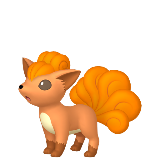 Vulpix#037
 Ninetales#038
 Zubat#041
 Golbat#042
 Oddish#043
 Diglett#050
 Dugtrio#051
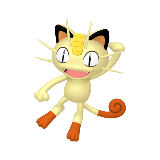 Meowth#052
 Psyduck#054
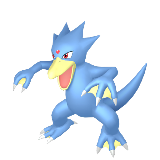 Golduck#055
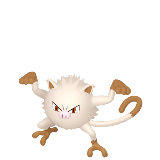 Mankey#056
 Primeape#057
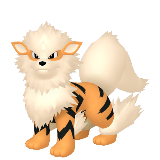 Arcanine#059
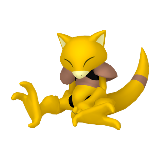 Abra#063
 Machamp#068
 Geodude#074
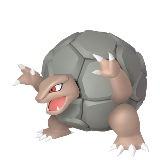 Golem#076
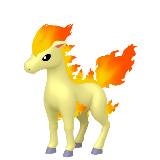 Ponyta#077
 Slowpoke#079
 Magnemite#081
 Farfetch’d#083
 Gastly#092
 Haunter#093
 Gengar#094
 Krabby#098
 Voltorb#100
 Electrode#101
 Marowak#105
 Hitmonlee#106
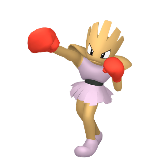 Hitmonchan#107
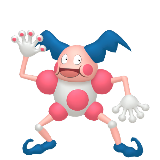 Mr. Mime#122
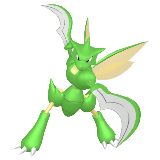 Scyther#123
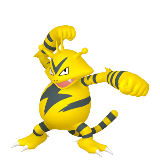 Electabuzz#125
 Magikarp#129
 Gyarados#130
 Lapras#131
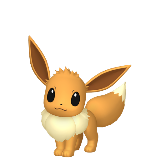 Eevee#133
 Vaporeon#134
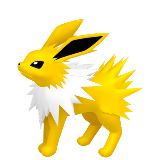 Jolteon#135
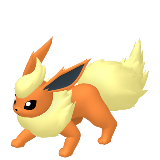 Flareon#136
 Aerodactyl#142
 Snorlax#143
 Dragonite#149
 Mew#151
 Chikorita#152
 Cyndaquil#155
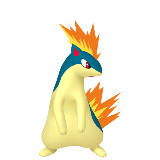 Quilava#156
 Totodile#158
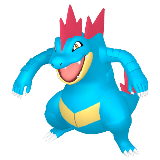 Feraligatr#160
 Furret#162
 Spinarak#167
 Pichu#172
 Mareep#179
 Bellossom#182
 Sudowoodo#185
 Hoppip#187
 Skiploom#188
 Jumpluff#189
 Aipom#190
 Quagsire#195
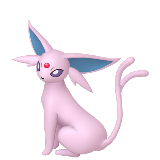 Espeon#196
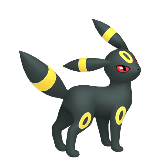 Umbreon#197
 Murkrow#198
 Misdreavus#200
 Scizor#212
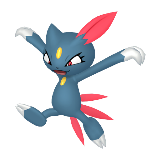 Sneasel#215
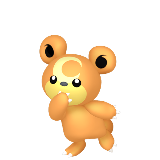 Teddiursa#216
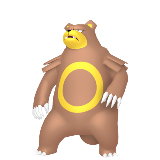 Ursaring#217
 Magcargo#219
 Piloswine#221
 Corsola#222
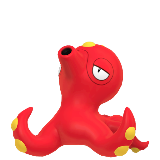 Octillery#224
 Delibird#225
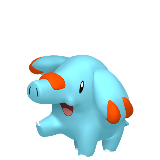 Phanpy#231
 Hitmontop#237
 Smoochum#238
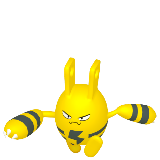 Elekid#239
 Magby#240
 Suicune#245
 Tyranitar#248
 Celebi#251
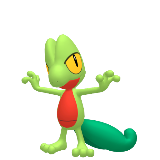 Treecko#252
 Torchic#255
 Blaziken#257
 Mudkip#258
 Lotad#270
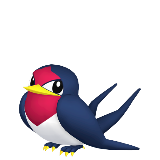 Taillow#276
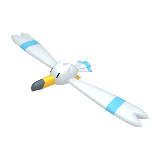 Wingull#278
 Pelipper#279
 Kirlia#281
 Shroomish#285
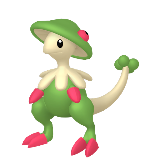 Breloom#286
 Azurill#298
 Sableye#302
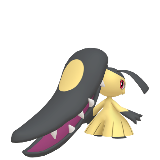 Mawile#303
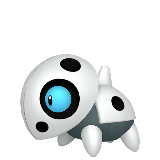 Aron#304
 Meditite#307
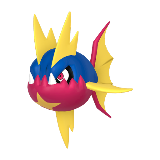 Carvanha#318
 Sharpedo#319
 Wailord#321
 Camerupt#323
 Torkoal#324
 Flygon#330
 Corphish#341
 Baltoy#343
 Claydol#344
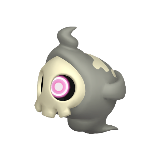 Duskull#355
 Tropius#357
 Absol#359
 Wynaut#360
 Glalie#362
 Spheal#363
 Salamence#373
 Metagross#376
 Latias#380
 Latios#381
 Groudon#383
 Rayquaza#384
 Jirachi#385
 Deoxys#386
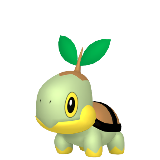 Turtwig#387
 Torterra#389
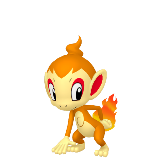 Chimchar#390
 Infernape#392
 Piplup#393
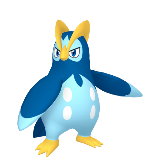 Prinplup#394
 Empoleon#395
 Starly#396
 Staravia#397
 Staraptor#398
 Bidoof#399
 Bibarel#400
 Shinx#403
 Luxray#405
 Budew#406
 Cranidos#408
 Bastiodon#411
 Burmy#412
 Pachirisu#417
 Buizel#418
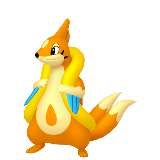 Floatzel#419
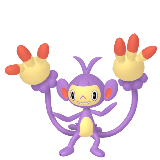 Ambipom#424
 Drifloon#425
 Drifblim#426
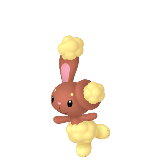 Buneary#427
 Lopunny#428
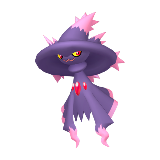 Mismagius#429
 Honchkrow#430
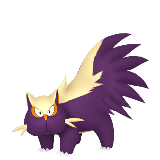 Stunky#434
 Skuntank#435
 Bronzor#436
 Bonsly#438
 Mime Jr.#439
 Chatot#441
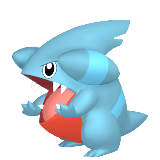 Gible#443
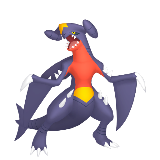 Garchomp#445
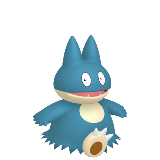 Munchlax#446
 Riolu#447
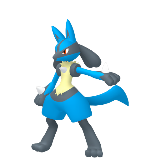 Lucario#448
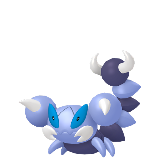 Skorupi#451
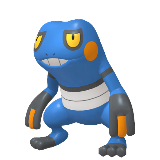 Croagunk#453
 Magnezone#462
 Rhyperior#464
 Tangrowth#465
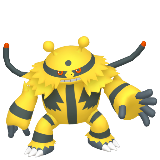 Electivire#466
 Magmortar#467
 Togekiss#468
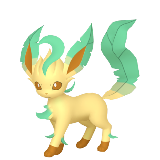 Leafeon#470
 Glaceon#471
 Gliscor#472
 Mamoswine#473
 Porygon-Z#474
 Dusknoir#477
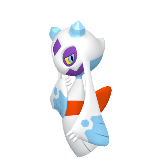 Froslass#478
 Rotom#479
 Heatran#485
 Manaphy#490
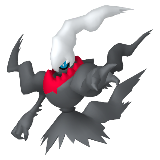 Darkrai#491
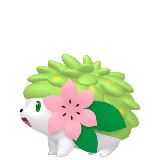 Shaymin#492
The Friend List

The list ends with the hardest Pokémon to win over: from P-180 Mew onwards come Jirachi, Manaphy, Latias, Suicune, Metagross, Heatran, Groudon, Celebi, Darkrai, Rotom, Shaymin, Latios and finally P-193 Deoxys, most of them rewards for attraction bonuses, passwords or the ending.
- Celebi – P-188: needs a password, appears at the PokéPark Entrance and is the best at Tangrowth’s Swing-Along.
- Darkrai – P-189: Haunted Zone password Pokémon and the fastest in Dusknoir’s Speed Slam.
- Rotom – P-190: hosts its own shooting attraction and is the best Pokémon at it.
- Deoxys – P-193: last on the Friend List; unlocked through Rayquaza’s Balloon Panic.
The PokéPark
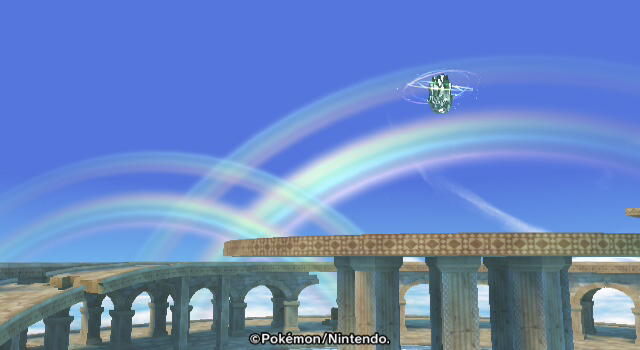
PokéPark Wii: Pikachu’s Adventure, as the name suggests, takes place in the PokéPark, where a wide range of Pokémon coexist far from human contact. The PokéPark contains 8 zones, plus the Entrance, the Meeting Place and the Sky Pavilion.
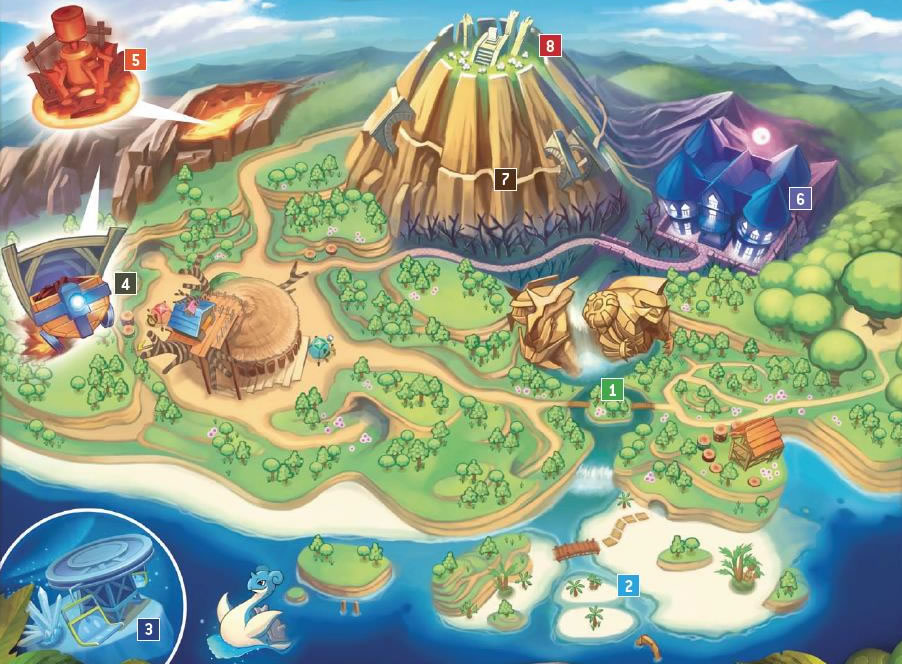
- The PokéPark Entrance: It is the first area the player visits and where the tutorial takes place. Pikachu will meet Chatot here, who’ll teach it the basic game commands and moves.
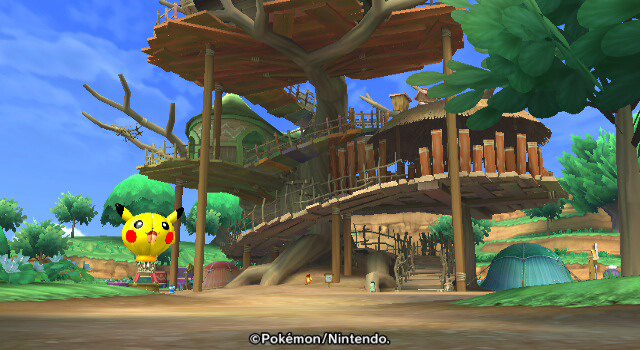
- The Meeting Place: The main hub of the PokéPark, which leads to other locations and where tasks such as Powering Up Pikachu take place. The Treehouse stands here too.
- The Meadow Zone: A grassy place with a flowing river and rocky shapes of Dialga and Palkia. It is inhabited by Grass and Bug Pokémon.
- The Beach Zone: A sunny beach with palm trees, where Water Pokémon live.
- The Iceberg Zone: A snowy mountain and home of Water and Ice Pokémon.
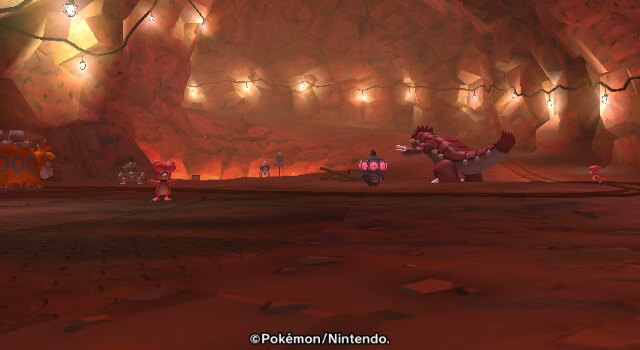
- The Cavern Zone: A cavern-like mine decorated with rails, where the player will find Ground, Rock and Steel Pokémon.
- The Lava Zone: A hot volcanic crater below the Cavern Zone, filled with Fire Pokémon.
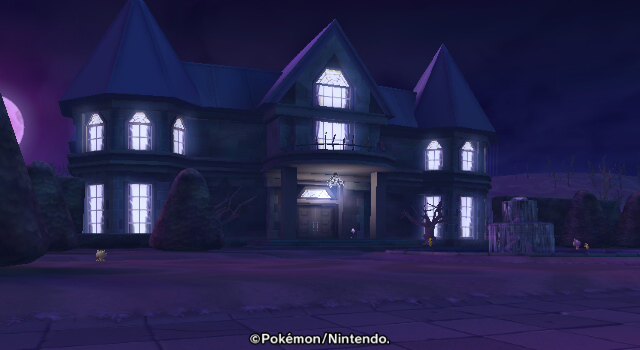
- The Haunted Zone: A haunted house where a lot of Ghost and Dark Pokémon dwell.
- The Granite Zone: Dusty ancient ruins, home to Dragon Pokémon such as Garchomp, Salamence and Flygon.
- The Flower Zone: A flower-filled area where a variety of Pokémon can be found. It is Shaymin’s home and the place where Rayquaza is summoned.
- The Sky Pavilion: An ancient ruin floating above the park and Mew’s home. It’s the final area in the game, where Pikachu befriends Mew and restores the Sky Prism.
Around the park





Attractions
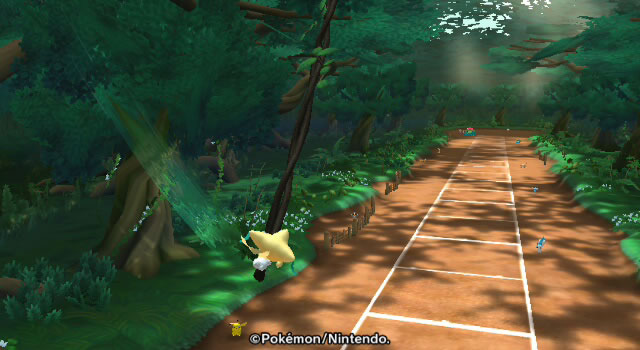
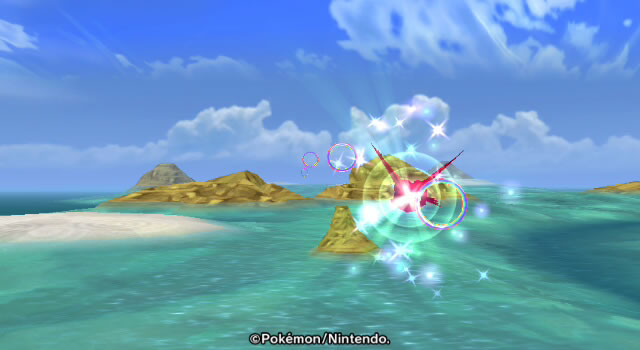
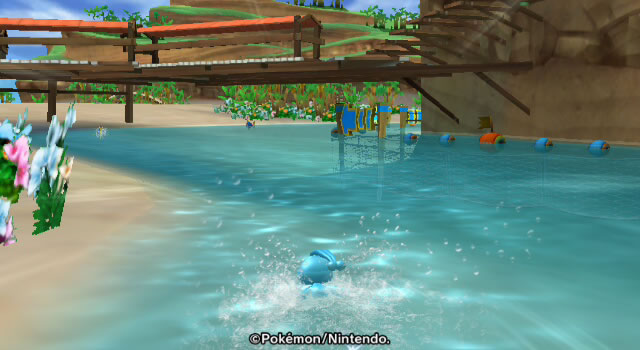
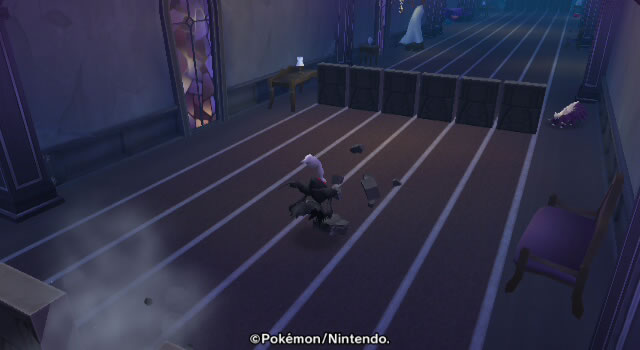
Each zone is filled with a set of attractions that Pikachu has to beat in order to advance. Beating an attraction’s bonus score for the first time will award the player with a Sky Prism Piece. Furthermore, entering attractions requires a number of Berries, ranging from 5 to 40, which will also affect the number of Berries earned after the attraction is completed. The attractions are as follows:





Bonus scores and star performers
| Zone | Attraction | Best Pokémon |
|---|---|---|
| Meadow Zone | Bulbasaur’s Daring Dash | Mew |
| Meadow Zone | Venusaur’s Vine Swing | Jirachi |
| Beach Zone | Pelipper’s Circle Circuit Pikachu needs his balloons |
Latias |
| Beach Zone | Gyarados’s Aqua Dash Pikachu needs his surfboard |
Manaphy |
| Iceberg Zone | Empoleon’s Snow Slide Pikachu needs his snowboard |
Suicune |
| Cavern Zone | Bastiodon’s Block Barrage | Metagross |
| Lava Zone | Rhyperior’s Bumper Burn | Heatran |
| Lava Zone | Blaziken’s Boulder Bash | Groudon |
| Haunted Zone | Tangrowth’s Swing-Along | Celebi |
| Haunted Zone | Dusknoir’s Speed Slam | Darkrai |
| Haunted Zone | Rotom’s Spooky Shoot-’em-Up | Rotom |
| Granite Zone | Absol’s Hurdle Bounce | Shaymin (Sky Forme) |
| Granite Zone | Salamence’s Air Ace Pikachu needs his balloons |
Latios |
| Flower Zone | Rayquaza’s Balloon Panic | Deoxys |
Skill Games
Aside from the attractions, which are the main missions of the game, there are also some mini-games called Skill Games, which Pikachu has to win in order to befriend certain Pokémon. There are 5 Skill Games in total:
- Chase: A tag race where Pikachu has to catch the Pokémon by dashing into them. Some Pokémon will try to hinder Pikachu’s mobility by setting obstacles.
- Battle: A duel in which Pikachu has to lower the Pokémon’s Health Points using its attacks. Types matter far less than in the main games, but some Pokémon, such as Ground types, are immune to Pikachu’s Thunderbolt, so Dash and Iron Tail are needed instead.
- Hide & Seek: A simple hide-and-seek game, where Pikachu has to find the Pokémon. Pikachu turns his back while the Pokémon hides, then has about a minute to track it down.
- Obstacle Hop: Pikachu has to finish jumping from one platform to another within a time limit. If Pikachu falls, it has to restart from the first platform.
- Quiz: A quiz game where the player has to give the right answers to the questions asked. The questions are about the current zone or about Pokémon in general, and a wrong answer can simply be tried again.
Extra Features
There are a few features offered by the game, which contribute to making it extra fun:

- Powering Up Pikachu: Within the Meeting Place there are 4 Pokémon that help Pikachu power up its skills, in exchange for a certain amount of Berries, with the fee rising for each lesson. Electabuzz improves Thunderbolt, Ponyta improves Quick Attack (shown as Dash on the PokéPark Pad), Bibarel improves Pikachu’s Hit Points and Primeape improves Iron Tail.
- Photography: Along the way, the player will receive a camera from Misdreavus, allowing them to take pictures of their gameplay. They can store up to 30 pictures and check them by talking to Misdreavus again. An SD card holds more, and photos can also be posted to the Wii Message Board.
Passwords
PokéPark Wii: Pikachu’s Adventure also provides the possibility to enter codes that unlock specific items and Pokémon. To enter one, the player picks a save file, chooses the password option on the main menu and sets each digit with the scroller. These codes differ from one region to another:
| Items unlocked | Japanese code | North American code | European / Australian code |
|---|---|---|---|
| Pikachu’s Snowboard for Empoleon’s Snow Slide |
41695651 | 67446162 | 04823523 |
| Pikachu’s Surfboard for Gyarados’s Aqua Dash |
78872252 | 02970626 | 84925064 |
| Pikachu’s Balloons for Pelipper’s Circle Circuit and Salamence’s Air Ace |
80373821 | 99930457 | 57429445 |
| Pokémon unlocked | Japanese code | North American code | European / Australian code |
|---|---|---|---|
| Celebi appears at the PokéPark Entrance |
21154585 | 58068773 | 99645049 |
| Darkrai appears in the Haunted Zone |
16703396 | 65967413 | 20433557 |
| Groudon appears in the Lava Zone |
93360553 | 49446209 | 45594012 |
| Jirachi appears in the Granite Zone |
88484977 | 73938790 | 82401777 |
The real PokéPark

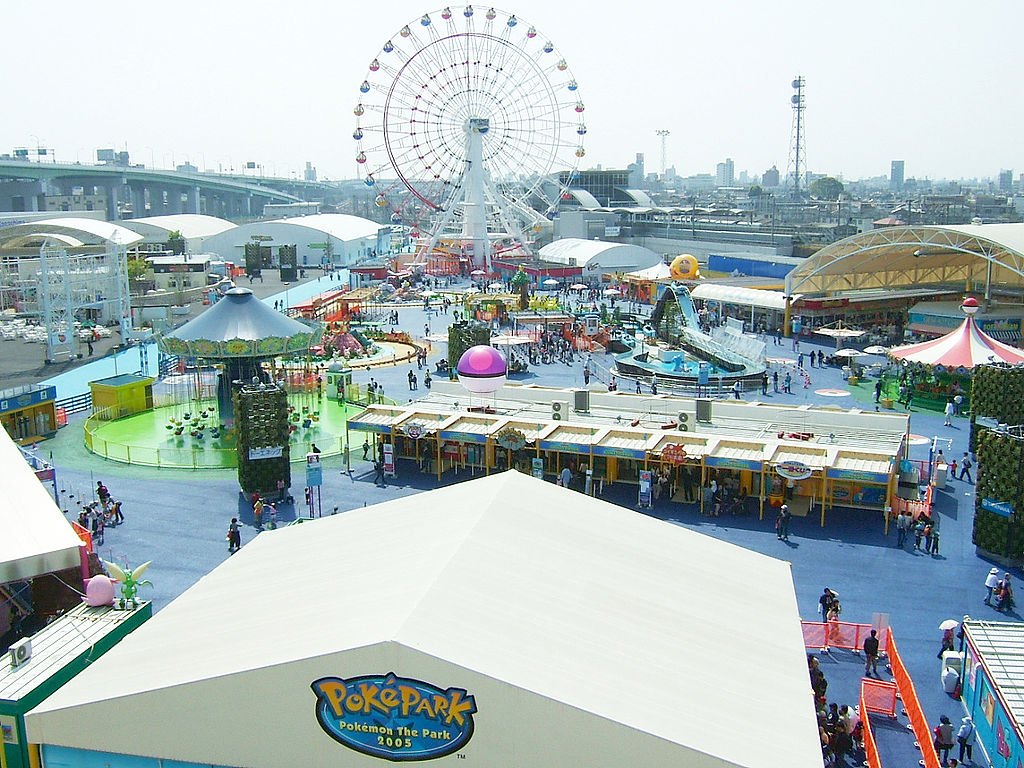
Before it was a Wii game, PokéPark was a real place. ‘Pokémon The Park 2005’, or POKéPARK for short, was an amusement park that opened in Nagoya alongside the 2005 World Exposition and later travelled to Taipei. The Wii game shares its name and even the lettering of its logo, and its park of themed attractions, each with its own entry fee, echoes the pay-per-ride set-up of the original. In 2026 the idea returned as a permanent park near Tokyo.
| Park | Where | When | What was there |
|---|---|---|---|
| Pokémon The Park 2005 | The former Sasashima freight yard, Nagoya | 18 March – 25 September 2005 | Twelve attractions, free entry with each ride paid for, and about 4.15 million visitors |
| PokéPark in Taipei | Shilin District, Taipei | 23 June – 24 September 2006 | Nine attractions, a stage, a food court and a shop; Mew, Celebi and Jirachi were given out |
| PokéPark Wii | On the Wii | From 5 December 2009 (Japan) | Fourteen attractions, each with an entry fee in Berries |
| PokéPark Kanto | Yomiuriland, Inagi, Tokyo | Opened 5 February 2026 | Pokémon Forest and Sedge Town, with more than 600 Pokémon |

Regional Variations
Japan had PokéPark Wii seven months before Europe and almost eleven before North America, and a few things changed between the regions:
- All seven passwords use different numbers in the Japanese, North American and European/Australian versions; the European codes also work on Australian copies.
- Several places have different names in Japanese: the Meadow Zone is the Green Zone, the Lava Zone the Magma Zone, the Granite Zone the Stone Zone and the Sky Pavilion the Sky Garden.
- Attraction names were reworked for English: Bulbasaur’s Daring Dash is ‘Bulbasaur’s Shake Dash’ in Japanese and Salamence’s Air Ace is ‘Salamence’s Super Sky Race’; the Skill Games are called ‘chikara-kurabe’ (trials of strength).
- Western releases were dubbed: the credits list DuArt for the English voices, SDI Media Belgium for French and FFF Grupe for German, alongside the Japanese anime cast.
- Europe got the game first in the West, on 9 July 2010, nearly four months before North America (1 November 2010).
- In Hong Kong the game came out on 25 February 2010, making it the first Pokémon title released there (leaving aside Super Smash Bros. Brawl).
- Europe received a Nintendo Selects budget re-release on 18 October 2013.
Left in the data
- Five unused item models sit in the game files: a hammer (possibly for Bidoof’s bridge-building), a key (possibly for the Haunted Zone’s doors), a muffin, a rock that may have been meant for the Lava Zone, and a Cleffa toy similar to the Cleffa doll used in PokéPark 2.
- Six music tracks go unused, including a remix of the Pokémon Center theme, two rock tracks apparently written for an attraction and for the Skill Games, an anime-style remix of the Red and Blue title theme and early test versions of the battle themes; a short burst of one test track plays when Mamoswine breaks Empoleon’s gate.
- Slot 190 of the voice folder is labelled for Kyogre and holds four sounds, although Kyogre is not in the game.
- Two Japanese Charmander cries, apparently for being greeted and being attacked by Pikachu, are never used.
- Deoxys has blinking eye textures that are set up correctly but never shown, as its animations only use the first eye state.
Glitches, exploits and oddities
One oddity, hidden inside the game’s models:
Deoxys’s hidden arms
Deoxys appears only in its Speed Forme, but its model has a second pair of arms that never show. They are attached to the main body rather than kept as a separate part, and their base bone is shrunk and tucked inside the torso, so the extra limbs can only be seen by clipping the camera into the model. The file is also named with the ‘000’ suffix the game reserves for Pokémon with several forms, hinting that more Formes were once planned.
Videos & media
Check out these videos of PokéPark Wii: Pikachu’s Adventure, including the E3 trailer, a TV commercial, the game’s intro and more.
PokéPark Wii: Pikachu’s Adventure, official E3 trailer.
The intro / opening cinematic: the adventure begins.
A US TV commercial for PokéPark Wii: Pikachu’s Adventure.
An unused rock track left in the game’s data, thought to have been meant for an Attraction; the file is named Tikarakurabe (Japanese for a contest of strength).
Trivia & facts
- The Flower Zone and the Cavern Zone are the only two zones that do not have any of Eevee’s evolutions.
- The legendary giants (Regirock, Regice and Registeel) and Kyogre are the only Legendary Pokémon from the third Pokémon generation not to appear in the game.
-

Piii… Pika!! Since the game uses anime Pokémon voices, and Porygon-Z appears in it, it is given a voice, despite the fact that it had never appeared in the anime at the time.
- Mew is the only Legendary or Mythical Pokémon from the first generation in the game.
- There is a typo in the line “not so far away from your Empoleon”, where “your” should be replaced with “you”. The line is used just before Mamoswine smashes the gate to Empoleon. A later revision of the game fixed it, along with a Meadow Zone line that said “bride” instead of “bridge”.
- Some US TV commercials for PokéPark Wii: Pikachu’s Adventure have a modified version of the Pokémon anime’s original theme playing during the commercial.
Further trivia
- Suicune is the only Legendary Pokémon from Generation II in the park (no Raikou, Entei, Lugia or Ho-Oh), and Heatran is the only Generation IV Legendary; Dialga and Palkia appear only as rock statues in the Meadow Zone.
- PokéPark Wii is the only Wii Pokémon game to be re-released on the Wii U eShop.
- The English credits include a cast of Pokémon anime dub actors, among them Sarah Natochenny, Michele Knotz and Bill Rogers, recorded at DuArt in New York.
Legacy
What came after
- Japanese launch – 5 December 2009. Hong Kong followed on 25 February 2010
- European launch – 9 July 2010. The first Western release
- Australian launch – 23 September 2010
- North American launch – 1 November 2010. Shown at E3 2010 ahead of release
- PokéPark 2: Wonders Beyond – 12 November 2011. The sequel, released in Japan as PokéPark 2: Beyond the World; North America followed on 27 February 2012 and Europe on 23 March 2012
- Nintendo Selects re-release (Europe) – 18 October 2013. Budget reissue of the Wii disc
 Wii U eShop (Europe and Australia) – 16 July 2015. A download version for the Wii U
- Wii U eShop (North America) – 19 May 2016
- Wii U eShop (Japan) – 5 July 2017
- Wii U eShop closes – 27 March 2023. The download version can no longer be bought, only re-downloaded by existing owners
Where to play it today
As of October 2026 PokéPark Wii is only playable on older hardware. The disc works on any Wii and on a Wii U, which runs Wii software, and the Wii U download can still be re-downloaded by people who bought it before the eShop closed in March 2023. It has not been added to Nintendo Classics on Switch or Switch 2, and second-hand discs, including the Nintendo Selects reissue in Europe, are the easiest way in.
How it was made
PokéPark Wii was developed by Creatures Inc., one of the three companies behind the Pokémon brand, with Bauhaus Entertainment credited for programming and graphics and Dingo among the special thanks. Kenji Takahashi directed. The producers included Creatures’ Hirokazu Tanaka alongside Hiroyuki Jinnai and Hiroaki Tsuru, with Satoru Iwata and Tsunekazu Ishihara as executive producers. The music is by Ken-ichi Koyano, Manami Kiyota and SIGERO under sound director Takuto Kitsuta. Instead of game cries, the Pokémon use their anime voices: the credits list a Japanese cast led by Pikachu’s Ikue Ōtani, plus English, French and German dubbing studios. The game was unveiled at a Nintendo conference in early October 2009 with a 5 December release and a price of 4,800 yen. Europe heard about it on 27 May 2010, and North America got its first look at E3 2010.
PokéPark Wii elsewhere

Sales & reviews
Sales figures
PokéPark Wii: Pikachu’s Adventure managed to achieve reasonable sales, as it sold around 243 thousand copies in Japan within the first three weeks of its release, alongside an estimated 60 thousand in the USA and 38 thousand in Europe. The game then continued to sell steadily, reaching 323 thousand in Japan by the end of June 2010 and an estimated 330 thousand in the USA and 81 thousand in Europe, for an estimated total of 1.17 million copies sold around the globe.
The Japanese figures are Famitsu’s: 243,075 copies by 27 December 2009, after just three weeks on sale, which was enough for 41st place in its chart for the whole of 2009, then another 80,204 in the first half of 2010, taking the total to 323,279 by the end of June. Nintendo hasn’t published separate totals for North America or Europe, so the figures for those regions are third-party estimates. The official worldwide figure comes from CESA’s Games White Paper 2023: 1.25 million copies shipped as of December 2022.
- 1.25mshipped worldwide by December 2022 (CESA)
- 243,075sold in Japan in its first three weeks (Famitsu)
- 323,279sold in Japan by June 2010 (Famitsu)
- 62on Metacritic, from 22 critics
Review scores
The game received mixed reviews, with middling scores on major review websites. Let’s take a look at these reviews:
- Kristine Steimer from IGN thought that the game “offers a lot of content” and an “adorable and family friendly experience”, grading it 7.5/10, the equivalent of “Good” on the IGN scale.
- Jane Douglas from GameSpot thought that the Pokémon themselves were the best feature in the game, but she still gave it an average score of 5.5/10, which equates to “Mediocre” on the GameSpot scale, stating that it’s a game designed mostly for young Pokémon fans.
- On GameRankings, which closed in 2019, PokéPark Wii: Pikachu’s Adventure earned a score of 64.80%, while it received a similar one of 62 on Metacritic, from 22 critics.
- Overall, most reviewers enjoyed the graphics, especially the Pokémon animations, which contributed greatly to the game’s success.
Critics were split. Nearly everyone liked the presentation: bright, cheerful zones, lively Pokémon models and animation, the anime voices and bouncy music. GameSpot singled out the Pokémon themselves as the best thing in the game, and IGN, one of the kinder reviewers, rated it good, seeing occasional control problems and a childish story as its only real flaws. The complaints were about depth. Many reviewers found the Skill Games and attractions simple and repetitive, the battles shallow and the story childish, and some reported fiddly motion controls. GameSpot also missed any multiplayer, and Nintendo Life called the easy, repetitive play a let-down for anyone older than a young child. Nintendo World Report and GameRevolution were among its warmer supporters, but the aggregates settled in the low 60s, a mixed reception that still left younger fans well served.
Media & artwork
- Official artwork gallery from PokéPark Wii: Pikachu’s Adventure
- Box art from PokéPark Wii: Pikachu’s Adventure, including regional variations
- Screenshots from PokéPark Wii: Pikachu’s Adventure
Further reading
More Wii and PokéPark links on the site: