  |
|
| Titles | Pokémon Playhouse Pavillon Pokémon (French store title) · Pokémon-Spielhaus (German store title) No Japanese title (not released in Japan) |
| Platforms | iOS & iPadOS (App Store: iPhone, iPad, iPod touch) · Android (Google Play) · Fire OS (Amazon Appstore, Kindle Fire tablets) |
| Developer | The Pokémon Company International |
| Publisher | The Pokémon Company International |
| Character art | Leah Fuhrman |
| Voice of Leena | Maya Aoki Tuttle (English) |
| Players | 1 |
| Genre | Preschool pretend-play and early-learning app |
| Business model | Free, with no adverts and no in-app purchases; collects no personal information |
| Rooms & activities | Central hub and 4 areas (Playground, Lounge, Playroom, Tower) · 8 activities · 3 picture stories · 5 puzzle scenes |
| Pokémon | 52 to befriend: 6 from the start, 46 hatched from Eggs |
| Age range | Designed for ages 3 to 5; no reading or maths needed |
| Released | 21 September 2017 (North America, Europe, Australia) · not released in Japan or elsewhere in Asia |
| Latest version | iOS 1.2 (30 May 2019) · Android 1.2.5 (2 July 2024) |
| Rating | App Store 4+ (Made for Ages 0–5) · Google Play: Everyone (US) |
| Predecessor | None |
| Successor | None |
| Downloads | 5 million+ installs on Google Play (October 2026); no combined figure published |
Overview
 Pokémon Playhouse is a free app for children aged three to five, made and published by The Pokémon Company International (TPCi) for iPhone and iPad, Android phones and tablets and Amazon’s Kindle Fire. It was announced and released on the same day, 21 September 2017, in North America, Europe and Australia, and TPCi billed it as the first official digital Pokémon experience made for preschoolers. There is no battling, catching or levelling up. Instead a friendly human host, Leena, welcomes the child into a bright cartoon house that Pokémon visit to make new friends, and she says every instruction out loud, so no reading or counting is needed.
Everything happens around a central hub with four areas leading off it. Outside there is a Playground; up one staircase, a Lounge where hungry and grubby Pokémon are fed and groomed; downstairs, a Playroom of picture stories, Pokémon-shaped puzzles and a torch-lit game of hide-and-seek; and up in the Tower, a telescope for joining stars into Pokémon constellations and a stage where the child taps out tunes for a little Pokémon choir. Leena hands over a Pokémon Egg at the start, every finished activity cracks it a little further, and after five it hatches into a new friend. Six Pokémon are friends from the very first session and 46 more arrive from Eggs, 52 in all.
Playhouse is the odd one out in the series. It comes from the Pokémon Sun and Moon era but connects to nothing else, has no online features, no adverts and no in-app purchases, and promises to collect no personal information. Its Pokémon were redrawn with gentler, cuter faces for very young players, and the line-up takes in every starter Pokémon of the first seven generations alongside three Alolan forms and Zygarde Core.
The few critics who reviewed it found it sweet but repetitive, yet it reached an audience the franchise had never aimed at before, three years ahead of the tooth-brushing app Pokémon Smile. In October 2026 it is still a free download on the App Store and Google Play, where it has passed five million installs.
Meet and play with Pokémon at Pokémon Playhouse!
Discover the fun activities throughout Pokémon Playhouse, an official Pokémon app for younger Pokémon fans from The Pokémon Company International. In Pokémon Playhouse, your child can interact with all kinds of cute Pokémon as they explore various locations, including a tower, lounge, and outdoor playground. Every location within Pokémon Playhouse features activities created just for younger Pokémon fans, such as taking care of Pokémon in the Pokémon Grooming activity, or identifying Pokémon in the night sky in the Search the Stars activity.
To accompany the unique look of the Pokémon in Pokémon Playhouse, your child can watch them at play in new picture stories. Head to the Playroom to listen to a story and see the adorable Pokémon go on exciting new adventures!
At the beginning of their time in the Pokémon Playhouse, your child will be given a Pokémon Egg to keep track of. As your child explores the Pokémon Playhouse and completes activities, the Pokémon Egg will begin to hatch, and eventually reveal a new Pokémon!
Designed for children ages 3–5, no reading or math skills are necessary to complete activities. A friendly human character will host and narrate all the activities so your child can enjoy every aspect of the Pokémon Playhouse regardless of their learning level.
The Pokémon Playhouse app does not collect any personal information and does not include any in-app purchases. Download the app for free and let your child start exploring the wonderful Pokémon Playhouse today!
— Official description
Quick Answers
The questions parents ask most about Pokémon Playhouse, answered first and explained further down the page.
Is Pokémon Playhouse free, and does it have ads or in-app purchases?
It is completely free. There are no adverts, nothing locked away and no in-app purchases, and The Pokémon Company International says the app collects no personal information. The only part meant for grown-ups is a Parent Info area behind a parental lock, and that simply points parents towards other Pokémon apps. More →
Can you still download Pokémon Playhouse in 2026?
Yes. In October 2026 it is still a free download on the App Store, for iPhone, iPad and iPod touch with iOS 8 or later, and on Google Play for Android 5.1 or later. It has never been withdrawn, and because it plays offline once it is installed, there are no servers that could be switched off. More →
Is Pokémon Playhouse on Nintendo Switch?
No. It has only ever been released for phones and tablets: iOS and iPadOS, Android and Amazon’s Fire tablets. There has never been a Switch or other console version, and the app has no online features, so it does not connect to Pokémon HOME, Pokémon GO or any other Pokémon game. More →
How many Pokémon are in Pokémon Playhouse?
There are 52 Pokémon to befriend. Six of them, including Pikachu, Snorlax and Zygarde Core, are friends from the very first session, and the other 46 hatch from Eggs one at a time. Magby and Elekid were drawn in the Playhouse style too, but neither ever joins the friends. TPCi’s launch publicity promised more than 50 Pokémon. More →
How do you get new Pokémon in Pokémon Playhouse?
By hatching Eggs. Leena gives the child a Pokémon Egg at the start, and every finished activity, from feeding hungry Pokémon to colouring in a constellation, cracks it a little more. After five activities it hatches into a new Pokémon friend and a fresh Egg takes its place. Which Pokémon come to visit depends on how the child plays. More →
What age is Pokémon Playhouse for?
It is made for children aged three to five. Everything is narrated aloud by the host, Leena, so no reading or maths is needed. The App Store rates it 4+ and files it in its Made for Ages 0–5 band; Common Sense Media suggests it from age three, and Children and Media Australia recommends it from four. More →
Who is the narrator in Pokémon Playhouse?
The host is Leena, a friendly young woman who greets the child, hands over the first Egg and explains every activity out loud. Maya Aoki Tuttle voices her in English. Some reviewers found her constant reminders wearing for children who already know what to do, but they are what let non-readers play on their own. More →
Was Pokémon Playhouse released in Japan?
No. It launched on 21 September 2017 in North America, Europe and Australia, with local names on some European store pages, such as Pavillon Pokémon in France and Pokémon-Spielhaus in Germany. It never came out in Japan or anywhere else in Asia, and it has no Japanese title. More →
The Playhouse rooms and activities
The Playhouse is one cartoon house laid out around a central hub: a door leads out to the Playground, stairs climb to the Lounge and the Tower, and another flight goes down to the Playroom. The four areas hold between one and three activities each, eight in all, and every one of them feeds the same Egg, so a child can stick to favourites or wander from room to room and still hatch new friends. Leena introduces each activity as it starts. The table sums them up, and each room is described in more detail below.
- 4areas around the central hub
- 8activities, all feeding the same Egg
- 5finished activities to hatch an Egg
- 3narrated picture stories
| Area | Activity | What the child does | Counts towards the Egg when |
|---|---|---|---|
| Playground | Playground play | Drags up to six friends onto the swings, treehouse and other play equipment | All six friends have been placed |
| Lounge | Feeding Time | Gives three Pokémon the Berry each one is thinking of | All three Pokémon are fed |
| Lounge | Pokémon Grooming | Rubs on a plaster, hair dryer, brush or sponge and hose | Three Pokémon are clean and tidy |
| Playroom | Picture stories | Listens to one of three narrated storybooks | The story ends |
| Playroom | Puzzles | Slots Pokémon into matching gaps across five scenes | The puzzle is complete |
| Playroom | Flashlight Tag | Finds six silhouetted Pokémon with a torch beam | All six Pokémon are found |
| Tower | Search the Stars | Joins stars into a Pokémon outline and colours it in | The constellation is revealed |
| Tower | Pokémon Tunes | Taps four Pokémon in the order shown by the notes | The choir finishes its song |
The central hub and the Playground
The Lounge
The Playroom


The Tower
Gameplay
Around the eight activities sit a few simple rules: a host who explains everything, a single Egg that marks progress, and a list of friends that grows as Eggs hatch.
Leena, your host
Eggs and Pokémon friends
Devices, controls and offline play
Free, ad-free and private
Pokémon

Every Pokémon in the app was redrawn for Playhouse with rounder shapes and cute new expressions to suit small children, and 52 of them can be befriended. The line-up runs from Generation I to Generation VII. It includes all 21 starter Pokémon of those seven generations, baby Pokémon such as Pichu, Cleffa, Togepi and Munchlax, eleven Pokémon first found in Alola, three Alolan forms and long-standing favourites such as Eevee, Meowth and Magikarp. The roster has not changed since launch.
The six starting friends
Six Pokémon are already friends when a child first opens the app, ready to be taken out to the Playground straight away:





Friends from Eggs
The other 46 friends hatch from Eggs, one Egg at a time. Every starter Pokémon from Kanto to Alola is among them:
 BulbasaurKanto
 CharmanderKanto
 SquirtleKanto
 ChikoritaJohto
 CyndaquilJohto
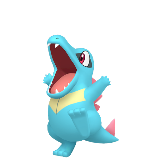 TotodileJohto
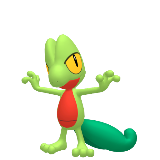 TreeckoHoenn
 TorchicHoenn
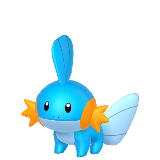 MudkipHoenn
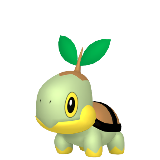 TurtwigSinnoh
 ChimcharSinnoh
 PiplupSinnoh
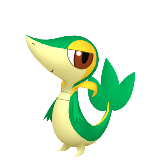 SnivyUnova
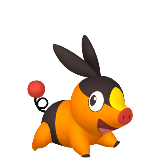 TepigUnova
 OshawottUnova
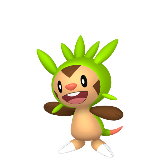 ChespinKalos
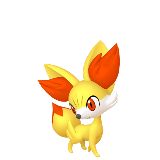 FennekinKalos
 FroakieKalos
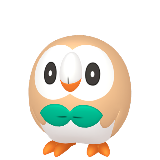 RowletAlola
 LittenAlola
 PopplioAlola


Baby Pokémon, Pokémon from Alola and old favourites hatch from Eggs too, as do Alolan Sandshrew and Alolan Vulpix. Among them:
 MeowthOld favourite
 MagikarpOld favourite
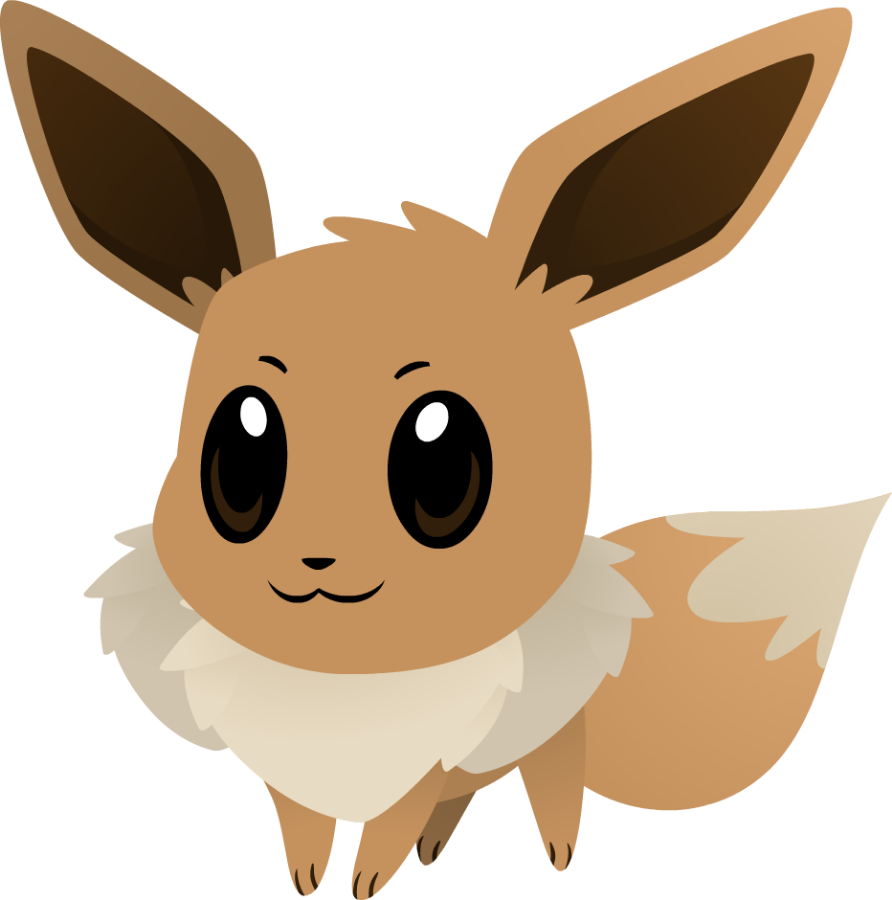
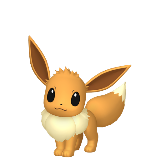 EeveeOld favourite
 PichuBaby; storybook star
 CleffaBaby; storybook star
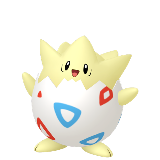 TogepiBaby Pokémon
 MunchlaxBaby Pokémon
 KomalaFrom Alola
 TogedemaruFrom Alola





Updates & version history
Playhouse has never had new rooms, activities or Pokémon. Its updates have been fixes, a revised parents’ area and changes to keep it running on newer phones and tablets, with Android getting the most attention:
| Date | Version | What changed |
|---|---|---|
| 21 September 2017 | 1.0 (iOS) · 1.0.0 (Android) | Announced and released the same day on the App Store, Google Play and the Amazon Appstore for Kindle Fire |
| September 2017 | 1.0.4 (Android) | Fixes a bug that left some devices stuck on a blank white screen |
| 26 September 2017 | 1.0.5 (Android) | Fixes a title-screen bug linked to localisation |
| 27 April 2018 | 1.0.7 (Android) | New Parent Info navigation; Android 4.1 now the minimum |
| 1 May 2018 | 1.1 (iOS) | The same Parent Info update for iPhone and iPad |
| 30 May 2019 | 1.2 (iOS) · 1.2.0 (Android) | Improvements for the iPhone X and behind-the-scenes updates on iOS; a better experience on larger tablets on Android. The last iOS update to date |
| 3 August 2020 | 1.2.2 (Android) | Bug fixes; Android 4.4 now the minimum |
| 2 July 2024 | 1.2.5 (Android) | The latest build, which needs Android 5.1 or later |
Regional Variations
Playhouse was released as a single English-language app, but where it went, and what it was called, varied a little:
- Pokémon Playhouse launched on the same day, 21 September 2017, across North America, Europe and Australia. It was never released in Japan or anywhere else in Asia, so it has no Japanese title.
- Some European App Store pages give it a local name, Pavillon Pokémon in France and Pokémon-Spielhaus in Germany, although the stores list English as the app’s only language.
- The official website came in separate editions for the United States, the UK and Ireland, France, Germany, Italy and Spain.
Left in the data
- A placeholder graphic called TEST_HidingSpot, showing a heap of Pokémon piled on top of one another, is still in the game data. It was most likely used during development to check how big the Pokémon looked next to one another.
- Magby and Elekid have Playhouse artwork and friend icons of their own, yet neither ever hatches or joins the friends list, so the two baby Pokémon seem to have been dropped from the final line-up.


Glitches, exploits and oddities
Two bugs turned up in launch week, both on Android and both fixed within days:
Blank white screen at launch
In the first days after release, some Android users found that Pokémon Playhouse opened onto nothing but a blank white screen and went no further. The Pokémon Company International fixed the fault within days with Android version 1.0.4, and Miketendo64’s launch-week review, played on that version, reported that the blank screen was a thing of the past. Later updates were mostly menu and compatibility changes rather than fixes of this kind.
Title-screen localisation bug
Android version 1.0.5, released on 26 September 2017, five days after launch, corrected a fault on the title screen connected with the app’s localisation. The release note said only ‘Fixed Title screen bug related to localization.’ The patch came while the app was on sale in several European stores under local names such as Pavillon Pokémon and Pokémon-Spielhaus, and no matching fix appears in the iOS version history.
Videos & media
The official launch trailer, from The Pokémon Company International:
Welcome to Pokémon Playhouse!, released on launch day, 21 September 2017, tours the rooms and introduces some of the Pokémon friends.
Trivia & facts
-

Rowlet, one of the 21 starters. All 21 starter Pokémon of the first seven generations can be befriended, from Bulbasaur, Charmander and Squirtle through to Rowlet, Litten and Popplio.
- Zygarde Core, the tiny form of Zygarde introduced in Sun and Moon, is one of the six friends a child starts with, and it is the only Pokémon in the app with a link to a Legendary.
-

Alolan Vulpix. Playhouse came out during Generation VII, two months before Pokémon Ultra Sun and Ultra Moon, which is why Alolan Raichu, Alolan Sandshrew and Alolan Vulpix are among the friends, along with eleven Pokémon first found in Alola.
- Two familiar items are tucked into the scenery: a Luck Incense in the Lounge and a Rare Candy in the Playroom.
- The three picture stories are the only place in the app where children see written words, and each word lights up as it is read aloud.
- There was no teaser campaign: The Pokémon Company International announced the app and released it on the same day.
- The official website has long said that the app runs on Android 2.3 and up, although no version of it has ever supported anything older than Android 3.0.
- TechCrunch made a point of noting that there is no capturing, battling or raiding at all, which set Playhouse firmly apart from Pokémon GO.
- Kidscreen reported the launch alongside TOMY’s Pokémon Petite Pals, a range of tiny stylised figures and playsets for younger fans that reached shops the same autumn.
- Pocket Gamer’s list of the top 10 mobile Pokémon games actually has 11 entries, and in its August 2025 update Playhouse is tenth.
Legacy
What came after
- Announcement and launch – 21 September 2017. Revealed and released the same day on the App Store, Google Play and the Amazon Appstore, in North America, Europe and Australia
- Launch-week fixes – September 2017. Android 1.0.4 and 1.0.5 cure a blank-screen bug and a title-screen bug
- Parent Info update – 1 May 2018. iOS 1.1, a few days after Android 1.0.7, revises the parents’ area
- Version 1.2 – 30 May 2019. iPhone X and large-tablet improvements; the last iOS update to date
- Android 1.2.5 – 2 July 2024. The latest build, which needs Android 5.1 or later
- Pocket Gamer’s best mobile Pokémon games – 2 August 2025. Playhouse is tenth in the updated ranking
- Five million installs – by October 2026. Shown on the Google Play listing; the app is still available on both major stores
Where to play it today
Pokémon Playhouse is still a free download in October 2026, with no adverts and no in-app purchases. The App Store version, 1.2, was last updated on 30 May 2019 and runs on iPhone, iPad and iPod touch with iOS 8 or later, while the Google Play version, 1.2.5, arrived on 2 July 2024 and needs Android 5.1 or later. It was also released for Kindle Fire tablets through the Amazon Appstore. Because the app runs entirely offline once installed, there are no servers to be shut down, but there has never been a Nintendo Switch or other console version.
How it was made
Pokémon Playhouse was made by The Pokémon Company International, the arm of The Pokémon Company, based in Bellevue, Washington, that looks after the brand outside Asia, and it was the company’s first Pokémon product designed specifically for preschoolers. The store listings credit no outside studio. The Pokémon were redrawn with new, cuter expressions for the app, and the character artwork is credited to the illustrator Leah Fuhrman, of the children’s digital studio Curious Media; Maya Aoki Tuttle voices the host, Leena.
There was no build-up. TPCi revealed the app and put it on the stores on the same day, 21 September 2017, with a press release and a short trailer, Welcome to Pokémon Playhouse! In the announcement J.C. Smith, TPCi’s senior director of consumer marketing, described Pokémon as a property for all ages and offered the app to parents as an age-appropriate choice for ‘the littlest Trainers in their family’. It arrived a little over a year after Pokémon GO had become a worldwide craze, and gave the franchise a way in with children who were still too young for it.
Popularity & reception
Downloads and player ratings
Playhouse is free and sells nothing, so it earns no money directly, and The Pokémon Company International has never published a download total. Its Google Play listing alone shows more than five million installs by October 2026; App Store and Amazon Appstore figures are not public. Players on Apple’s store are the kinder judges: it averages 4.2 out of 5 from about 2,000 ratings on the US App Store, against 3.4 from about 34,800 reviews on Google Play, and Metacritic users give it 8.2 from just six ratings.
- 5m+installs on Google Play
- 4.2/5App Store (US), about 2,000 ratings
- 3.4/5Google Play, about 34,800 reviews
- 10thin Pocket Gamer’s 2025 ranking of mobile Pokémon games
What the press and parents’ guides said
Mainstream games sites mostly reported the launch rather than reviewing it, so Playhouse has no Metacritic critic score, and its fullest verdicts came from guides for parents. Common Sense Media rated it suitable from age three and felt that “Gameplay is appropriate for small kids (there are no Pokémon battles here) but is repetitive and not very imaginative.” Children and Media Australia recommended it from four, observing that “A human narrates the whole game, and no written instructions are provided so most children can enjoy this game.” The one scored review came from the fan site Miketendo64.
Common Sense Media praised the clear spoken instructions, the cute characters and the lack of adverts, but found the mini-games repetitive and unchallenging, and noted that the free content doubles as a way of cultivating young Pokémon fans. Children and Media Australia valued the fully narrated design and modest learning benefits such as recognising characters and matching shapes. Miketendo64’s Jack Longman enjoyed hatching Eggs and stargazing but tired of the host’s voice over a long session, while TechCrunch likened the activities to Toca Boca’s apps. Years later, Pocket Gamer still counted Playhouse among the best Pokémon games on mobile, as one geared towards younger players.
Awards and honours:
- Google Play ‘Teacher Approved’ badge, shown on the app’s store listing
Further reading
More Pokémon apps and games for younger players on the site: