
  |
|
| Titles | Pokémon Rumble 乱戦!ポケモンスクランブル (Ransen! Pokémon Sukuranburu) |
| Platform | WiiWare (Wii) – 1,500 Wii Points; Wii Remote held sideways, Classic Controller or GameCube controller |
| Developer | Ambrella |
| Publisher | Nintendo |
| Director | Norio Matsumura |
| Producers | Mikiko Ohashi · Toshio Miyahara · Hiroaki Tsuru (executive producers Satoru Iwata and Tsunekazu Ishihara) |
| Music | Miki Obata |
| Players | 1–4 (simultaneous, on one console) |
| Genre | Action / beat ’em up |
| Generation | Generation IV |
| Pokémon | 257: all of Generation I and Generation IV except Arceus |
| Areas | 6, each with Ranks C to S, plus the Battle Royale |
| Released | 16 June 2009 (Japan) · 16 November 2009 (North America) · 20 November 2009 (Australia, Europe) |
| Re-releases | None; it could no longer be bought once the Wii Shop Channel closed on 30 January 2019 |
| Rating | ESRB E10+ · PEGI 7 · CERO A · ACB G |
| Predecessor | None – the first game in the Rumble series |
| Successor | Pokémon Rumble Blast (Nintendo 3DS, 2011) |
| Sales | No official figures (download only) |
Overview
 Pokémon Rumble is a beat ’em up Pokémon game released for the Nintendo Wii through the WiiWare service, available for 1,500 Wii Points. The game features Pokémon from the first and fourth generations, as toys that came to life, battling each other through different stages. As the game progresses, the player has a chance to befriend the Pokémon they beat. The befriended Pokémon can be switched instantly within the stages, which can give the player the advantage over the current enemies, as the Pokémon type weakness and strength rules also apply to the game. Clearing stages earns the player points that can be used to purchase new moves for their Pokémon, which will make them stronger and get them ready for the “Battle Royale”.
The Battle Royale is the game’s main event, unlocked after the player recruits a Pokémon with a high enough Power Level, and where they have to battle waves of Pokémon at once, in order to prove their Pokémon’s strength. When it comes to graphics, the game pictures the Pokémon with the 3D models of My Pokémon Ranch, reused as wind-up toys, but with smoother animations. All the Pokémon attacks are animated and are fun to watch. The game’s music was composed by Miki Obata.
Introducing a new kind of Pokémon challenge, available exclusively to the WiiWare service!
Pokémon Rumble is an action game in which you control Toy Pokémon (referred to as “Pokémon”) and take on wave after wave of other Pokémon in a variety of stages.
Befriend some of the defeated Pokémon along the way, adding them to your collection and granting you the ability to use them in battle. Switch between collected Pokémon at any time, taking advantage of the fact that the amount of damage you deal depends on the type of move used and the type of Pokémon hit. Be the last one standing to gain the right to compete in the Battle Royale and test your skills against many Pokémon at once.
Or team up with three people for some multiplayer action, working together to take down tough Bosses and earning points that can be used towards recruiting or training Pokémon. You can even save your favorite Pokémon to your Wii Remote controller for exchanges with friends.
Combining beautiful cel-shaded graphics and exciting game play features with the world of Pokémon, this is one Rumble you won’t want to miss!
— Official description
Quick Answers
The questions people ask about Pokémon Rumble, answered first and explained further down the page.
How do you unlock the Battle Royale in Pokémon Rumble?
Get a toy Pokémon whose Power meets the rank’s entry requirement (100 or more for the first Rank C contest) and the Battle Royale doors in the Terminal open. Each win promotes you a rank, from C through B and A to S, where Mewtwo is the last opponent of Normal Mode. More →

How do you unlock Advanced Mode and EX Mode?
Beat Mewtwo in the Rank S Battle Royale to open Advanced Mode, which drops you back to Rank C in tougher stages full of Sinnoh Pokémon. Win Advanced Mode’s Rank S Battle Royale against Dialga, Palkia, Giratina and Mewtwo and EX Mode unlocks, with mixed line-ups and back-to-back Battle Royale rounds. More →
How do you get Mewtwo, Dialga, Palkia and Giratina?
Through release tickets. Releasing Bastiodon, Garchomp, Lucario, Magnezone and Dragonite earns a Dialga ticket; Empoleon, Garchomp, Blastoise, Gyarados and Dragonite earns Palkia; Gengar, Garchomp, Spiritomb, Dusknoir and Dragonite earns Giratina. Release all three of those legendaries and you get a ticket for Mewtwo, cashed in at the Terminal’s red-roofed building. More →
Do Pokémon Rumble passwords work in every region?
No. Every eight-digit code belongs to one region’s version, so a Japanese code fails on a European or North American copy and vice versa. Japan received by far the most, over 30 codes, many shown on the TV show Pokémon Sunday; North America and Europe got fewer, mainly through magazines, IGN and the official websites. More →
How many Pokémon are in Pokémon Rumble?
257 species: all 151 Generation I Pokémon plus every Generation IV Pokémon apart from Arceus. Normal Mode stages contain only Kanto Pokémon, Sinnoh species arrive in Advanced Mode, and EX Mode mixes the two. Some rarities, such as Mew, Manaphy and Darkrai, come from passwords or release tickets instead. More →
Can you still buy or play Pokémon Rumble today?
You cannot buy it. It was only ever a WiiWare download, and the Wii Shop Channel stopped selling software on 30 January 2019. People who bought it beforehand can still redownload it on a Wii or in a Wii U’s Wii Mode. It has never been re-released on Virtual Console, the Nintendo eShop or Nintendo Switch Online. More →
Story

Pokémon Rumble takes place in a world of wind-up toy Pokémon that come to life when their keys are turned. The hero is a humble toy Rattata that slips into the Battle Royale, a free-for-all in which dozens of toys brawl until only a champion is left standing. Hopelessly outclassed, the little Rattata is beaten and ends up back at the Terminal, the hub whose gates lead to six areas: Silent Forest, Windy Prairie, Rocky Cave, Fiery Furnace, Bright Beach and Eternal Tower. By fighting through these areas the player befriends stronger toys, buys new moves and builds a squad good enough to qualify for the Battle Royale again. Every victory lifts the player’s rank from C through B and A to S, where the legendary birds and finally Mewtwo stand in the way. Beating Mewtwo opens a harder second tier, Advanced Mode, whose stages fill with Sinnoh Pokémon and whose final Battle Royale brings Dialga, Palkia, Giratina and Mewtwo together. Winning that unlocks EX Mode, a last test that mixes toys from both tiers and asks for two Battle Royale rounds in a row with no healing in between. There is no further plot: the reward is a full collection and the title of champion.
Pokémon
All of the first generation Pokémon, and every fourth generation Pokémon except Arceus, are available in the game: 257 in all. There are four ways of adding Pokémon to the player’s team: by befriending them, by buying them at the Recruit Point, by password or by ticket:
Pokémon recruited through friendship
When the player defeats the enemy Pokémon in the game stages, there is a chance that they will later be recruited. The player might also come across some Shiny Pokémon. In the menu list, some Pokémon names will appear in different colours depending on whether they’re typical Pokémon, Shiny Pokémon or Pokémon with Special Traits:
| Pokémon | Name colour |
|---|---|
| Typical | White |
| Shiny | Blue |
| With a Special Trait | Pink |
| Shiny and with a Special Trait | Blue |
Special Traits
There are 32 Special Traits in the English versions: 15 general boosts and 17 Guard traits, one for each type. A few more exist only in the Japanese version, tied to Japanese promotions such as the TV show Pokémon Sunday and the Pokémon Daisuki Club.
General traits
| Special Trait | Description |
|---|---|
| Punchy | Increases Attack |
| Hardy | Increases Defence |
| Brawny | Increases the Hit Points |
| Speedy | Increases the movement speed |
| Scrappy | Increases the critical-hit rate |
| Gutsy | Increases the critical-hit rate a lot |
| Rally | Increases the strength of all allies in multiplayer |
| Healthy | Slowly restores HP |
| Snappy | Less power-up time for attacks |
| Techie | Strengthens low-strength attacks |
| Steady | Gives immunity to status changes |
| Perky | Recovers quickly from status conditions |
| Lucky | Defeated Pokémon drop more money (P) |
| Feisty | Opponents are blown away when hit |
| Mighty | The Pokémon doesn’t get blown away when hit |
| Fan Club (Japan only) | Increases the strength of both the user and its allies in multiplayer |
| PokéSun (Japan only) | Increases the strength of both the user and its allies in multiplayer |
| Jōhō-bu (Japan only) | Increases the strength of both the user and its allies in multiplayer |
| Buchō (Japan only) | Carried by the Japanese Lucario password Pokémon |
Guard traits
| Special Trait | Description |
|---|---|
| Water Guard | Reduces the damage received from Water attacks |
| Fire Guard | Reduces the damage received from Fire attacks |
| Electric Guard | Reduces the damage received from Electric attacks |
| Grass Guard | Reduces the damage received from Grass attacks |
| Ice Guard | Reduces the damage received from Ice attacks |
| Normal Guard | Reduces the damage received from Normal attacks |
| Poison Guard | Reduces the damage received from Poison attacks |
| Bug Guard | Reduces the damage received from Bug attacks |
| Rock Guard | Reduces the damage received from Rock attacks |
| Steel Guard | Reduces the damage received from Steel attacks |
| Ground Guard | Reduces the damage received from Ground attacks |
| Fighting Guard | Reduces the damage received from Fighting attacks |
| Dark Guard | Reduces the damage received from Dark attacks |
| Psychic Guard | Reduces the damage received from Psychic attacks |
| Ghost Guard | Reduces the damage received from Ghost attacks |
| Flying Guard | Reduces the damage received from Flying attacks |
| Dragon Guard | Reduces the damage received from Dragon attacks |
Pokémon earned by password
Pokémon Rumble features a password system which allows the acquisition of specific Pokémon. The passwords are found in different sources, whether on the official game websites, in Nintendo Power magazine or, in Japan, on the TV show Pokémon Sunday. They also differ from one region to another, so each code below only works on its own region’s version:
| Pokémon unlocked | Pokémon moves | North America | Europe & Australia | Japan |
|---|---|---|---|---|
| Squirtle | Bubble | 6824-2045 | 1250-2002 | – |
| Blastoise | Aqua Tail | 9580-1423 | – | – |
| Charmander | Ember | 7927-6161 | 5982-9039 | – |
| Charizard | Flamethrower | 7968-4528 | – | 9600-4319 |
| Venusaur | SolarBeam | 1589-3955 | – | – |
| Piplup | Bubble, Pound | 9900-2455 | – | – |
| Chimchar | Ember, Fury Swipes (Japan: Ember) | 8109-8384 | – | 0331-4118 |
| Turtwig | Razor Leaf, Absorb | 8672-1076 | – | – |
| Eevee | Quick Attack | 0511-0403 | 5631-9548 | 5873-1954 |
| Bidoof (Shiny) | Superpower, Hyper Fang | 5575-2435 | 2424-3624 | 1770-0982 |
| Rattata (Shiny) | Reversal, Double-Edge | 9849-3731 | 0215-3612 | 3884-9402 |
| Cherrim (Sunshine Form) | SolarBeam | 7540-5667 | – | 1923-1298 |
| Shaymin (Sky Forme) | Seed Flare | 5468-6284 | 6838-5121 | 7837-7094 |
| Giratina (Origin Forme) | Shadow Force | 8322-3706 | 3280-5739 | 3421-4198 |
| Mew | Cut | 9561-8808 | 5221-1368 | 6614-0248 |
| Bulbasaur | Vine Whip | – | 6921-0136 | – |
| Pikachu | Volt Tackle | – | – | 2110-9011 |
| Pikachu (Shiny) | Thunderbolt, Quick Attack | – | – | 6998-4642 |
| Raichu (Shiny) | Thunder, Agility | – | – | 9465-8823 |
| Bibarel | Rollout | – | – | 9236-7400 |
| Parasect | X-Scissor | – | – | 7653-3521 |
| Lucario | Brick Break | – | – | 9721-3750 |
| Munchlax | Tackle | – | – | 7213-6317 |
| Snorlax | Belly Drum | – | – | 2405-3396 |
| Bronzong | Hypnosis | – | – | 8379-5196 |
| Weavile | Night Slash | – | – | 9965-2344 |
| Hippowdon | Earthquake | – | – | 2219-8658 |
| Ninetales | Safeguard, Fire Blast | – | – | 6295-6406 |
| Gyarados | Waterfall | – | – | 6750-2839 |
| Togekiss | Air Slash | – | – | 9266-8795 |
| Magmortar | Lava Plume | – | – | 5958-6223 |
| Electivire | Discharge | – | – | 3111-7449 |
| Magnezone | Thunderbolt | – | – | 6106-1639 |
| Garchomp | Dragon Claw | – | – | 1824-8991 |
| Dragonite | Dragon Rush | – | – | 3376-0940 |
| Probopass | Magnet Bomb | – | – | 9986-3607 |
| Rotom | ThunderShock | – | – | 9966-1569 |
| Vaporeon | Surf | – | – | 9338-1684 |
| Leafeon | Razor Leaf | – | – | 7702-2229 |
| Glaceon | Icy Wind | – | – | 8473-9946 |
| Zapdos | Drill Peck | – | – | 8106-8836 |
| Regigigas | Giga Impact | – | – | 0752-0878 |
 Squirtle
 Blastoise
 Charmander
 Charizard
 Venusaur
 Piplup
 Chimchar
 Turtwig
 Eevee
 Bidoof (Shiny)
 Rattata (Shiny)
 Cherrim (Sunshine Form)
 Shaymin (Sky Forme)
 Giratina (Origin Forme)
 Mew
 Bulbasaur
 Pikachu
 Pikachu (Shiny)
 Raichu (Shiny)
 Bibarel
 Parasect
 Lucario
 Munchlax
 Snorlax
 Bronzong
 Weavile
 Hippowdon
 Ninetales
 Gyarados
 Togekiss
 Magmortar
 Electivire
 Magnezone
 Garchomp
 Dragonite
 Probopass
 Rotom
 Vaporeon
 Leafeon
 Glaceon
 Regigigas
Some password Pokémon come with a Special Trait: the North American Charmander is Punchy and Squirtle is Hardy, Europe’s Bulbasaur is Brawny, and the Shiny Rattata is Speedy in every region. Many of the Japanese ones carry Japan-only traits: PokéSun on Vaporeon, Snorlax, Gyarados, Parasect, Magnezone, Weavile, Bronzong, Hippowdon and Probopass; Fan Club on the Volt Tackle Pikachu, Bibarel, Zapdos, Mew and Cherrim; and Buchō on Lucario.
Pokémon earned by release tickets
In addition to the Pokémon passwords, the game also features a fun release feature. If the player releases 5 copies of a Pokémon, they’ll get a ticket unlocking its evolution. If 5 copies of the final evolution of a Pokémon are released, the player receives a ticket for the first stage of its evolutionary line instead: releasing five Charizard earns a Charmander ticket rather than a Charmeleon one, and five Gyarados earn a Magikarp ticket. Eevee and Pokémon that don’t evolve give no ticket, and only one ticket can be carried at a time. Some release combos may unlock special and rare Pokémon like the legendaries. These combos work in every version of the game:
 Magikarp ticket. Eevee and Pokémon that don’t evolve give no ticket, and only one ticket can be carried at a time. Some release combos may unlock special and rare Pokémon like the legendaries. These combos work in every version of the game:
| Pokémon released | Pokémon acquired through ticket |
|---|---|
| Mothim × 5 | Burmy (Plant, Sandy or Trash Cloak) |
| Burmy (Plant Cloak) × 5 | Wormadam (Plant, Sandy or Trash Cloak) |
| Gastrodon (East Sea) × 5 | Shellos (West Sea) |
| Gastrodon (West Sea) × 5 | Shellos (East Sea) |
| Shellos (West Sea) × 5 | Gastrodon (East Sea) |
| Shellos (East Sea) × 5 | Gastrodon (West Sea) |
| Jolteon, Rotom | Rotom (Fan) |
| Flareon, Rotom | Rotom (Heat) |
| Vaporeon, Rotom | Rotom (Wash) |
| Leafeon, Rotom | Rotom (Mow) |
| Glaceon, Rotom | Rotom (Frost) |
| Lapras, Vaporeon | Phione |
| Phione × 3 | Manaphy |
| Arbok, Arcanine, Bastiodon, Charizard, Kangaskhan | Shaymin (Land Forme) |
| Fearow, Electabuzz, Raichu, Pidgeot | Zapdos |
| Fearow, Magmar, Charizard, Pidgeot | Moltres |
| Fearow, Jynx, Lapras, Pidgeot | Articuno |
| Rotom (Fan, Wash, Heat, Mow and Frost) | Darkrai |
| Bastiodon, Garchomp, Lucario, Magnezone, Dragonite | Dialga |
| Empoleon, Garchomp, Blastoise, Gyarados, Dragonite | Palkia |
| Gengar, Garchomp, Spiritomb, Dusknoir, Dragonite | Giratina (Altered Forme) |
| Dialga, Palkia, Giratina | Mewtwo |


 Burmy (Plant, Sandy or Trash Cloak)


 Wormadam (Plant, Sandy or Trash Cloak)
 Shellos (West Sea)
 Shellos (East Sea)
 Gastrodon (East Sea)
 Gastrodon (West Sea)
 Rotom (Fan)
 Rotom (Heat)
 Rotom (Wash)
 Rotom (Mow)
 Rotom (Frost)
 Phione
 Manaphy
 Shaymin (Land Forme)
 Zapdos
 Moltres
 Articuno
 Darkrai
 Dialga
 Palkia
 Giratina (Altered Forme)
 Mewtwo
Notable Pokémon
 Rattata#019
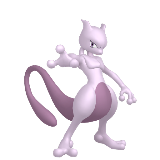 Mewtwo#150
 Mew#151
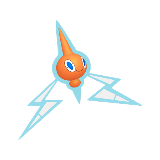 Rotom#479
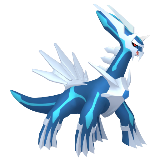 Dialga#483
 Heatran#485
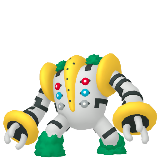 Regigigas#486
 Giratina#487
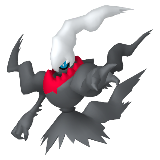 Darkrai#491
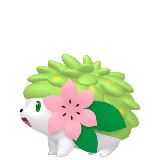 Shaymin#492
- Rattata – The toy the player starts with; a Shiny Rattata with the Speedy trait came by password in every region.
- Mewtwo – Final foe of the Rank S Battle Royale in Normal and Advanced Mode; earned by releasing Dialga, Palkia and Giratina.
- Mew – Given by password in all three regions, knowing only Cut.
- Rotom – Releasing Rotom with Jolteon, Flareon, Vaporeon, Leafeon or Glaceon earns its Fan, Heat, Wash, Mow or Frost form.
- Dialga – Advanced Rank S Battle Royale foe; ticket from Bastiodon, Garchomp, Lucario, Magnezone and Dragonite.
- Heatran – Rank S boss of Fiery Furnace in Advanced Mode and part of the game’s promotional art.
- Regigigas – Rank S boss of Bright Beach in Advanced Mode; a Giga Impact Regigigas came by password.
- Giratina – Origin Forme by password, Altered Forme by releasing Gengar, Garchomp, Spiritomb, Dusknoir and Dragonite.
- Darkrai – Unlocked by releasing all five of Rotom’s appliance forms.
- Shaymin – Sky Forme by password; Land Forme from releasing Arbok, Arcanine, Bastiodon, Charizard and Kangaskhan.
Game Modes
The game can be played either in single mode, teaming up with the AI, or with friends in the multiplayer modes. There are mainly two modes in the game: the Adventure Mode and the Battle Royale mode. The game will feature only the first generation Pokémon within the different Adventure stages and the Battle Royale, until the next difficulty level, Advanced Mode, in which the Pokémon featured are from the fourth generation. To unlock Advanced Mode, one has to beat all four Ranks in Normal Mode. Completing the Battle Royale at Rank C in Normal Mode will unlock the next Rank. The Ranks are, in order: C, B, A and finally S. Defeating Mewtwo at Rank S in Normal Mode will unlock the Advanced Mode difficulty level. Finishing Rank S in Advanced Mode will unlock the hardest difficulty level, EX Mode, in which Pokémon from both generation one and generation four appear, and where every Battle Royale is two rounds back to back, with no healing in between.
- The Adventure Mode: It’s mainly made up of 6 different stages, where the player can befriend and recruit a wide variety of Pokémon. At first, the player will start in the Silent Forest stage, with fairly weak Pokémon. Clearing the stage will unlock the rest of the stages. Within the stages, the player will have to befriend different Pokémon and build a stronger team, until they befriend (or buy) a strong Pokémon with a high enough Power Level, unlocking the Battle Royale. The stages available are as follows:
- The Silent Forest: A green forest, where mostly Bug and Grass Pokémon dwell. It is advised to use Fire and Flying Pokémon to clear the level faster.
- The Rocky Cave: A dark cave, lit by crystals and the home of Rock and Fighting Pokémon. Using Water and Psychic Pokémon will help clear the area faster.
- The Windy Prairie: A wide prairie housing a variety of Pokémon, mostly of the Normal and Flying types, with Dratini’s evolutionary line in the higher ranks. Using Fighting Pokémon will give the player the upper hand against the Normal types.
- The Bright Beach: A sunny beach and the habitat of Water Pokémon. Using Electric Pokémon is advised.
- The Fiery Furnace: A construction site built on magma, where mostly Fire Pokémon live. Having Water Pokémon will give the advantage.
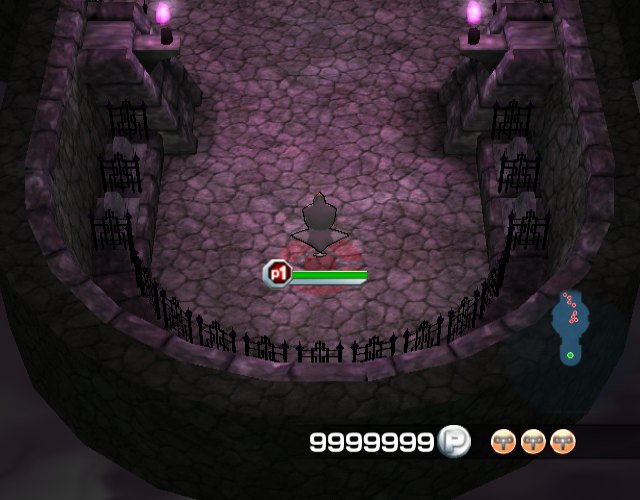
- The Eternal Tower: A dark ancient tower, in which Electric and Poison Pokémon will be encountered, along with Psychic and Ghost types. Using Rock and Ground Pokémon is encouraged.

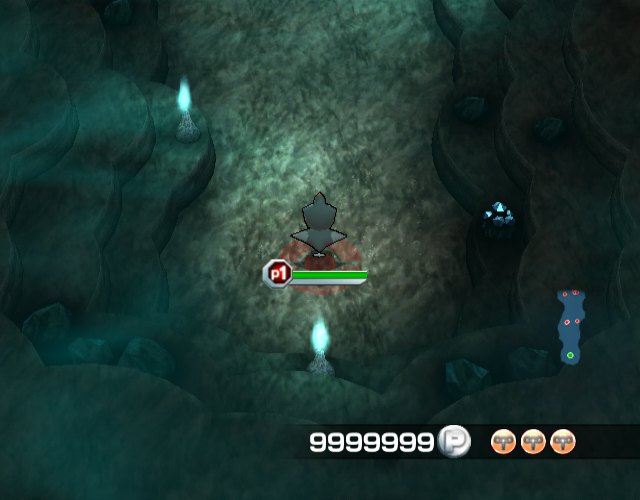


Area bosses
Each area ends with a boss that changes with the rank, and Advanced Mode swaps the Kanto bosses for Sinnoh ones. Bosses that have been beaten can later be bought at the Recruit Point.
| Area | Normal Mode bosses | Advanced Mode bosses |
|---|---|---|
| Silent Forest Bug/Grass |
C Ivysaur · B Raichu · A Venusaur · S Snorlax The first area open at every rank, full of forest-dwelling Bug and Grass toys. Fire and Flying moves clear it fastest, and a giant Snorlax guards the Rank S version. |
C Grotle · B Vespiquen · A Torterra · S Cresselia Sinnoh’s Grass and Bug Pokémon, such as Kricketot, Roserade, Carnivine and Yanmega, take over. The Turtwig line supplies two bosses before Cresselia closes Rank S. |
| Rocky Cave Rock/Fighting |
C Arbok · B Rhydon · A Lapras · S Articuno Mostly Rock and Fighting toys such as Geodude, Machop and Onix, so Water, Grass and Psychic moves help. Articuno waiting at Rank S is a surprise in a cave. |
C Toxicroak · B Abomasnow · A Rhyperior · S Garchomp Gible, Snover, Probopass, Mamoswine and Froslass join Kanto’s rock-dwellers. Garchomp is the Rank S boss and one of the key releases for the Dialga, Palkia and Giratina tickets. |
| Windy Prairie Normal/Flying (mixed) |
C Persian · B Pidgeotto · A Aerodactyl · S Dragonite A grassland with no single main type: Rattata, Spearow, Doduo, Farfetch’d and Lickitung early on, then Dratini and Dragonair in the higher ranks before Dragonite. |
C Bibarel · B Staraptor · A Lickilicky · S Lucario Bidoof, Starly, Buneary, Glameow, Chatot and Riolu fill the plains, with Togekiss and Rotom in the upper ranks before Lucario closes Rank S. |
| Bright Beach Water |
C Wartortle · B Jynx · A Blastoise · S Gyarados An ocean stage of Water toys, from Magikarp, Tentacool and Krabby to Starmie and Omastar. Electric and Grass moves cut through it on the way to Gyarados. |
C Prinplup · B Hippowdon · A Empoleon · S Regigigas Buizel, Finneon, Shellos and Mantyke join in, the Piplup line supplies two bosses, and Regigigas towers over the Rank S stage. |
| Fiery Furnace Fire |
C Charmeleon · B Magmar · A Charizard · S Moltres A blazing area of mainly Fire toys such as Charmander, Ninetales and Arcanine, alongside Magneton, Electrode, Hitmonlee and Hitmonchan. Water moves are the obvious answer before Moltres at Rank S. |
C Monferno · B Luxray · A Infernape · S Heatran The Chimchar line provides two bosses, Luxray is an Electric odd one out at Rank B, and Heatran, star of the promotional art, closes the area. |
| Eternal Tower Electric/Poison (with Psychic and Ghost) |
C Marowak · B Electabuzz · A Gengar · S Zapdos The sixth and last area, an ancient tower of Poison, Psychic and Ghost toys such as Nidoran, Drowzee, Abra, Gastly and Koffing, plus Electabuzz and Jolteon. Ground moves handle the Poison and Electric threats. |
C Mismagius · B Bronzong · A Dusknoir · S Spiritomb Three of the four bosses are Ghosts, with Stunky, Skorupi, Bronzor, Honchkrow and Gliscor among the crowds and Spiritomb waiting at Rank S. |
- The Battle Royale Mode: Clearing the Battle Royale is the principal objective of the game. It is an all-out battle where a large number of Pokémon fight until one remains standing.
The Battle Royale, rank by rank

The first Battle Royale opens once the player recruits a toy with 100 or more Power. Every win promotes the player a rank and pays out more P, and the strongest Pokémon of each contest arrive as silhouetted bosses at the end of a round:
| Battle Royale | Strong foes | Prize |
|---|---|---|
| Normal Mode · Rank C | Vaporeon, Jolteon, Flareon The first Battle Royale, opened by recruiting a toy with 100 or more Power. The three Kanto Eeveelutions lead the waves of Pokémon in this opening contest. |
500 P; promotion to Rank B |
| Normal Mode · Rank B | Alakazam, Machamp, Golem, Gengar Four fully evolved Kanto Pokémon head the waves, so a mixed team of types is needed to deal with Psychic, Fighting, Rock and Ghost threats in one fight. |
1,000 P; promotion to Rank A |
| Normal Mode · Rank A | Venusaur, Charizard, Blastoise The three Kanto starter evolutions guard Rank A. Their types cover each other, rewarding players who swap toys quickly during the brawl. |
3,000 P; promotion to Rank S |
| Normal Mode · Rank S | Articuno, Zapdos, Moltres; final boss Mewtwo The legendary birds lead the waves before Mewtwo appears as the final challenger of Normal Mode. Beating it opens Advanced Mode. |
5,000 P; unlocks Advanced Mode |
| Advanced Mode · Rank C | Rotom in several of its appliance forms Advanced Mode’s first Battle Royale is built around Rotom, whose forms can later be collected through release tickets that pair Rotom with an Eeveelution. |
8,000 P; promotion to Rank B |
| Advanced Mode · Rank B | Rampardos, Bastiodon, Electivire, Magmortar The Sinnoh fossil pair and the evolved Electabuzz and Magmar lead this round, mixing physical heavy-hitters with tough Steel defence. |
10,000 P; promotion to Rank A |
| Advanced Mode · Rank A | Torterra, Infernape, Empoleon Mirrors Normal Rank A, with Sinnoh’s three starter evolutions taking the place of Kanto’s; Empoleon’s Steel typing makes it the hardest of the three to wear down. |
13,000 P; promotion to Rank S |
| Advanced Mode · Rank S | Dialga, Palkia, Giratina; final boss Mewtwo The creation trio join Mewtwo in the hardest standard Battle Royale. Winning unlocks EX Mode; releasing the trio later earns a Mewtwo ticket. |
15,000 P; unlocks EX Mode |
| EX Mode Stage 1 | Round 1: Vaporeon, Jolteon, Flareon; Round 2: Rotom forms EX Mode has a single rank. Each stage strings two rounds together, pairing a Normal Mode line-up with its Advanced Mode counterpart, and no healing is allowed between them. |
18,000 P per stage |
| EX Mode Stage 2 | Round 1: Alakazam, Machamp, Golem, Gengar; Round 2: Rampardos, Bastiodon, Electivire, Magmortar Toys knocked out in the first round stay out for the second, so a deep collection of strong Pokémon matters more than one star. |
18,000 P per stage |
| EX Mode Stage 3 | Round 1: Venusaur, Charizard, Blastoise; Round 2: Torterra, Infernape, Empoleon Both generations’ fully evolved starters back to back, with no healing in between. A broad spread of types, and plenty of spare toys, is the safest way through both rounds. |
18,000 P per stage |
| EX Mode Stage 4 | Round 1: Articuno, Zapdos, Moltres, Mewtwo; Round 2: Dialga, Palkia, Giratina, Mewtwo The final test of the game: the legendary birds and Mewtwo, then the creation trio with Mewtwo again, with no chance to heal in between. |
18,000 P per stage |
Regional Variations
Pokémon Rumble came out in Japan first, under a different name, and a few things differ between the regions:
- Japan had the game five months early, on 16 June 2009, as Ransen! Pokémon Scramble (乱戦!ポケモンスクランブル, ‘Melee! Pokémon Scramble’). North America followed on 16 November and Europe and Australia on 20 November 2009.
- Passwords are region-locked: Japan, North America and Europe/Australia each had their own eight-digit codes, and Japan received far more of them than the other regions.
- Several Japanese password Pokémon carry traits named after Japanese promotions: PokéSun (after the TV show Pokémon Sunday), Buchō, Jōhō-bu and Fan Club (after the Pokémon Daisuki Club). In the English versions the Fan Club Pokémon, such as Pikachu, Zapdos and Mew, have no trait.
- Inside the program, the European English and Italian strings for a DVD build of the game use the name ‘Pokémon Scramble’, while the US, German, French and Spanish strings say ‘Pokémon Rumble’.
- The card-game tie-ins differed: Japan’s Melee! Pokémon Scramble × Pokémon Card Game (10 July 2009) had three extra secret promo cards for a lottery, while the English Pokémon Rumble set (2 December 2009) had just the 16 main cards.
- Age ratings: CERO A in Japan, ESRB E10+ in North America, PEGI 7 in Europe and G from the ACB in Australia.


Left in the data
- A ‘Thanks for playing!’ message left over from the demo version is still stored in the US message file (main.bmg).
- The executable names a DVD version of the game in every region, such as ‘Pokémon Rumble (DVD)’ in the US and ‘乱戦! ポケモンスクランブル(DVD)’ in Japan, even though no disc edition was ever sold.
- A debug line, ‘(DEBUG) Gate opening event here’, survives in the US script.
- A file called debug.bmg inside msg.arc holds text for a developer menu the game never calls, with options such as ‘Give me a million P’, ‘Get a Mew’, ‘Pokémon foes fixed’ and ‘Reset Prologue’.
- The European banner carries the build string WPSP_7278_EUR_FINAL.0911061327, which points to a final European build made on 6 November 2009.
The Rumble series after WiiWare
Pokémon Rumble began as a modest WiiWare experiment, but Ambrella spent the next decade building it into the longest-running spin-off series the studio ever made. Every sequel kept the wind-up toy idea, the button-mashing brawls and the hunt for rare Pokémon, while trying a new format each time: a boxed handheld game, toy figures that talk to the console, a free-to-start download and finally a phone game. The series ended with Ambrella itself.
- 5Rumble games, 2009–2019
- 4platforms, from WiiWare to phones
- 2011the first boxed Rumble game
- 2020Rumble Rush closes and Ambrella joins Creatures
| Game | Platform | First released | What it changed |
|---|---|---|---|
| Pokémon Rumble | WiiWare (Wii) | 16 June 2009 (Japan) | The original: a download-only brawler with 257 wind-up toy Pokémon, six areas, release tickets, region-locked passwords and the Battle Royale. |
| Pokémon Rumble Blast | Nintendo 3DS | 11 August 2011 (Japan) | Released in Japan on 11 August 2011 as Super Pokémon Scramble, Blast was the first boxed Rumble game. It added a fuller story, a much bigger roster and StreetPass battles. |
| Pokémon Rumble U | Wii U (download) | 2013 | A download game paired with collectable NFC toy figures that could be scanned into the game through the Wii U GamePad, a toys-to-life idea that came before amiibo. |
| Pokémon Rumble World | Nintendo 3DS (eShop, later boxed) | 8 April 2015 | A free-to-start eShop game from 8 April 2015, funded by Poké Diamond purchases. It later became the series’ download-to-retail story, with boxed versions in Japan in November 2015, Europe in January 2016 and North America in April 2016. |
| Pokémon Rumble Rush | Android, then iOS | 22 May 2019 | The series moved to Android on 22 May 2019 and to iOS that July, with stages spread across a map of islands. It closed on 22 July 2020, just over a year after launch. |
Ambrella joins Creatures (2020): On 16 October 2020 Creatures announced it was taking over Ambrella. The studio was dissolved and its staff moved to Creatures, so there have been no new Rumble games since.
Videos & media
Check out these videos of Pokémon Rumble (WiiWare), including the trailer, a review and a TV commercial.
The official trailer.
A review of Pokémon Rumble (WiiWare) by CGRundertow.
A U.S. TV commercial for Pokémon Rumble.
Trivia & facts
- Pokémon Rumble was never released on disc: it was only ever a WiiWare download, from 2009 until the Wii Shop Channel closed in 2019. It was a later game in the series, Pokémon Rumble World, that went from download to boxed copy: it came to the Nintendo eShop on 8 April 2015 and reached shops in Japan on 19 November 2015, Europe on 22 January 2016 and North America on 29 April 2016.
- Shiny Pokémon with Special Traits have their names in blue only.
- Pokémon Rumble was the first game in the Pokémon Rumble series, followed by Pokémon Rumble Blast, Pokémon Rumble U, Pokémon Rumble World and the mobile game Pokémon Rumble Rush (2019–2020).
Further trivia
- Japan’s passwords doubled as a summer promotion: most were revealed one a week on Pokémon Sunday between June and August 2009, and the rest in Famitsu, Dengeki and Pokémon Daisuki Club material or at Pokémon Centres.
- The first North American code, a Venusaur with SolarBeam, appeared in Nintendo Power on 13 November 2009, three days before launch. Others came from the instruction manual, Nintendo Week, IGN, Nintendo World and the official website.
- A Shiny Raichu code was given out on Japan’s Nintendo Channel on 18 November 2009, five months after the Japanese release.
-

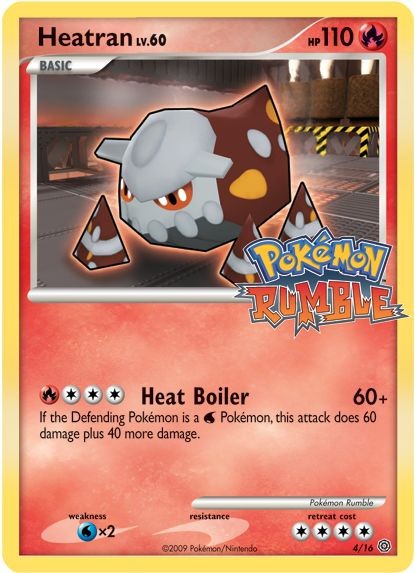
The promotional art, with Heatran. The game’s promotional art shows Heatran beside Dialga, Palkia, Giratina, Mewtwo and the three legendary birds; Heatran is the Advanced Mode boss of Fiery Furnace.
- Rumble’s Japanese name stuck to the series: in Japan the sequels are also ‘Scramble’ games, starting with Super Pokémon Scramble, known in English as Pokémon Rumble Blast.
Legacy
What came after
- Japanese WiiWare launch as Ransen! Pokémon Scramble – 16 June 2009. 1,500 Wii Points; passwords shown on Pokémon Sunday all summer
- North American WiiWare launch as Pokémon Rumble – 16 November 2009. First English password was printed in Nintendo Power just before launch
- European and Australian WiiWare launch – 20 November 2009. Region-specific passwords on the official site through December 2009
- Pokémon Rumble Blast (Nintendo 3DS) released in Japan – 11 August 2011. First boxed game in the series
- Pokémon Rumble U (Wii U) – 2013. Download game paired with NFC toy figures, before amiibo existed
- Pokémon Rumble World (Nintendo 3DS) on the eShop – 8 April 2015. Free-to-start; a boxed retail version followed in Japan on 19 November 2015
- Wii Points could no longer be added – 26 March 2018. First step in the Wii Shop Channel’s closure
- Wii Shop Channel closed to purchases – 30 January 2019. Pokémon Rumble can no longer be bought; previous buyers can redownload it
- Pokémon Rumble Rush (Android, later iOS) – 22 May 2019. Mobile entry; its service ended on 22 July 2020
- Creatures announced its takeover of Ambrella – 16 October 2020. Ambrella’s staff moved to Creatures, ending the studio behind the series
Where to play it today
As of October 2026 Pokémon Rumble cannot be bought anywhere. It only ever existed as a WiiWare download, and Nintendo closed the Wii Shop Channel to purchases on 30 January 2019. Anyone who bought it before then can still redownload it on a Wii, or on a Wii U through Wii Mode, and play with a Wii Remote. There is no Virtual Console, eShop or Nintendo Switch Online version.
How it was made
Pokémon Rumble was made by Ambrella, the Tokyo studio founded in 1996 that had already built Hey You, Pikachu!, Pokémon Channel, Pokémon Dash and the WiiWare game My Pokémon Ranch. Rumble reused Ranch’s Pokémon models and turned them into clockwork toys. Norio Matsumura directed, Mikiko Ohashi, Toshio Miyahara and Hiroaki Tsuru produced, and Satoru Iwata and Tsunekazu Ishihara were executive producers. Miki Obata handled the sound and was one of the game planners, Nayuta Taga led programming, Junichi Masuda, Ken Sugimori and Tetsuya Watanabe advised on game design, and Mario Club handled debugging. The game launched in Japan in June 2009 as Ransen! Pokémon Scramble. The collection booth is coded to skip Pokémon from Generations II and III, which suggests a bigger roster was planned and then cut. GameSpot previewed the renamed English version in September 2009, two months before its Western release.
Pokémon Rumble elsewhere




Sales & reviews
Sales figures
No official sales numbers were released for the game, but it was successful enough to launch a five-game series.
Nintendo has never published download figures for its WiiWare games, and the Japanese sales charts from Media Create and Famitsu counted only boxed software, so Pokémon Rumble never appeared in them. The best measure of its success is what followed: Ambrella made four more Rumble games between 2011 and 2019, on the 3DS, the Wii U and mobile phones.
- 1,500Wii Points to download
- 257Pokémon to collect
- 59on Metacritic (9 critics)
- 4sequels, 2011–2019
Review scores
Despite criticism of the recycled Pokémon models from My Pokémon Ranch, Pokémon Rumble had a mixed but fair reception and managed to get decent scores on several major review websites. Let’s take a look at these scores:
- Jack DeVries from IGN found the game mindless, but fun, giving Pokémon Rumble a score of 6/10, the equivalent of ‘Passable’ on the IGN scale.
- On GameRankings (which closed in 2019), Pokémon Rumble earned a good score of 66.20% over 5 reviews, while it had an average of 59 on Metacritic, based on 9 critics.
- Overall, although the game can be a little repetitive, it’s still fun and challenging and a great pastime for any Pokémaniac.
Critics were split. Fans of Gauntlet-style brawlers and of collecting found it moreish and long-lasting for a download: Official Nintendo Magazine called it one of the better Pokémon spin-offs and one of WiiWare’s longer-lasting games, and Nintendo Life recommended it, finding little that it did badly. Others saw shallow button-mashing. IGN thought it mindless but fun, without the depth to keep older Pokémon fans playing, and criticised the reused My Pokémon Ranch models. Edge and Vandal were harsher, both scoring it 4/10, with Vandal saying it would disappoint anyone hoping for either a proper Gauntlet or a proper Pokémon game. The result was a Metacritic average of 59, ‘mixed or average’, although players were kinder, with a user score of 8.0.
Media & artwork
Further reading
More Rumble, Ambrella and Wii links on the site: