  |
|
| Titles | Pokémon Colosseum ポケモンコロシアム (Pokémon Koroshiamu) |
| Platform | Nintendo GameCube (Game Disc; GameCube–GBA cable for the GBA games) |
| Developer | Genius Sonority |
| Publisher | Nintendo (co-published by The Pokémon Company in Japan) |
| Director | Manabu Yamana |
| Music | Tsukasa Tawada |
| Players | 1, 2 or 4 (Story Mode is single-player; Battle Mode takes up to four) |
| Genre | Role-playing game (Story Mode) and battle game (Battle Mode) |
| Shadow Pokémon | 48 to snag and purify (three more via e-Reader in Japan only) |
| Released | 21 November 2003 (Japan) · 22 March 2004 (North America) · 14 May 2004 (Europe) · 24 June 2004 (Australia) |
| Re-releases | Player’s Choice (North America, 2005); announced for Nintendo Classics on Nintendo Switch 2 (April 2025) |
| Rating | ESRB E · PEGI 3+ · CERO All ages · OFLC G8+ |
| Predecessor | Pokémon Stadium 2 (Nintendo 64, 2000) |
| Successor | Pokémon XD: Gale of Darkness (2005) |
| Sales | About 2.41 million worldwide; 656,270 in Japan and over 1.15 million in the US by 2007 |
Overview
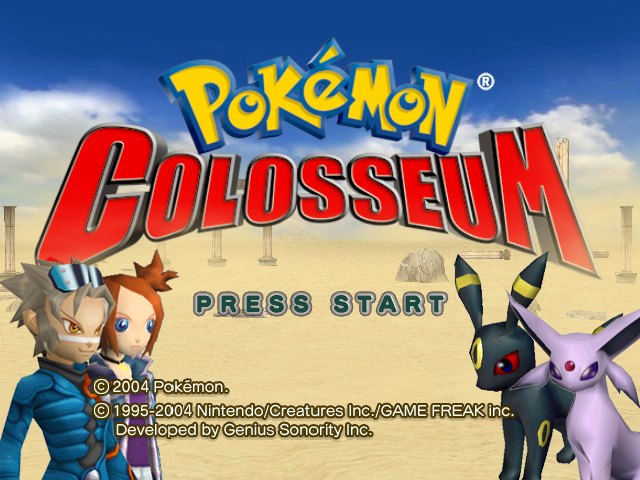 Pokémon Colosseum was the first true 3D adventure Pokémon game to be released. Although most people thought the game would be just a sequel to Pokémon Stadium 2 on the GameCube, Pokémon Colosseum combines the battle features of its predecessor with many new mechanics, creating a marvellous 3D RPG Pokémon game. Pokémon Colosseum takes place in the region of Orre, home of two evil organisations: Team Snagem, which uses Snag Machines to steal Pokémon from Trainers and capture them as if they were wild, and Team Cipher, which corrupts the hearts of Pokémon to gain control over them.
The main protagonist Wes, an ex-member of Team Snagem, battles the evildoers with the goal of purifying the Pokémon, all while discovering the new region and uncovering the truth behind the Shadow Pokémon. Unlike the other third-generation games, Pokémon Colosseum doesn’t let the player choose their character’s sex, as the protagonist can only be the male Wes, but they were given a female sidekick called Rui, who helps Wes throughout his adventure.
Another noticeable thing about the game is that all Story Mode battles are fought in a two-versus-two Pokémon battle style. As opposed to the RPG Pokémon games, the player can’t capture wild Pokémon but can only snatch the corrupted Shadow Pokémon from other Trainers. The game also features a battle mode where players can use the Pokémon present in the game, or their own from the GBA games, to battle each other or the AI. Marvellous graphics and scenery are present in the game, along with very well-done 3D Pokémon models and animation, making it hard to beat graphically in its day. On the sound side, the game was also spectacular, especially with the different soothing music and themes provided. Overall, the game was pretty successful and very well received by the Pokémon community, earning the title of the best-selling RPG on GameCube.
The Stadium has been conquered, enter a new arena – Pokémon Colosseum. In this innovative game, players can upload Pokémon from their Game Boy Advance games Pokémon Ruby and Pokémon Sapphire, and battle against friends on their televisions through Nintendo GameCube. With a collection of arenas to choose from, players can enter their Pokémon in a tournament or battle it out in four-player multi-battles, making each experience unlike the last. Players also can join with a friend to combine strengths in new two-on-two battles and demonstrate their Pokémon prowess as a team.
— Official description (Nintendo UK, GameCube game page)
Quick Answers
The questions people ask about Pokémon Colosseum, answered first and explained further down the page.
How do you get Ho-Oh in Pokémon Colosseum?
Snag and purify all 48 Shadow Pokémon in Story Mode, then use that same Story Mode party to beat all 100 Trainers of Mt. Battle in Battle Mode, in Single or Double Battles. You cannot change the team during the run. A Level 70 Ho-Oh is then sent to a free slot in your PC boxes. More →
Can you choose a starter in Pokémon Colosseum?
Not at the start: Wes always begins with Espeon and Umbreon. Later, in Phenac City, you choose which of three Cipher thugs to fight: Verde (Shadow Bayleef), Rosso (Shadow Quilava) or Bluno (Shadow Croconaw). The other two reappear after the credits, one at the Snagem Hideout and one at the Shadow Pokémon Lab. More →
How many Shadow Pokémon are there in Pokémon Colosseum?
There are 48 in the English-language versions, all from the second and third generations, from Makuhita and Bayleef up to Entei, Raikou, Suicune, Metagross and Tyranitar. The Japanese version had three more, Togepi, Mareep and Scizor, which came from Trainers unlocked with e-Reader cards. More →
How do you purify Shadow Pokémon in Pokémon Colosseum?
Open its heart by walking with it in your party, using it in battle, calling to it when it goes into Hyper Mode, leaving it at the Agate Village Day Care or massaging it with Scents. Once the Heart Gauge is empty, take it to the Relic Stone near Agate Village to finish. A Time Flute purifies one instantly. More →
Is Pokémon Colosseum on Nintendo Switch?
Not yet. Nintendo announced it in April 2025 for the GameCube library of Nintendo Classics, part of Nintendo Switch Online + Expansion Pack on Nintendo Switch 2, but it still had no release date as of August 2026. Its sequel, Pokémon XD: Gale of Darkness, joined the service in March 2026. More →
How do you trade Pokémon from Colosseum to Ruby and Sapphire?
Beat Evice and watch the credits first; the trade machine in Phenac City’s Pokémon Center then works. Connect a Game Boy Advance to the GameCube with the GameCube-GBA cable and trade with Ruby, Sapphire, FireRed, LeafGreen or Emerald. Groudon, Kyogre and other species missing from Orre can be brought in this way. More →
Plot / Story
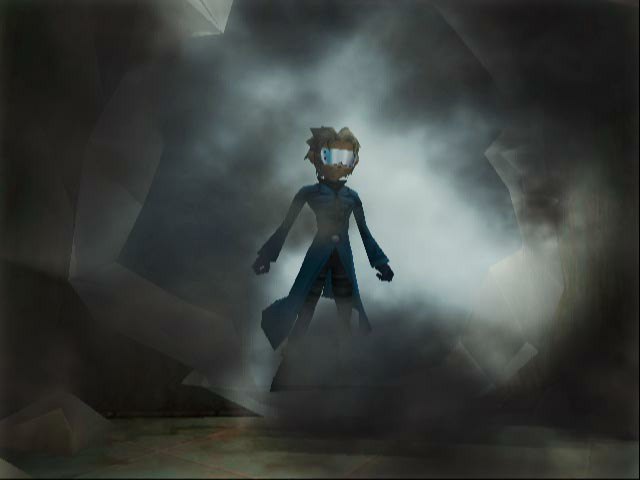
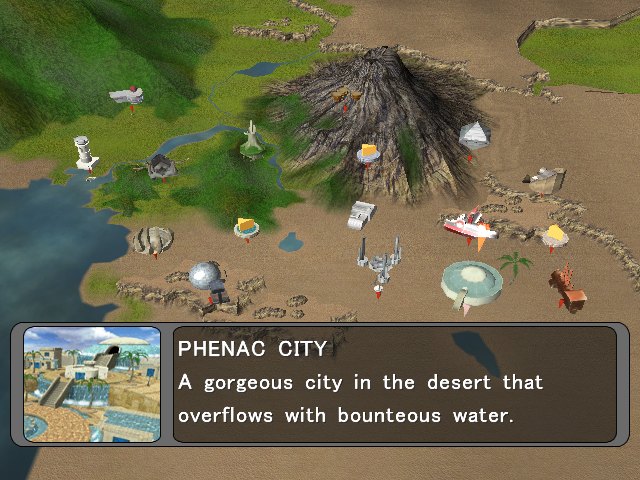
In most RPG Pokémon games, the game starts with the character waking up at home or reaching home and being asked to set the time. Pokémon Colosseum starts completely differently, with the main protagonist Wes escaping from the exploding hideout of Team Snagem, after stealing its portable Snag Machine. Using his motorcycle, Wes reaches Outskirt Stand, where he has his first battle, against Rider Willie, using his Espeon and Umbreon. Upon defeat, Willie tells the player about Phenac City, which he visits, encountering two suspicious people dragging a sack. Once they are defeated, a girl named Rui emerges from the sack and decides to stick with the player for a while.
They both head to the mayor, informing him of the Shadow Pokémon, and he in return suggests that they visit Phenac’s Stadium. At the Stadium’s entrance they encounter two Team Snagem grunts, one of whom reveals Wes’s past as an ex-Snagger. After confronting and defeating one of the grunts, Rui, who turns out to be able to see the dark aura of Shadow Pokémon, decides to tag along with Wes, becoming his partner throughout the game.
The player soon learns about Team Cipher as the corruptors of Pokémon and starts his quest of snagging all of the Shadow Pokémon they have. Both characters lead an adventure full of battles, in which they eventually face the four Cipher Admins: first, Miror B. in Pyrite Cave; second, Dakim, the Shadow Entei owner, at Mt. Battle; third, Venus, the Shadow Suicune owner, in The Under; and finally Ein, the Shadow Raikou owner, at the Shadow Lab.
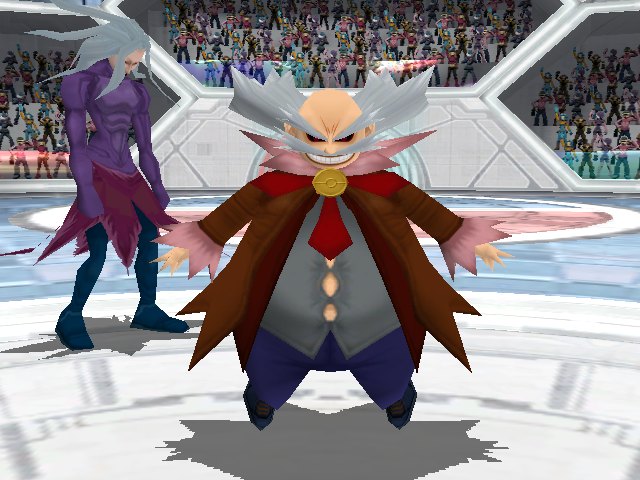
Afterwards, Rui and Wes head to the Realgam Tower, where they face the four Cipher Admins again, followed by the Cipher boss Nascour. Upon Nascour’s defeat, Es Cade, the mayor of Phenac City, shows up, revealing he’s Evice, the true boss of Cipher. Once Evice loses, he tries to escape by helicopter, but gets stopped by the flames of a Ho-Oh.
Who’s who
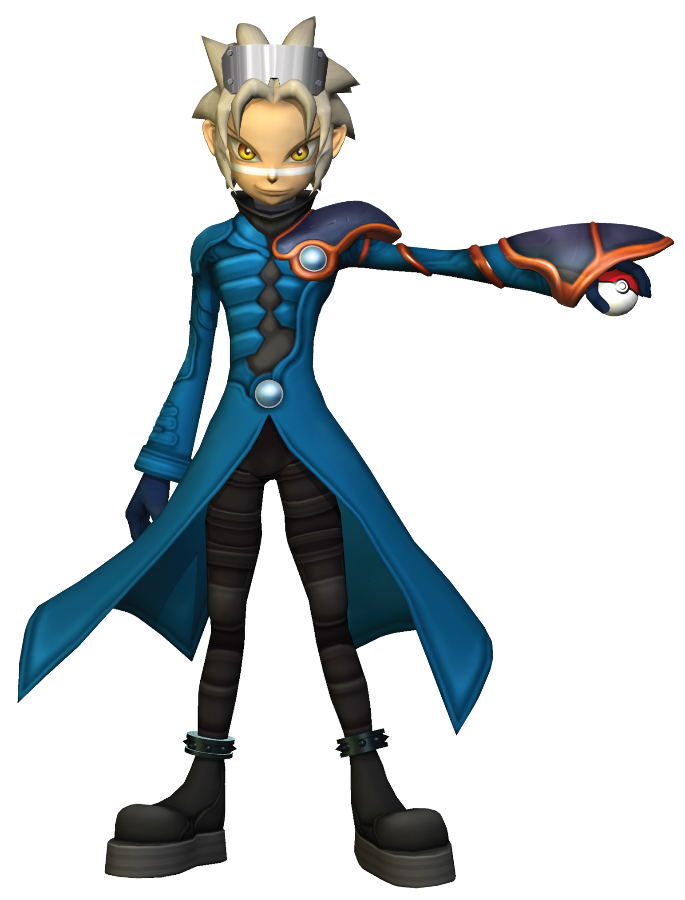
Wes
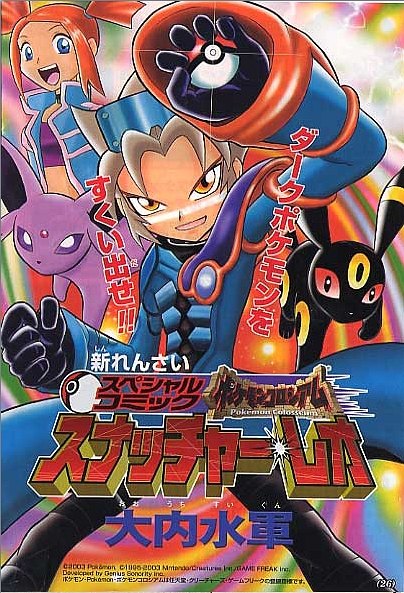
Around 17 years old, Wes is a former member of Team Snagem who destroys its hideout and escapes with the portable Snag Machine. His Japanese name is Leo. He is the only player character in the series who once belonged to a villainous team, and the first to start with two Pokémon, Espeon and Umbreon. He is mentioned, though never by name, in Pokémon XD, and stars in the manga Pokémon Colosseum Snatcher Leo.
Rui
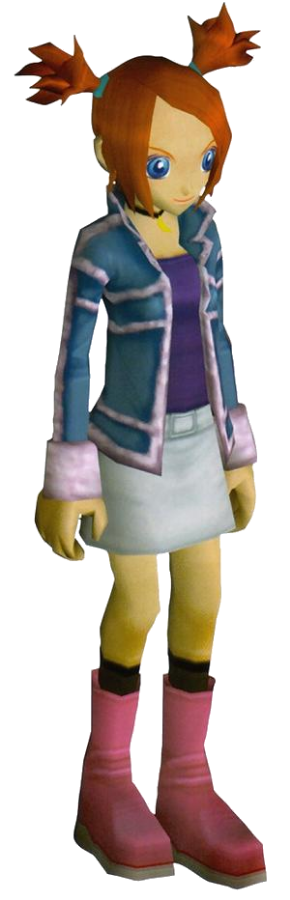
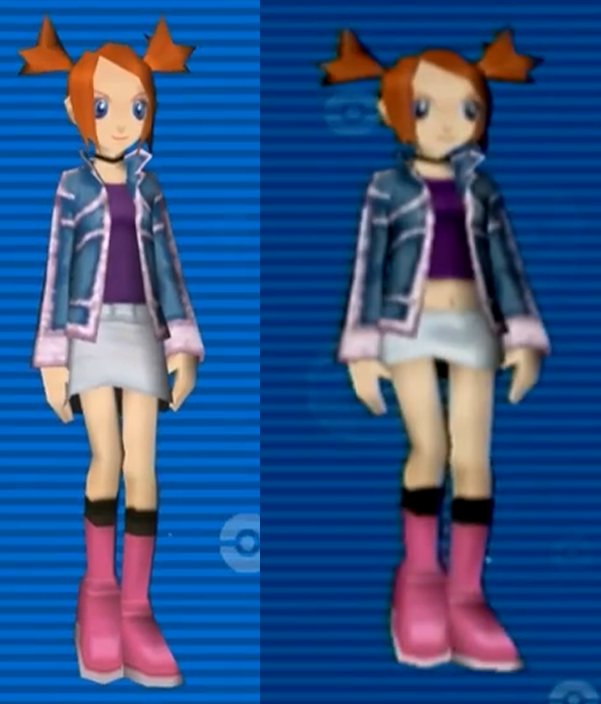
Known as Mirei in Japan, Rui was on her way to visit her grandparents, Eagun and Beluh, in Agate Village when she saw a Shadow Pokémon in Pyrite Town and was kidnapped to keep her quiet. After Wes frees her in Phenac City, her rare ability to see Shadow Pokémon’s dark aura makes her his guide. Her outfit was made longer for the international releases.
Eagun
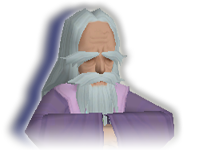
Rui’s grandfather, who lives in a great tree in Agate Village with his wife Beluh. In his day he was reckoned the finest Trainer around, and he still keeps his first Pokémon, a Pikachu. He watches over the Relic Stone, the shrine where Shadow Pokémon are finally purified, and he reappears in XD.
- Willie: A Rider hanging around Outskirt Stand, the desert diner where Wes stops after fleeing the Snagem Hideout. He is the first Trainer Wes battles, giving the player a first taste of the game’s Double Battles with Espeon and Umbreon. After losing, he points Wes towards Phenac City, where the story proper begins.
- Duking: A towering bodybuilder (Ginzaru in Japanese) who runs Pyrite Colosseum and keeps order in lawless Pyrite Town; locals fear him more than the police, but he is fair and kind, and secretly lets the town’s children use a hidden room in his house. Miror B.’s gang holds his Plusle hostage in the Pyrite Building; after Wes rescues it, Duking entrusts it to him. He returns in XD as a Poké Spot enthusiast.
- Gonzap: The boss of the gang Wes betrayed. He confronts Wes inside Realgam Tower with a team led by a Shadow Skarmory, and after the credits lures him back to the Snagem Hideout with a rumour about repairing a Snag Machine, wanting revenge with a stronger Level 64 team. He appears again in Pokémon XD.
- Nascour: Nascour (Jakira in Japan) gives orders to the Admins over video link and welcomes Wes and Rui to Realgam Tower as if he were in charge. He battles at the top of the tower, relying on stat-boosting items, and his team ends with a Shadow Metagross. He is the only Trainer in any Pokémon game whose battle has no music.
Can I catch ’em all?
When it comes to getting Pokémon, the game is very different from its RPG predecessors. There are no wild Pokémon, and the player can only ‘snag’ Shadow Pokémon, which limits the options even further. Overall, there are 48 Shadow Pokémon to be snagged. Apart from a handful of gifts (Espeon, Umbreon, Plusle and Ho-Oh), the rest can only be obtained via connectivity to other games.
During the game the player gets to choose between Bayleef, Quilava and Croconaw: in Phenac City, Wes picks which of three Cipher thugs to battle, each holding one of them as a Shadow Pokémon. Once the player picks a Pokémon, the other two will be available again after the credits. The Pokémon whose type is strong against the chosen Pokémon’s type will be at the Snagem Hideout, while the one it beats will be available at the Shadow Pokémon Laboratory.
| Thug | Shadow Pokémon | Rest of the team |
|---|---|---|
| Verde | Bayleef (Lv 30) | Grimer Lv 26, Spoink Lv 24 |
| Rosso | Quilava (Lv 30) | Grimer Lv 26, Spoink Lv 24 |
| Bluno | Croconaw (Lv 30) | Grimer Lv 26, Spoink Lv 24 |
Players can obtain Ho-Oh in Pokémon Colosseum after snagging and purifying all 48 Pokémon and then beating all 100 Trainers of Mt. Battle in Battle Mode with their Story Mode party.
When Wes saves Plusle from Cipher, Duking gives it to him to take care of.
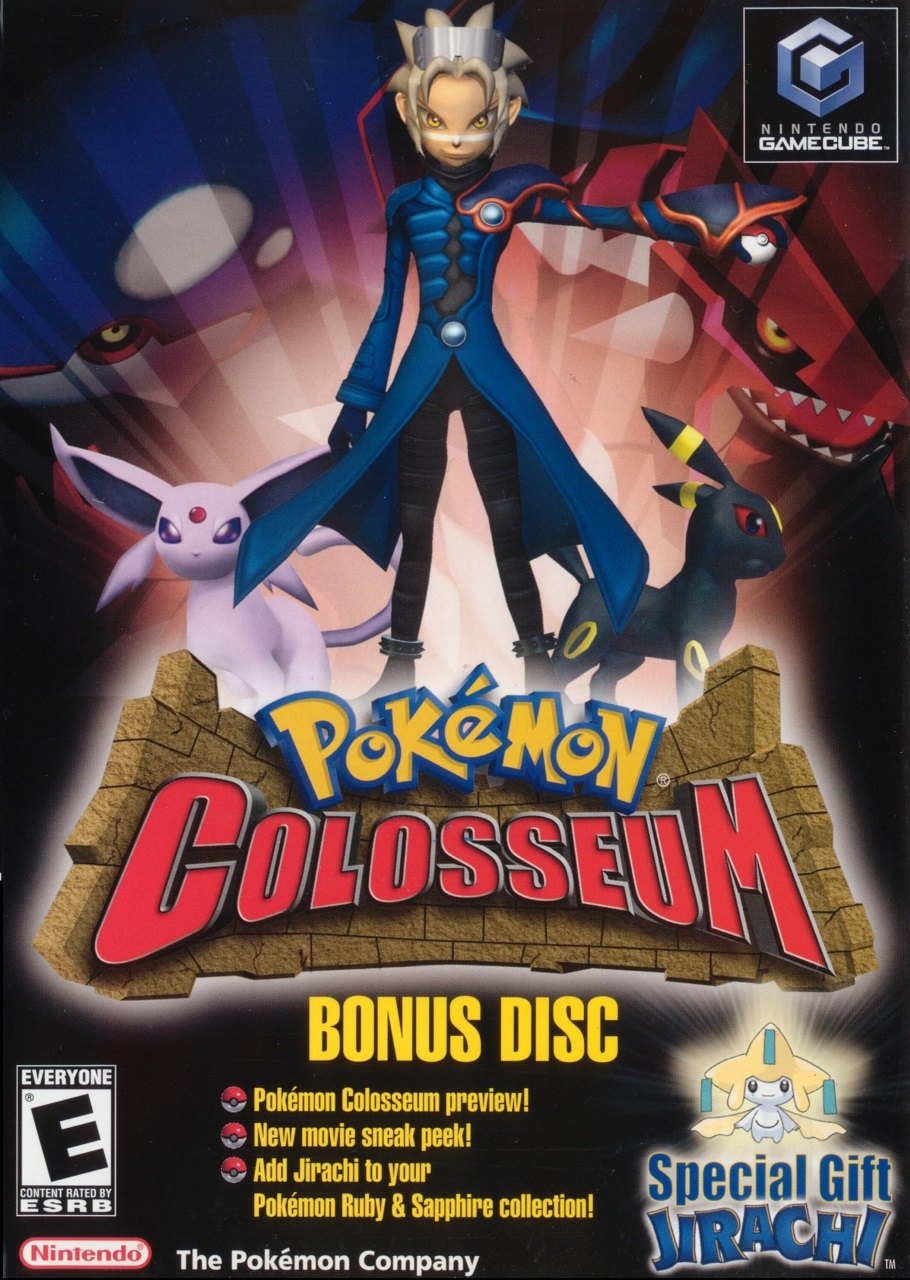
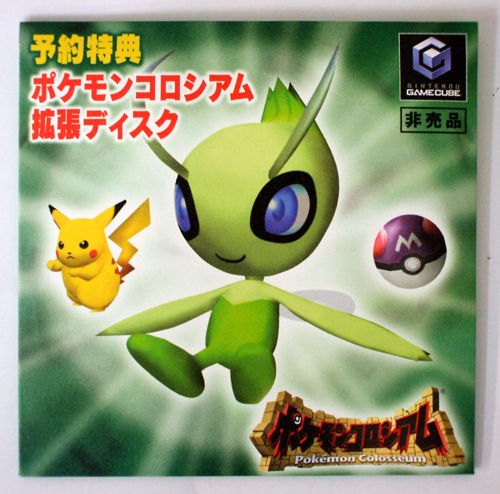
The bonus disc given with the game allowed players in North America to earn Jirachi for Ruby and Sapphire, and those in Japan to earn Celebi (and Pikachu). Furthermore, the disc wasn’t given to those in the PAL regions, where the European version of Pokémon Channel gave Jirachi to Ruby and Sapphire instead.
Notable Pokémon
Orre has no wild Pokémon. Wes starts with Espeon and Umbreon, receives Plusle as a gift and builds the rest of his team by snagging 48 Shadow Pokémon from Cipher and its allies, every one of them from the second or third generation. Purifying all 48 opens the way to Ho-Oh. Japanese players could also snag Togepi, Mareep and Scizor through e-Reader cards and get Celebi and Pikachu from a bonus disc. Any other species, Groudon and Kyogre included, has to be traded in from the GBA games.
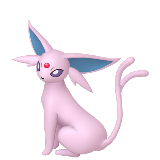 Espeon#196
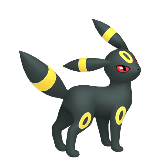 Umbreon#197
 Makuhita#296
 Plusle#311
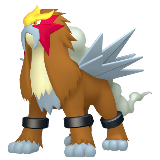 Entei#244
 Suicune#245
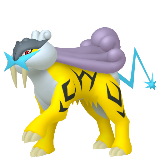 Raikou#243
 Metagross#376
 Tyranitar#248
 Ho-Oh#250
- Espeon – One of Wes’s two starting Pokémon, at Level 25 and always male.
- Umbreon – Wes’s other partner from the opening, at Level 26 and always male.
- Makuhita – A Level 30 Shadow Pokémon held by Miror B.’s henchman Trudly in Phenac City, among the first Wes can snag.
- Plusle – Level 13 gift from Duking after Wes rescues it from Miror B.’s gang in Pyrite Town.
- Entei – Dakim’s Level 40 Shadow Pokémon at Mt. Battle.
- Suicune – Venus’s Level 40 Shadow Pokémon in The Under.
- Raikou – Ein’s Level 40 Shadow Pokémon at the Shadow Pokémon Lab.
- Metagross – Nascour’s Level 50 Shadow Pokémon, holding a Metal Coat.
- Tyranitar – Evice’s Level 55 Shadow Pokémon, the highest-levelled of the 48.
- Ho-Oh – Level 70 reward for purifying all 48 and clearing Battle Mode’s Mt. Battle.
Purification Techniques
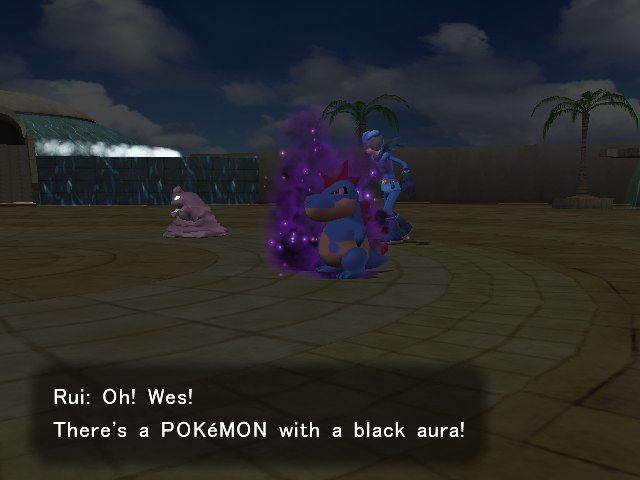
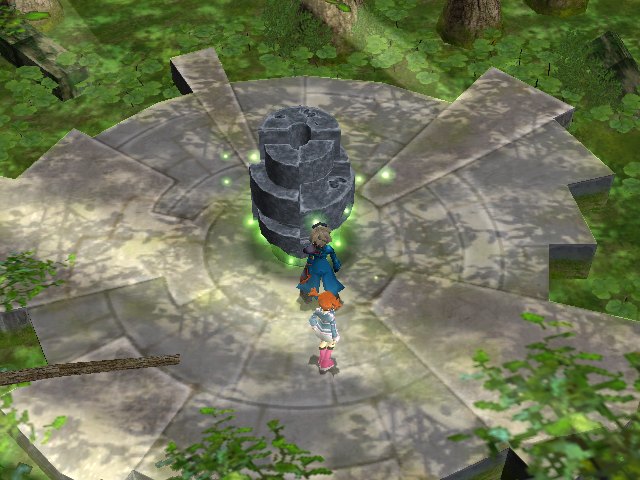
In order for the player to purify a Pokémon, its Heart Gauge first has to reach a certain level. The message ‘The Pokémon’s heart is about to open! Undo the final lock!’ is displayed when a Pokémon is ready to be purified, and it then has to be taken to the Relic Stone in the Relic Forest below Agate Village. Once they are purified, Pokémon will earn all the experience they have accumulated, along with a National Ribbon.
There are several factors that can help reach the purification point of the Heart Gauge:
- Walking anywhere while having the Pokémon in the party.
- Battling with it.
- Placing the Pokémon in Agate Village’s Day Care.
- Calling the Shadow Pokémon during battles, once it enters Hyper Mode.
- Using Scents bought in Agate Village on the Pokémon.
- Playing the Time Flute, which summons Celebi to purify a Pokémon instantly.
Cipher’s Admins & bosses
Every Admin guards a legendary or prized Shadow Pokémon, and all four are fought twice – once on their home turf, then again in Realgam Tower before Nascour and Evice. The teams below are from the first battles; the Realgam Tower rematches are in the notes.

Cipher Admin: Miror B.
Team: Ludicolo Lv 28, Ludicolo Lv 29, Ludicolo Lv 31, Ludicolo Lv 30, Shadow Sudowoodo Lv 35
Ends the scheme in which Shadow Pokémon were handed out to Pyrite Colosseum winners. His Realgam Tower team is Ludicolo, Ludicolo, Loudred, Golduck and Armaldo (Lv 43-46).
Cipher Admin: Dakim
Team: Metang Lv 37, Golem Lv 38, Marshtomp Lv 38, Camerupt Lv 38, Shadow Entei Lv 40
Takes over Mt. Battle partway up the climb. In Realgam Tower he uses Claydol, Forretress, Flygon, Whiscash and Houndoom (Lv 45-47).

Cipher Admin: Venus
Team: Delcatty Lv 45, Steelix Lv 45, Banette Lv 45, Vileplume Lv 44, Shadow Suicune Lv 40
The Under’s television celebrity, fought in the underground city. Her Realgam Tower rematch team is Bellossom, Misdreavus, Raichu, Wigglytuff and Milotic (Lv 47-48), with no Shadow Pokémon.
Cipher Admin: Ein
Team: Golbat Lv 48, Huntail Lv 47, Lanturn Lv 47, Altaria Lv 46, Shadow Raikou Lv 40
Head of the lab where Shadow Pokémon are made; six of his Cipher Peons there carry Shadow Pokémon too. In Realgam Tower he fields Crobat, Pelipper, Rhydon, Starmie and Manectric (Lv 48-50).
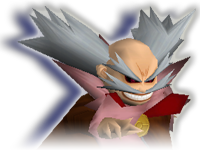
Cipher Head: Evice
Team: Slowking Lv 61, Scizor Lv 60, Machamp Lv 61, Salamence Lv 60, Slaking Lv 60, Shadow Tyranitar Lv 55
Phenac’s mayor Es Cade unmasked. If Tyranitar has already been snagged, an Aggron (Lv 62) replaces it and the prize rises to ₽6,200.
| Opponent | Where | Team | Notes |
|---|---|---|---|
| Verde, Rosso or Bluno Mystery Troop |
Phenac City | Grimer Lv 26, Spoink Lv 24 and Shadow Bayleef (Verde), Shadow Quilava (Rosso) or Shadow Croconaw (Bluno), all Lv 30 | Only one of the three can be challenged in the story. After the credits the other two return: the starter that beats the chosen one waits at the Snagem Hideout, the one it beats at the Shadow Pokémon Lab. |
| Gonzap Team Snagem boss |
Realgam Tower (2F); Snagem Hideout after the credits | Crawdaunt Lv 52, Shiftry Lv 53, Pinsir Lv 52, Hariyama Lv 53, Shadow Skarmory Lv 47 | Post-game rematch: Breloom, Crawdaunt, Granbull, Armaldo, Machamp and Gyarados, all Lv 64, for ₽6,400 and the D-Disk. An unsnagged Skarmory replaces the Gyarados. |
| Nascour Cipher leader |
Tower Colosseum, Realgam Tower | Dusclops Lv 55, Gardevoir Lv 55, Blaziken Lv 54, Xatu Lv 54, Walrein Lv 56, Shadow Metagross Lv 50 | Reached after a four-Trainer gauntlet and the Admin rematches. Uses X Special and other stat boosters; if Metagross has been snagged, an Alakazam (Lv 57) takes its place. |
For a step-by-step look at every fight, see our in-depth Pokémon Colosseum boss guide.
Game Modes
Pokémon Colosseum mainly offers two game modes: Story Mode and Battle Mode.
- Story Mode: The main story mode, taking place in the Orre region, where Wes and Rui conduct their quest to save all the corrupted Pokémon from Team Cipher.
- Battle Mode: The second mode of the game, a battle mode where the player can face the AI or other players. Several options are available to the player within it: they can battle in the different Colosseums, take on Mt. Battle or jump straight into Battle Now with rental Pokémon.
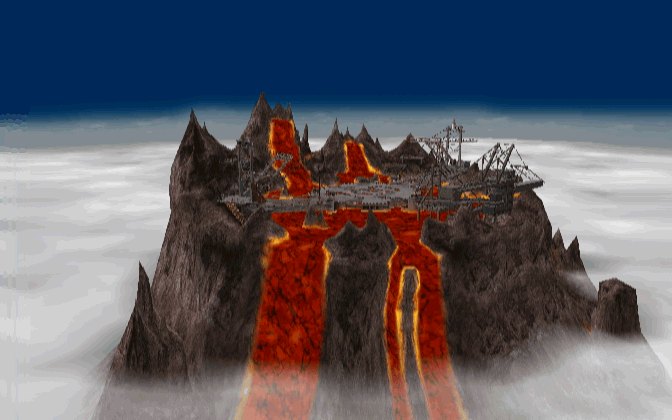
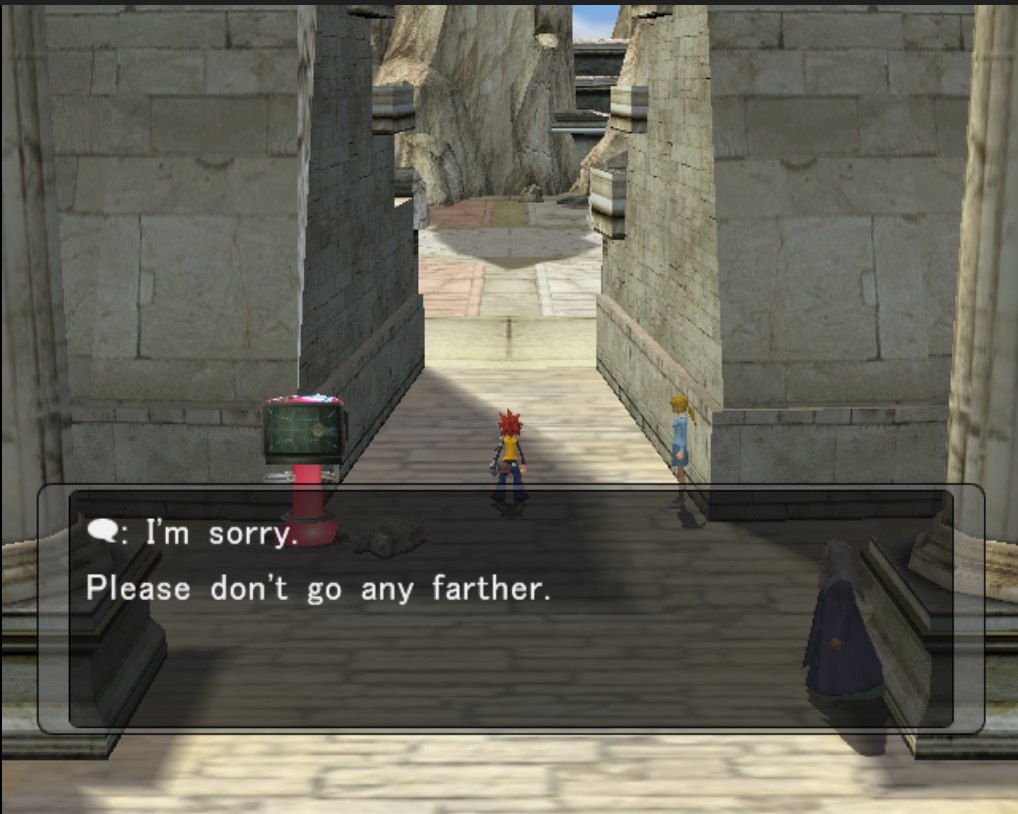
- Colosseum Battles: The player can join six different Colosseums (Phenac Stadium, Pyrite Colosseum, Under Colosseum, Orre Colosseum, Tower Colosseum and Deep Colosseum), each with different rules and Pokémon levels. They can pick whether to enter the specified Colosseum in a one-versus-one or two-versus-two play style. These different Colosseums are unlocked through the Story Mode. Winning a Colosseum earns the player Poké Coupons.
- Mt. Battle: In Mt. Battle, the player has to face one hundred different opponents, split into ten Areas of ten Trainers. The difficulty goes up as the player scores more wins and progresses. Each time the player clears an Area, they earn Poké Coupons.
- Poké Coupons: In Story Mode, players can trade the Poké Coupons they have earned for various rare items or TMs at the exchange in the Mt. Battle lobby.
In depth: the fine print
Integration with other titles
Like the Pokémon Stadium games, Pokémon Colosseum allows linking to the GBA games (Pokémon Ruby and Pokémon Sapphire, Pokémon FireRed and Pokémon LeafGreen, and Pokémon Emerald) and the trading of Pokémon between the games. Yet this functionality is only available after finishing the Story Mode, through the trade machine in Phenac City’s Pokémon Center.
GBA teams can also be brought into Battle Mode over the GameCube–GBA cable, and Pokémon sent back to the Game Boy Advance games show ‘a distant land’ as the place they were met.
Regional Variations
Japan had the game four months before North America, and it was the most different of the three releases:
- Rui wears a crop top and miniskirt in Japan; the international releases gave her a longer shirt and skirt with a white belt and paler colours.
- The Card e Room is sealed outside Japan, so the e-Reader Shadow Pokémon (Togepi, Mareep and Scizor) cannot be obtained; the European version cannot connect to an e-Reader at all, while the North American version can still read Japanese cards if the room is opened with a cheat device.
- The North American version calls the move Frenzy Plant ‘Solid Plant’; the European release corrects it.
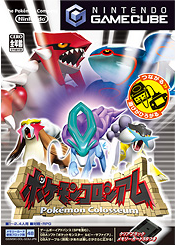
- Japan’s logo has a brick-wall design with a rising animation, which the international logo drops; Rui’s Japanese title-screen model is an older one that does not smile.
- Pre-order bonuses differed: North America got a disc with Jirachi for Ruby and Sapphire, Japan’s pre-order disc, issued in two editions, offered Celebi and Pikachu, and Europe got no disc, for which Nintendo apologised.
- Europe had a GameCube bundle that added Pokémon Box: Ruby & Sapphire, a Memory Card and a GameCube-GBA cable.
- Japanese names: Wes is Leo, Rui is Mirei, Duking is Ginzaru, Nascour is Jakira, and Evice is Wardack, with Backley as his mayoral alias Es Cade.

Left in the data
- Leftover debug text names Shadow Pokémon that cannot be snagged in the final game, among them Castform, Spoink, Baltoy, Mightyena, Porygon2, Lunatone, Solrock, Kecleon, Xatu and Wobbuffet; several became Shadow Pokémon in Pokémon XD. An early Japanese advert even shows the hero with a Castform.
- Unused story mails mention a Shadow Kecleon and a character called NETT who reports finding more Shadow Pokémon in batches of six, and the data also holds cut Trainers such as Hunter Retay, Malpes the Riddle-Lover and a family of six Shadow Aipom siblings.
- The Card e Room survives on international discs: it appears in a title-screen demo and its virtual menu music remains, and the North American disc even holds an unreleased 21st card, though the room cannot be entered without cheat devices.
- The Relic Stone map is named shrine_1F internally despite having one floor, and the main disc carries Celebi data that only the Japanese bonus disc used.
- A debug function can be switched on with an Action Replay code; it shows a bar of Japanese instructions and lets the player pause the game or run it in slow motion.
Glitches, exploits and oddities
Shiny Shadow Pokémon, a miscounted bag and a few other battle bugs:
Shiny Shadow Pokémon
Shininess in the third generation is worked out from a Pokémon’s personality value and its Trainer’s ID numbers. When Wes snags a Shadow Pokémon, the game overwrites the original Trainer’s ID with his own, so a Shadow Pokémon that was not shiny for Cipher can turn shiny for the player, with roughly a 1 in 8,192 chance. The same quirk can make an opponent’s Pokémon shiny in a rematch after a loss. Pokémon XD closed the loophole by stopping Shadow Pokémon from ever being shiny.
Poké Ball count bug
In a Double Battle, choose a Poké Ball for the first Pokémon’s turn, then on the second Pokémon’s turn switch to a different kind of ball in the Bag with X or Y and throw that one. The Poké Ball pocket keeps showing the same number of balls, as though the throw cost nothing. If the second Pokémon is locked into a multi-turn move, the ball used is a different one from the one selected. The bug was fixed in Pokémon XD.
Battle item on the wrong Pokémon
Trying to use an item that has no effect, such as a Potion on a Pokémon that already has full HP, lets the player apply a battle item to that Pokémon instead of to the one whose turn it is. This allows stat-boosting battle items to be used on a Pokémon other than the one taking its turn, which normally is not possible.
Shadow Rush hits through Fly and Dig
A Shadow Pokémon in Hyper Mode sometimes ignores the move it was told to use and lashes out with Shadow Rush instead. If the ordered move was Thunder, Surf, Earthquake or Magnitude, the disobedient Shadow Rush can hit a target in the semi-invulnerable turn of Fly, Bounce, Dive or Dig, which nothing else in the game normally manages to do.
Snag recall bug
If Wes snags a Shadow Pokémon on the same turn that the computer recalls one of its other Pokémon, and the opponent has only two non-Shadow Pokémon left, the opposing Trainer fails to send anything out in place of the snagged Pokémon. It carries on with one Pokémon short for the rest of the Double Battle, which makes the fight noticeably easier for the player.
Videos & media
Check out these Pokémon Colosseum videos, including a TV commercial, the bonus-disc trailer, the intro and more.
The undeniably cool title screen and opening cinematic.
The official trailer from the bonus disc.
A USA TV commercial.
The Card e Room (e-Reader) menu theme – a feature only usable in Japan.
Trivia & facts
- Although the game presented a lot of new Pokémon models and animations, many were carried over as they were from the Pokémon Stadium games.
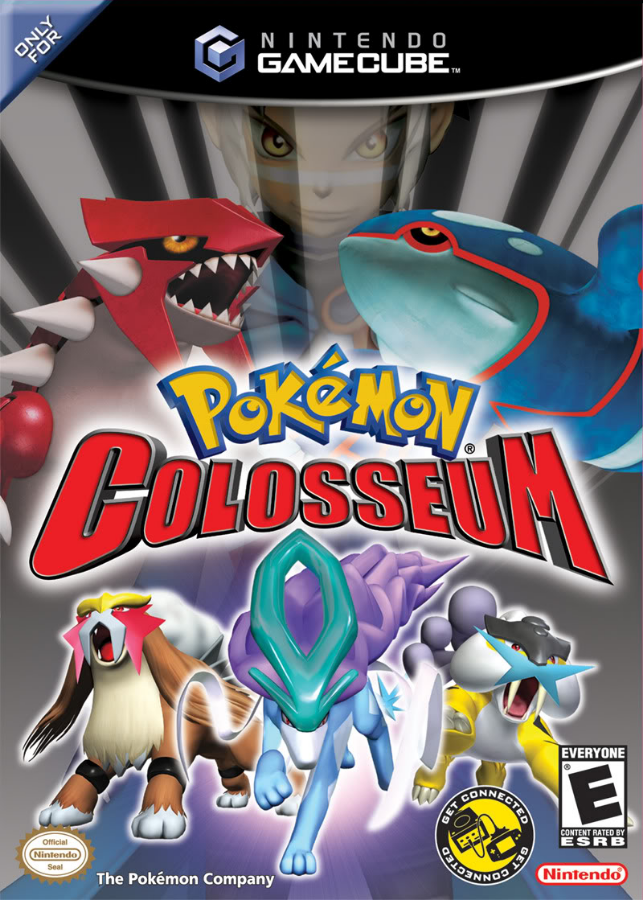
- Groudon and Kyogre can’t be found in Orre, although they’re portrayed on the North American cover; they can only be traded in from the GBA games.
- If the boxes of the player’s storage system and their party are both full, they won’t be able to snag Pokémon; instead they get the message ‘The box is full. You can’t snag any more Pokémon.’
- The first Pokémon game to introduce the concept of Shadow Pokémon.
- The Pokémon obtainable in Pokémon Colosseum are only from the second and third generations (the Japanese bonus disc’s Pikachu aside).
Further trivia
- Wes is the only player character in the series who used to belong to a villainous team, and the first to start the game with two Pokémon, both above Level 5.
-
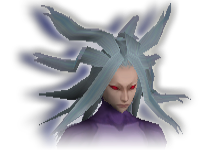
Nascour, the only Trainer fought in silence. Nascour is the only Trainer in any Pokémon game whose battle has no music at all.
- Evice’s name blends ‘evil’ and ‘vice’, a hint that he was only second in command; Pokémon XD reveals that Cipher’s real master is Greevil.
- Purified Pokémon receive the National Ribbon, and clearing all 100 Mt. Battle Trainers in one run gives the Earth Ribbon; both ribbons belong only to Colosseum and XD.

The National Ribbon 
The Earth Ribbon - The Japanese bonus disc could send up to 48 Celebi from one Colosseum save, but only one to each GBA save file; they carry the Original Trainer name Ageto, the Japanese name of Agate Village.
- In Pokémon XD, the Trainer at Mt. Battle’s Zone 93 uses Espeon, Umbreon, Raikou, Entei and Suicune, the same line-up Wes ends up with in Colosseum.
- The Japanese bonus disc also unlocked a Pikachu holding a Light Ball, awarded for reaching the Silver rank of 5,000 Poké Coupons.
Legacy
What came after
- Japanese launch – 21 November 2003. Pre-order bonus discs (1 October to 3 November 2003) offered Celebi and Pikachu for the GBA games.
- North American launch – 22 March 2004. Pre-orders came with a bonus disc giving Jirachi to Ruby and Sapphire and fixing their Berry glitch.
- European launch – 14 May 2004. No bonus disc; a GameCube bundle added Pokémon Box: Ruby & Sapphire, a Memory Card and a GBA cable.
- Australian launch – 24 June 2004. PAL release, like Europe’s without the bonus disc.
- Player’s Choice – 2005. Budget reissue in North America for games that sold more than 250,000 copies.
- Pokémon XD: Gale of Darkness – 4 August 2005. Japanese release of the sequel, set in Orre five years later.
- Nintendo Classics announcement – 2 April 2025. Announced in a Nintendo Direct for the GameCube library of Nintendo Classics on Nintendo Switch 2.
- Pokémon XD on Nintendo Classics – 18 March 2026. The sequel reached the service first.
- Pokémon Colosseum on Nintendo Classics – To be announced (no date as of August 2026). Still listed as coming soon.
Where to play it today
As of October 2026, Pokémon Colosseum is still only playable on the original disc, on a GameCube or a Wii model with GameCube controller ports. Trading and GBA battles need a Game Boy Advance, a GameCube-GBA cable and a GBA Pokémon game. Nintendo has announced it for the GameCube library of Nintendo Classics on Nintendo Switch 2, where Pokémon XD arrived in March 2026, but no release date had been given as of August 2026.
How it was made
Pokémon Colosseum was developed by Genius Sonority and took over from the Stadium games as the home-console companion to the handheld generation. Manabu Yamana directed, Kazunori Orio wrote the scenario and co-led game design, Shinichi Hiromoto handled art and character design and Tsukasa Tawada composed the music, with Shigeru Miyamoto among the producers and Satoru Iwata and Tsunekazu Ishihara as executive producers. The team took inspiration from story-led console RPGs rather than the handheld formula, gave the game a darker, manga-influenced look, modelled the desert region of Orre largely on Phoenix, Arizona, and designed Wes as a hazy-looking 17-year-old. Most first- and second-generation Pokémon models and animations were carried over from the Stadium games. The game was shown at E3 in May 2003, and an early trailer with a brick-wall logo was included on a Mario Kart: Double Dash!! pre-order disc.
Pokémon Colosseum elsewhere
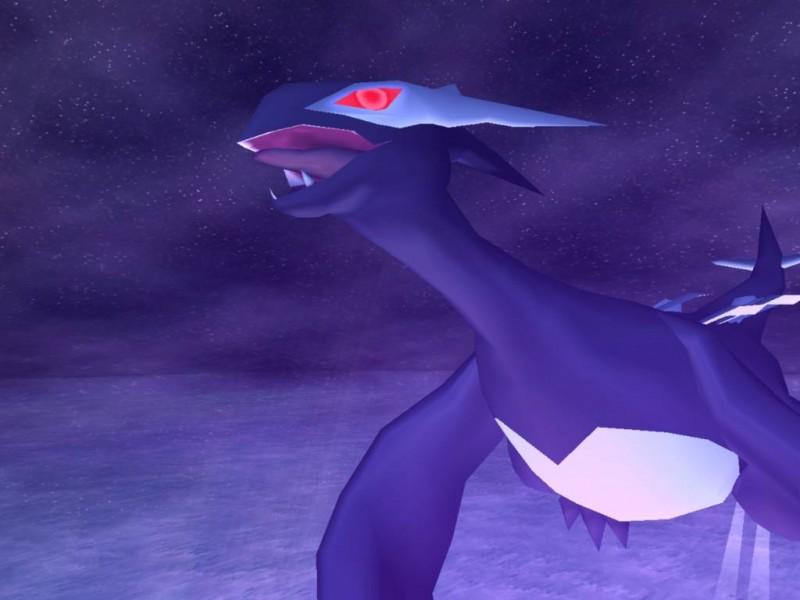
Sales & reviews
Sales figures
Considered the best-selling RPG on GameCube, Pokémon Colosseum also became the best-selling title on Amazon just before its release, due to the high number of pre-orders. It was the best-selling title on GameCube in May 2004. The game’s sales continued to increase steadily, and towards the end of 2007 over 1.8 million copies had been sold in the US and Japan alone.
That is 656,270 copies in Japan and more than 1.15 million in the United States (both as of 2007); estimates put the worldwide total at about 2.41 million. In its first week in the UK it doubled the GameCube’s share of the console market, from 16 to 32 per cent, and North American sales of over 250,000 earned it a Player’s Choice reissue in 2005.
- 2.41mworldwide (estimate)
- 1.15m+United States
- 656kJapan
- No. 1GameCube RPG
Review scores
As mentioned at the start of the article, Pokémon Colosseum was well received, getting good scores on major review sites. Let’s take a look at those scores:
- Ryan Davis of GameSpot reviewed the game and scored it 7.3/10, which equates to ‘Good’ on the GameSpot scale.
- Craig Harris from IGN liked the game, scoring it 7.5/10, the equivalent of ‘Good’ on their scale, while stating: “Pokémon Colosseum is one hugely challenging game, and it has enough originality, not to mention a whole assortment uniquely catchable creatures, in its design to encourage both newbies and veterans alike to experience a new style of Pokémon adventure.”
- The game also reached 73.46% on GameRankings (which closed in 2019), a fitting score for such a great game.
- For more opinions, read the Pokémon Colosseum review from TGN Magazine issue 3.
Critics welcomed Colosseum as the first proper 3D role-playing game in the series and praised its darker tone. Nintendo Power admired the Story Mode, the variety of Battle Mode and the detail of its world, Famitsu gave it 33 out of 40, and Computer and Video Games reckoned the battle side alone was worth the asking price. Others were cooler, and Metacritic’s average of 73 counts it as mixed. GameSpot felt the visual style had gone too far and suggested newcomers start with the handheld games, while smaller sites wanted a better story and more features or felt it fell short of the Game Boy Advance titles. The recycled Stadium-era models drew criticism too, and one newspaper found the music cartoonish.
Awards and honours:
Media & artwork
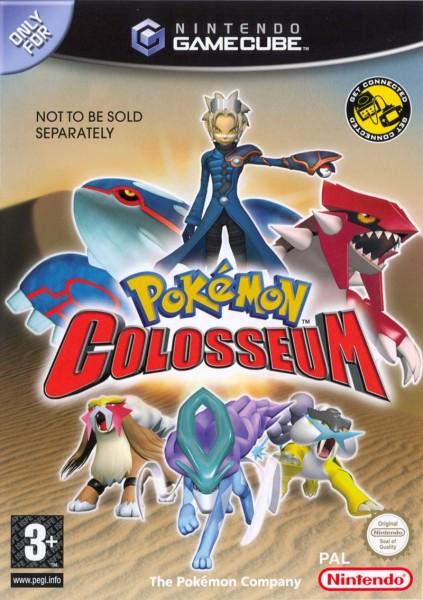
- Box art from Pokémon Colosseum, including several different regional variations
- Official artwork from Pokémon Colosseum, including several prominent Pokémon
- Screenshots from Pokémon Colosseum
- Pokémon Colosseum walkthrough from TGN Magazine issue 3 (2004)
Further reading
More GameCube and Orre links on the site: